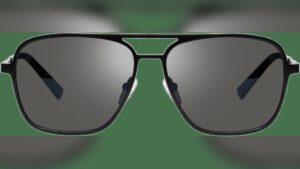
Choose sunglasses with UV400, wraparound fit, quality lenses, and all-day comfort.
If you want to know how to choose sunglasses to protect eyes, you’re in the right place. I’ve helped thousands of people pick the right pair, from weekend drivers to marathon runners. This guide breaks down the science, the labels, and the real-world checks so you leave knowing exactly what to buy and why.

Why UV protection matters
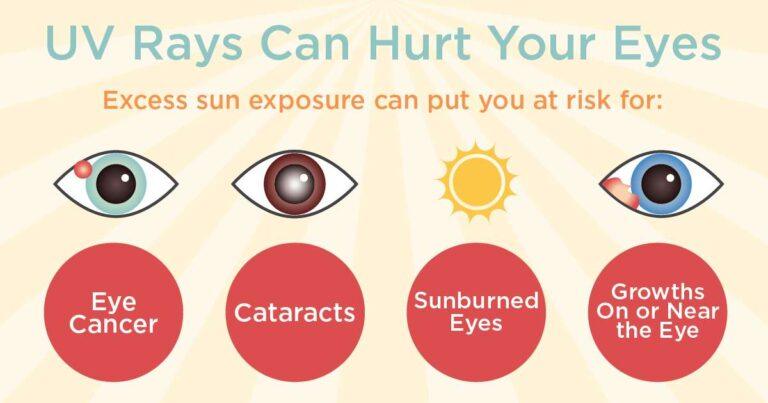
Your eyes can burn like skin. UVA and UVB rays raise the risk of cataracts and macular damage over time. Dark lenses without UV protection are worse than no lenses because your pupils open wider.
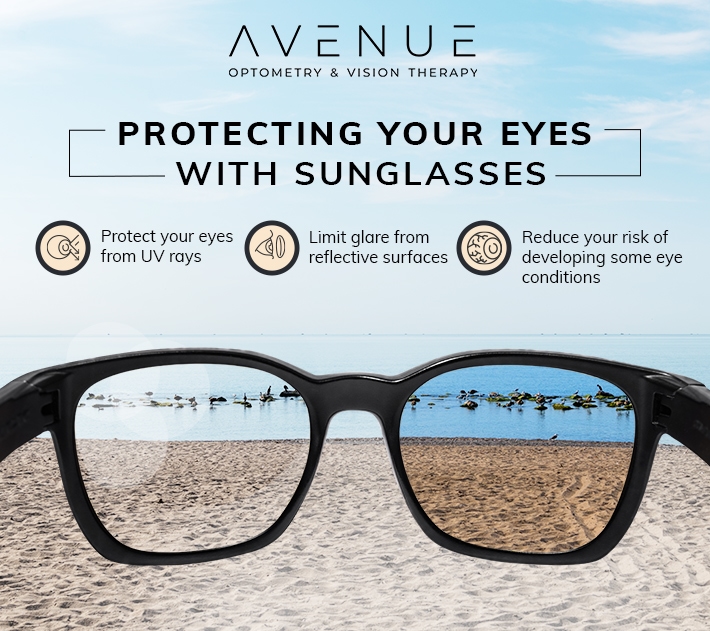
Look for UV400 or 100% UVA/UVB on the label. That means it blocks wavelengths up to 400 nm. That covers both UVA and UVB.
What to check on the tag or product page:
- UV400 or 100% UVA/UVB listed clearly
- Compliance with ANSI Z80.3 or ISO 12312-1
- Brand warranty or return policy for peace of mind
If you ask me how to choose sunglasses to protect eyes, I always start with verified UV400 before anything else.
Lens tint and color, explained
Tint is about comfort and clarity, not UV safety. UV comes from a clear coating, not from darkness. You want the right tint for the task.
Good tint picks for common needs:
- Gray for a neutral view in bright sun
- Brown or amber for contrast and depth, great for driving
- Green for a balanced look with a slight boost in contrast
- Rose or copper for overcast days or variable light
For hot sun, look for a visible light transmission around 10% to 20% (often called Category 3 in some regions). For daily city wear, 15% to 30% feels good. For how to choose sunglasses to protect eyes, match tint to your light needs, but never trade away UV400.
Polarized lenses vs UV protection
Polarized lenses cut glare from roads, water, and snow. That reduces eye strain and improves comfort. But polarization is not UV protection.
Great times to pick polarization:
- Driving at midday, long highway trips, and wet roads
- Fishing, boating, or beach days
- Snow travel with harsh glare
Be aware that polarized lenses can dim screens or make some car dashboards look odd. Try your car or phone with the lenses before you commit. When people ask how to choose sunglasses to protect eyes, I say get UV400 first, then add polarization if glare is your main pain.

Lens materials, quality, and coatings
Lens material affects safety and comfort. It also changes clarity, weight, and durability.
What the materials do best:
- Polycarbonate is light and very impact resistant, great for sports
- Trivex is crisp, light, and tough, ideal for daily wear
- Glass offers top scratch resistance and clarity but can be heavier
- CR-39 is clear and budget friendly, better for casual use
Helpful coatings to consider:
- Backside anti-reflective to cut bounce-back glare
- Hard coat to resist scratches
- Mirror coat to reflect extra light in very bright sun
- Hydrophobic and oleophobic to shed water and smudges
- Photochromic for shade-to-sun shifts, though it may darken slowly in cars
Quality optics reduce distortion and headaches. If you care about how to choose sunglasses to protect eyes, pair UV400 with a solid material like Trivex or polycarbonate for safety.
:max_bytes(150000):strip_icc()/Best-Sunglasses-HT-tout-11ed0057ab8d4b30af9ef98d0c0d035f.jpg)
Fit, coverage, and comfort
Coverage matters more than most people think. Big lenses and a mild wrap block light from the sides. That blocks stray UV and wind.
Fit checks that work:
- No hot spots on your nose or behind your ears
- Lenses sit close, but they do not touch your lashes
- The frame does not slip when you look down and nod
- Adequate temple length so the tips rest gently on your head
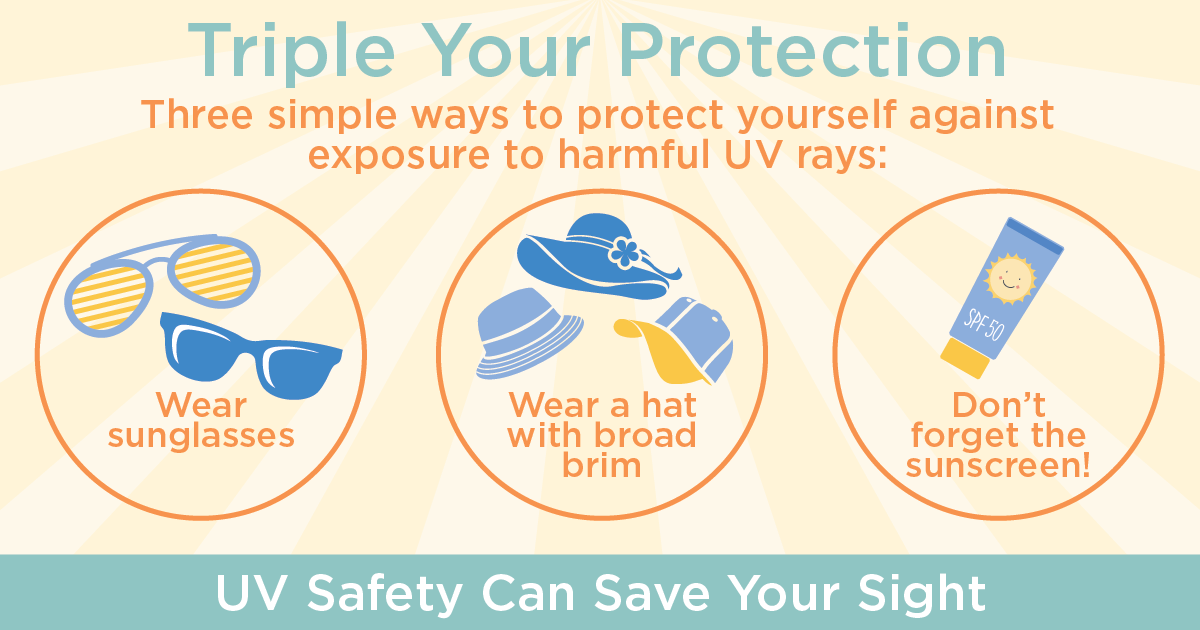
Wraparound styles, side shields, or larger lenses help on water and snow. For how to choose sunglasses to protect eyes, make sure the fit seals out side light without pinching.

Style and face shape tips
Style is not fluff. When you love the look, you wear them more. Daily wear means more protection over time.
Simple style rules that work:
- Round or oval faces look sharp with angular frames
- Square faces soften with round or oval frames
- Heart shapes balance well with cat-eye or aviator styles
- Small faces may need shorter temple arms and narrower bridges
Never sacrifice UV and fit for trend points. If your goal is how to choose sunglasses to protect eyes, style is the last filter, not the first.
.jpg)
Special use cases: driving, water, snow, sports, and kids
Driving needs contrast and comfort. Brown or copper tints often show road detail better. Polarized helps with road glare. Gradient tints can help you see your dash while keeping the sky dim.
Water days love polarization with a mirror finish. Tie a retainer to save your pair in a splash. Snow days call for contrast tints like brown, amber, or rose. Polarization can help, though some skiers prefer non-polarized to see ice sparkle.
Runners and cyclists need light frames, grippy pads, and a secure wrap. Kids need UV400 even more. Their lenses are clearer, so more UV reaches the retina. If you wear prescription lenses, consider Rx sunglasses, clip-ons sized to your frame, or quality fitovers. For how to choose sunglasses to protect eyes, match the lens and fit to the activity.
:max_bytes(150000):strip_icc()/VWH-GettyImages-1767090839-7d0280a4ff3f4b6d8b08947fa7a0f647.jpg)
Labels, standards, and how to test
Trust, but verify. Look for UV400 on the frame or tag. Industry standards like ANSI Z80.3 and ISO 12312-1 show the maker followed accepted tests.
Practical testing tips:
- Ask an optician to check UV with a meter in store
- Rotate the lens over your phone screen; if the screen blacks out at 60 to 90 degrees, the lens is polarized
- Avoid vague claims like blocks harmful blue light if UV400 is not listed
Category numbers refer to darkness, not UV safety. Category 3 suits bright sun. Category 4 is very dark and not legal for driving in many places. For how to choose sunglasses to protect eyes, rely on UV400 marks and standard labels, not tinted guesses.
Budget, warranties, and where to buy
You do not need luxury prices to get real protection. You do need clear specs. Many mid-range brands deliver UV400, polarization, and good coatings.
Ways to spend smart:
- Choose UV400 first, then add features you will use
- Buy from a retailer with easy returns and a fair warranty
- Watch for counterfeits on deep discount sites
I have returned many pairs that felt great but slipped on sweaty days. A fair return window lets you test in real light. If the goal is how to choose sunglasses to protect eyes, invest in quality where it matters and skip extras you will never use.
Care, maintenance, and replacement
Clean lenses the right way. Rinse with lukewarm water. Use a drop of mild soap if needed. Dry with a microfiber cloth.
Do not use paper towels. Do not leave them on a car dash or sauna. Heat can ruin coatings and warp frames.
Replace scratched or loose lenses. A big scratch scatters light and strains your eyes. If you wear them daily, plan on a new pair every one to three years. That habit supports how to choose sunglasses to protect eyes over the long run.
Frequently Asked Questions of how to choose sunglasses to protect eyes
Do darker lenses mean better protection?
No. Darkness is not the same as UV protection. Always look for UV400 or 100% UVA/UVB on the label.
What does UV400 actually block?
UV400 blocks wavelengths up to 400 nm, which covers UVA and UVB. That is the standard you want for safe daily use.
Are polarized sunglasses better for driving?
Polarized lenses reduce glare and eye strain on roads. Check your car displays and HUDs, since some screens can dim with polarization.
Which tint is best for daily use?
Gray is neutral and works in bright sun. Brown or copper boosts contrast and can help with driving and depth.
How can I tell if my sunglasses are real UV400?
Ask a shop to test them with a UV meter. Avoid vague marketing and buy from trusted stores or brands.
Do kids need different sunglasses?
Kids need the same UV400 standard and a secure fit. Choose light, tough frames with good coverage and a strap if needed.
Conclusion
You now know the key steps: verify UV400, pick the right tint, decide on polarization, choose safe materials, and demand a secure fit. Small choices add up to long-term eye health. Treat your sunglasses like sunscreen for your eyes.
Put this guide to work today. Try two or three pairs in real light and pick the one you will wear all day. If this helped, share it, subscribe for more practical eye tips, or drop your questions in the comments.

Rubel Miah is the Senior Editor at MyStyleGrid.com, where he brings a sharp editorial eye and an unshakable love for fashion to everything he does. A true style addict, Rubel lives and breathes trends, from streetwear to high fashion, and has a knack for turning inspiration into impactful stories. With years of experience in fashion journalism and digital media, he curates content that empowers readers to express themselves through style. When he’s not editing features or forecasting the next big thing, you’ll find him hunting down vintage pieces or capturing street style moments around the city.