Rinse with lukewarm water, use mild soap, and dry gently with a microfiber cloth.
I’ve spent years repairing eyewear and teaching people how to clean cloudy sunglasses lenses properly. This guide walks you through safe, tested steps, what to avoid, and when to seek a pro so your lenses stay clear and scratch-free.
Why sunglasses lenses get cloudy
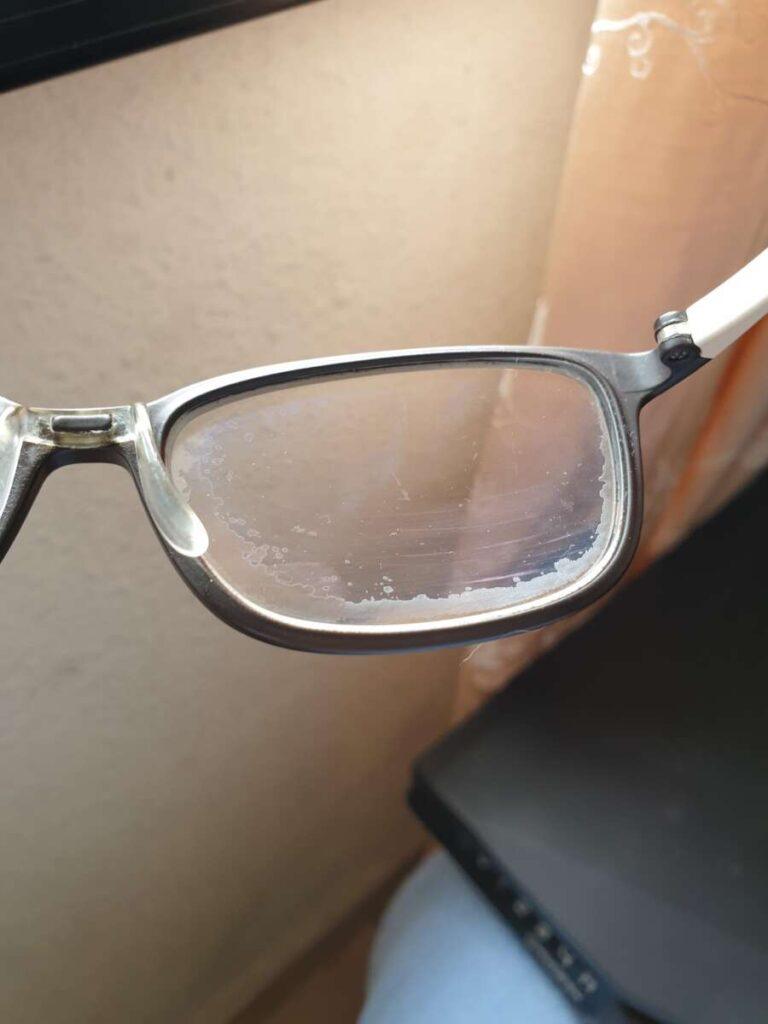
Cloudy sunglasses lenses can come from several causes. Dirt, skin oils, sunscreen, and salt spray form a thin film that scatters light. Hard water and mineral buildup leave white spots. Over time, coatings such as anti-reflective or hydrophobic layers can degrade, creating a hazy or cloudy appearance. Small scratches also scatter light and make lenses look foggy.
Knowing the cause helps you pick the right cleaning method for how to clean cloudy sunglasses lenses properly. If the haze is from coating failure, cleaning will not fix the issue and lenses may need replacement.
What you need before you begin
Use safe, gentle tools and avoid household cleaners that can harm coatings. Gather:
- Microfiber cloth dedicated to eyewear
- Mild, lotion-free dish soap
- Distilled or lukewarm tap water
- Soft-bristled brush or clean fingertip for rubbing
- Spray lens cleaner formulated for coated lenses (optional)
- Cotton swabs for frame crevices
- Soft towel or tissue-free drying surface
Avoid paper towels, tissues, window cleaners, or bleach. These can scratch or strip coatings and make cloudy lenses worse. Knowing what to use makes a big difference when you learn how to clean cloudy sunglasses lenses properly.

Step-by-step: how to clean cloudy sunglasses lenses properly
Follow these safe steps for the best results.
- Rinse first
- Hold the sunglasses under a gentle stream of lukewarm water to remove loose grit and dust. This prevents scratching during cleaning.
- Apply mild soap
- Put a drop of mild dish soap on each lens or on your fingers. Use only a tiny amount. Avoid soaps with lotions or moisturizers.
- Gently rub
- Rub both sides of the lenses with your fingertips in small, circular motions for 10–20 seconds. Clean the nose pads and frame too.
- Rinse thoroughly
- Rinse the lenses and frame with lukewarm or distilled water until all soap is gone. Any residue can leave streaks that look cloudy.
- Dry with a microfiber cloth
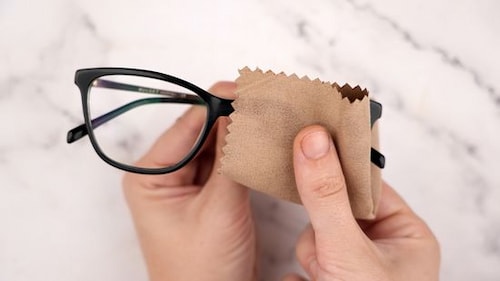
- Shake off excess water and gently pat or wipe the lenses with a clean microfiber cloth. Avoid abrasive motions.
- Inspect and repeat if needed
- Hold your sunglasses up to light. If cloudiness remains, repeat the soap-and-rinse step or use a spray lens cleaner approved for coatings.
- For mineral spots
- Mix equal parts distilled water and white vinegar. Apply with a microfiber cloth to stubborn mineral deposits, then rinse well. Use this sparingly and rinse thoroughly.
These steps show the simplest way to handle most films and spots. If you still wonder how to clean cloudy sunglasses lenses properly after this, take note: coating damage or deep scratches usually need professional attention.

Deep cleaning, restoration, and when to replace lenses
Not all cloudiness is removable. Consider these scenarios:
- Coating delamination: If the anti-reflective or hydrophobic coating peels, cleaning won’t help. The haze comes from the coating separating from the lens. Replacement is the fix.
- Deep scratches: Small surface scratches scatter light. Minor polishing can reduce glare on glass lenses, but plastic lenses are harder to restore and may need replacement.
- Internal fogging: Some sunglasses with sealed lenses can trap moisture between layers. A repair shop can open and reseal or replace the lens.
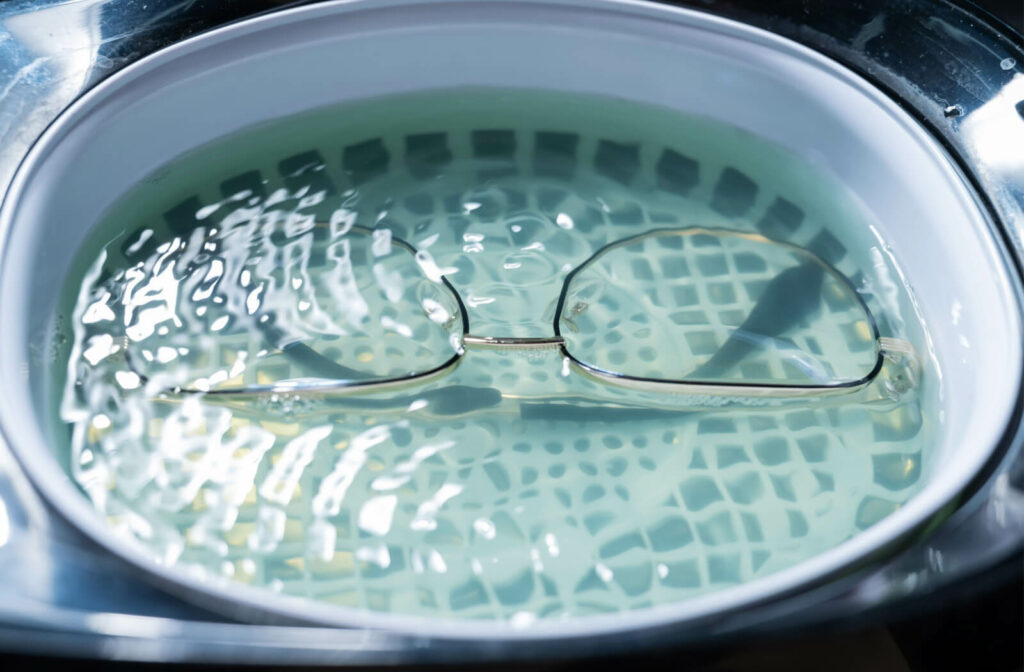
Optical labs can use ultrasonic cleaning and safe polishing for glass lenses. If you’re unsure about how to clean cloudy sunglasses lenses properly when the problem is internal or coating-related, take them to a licensed optician or lab for diagnosis.

Preventive care to keep lenses clear
A little care prevents most cloudiness and extends lens life.
- Clean regularly: Wipe lenses daily with microfiber and wash with soap weekly.
- Store properly: Use a rigid case to avoid scratches and heat damage.
- Avoid high heat: Don’t leave sunglasses on a dashboard or in hot cars.
- Rinse after swimming: Chlorine and salt dry into mineral deposits that make lenses cloudy.
- Keep cloths clean: Wash microfiber cloths periodically to avoid trapping grit.
Practicing these habits helps you avoid frequent deep cleaning and teaches you how to clean cloudy sunglasses lenses properly before small problems become permanent.
My experience and lessons learned
Early in my work with eyewear, I used paper towels and window cleaner out of convenience. That ruined a few anti-reflective pairs fast. I learned to trust mild soap, water, and microfiber. I’ve found that most cloudy lenses clear up with gentle washing. When they don’t, it’s usually because a coating failed or the lens is deeply scratched.
A practical tip I share: keep a small bottle of diluted soap and a microfiber pouch in your bag. It solves midday smudges and teaches quick, safe cleaning habits. These small habits are the backbone of how to clean cloudy sunglasses lenses properly.

Frequently Asked Questions of how to clean cloudy sunglasses lenses properly
Can I use window cleaner on sunglasses lenses?
No. Window cleaners often contain ammonia or alcohol that can strip coatings and make lenses cloudy or pitted. Use mild soap and water or a lens cleaner made for coated eyewear.
Will toothpaste remove scratches and cloudiness?
Toothpaste is mildly abrasive and can sometimes reduce small scratches on uncoated plastic, but it often makes coatings worse. For valuable or coated lenses, avoid toothpaste and seek professional polishing.
How do I remove hard water spots from sunglasses?
Soak a microfiber cloth with a 50/50 mix of distilled water and white vinegar, gently rub the spots, then rinse well. If spots persist, consult an optician to avoid damaging coatings.
Is rubbing alcohol safe for lenses?
Rubbing alcohol can damage anti-reflective and hydrophobic coatings over time. Use alcohol only for frame disinfecting or on uncoated glass lenses with caution.
When should I replace cloudy sunglasses lenses?
Replace lenses when cloudiness is caused by coating delamination, internal fogging, or deep scratches that impair vision. An optician can confirm if cleaning or replacement is needed.
Conclusion
Cleaning cloudy sunglasses lenses properly is usually simple: rinse, use mild soap, and dry with a clean microfiber cloth. For mineral deposits, carefully use diluted vinegar, and for coating or internal problems, seek a professional. Protect your lenses with gentle habits and regular care to avoid repeat issues. Try the steps here on your next pair, share your results below, or subscribe for more eyewear tips and repair advice.

Rubel Miah is the Senior Editor at MyStyleGrid.com, where he brings a sharp editorial eye and an unshakable love for fashion to everything he does. A true style addict, Rubel lives and breathes trends, from streetwear to high fashion, and has a knack for turning inspiration into impactful stories. With years of experience in fashion journalism and digital media, he curates content that empowers readers to express themselves through style. When he’s not editing features or forecasting the next big thing, you’ll find him hunting down vintage pieces or capturing street style moments around the city.