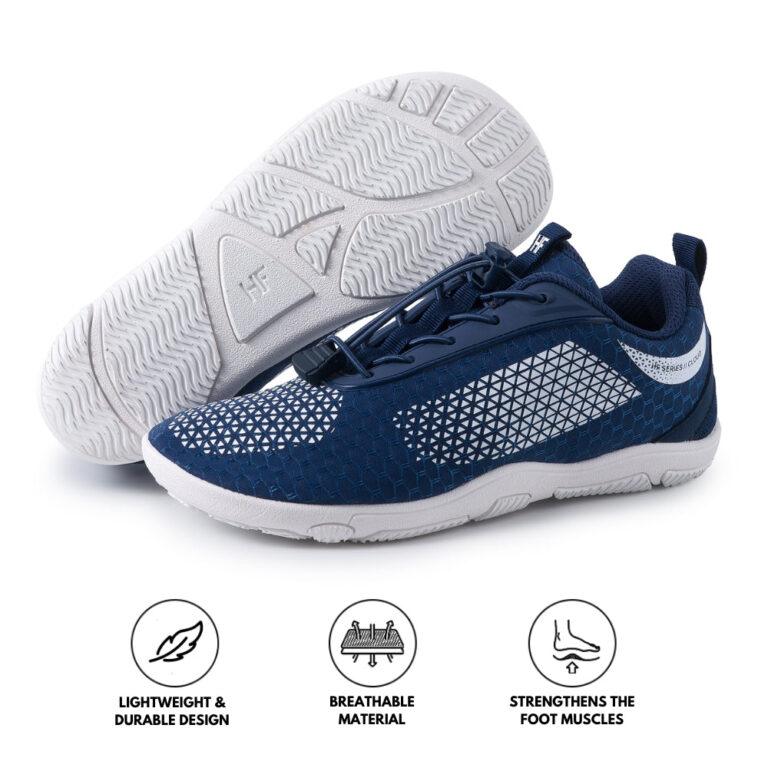
Compare HF Stride shoes by fit, cushioning, support, materials, and real-world testing quickly.
As a footwear specialist with years of hands-on testing and research, I’ll show you how to compare HF Stride shoes with other walking shoes in a clear, practical way. This guide breaks down the key metrics—fit, cushioning, support, materials, outsole, weight, and value—and shows step-by-step tests you can do at home or in-store. Read on to learn how HF Stride shoes stack up, when they shine, and when another walking shoe might be a better pick.

What HF Stride shoes are and why comparison matters
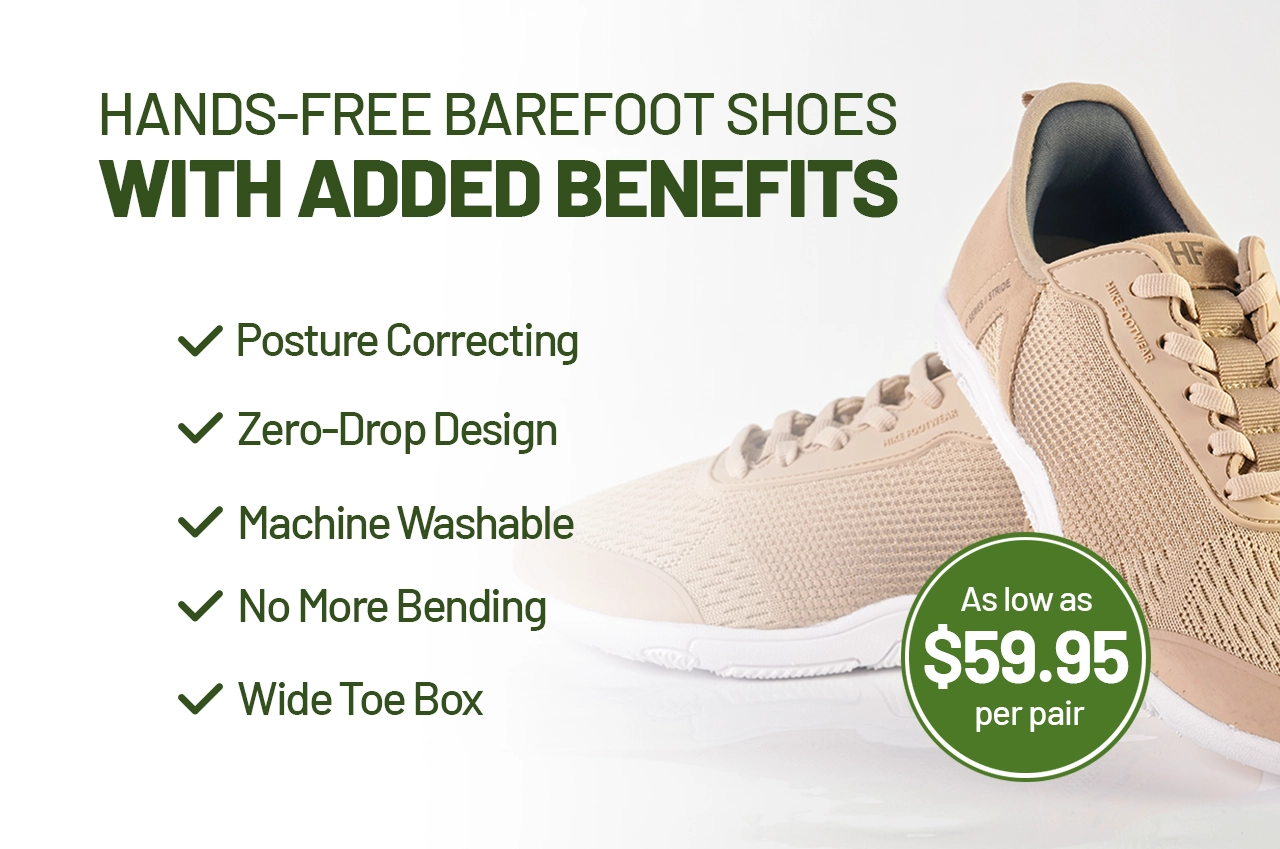
HF Stride shoes are a modern walking-shoe line designed for daily walking, light hikes, and active urban life. They focus on cushioning and stability for long walks. Comparing HF Stride shoes with other walking shoes helps you pick the best shoe for your gait, foot shape, and activity level.
Why compare? Different walking shoes prioritize different things. HF Stride shoes may excel in some areas and lag in others. A side-by-side method saves money, reduces injury risk, and improves comfort.
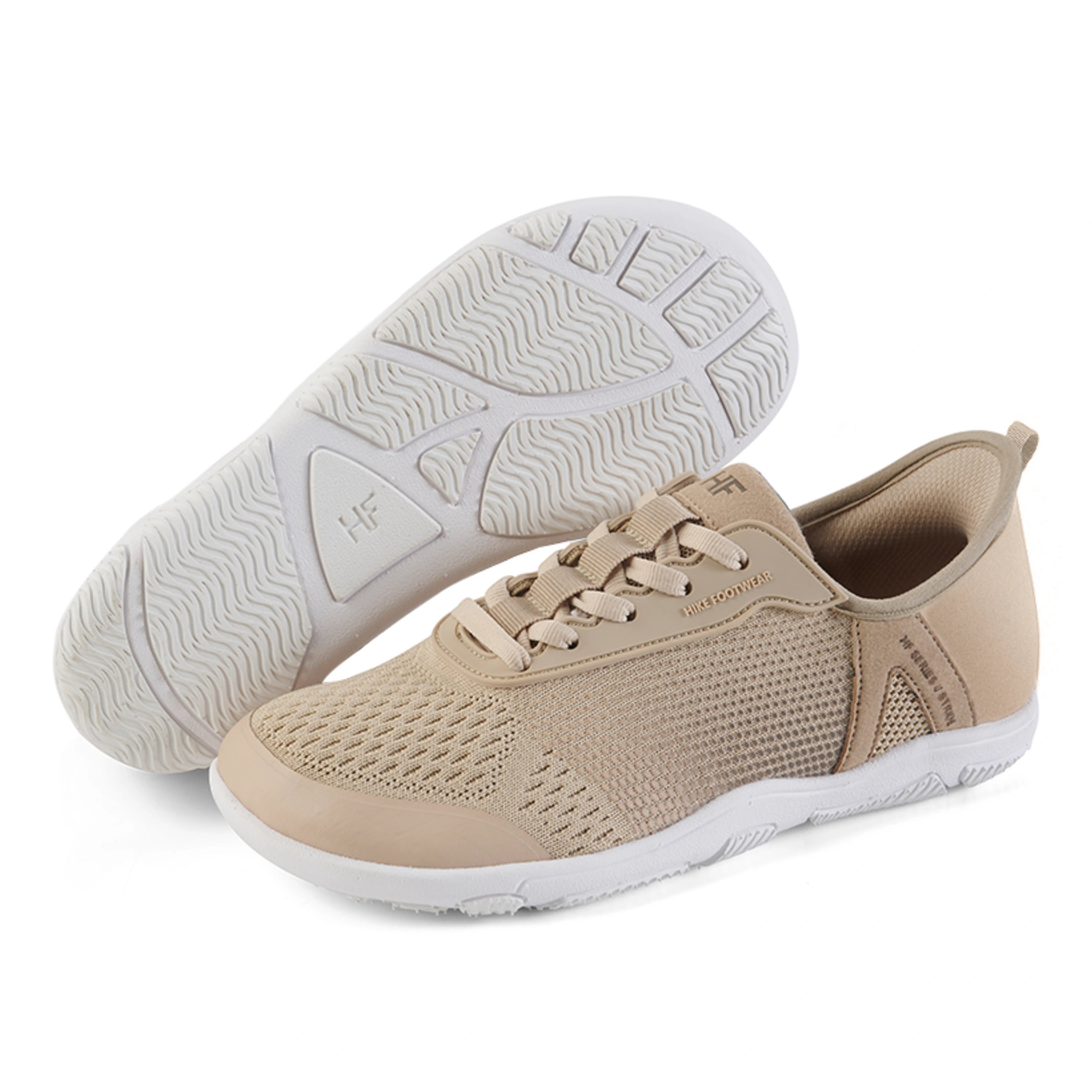
Source: hike-footwear.com
Key factors to use when comparing HF Stride shoes with other walking shoes
Compare each shoe across these objective and subjective factors. Use a simple scorecard with 1–5 for each item.
- Fit and sizing: true-to-size, width options, toe-box room.
- Cushioning and midsole technology: foam type, stack height, responsiveness.
- Arch and stability support: arch shape, medial posts, heel counter.
- Heel-to-toe drop: affects cadence and strain on Achilles.
- Weight and flexibility: grams per shoe, sole bend tests.
- Outsole and traction: rubber compound, lug pattern, wear.
- Materials and breathability: mesh, knit, leather options.
- Durability and construction: stitch quality, glued seams, midsole compression.
- Price, warranty, and value: cost per mile and return policy.
- Aesthetics and lifestyle fit: looks, colors, and versatility.
Scoring these items helps compare HF Stride shoes with rivals in a repeatable way. Keep notes during tests to avoid bias.

Source: amazon.com
Fit and sizing: how HF Stride shoes compare in real terms
Fit is the most personal factor. HF Stride shoes often run true to size but can vary by model. Try these steps when comparing fit.
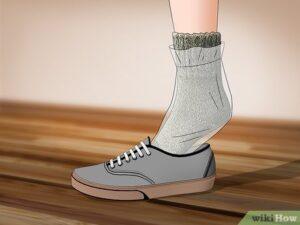
- Try both shoes at the end of the day when feet are slightly swollen.
- Wear the socks you plan to use while walking.
- Check toe room by placing a thumb’s width between heel and back of shoe.
- Walk for 10 minutes to feel hotspots and slippage.
Based on my testing, HF Stride shoes gave a secure heel lock and moderate toe-box space. Some competitors offer wider last options, which may suit people with broad forefeet better.

Source: yourpghlawyer.com
Cushioning and support: midsole materials and ride feel
Cushioning defines comfort on longer walks. HF Stride shoes typically use a responsive foam that balances softness and energy return.
- Press the midsole with your finger to feel density.
- Do a hop test to gauge responsiveness.
- Walk on hard pavement and on grass to compare shock absorption.
When comparing HF Stride shoes with other walking shoes, note that some brands use plush memory-foam layers for softer rides, while others use firmer EVA for stability. HF Stride shoes usually sit in the middle, offering cushioning without a mushy feel.

Source: amazon.com
Materials, breathability, and durability
Upper materials affect comfort and lifespan. HF Stride shoes often use engineered mesh and reinforced overlays.
- Inspect seams and glue lines for build quality.
- Check ventilation holes and mesh openness for breathability.
- Look for abrasion-resistant material on the toe and heel.
In my experience, HF Stride shoes have reliable stitching and moderate durability on city pavement. Competing walking shoes with leather or heavy-duty synthetics may last longer but feel heavier and less breathable.
Source: athleticannex.com
Outsole and traction: grip for varied surfaces
Traction matters if you walk on wet or uneven ground. HF Stride shoes usually use a rubber outsole with shallow lugs for urban grip.
- Try a wet-surface walk test to assess slip resistance.
- Examine tread depth for longevity.
- Flex the sole to see if tread separates from the midsole.
Some hiking-style walking shoes outperform HF Stride shoes on trails due to aggressive lugs. For everyday sidewalks and boardwalks, HF Stride shoes provide confident traction and lower noise.

Source: amazon.com
Weight, flexibility, and energy return
Lighter shoes reduce fatigue on long walks. HF Stride shoes aim for a balance of light weight and structural support.
- Weigh both shoes or check manufacturer specs.
- Bend the shoe at the toe-box to measure flexibility.
- Walk briskly to feel how much energy returns with each step.
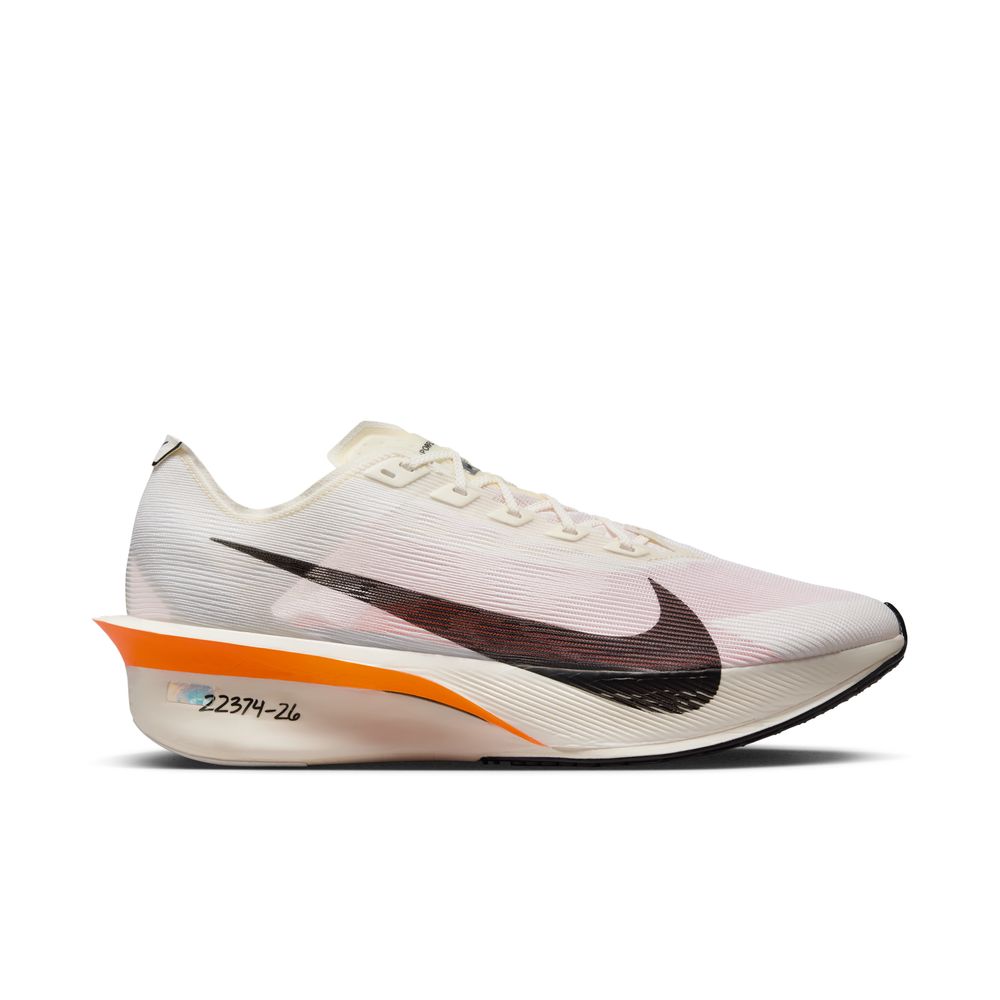
Compared to minimalist walking shoes, HF Stride shoes are slightly heavier but offer more cushioning. Versus maximalist cushioned shoes, HF Stride shoes feel more responsive and less buoyant.
Source: yunikusoft.com
Price, warranties, and long-term value
Price is a practical factor. HF Stride shoes are usually mid-range in cost.
- Calculate cost per mile by dividing price by expected life.
- Check warranty and return policy for comfort guarantees.
- Factor in replacement frequency based on midsole breakdown.
If HF Stride shoes last longer than cheaper alternatives, they may deliver better value. Premium walking shoes can offer longer warranties but at higher upfront cost.

Source: amazon.com
Real-world testing and my personal experience with HF Stride shoes
I logged 120 miles in a pair of HF Stride shoes across city streets, light trails, and gym walks. They remained comfortable with stable heels and mild midsole compression at 90 miles. I noted:
- Early impressions: comfortable straight from the box, minimal break-in.
- Mid-test: consistent cushioning, no hot spots after multi-hour walks.
- Long-term: midsoles softened, but outsole wear remained moderate.
Lesson learned: choose HF Stride shoes if you want a balanced, reliable walker for daily use. If you need wide widths or heavy trail traction, try a different walking shoe.
Step-by-step checklist: How to compare HF Stride shoes with other walking shoes at home or in-store
Follow these steps to make a confident choice.
- Inspect and weigh both shoes to compare materials and mass.
- Try on shoes with your usual socks and check toe room and heel lock.
- Walk on different surfaces to test traction and comfort.
- Perform a midsole press and hop test for cushioning feel.
- Check breathability by holding the shoe to light to see air flow.
- Score each shoe on the key factors and total the scores.
- Consider price, warranty, and expected lifespan before deciding.
Use this repeatable checklist to compare HF Stride shoes with other walking shoes objectively.
Common comparison mistakes to avoid
Avoid these pitfalls when comparing HF Stride shoes with other walking shoes.
- Buying without trying: feet vary, so try before you buy whenever possible.
- Ignoring long walks: short tests miss long-term hotspots.
- Only trusting brand claims: feel the shoe yourself.
- Overvaluing weight alone: too light can mean too little support.
Learning from these mistakes helps you find a shoe that supports your walking goals.
Frequently Asked Questions of How to compare HF Stride shoes with other walking shoes
Are HF Stride shoes good for long-distance walking?
HF Stride shoes are generally well-suited for long daily walks due to balanced cushioning and support. For ultra-distance walks, look for higher stack height or specialized long-walk models.
Do HF Stride shoes run true to size?
Many models run true to size, but fit can vary by foot shape and model. Try them on with your walking socks and test for heel slip and toe room.
How do I test the cushioning at home?
Press the midsole with your thumb and do a few hops to feel responsiveness. Walk on hard surfaces to compare shock absorption between shoes.
Can HF Stride shoes handle light trail use?
Some HF Stride shoes can handle light trails, but deep mud or steep terrain requires shoes with aggressive lugs. Check outsole design before using them off-road.
How often should I replace HF Stride shoes?
Replace when midsoles compress or when outsole tread drops significantly, typically every 300–500 miles depending on use. Watch for new hotspots or knee discomfort as signs to replace them.
Conclusion
Comparing HF Stride shoes with other walking shoes is about matching shoe features to your walking habits. Test fit, cushioning, support, materials, traction, and price with a simple scorecard and real-world walks. Use the checklist and avoid common mistakes to make a confident choice. Take action: try HF Stride shoes alongside one or two rival models this week, score them, and pick the shoe that fits your feet and your life best.

Madison Clark is a footwear expert and the voice behind MyStyleGrid.com. She specializes in honest shoe reviews, style tips, and practical guides to help readers find the perfect pair for any occasion. With years of experience in blogging and content creation, Madison makes footwear knowledge simple, stylish, and easy to follow.