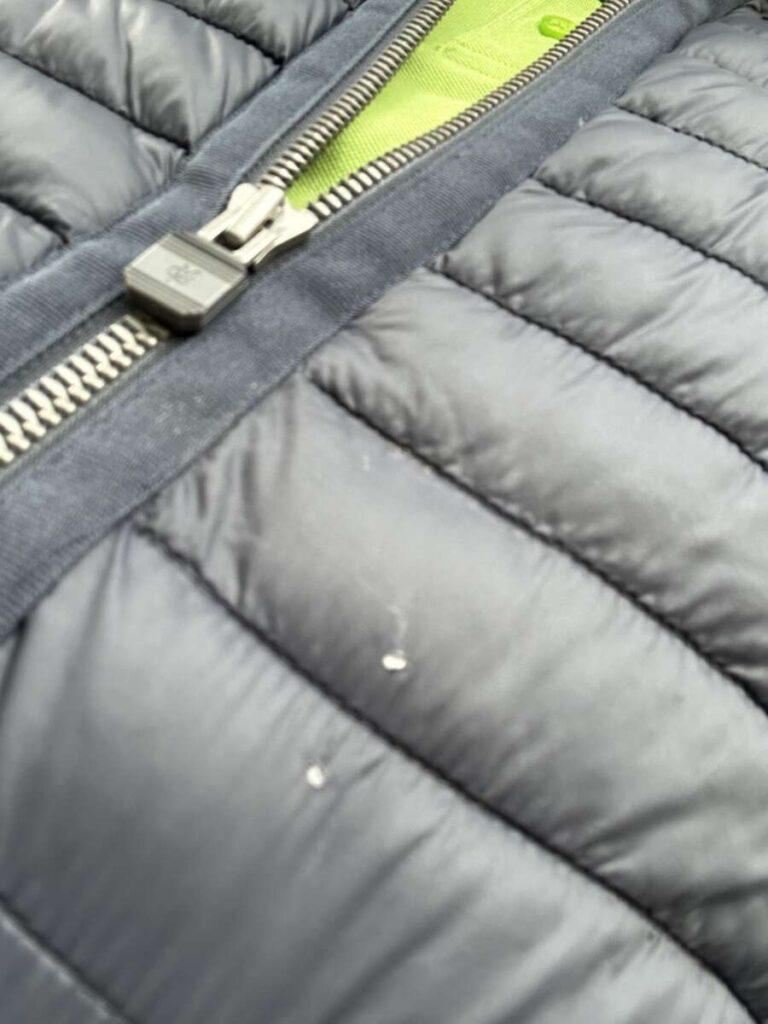
Patch, fuse, or darn the hole—method depends on jacket fabric and hole size.
I have fixed dozens of jackets in my time as a mender and wardrobe consultant. I will walk you through how to fix a burn hole in a jacket step by step. You will learn how to assess the damage, choose the right method, gather the right tools, and complete a repair that looks good and lasts. This guide blends hands-on tips, common mistakes I’ve made and corrected, and clear trade-offs for each fabric type so you can make the right choice fast.
Assess the damage and choose the right approach
Start by checking the fabric, hole size, and how deep the burn goes. Some burns are surface scorch marks. Others cut threads and leave holes. The fix for leather differs from one for nylon. Picking the right method up front prevents more damage and saves time and money.

Tools and supplies you may need
Gather tools before you begin. A tidy workspace makes repairs faster and neater.
- Fabric patch or scrap that matches color and weight
- Fusible web or iron-on patch for cotton and nylon
- Fabric glue or textile adhesive for quick fixes
- Needle and thread (polyester thread for synthetics, cotton for cotton)
- Darning needle or small sewing machine
- Leather repair kit and leather glue for leather jackets
- Tenacious Tape or gear repair tape for outdoor shells
- Scissors, seam ripper, coordinating thread, and pins
- Iron and pressing cloth for fusible options
- Optional: embroidery floss and stabilizer for decorative covers
How to fix a burn hole in a jacket — step-by-step by fabric type
Different fabrics call for different fixes. Below I give clear steps for common jacket types. Read each short method and pick the one that matches your jacket.
Cotton and denim jackets
Cotton is forgiving. Small holes mend well with an iron-on patch or by sewing a patch from the inside.
- Trim burned fibers and loose threads.
- Cut a patch that overlaps hole by at least 1/2 inch.
- Place fusible web between patch and jacket lining.
- Press with an iron using a pressing cloth for 15–20 seconds.
- For extra strength, topstitch around the patch.
I once repaired a favorite denim jacket this way. The patch held through many washes.
Nylon, polyester, and other synthetics
Synthetics can melt and fray. Use heat-bond patches designed for ripstop or nylon. Avoid direct flame.
- Trim ragged edges carefully.
- Use a compatible fusible patch or adhesive-backed nylon patch.
- Apply by iron or low-heat according to patch instructions, using a towel between iron and fabric.
- Seal edges with clear textile glue if fraying returns.
For insulated synthetic shells, apply a lightweight inner patch first, then an outer patch for strength.
Leather and suede jackets
Leather needs special care. Do not use an iron-on patch. Use a leather repair kit or professional patch.
- Clean area with a mild leather cleaner.
- Trim charred fibers with small scissors.
- Use a leather adhesive and a thin leather patch from the inside if possible.
- For surface burns, color-matched leather filler and dye can blend the repair.
- For suede, use a suede patch and brush to blend texture.
Leather repairs can look seamless if matched carefully. If unsure, a pro leatherworker will save you money in the long run.
Wool and knit jackets
Wool and knits can be needle-felted or darned.
- Trim loose fibers and lay the fabric flat.
- For tiny holes, use a felting needle and matching wool to fill and blend.
- For larger holes, place a woven patch inside and hand-sew with small stitches.
- Gently steam to reshape the knit if needed.
I fixed a wool coat with a felting method that was nearly invisible from 3 feet away.
Insulated and down jackets
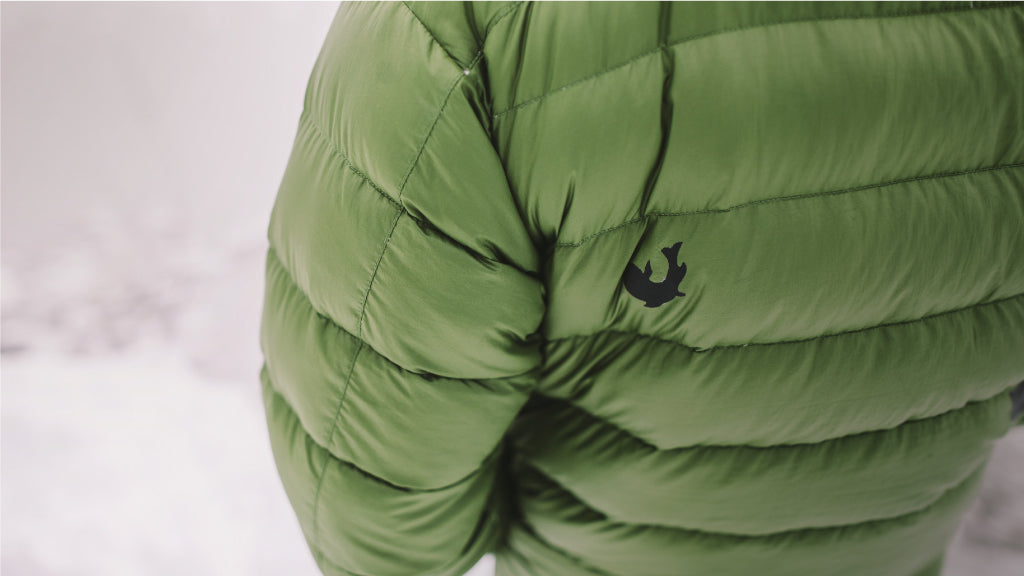
For puffed or insulated jackets, keep loft and seal the shell.
- Locate the hole and push any loose insulation back into the jacket.
- Use a small adhesive repair patch on the inside first to hold insulation.
- Add an outer adhesive or sew-on patch for durability.
- Test float of the patch with a gentle tug to confirm seal.
For down jackets, lightweight gear tape is often the fastest fix that retains warmth.

Step-by-step for a small, typical burn hole (quick practical method)
Follow these steps for small holes under 1/2 inch on woven jackets.
- Clean and trim the area.
- Place a small inside patch cut from similar fabric.
- Apply fabric glue around the hole to anchor threads.
- Press patch into place and allow to dry.
- Topstitch around the perimeter if needed.
This is one of the most durable and low-cost ways to learn how to fix a burn hole in a jacket at home.

Tips, pitfalls, and my lessons learned
Small choices change the final look. I learned these the hard way.
- Do not iron leather or suede patches. You will cause more damage.
- Test adhesive on a hidden seam first to check color change.
- Match weight and weave; a heavy patch on light fabric looks and feels odd.
- For synthetics, choose low heat to avoid melting the patch and jacket.
- When in doubt, make the patch a design feature with embroidery or a badge.

When to call a professional
Some repairs need pro tools or skills. Leather re-dyeing and large tears in expensive shells are best left to pros.
- If the jacket is expensive or has sentimental value
- If the fabric is fragile or layered in a complex way
- If the burn affects lining, insulation, or electrical components
A tailor or leather repair specialist can restore look and function in these cases.

Frequently Asked Questions of how to fix a burn hole in a jacket
How small a burn hole can I fix at home?
Most holes smaller than a quarter can be fixed at home with an inside patch and fabric glue. Larger holes may need a sewn patch or professional attention.
Can I use clear nail polish on a burned jacket?
Clear nail polish can temporarily seal tiny frayed edges on synthetic fabrics. It is not a durable or recommended long-term fix for how to fix a burn hole in a jacket.
Will an iron-on patch work on a nylon jacket?
Some iron-on patches are made for nylon, but many are not. Use a patch labeled for synthetics and low heat to avoid melting the fabric.
Is it worth repairing an expensive leather jacket at home?
Leather is best repaired by a pro for cosmetic work and re-dyeing. Small interior patches can be done at home, but surface repairs risk visible mistakes.
How do I preserve insulation after repairing a down jacket?
Use an inner adhesive patch to hold insulation and then apply an outer patch for protection. Make sure the insulation is even and the patch seals fully.
Conclusion
You can confidently fix many jacket burns at home if you match method to fabric. Assess the damage, choose the right supplies, and work slowly. Small holes often mend invisibly with an inside patch, while leather and large tears may need a pro. Try a simple repair today and learn with one small project. If this guide helped, leave a comment about your repair or subscribe for more practical clothing care tips.

Madison Clark is a footwear expert and the voice behind MyStyleGrid.com. She specializes in honest shoe reviews, style tips, and practical guides to help readers find the perfect pair for any occasion. With years of experience in blogging and content creation, Madison makes footwear knowledge simple, stylish, and easy to follow.