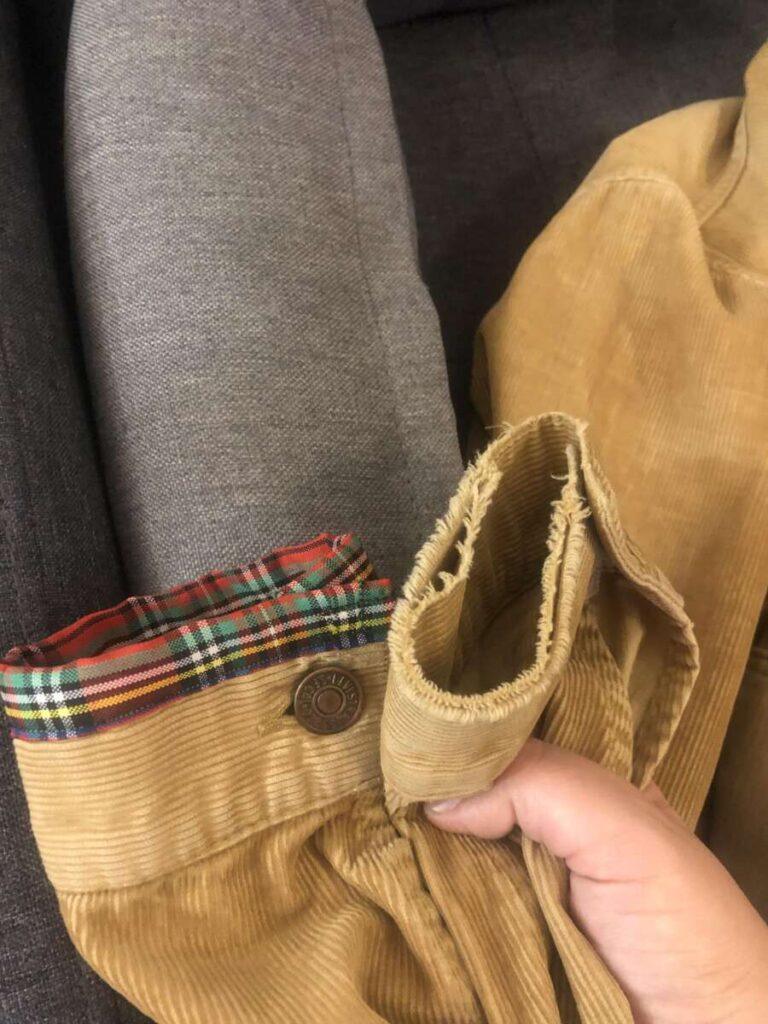
Trim, reinforce, and sew the frayed cuff to restore durability and appearance quickly.
I’ve repaired hundreds of worn sleeves as a tailor and DIY mender, so I know exactly how to fix frayed jacket cuffs with reliable, lasting results. This guide walks you through quick fixes, step-by-step sewing repairs, and professional options. You will learn tools, techniques, and prevention tips that work on denim, wool, leather, and synthetic jackets. Read on to get your jacket looking sharp and wearable again.

Why jacket cuffs fray and what to look for
Frayed cuffs happen because cuffs face constant abrasion and stress. The edge rubs against surfaces and the stitching loosens. Fabric type, lining, and cuff construction all matter. Knowing why a cuff frays helps choose the right repair method and will speed up how to fix frayed jacket cuffs.
Tools and materials you’ll need
Gather a few items before you begin. These tools make how to fix frayed jacket cuffs faster and neater.
- Needle and thread Use a strong thread that matches the jacket color.
- Scissors Sharp embroidery or fabric scissors give a clean cut.
- Fray check or fabric glue Stops raw edges from unraveling.
- Iron-on seam tape or fusible interfacing Adds stability behind the cuff.
- Sewing machine (optional) For tougher fabrics or a neater finish.
- Patch fabric, bias tape, or leather strips Use to bind or cover severe frays.
- Thimble and pincushion Protect fingers and keep pins handy.

Quick fixes for frayed jacket cuffs (fast, no-sew options)
When you need a fast fix, these no-sew or low-sew options work well. They bridge the gap until you can do a permanent repair.
- Trim cleanly and seal Cut away loose threads and apply a small amount of fabric glue or fray check on the edge.
- Iron-on seam tape Fold the cuff and press seam tape inside to stabilize the edge.
- Self-adhesive leather or fabric patches Cover the outside cuff for a quick cosmetic fix.
- Hem tape and fold Fold cuff inward and press with hem tape for an instant tuck.
These quick fixes often last for weeks or months depending on wear. For a durable result, combine a quick fix with sewing later. Quick fixes are great when you need an immediate, polished look while planning a full repair to permanently address how to fix frayed jacket cuffs.
Step-by-step sewing repair: a reliable method
For a long-term fix, sewing is best. Follow these steps for a clean, durable cuff repair.
- Assess the damage and clean the cuff Remove dirt and loose threads with scissors. Turn the cuff inside out if possible.
- Reinforce the area Apply a strip of fusible interfacing behind the fray to add strength.
- Trim and prepare edges Trim ragged fibers close to the fabric edge for a tidy base.
- Use a whipstitch or overcast stitch Hand-sew the raw edge to prevent further unraveling.
- Reattach lining if needed Sew the lining back with a slip stitch for an invisible finish.
- Press the cuff Use a low-heat iron suitable for the fabric to set stitches.
This approach works for most fabrics and gives a clean look. Practice the stitches on a scrap to match tension. A sewing machine can speed up the process for heavy fabrics and give extra strength.
Alternative fixes: patching, binding, and leather cuff repair
Some cuffs need more than simple sewing. Use these options when the damage is extensive or when you want to change the style.
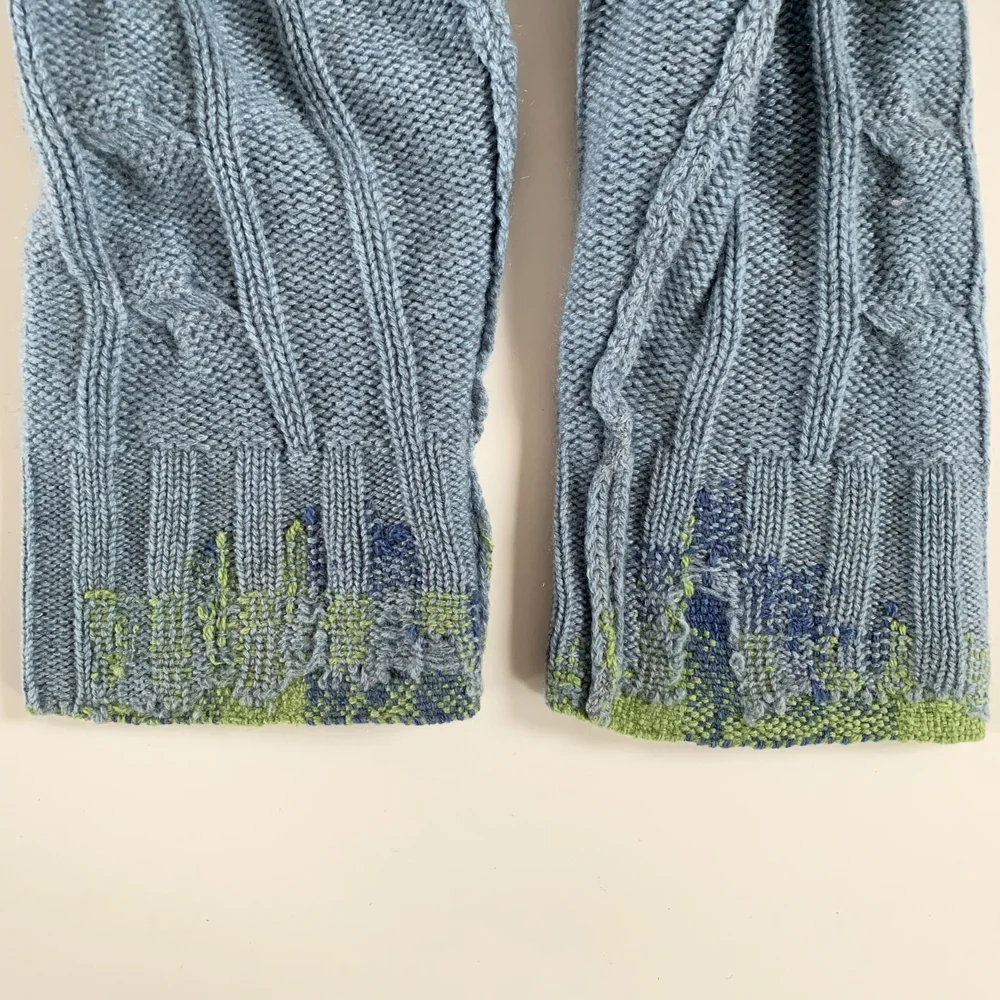
- Binding with bias tape Sew bias tape over the raw edge to create a neat border and hide damage.
- Patch inside or outside Add a fabric patch to cover worn spots or add a decorative element.
- Leather cuff replacement For leather jackets, trim to a clean edge and attach a leather binding or replace the cuff strip.
- Replace the entire cuff If the cuff is a separate piece, you can unpick and swap in a new cuff from matching fabric.
Choose a method based on the fabric and your sewing skill. Patching and binding are especially good for how to fix frayed jacket cuffs on casual and work jackets.
When to seek professional help
Bring the jacket to a tailor or leather shop when the cuff is structural or lined with complex components. Professionals can:
- Replace linings and reinforcements They will match fabric and maintain fit.
- Repair leather with dyes and specialized stitches This preserves both look and strength.
- Recreate custom cuffs For expensive or vintage jackets, pros prevent damage.
If you’re unsure, ask for a quote and a timeline. A professional repair can be more cost-effective than replacing a favorite jacket and is often the best route for high-value items and complicated repairs involving how to fix frayed jacket cuffs.

Preventing future fray: habits and care tips
Preventing fray saves time and money. Small habits extend the life of your cuffs.
- Rotate jackets regularly Avoid wearing the same jacket every day to reduce wear.
- Wash and dry carefully Follow care labels and use gentle cycles for fabric protection.
- Add reinforcement early Apply interfacing or stitch a hidden bar tack at stress points.
- Use cuffs with tighter weave or leather Denser fabrics resist abrasion better.
A small reinforcement now stops larger repairs later. Prevention is the simplest and most cost-effective answer to how to fix frayed jacket cuffs before they get bad.
Frequently Asked Questions of how to fix frayed jacket cuffs
How do I stop a cuff from fraying after trimming?
Trim close to the fabric and apply a thin layer of fray check or fabric glue. For extra strength, sew a small overcast stitch along the edge.
Can I use a sewing machine to repair frayed cuffs?
Yes, a sewing machine works well for durable fabrics and straight edges. Use a heavy-duty needle and matching thread for best results.
Is it possible to fix frayed leather cuffs at home?
Small leather frays can be cleaned, glued, and bound with leather strips. For deep damage or color issues, professional leather repair is safer.
How long will a quick no-sew repair last?
A quick no-sew fix can last from a few weeks to several months depending on wear. Combine a quick fix with a sewn repair for long-term resilience.
When should I replace the entire cuff instead of repairing it?
Replace the cuff when the fabric is thin through its weave, the lining is destroyed, or the cuff is structurally damaged. Replacement restores fit and durability.
Conclusion
You now have clear, actionable ways to handle frayed cuffs, from fast no-sew fixes to full sewing repairs and professional options. Start with a quick stabilization, then choose a repair method that matches fabric and wear. Take preventive steps to reduce future damage and keep jackets wearable longer. Try one repair today, share what worked for you, or ask a question below to get tailored advice.
Related Posts



Madison Clark is a footwear expert and the voice behind MyStyleGrid.com. She specializes in honest shoe reviews, style tips, and practical guides to help readers find the perfect pair for any occasion. With years of experience in blogging and content creation, Madison makes footwear knowledge simple, stylish, and easy to follow.