Restarting the watch, tightening fit, and updating firmware usually fixes heart rate jumps quickly.
I have tested sports watches for years and helped runners solve sensor issues firsthand. This guide shows step-by-step how to fix garmin forerunner 255 heart rate readings jumping. Expect clear checks, simple fixes, and when to seek help. Read on and you will know exactly what to try and why each step matters.

Why the Forerunner 255 heart rate readings jump
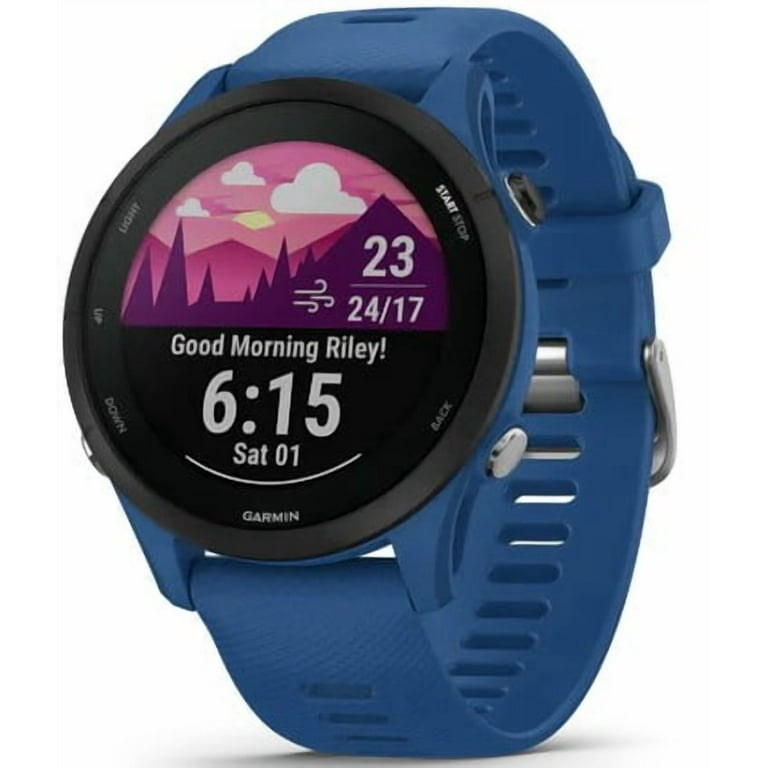
Heart rate spikes and jumps can come from many small issues. The Forerunner 255 uses an optical sensor on the wrist. That sensor reads blood flow with green LEDs. Movement, loose fit, skin tone, sweat, and software glitches can all cause the readings to jump.
Here are the main causes you will see often:
- Motion artifacts. Quick arm movement can confuse the sensor.
- Poor fit. A loose watch lets light leak and gives bad values.
- Dirty lens. Sweat and grime block light paths.
- Firmware bugs. Software can misread or fail to filter spikes.
- Sensor damage. Drops or impacts can degrade the optical module.
- Physiological reasons. Rapid heart rate changes or cold skin can affect accuracy.
When you search how to fix garmin forerunner 255 heart rate readings jumping, start with fit and firmware. Those two steps fix most cases fast.

Quick checks to try first
These steps are fast. Try them before deep troubleshooting.
- Restart the watch. Power it off for 10 seconds, then restart. This clears temporary glitches.
- Update firmware. Open the Garmin Connect app and install any pending updates. Firmware often fixes sensor bugs.
- Clean the sensor. Wipe the sensor with a soft cloth and mild soap if needed. Dry fully before use.
- Check the fit. Wear the watch snugly, with the sensor flat on the skin. It should not slide.
- Try different wrist positions. Move the watch a little higher on the forearm for better contact.
- Disable loose-fit alerts if they confuse you. But only after fixing fit.
If these steps fix the issue, you are done. If not, continue with deeper steps below.
Deep troubleshooting and fixes
When the quick checks fail, go deeper. These steps help identify hardware or software problems.
- Re-pair the watch with the phone
- Unpair and then pair again in the Garmin Connect app. This clears sync and profile issues.
- Reset sensor calibration by performing a soft reset
- Hold the power button and choose restart or use the settings menu to restart. Avoid factory reset unless needed.
- Check heart rate settings
- Make sure wrist heart rate is enabled for activities. Disable optical HR during swims if you use a chest strap.
- Turn off conflicting apps
- Some third-party apps can conflict. Remove or disable recently added apps that access sensors.
- Test with an alternative strap or mount
- If you have a different strap, try it. A damaged or worn strap may not keep the watch steady.
- Inspect the sensor for damage
- Look for cracks, deep scratches, or moisture under the lens. Damage may need professional repair.
- Factory reset only if needed
- Backup your data then perform a factory reset. This can remove persistent firmware corruption.
- Contact Garmin support for hardware diagnostics
- If the sensor still misbehaves, the device may need service or replacement.
I once fixed a persistent jump issue by updating firmware and moving the watch slightly higher. Small changes often solve the most stubborn jumps.

Use an external chest strap when accuracy matters
If you need perfect heart rate data, use a chest strap. Chest straps read ECG and are far more stable than wrist sensors.
- When to use a chest strap
- For interval sessions, races, heart rate variability tracking, and swims.
- How to pair a chest strap
- In the watch settings, go to Sensors & Accessories, choose Add New, then select the chest strap. Follow on-screen pairing steps.
- Best chest strap models and tips
- Use compatible Garmin or ANT+ Bluetooth straps. Wet the electrodes for better connection and ensure the strap is snug on the chest.
If your key concern is how to fix garmin forerunner 255 heart rate readings jumping during hard workouts, a chest strap is the most reliable solution.
Best practices to prevent future heart rate jumps
Consistent routine helps prevent recurring jumps. These habits keep the sensor reading clean and stable.
- Keep the sensor clean after every sweat session
- Wipe it down with a damp cloth and dry it.
- Maintain a snug fit during exercise
- Re-tighten if you switch activities or if the strap stretches.
- Update firmware regularly
- Firmware can add filtering and stability fixes that reduce jumps.
- Avoid extreme wrist wear
- Tight watches over clothing or bands with gaps let light in.
- Use the right strap material
- Silicone and woven straps work well. Leather can stretch with sweat and loosen.
- Warm your skin in cold weather
- Cold skin reduces blood flow and may cause spikes. Warm up first.
Follow these practices and you will cut the chance of heart rate readings jumping on your Forerunner 255.

Troubleshooting checklist — step-by-step
Follow this checklist in order. It moves from easy fixes to deeper fixes.
- Restart the watch and phone.
- Update Garmin Connect and watch firmware.
- Clean the sensor and dry your skin.
- Fit the watch snugly and try higher on the arm.
- Re-pair sensors and disable conflicting apps.
- Test with a chest strap to confirm accuracy.
- Factory reset if all else fails, after backing up data.
- Contact Garmin support for repair or replacement.
Repeat quick checks after any change. I keep this checklist on my phone when I help friends with watch issues.

Frequently Asked Questions of how to fix garmin forerunner 255 heart rate readings jumping
What is the most common fix for heart rate jumps on the Forerunner 255?
The most common fix is a snug fit and a firmware update. Tighten the watch, clean the sensor, and update software to resolve most jumps.
Can motion cause false heart rate spikes?
Yes. Fast arm movements create motion artifacts that confuse the optical sensor. Try a chest strap for high-movement workouts.
How do I know if my sensor is damaged?
Look for cracks, moisture, or persistent errors after resets and updates. If problems persist, contact support for repair or replacement.
Will a factory reset fix heart rate reading problems?
A factory reset can remove software corruption and restore defaults. Backup data first and only reset if other steps fail.
Should I use a chest strap with the Forerunner 255?
Yes, use a chest strap for the most accurate and stable heart rate data during intense workouts or when wrist readings jump.
Does skin tone affect wrist heart rate accuracy?
Yes, darker skin tones can sometimes reduce optical sensor accuracy. Proper fit, placement, and a chest strap help overcome this.
Conclusion
You can fix most cases of how to fix garmin forerunner 255 heart rate readings jumping with a few simple steps. Start with fit, cleaning, and firmware updates. If jumps persist, pair a chest strap, re-pair devices, or contact support. Try the checklist above and make small adjustments until the data looks right.
Take action now: try the quick checks, then move down the checklist if needed. Share your results or questions below and consider subscribing for more device troubleshooting tips.

Rubel Miah is the Senior Editor at MyStyleGrid.com, where he brings a sharp editorial eye and an unshakable love for fashion to everything he does. A true style addict, Rubel lives and breathes trends, from streetwear to high fashion, and has a knack for turning inspiration into impactful stories. With years of experience in fashion journalism and digital media, he curates content that empowers readers to express themselves through style. When he’s not editing features or forecasting the next big thing, you’ll find him hunting down vintage pieces or capturing street style moments around the city.