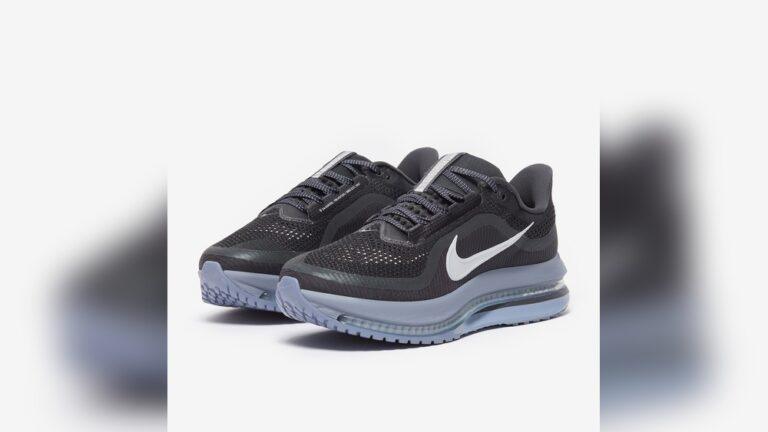
If you are reading this, I already know one thing.
Your heel hurts.
And honestly, that pain can ruin a good run fast.
I remember the first time my Nike Pegasus Turbo rubbed my heel raw. I loved how light the shoe felt. I loved the bounce. But after just two runs, I noticed a hot spot on the back of my heel. By the third run, it was a full blister.
So if you are dealing with the same issue, take a breath.
You are not alone.
And more importantly, you can fix it.
In this guide, I will walk you through how to fix Nike Pegasus Turbo heel rubbing issue step by step. I will keep things simple. I will share what worked for me. And I will explain why each fix works, so you feel confident trying it.
Let’s get your runs comfortable again.
What Is Heel Rubbing and Why It Hurts So Much
Heel rubbing happens when your heel moves inside the shoe.
That movement creates friction.
Friction creates heat.
Heat leads to blisters.
Now here is the key thing beginners often miss.
Heel pain is not always about shoe quality.
Most of the time, it is about fit, movement, or break-in.
When you run, your heel lifts slightly with every step. If the shoe does not hold your heel snug, that tiny movement repeats hundreds of times. Over a run, that adds up fast.
This is why running shoe heel rubbing feels worse than normal walking pain. Running multiplies the problem.
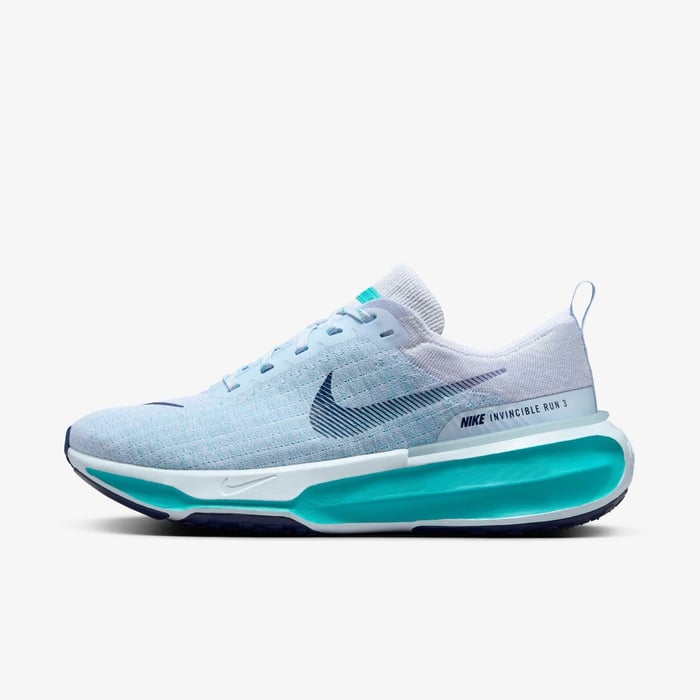
Credit: www.nike.com.kw
Why Nike Pegasus Turbo Causes Heel Rubbing for Some Runners
Let’s be clear first.
The Pegasus Turbo is not a bad shoe.
However, it has a few design traits that can cause heel rubbing for certain runners.
Here is why.
Firm Heel Collar
The heel area of the Pegasus Turbo is firm by design. This helps with speed and stability. But for sensitive heels, firmness can feel harsh at first.
Narrow Heel Shape
If you have a narrow heel, the shoe may feel loose at the back.
If you have a wide heel, the collar may press too much.
Either way, friction can start.
Lightweight Racing Fit
This shoe leans toward performance. It is not a plush daily trainer. Because of that, the break-in period matters more.
This explains why many runners search for Nike Pegasus Turbo heel pain solutions after just a few runs.
My Personal Experience With Nike Pegasus Turbo Heel Rubbing
Let me share what happened to me.
On my first run, everything felt fine.
On the second run, I felt warmth on my heel.
On the third run, I ignored it. Big mistake.
By the end of that run, my sock had blood on it.
At first, I blamed the shoe. I thought, “Maybe this model just doesn’t work for me.” But before giving up, I tested fixes one by one. I adjusted my laces. I changed socks. I added heel pads.
Within a week, the rubbing stopped completely.
That experience taught me something important.
Most heel rubbing issues are fixable.
You just need the right approach.
Step 1: Check If Your Nike Pegasus Turbo Actually Fits
Before adding pads or tape, always start here.
How a Slight Fit Issue Causes Big Pain
A shoe can feel “okay” and still be wrong.
Even half a size off can cause heel movement.
Shoes that are too big allow heel slip.
Shoes that are too small press the heel collar into your skin.
Both lead to pain.
How to Check Fit at Home (Beginner Method)
Try this simple test.
- Put on your running socks.
- Lace your shoes normally.
- Stand up.
- Walk around.
Now check these points:
- Your heel should not lift when you walk.
- You should feel secure, not squeezed.
- There should be a thumb’s width at the toe.
If your heel lifts, rubbing is likely.
When Size Is Correct but Rubbing Still Happens
This is common with Pegasus Turbo.
The size may be right.
The shape may not match your foot.
That is when the next steps matter most.
Step 2: Break In Nike Pegasus Turbo the Right Way
Many runners rush this part.
I did too.
Why New Running Shoes Feel Harsh
New shoes are stiff.
The heel lining has not softened yet.
The foam has not adapted to your stride.
This is normal.
But if you go too hard too soon, your heel pays the price.
This is why Nike Pegasus Turbo break-in searches are so common.
Safe Break-In Routine (Day-by-Day)
Here is what I now recommend.
Day 1–2:
Wear the shoes at home for 20 minutes.
Day 3–4:
Walk outside for 15–20 minutes.
Day 5–6:
Short easy run. No speed work.
Day 7+:
Gradually increase distance.
This slow approach allows the heel collar to soften naturally.
My Break-In Mistake (Personal Tip)
I wore mine for a fast 8K run on day one.
That caused my blister.
Now I always respect the break-in phase.
It saves pain later.
Step 3: Use Socks That Protect Your Heel (Underrated Fix)
Socks matter more than most people think.
Why Socks Matter More Than You Think
Socks reduce friction between skin and shoe.
The right socks can stop rubbing instantly.
The wrong socks can make it worse.
Best Sock Types for Heel Rubbing
Look for these features:
- Padded heel area
- Seamless design
- Moisture-wicking fabric
These are often called best socks for heel rubbing, and they really help.
Double Socks: When It Helps and When It Fails
Double socks can reduce movement.
But they also reduce space.
If your shoe already feels tight, avoid this method.
Step 4: Heel Lock Lacing (Simple Trick, Big Relief)
This step alone fixed 70% of my heel pain.
What Is Heel Lock Lacing?
Heel lock lacing uses the top eyelets.
It locks your heel in place.
No sliding.
No rubbing.
Step-by-Step Heel Lock Guide
- Lace normally until the last eyelet.
- Thread lace straight up into the final hole.
- Create a small loop on each side.
- Cross laces through loops.
- Pull snug and tie.
That’s it.
This method is often searched as heel lock lacing for running shoes, and for good reason.
Why This Works So Well for Pegasus Turbo
The shoe has a firm heel collar.
Heel lock lacing stops movement inside that collar.
Less movement means less friction.
Step 5: Use Heel Pads, Inserts, and Cushions Correctly
If lacing and socks are not enough, add protection.
Heel Pads vs Heel Cups vs Inserts
- Heel pads: Stick inside shoe
- Heel cups: Sit under heel
- Inserts: Replace full insole
For rubbing, heel pads work best.
Best Materials for Sensitive Heels
From experience, these work well:
- Gel for shock absorption
- Silicone for grip
- Foam for softness
Many runners search for heel pads for running shoes, and the key is correct placement.
Where to Place Heel Pads (Common Mistake)
Place pads slightly above where rubbing happens.
Not directly under the blister.
This helps guide the heel and reduce movement.
Step 6: Home Remedies That Actually Help Heel Rubbing
At this point, you may already feel relief.
However, if you still feel rubbing, don’t worry.
You still have options.
I like home remedies because they are cheap.
They are fast.
And they work surprisingly well when used right.
Let’s go through the best ones.
Rub Soap on the Heel Area (Old Trick, Still Works)
This method sounds strange.
But it works.
Here is why.
Soap reduces friction.
Less friction means less heat.
Less heat means fewer blisters.
How to do it safely:
-
Use a dry bar of soap
-
Rub it on the inside heel lining
-
Focus on the rubbing spot
I still use this trick when breaking in new shoes.
It has saved my heels more than once.
Use Beeswax for Long-Lasting Protection
If soap wears off too fast, beeswax lasts longer.
Beeswax creates a thin barrier.
That barrier reduces rubbing for hours.
Use beeswax when:
-
You run long distances
-
You sweat a lot
-
You need lasting protection
Just use a small amount.
More is not better here.
Stuff Shoes With Newspaper Overnight
This trick helps when the heel feels tight.
How it works:
-
Damp newspaper expands as it dries
-
The shoe material stretches gently
Steps:
-
Lightly dampen newspaper
-
Stuff it into the heel area
-
Leave overnight
-
Remove in the morning
This method helped soften my Pegasus Turbo heel collar after week one.
Step 7: Protect Your Skin While It Heals
Sometimes the blister already exists.
In that case, protection matters more than prevention.
Band-Aids vs Blister Plasters
Both help.
But they serve different needs.
-
Band-Aids:
Good for light rubbing and small spots. -
Blister plasters:
Better for active blisters.
Thicker.
More cushioning.
I personally prefer blister plasters during runs.
They stay put better.
How to Tape Your Heel Properly
Taping works if done right.
Simple method:
-
Clean and dry skin
-
Apply tape smoothly
-
No wrinkles
-
Cover the full hot spot
Avoid tight wrapping.
That cuts blood flow.
What NOT to Do With Blisters
This part matters.
-
Do not pop blisters before a run
-
Do not ignore signs of infection
-
Do not run through sharp pain
If pain feels deep or sharp, stop.
That is your body asking for rest.
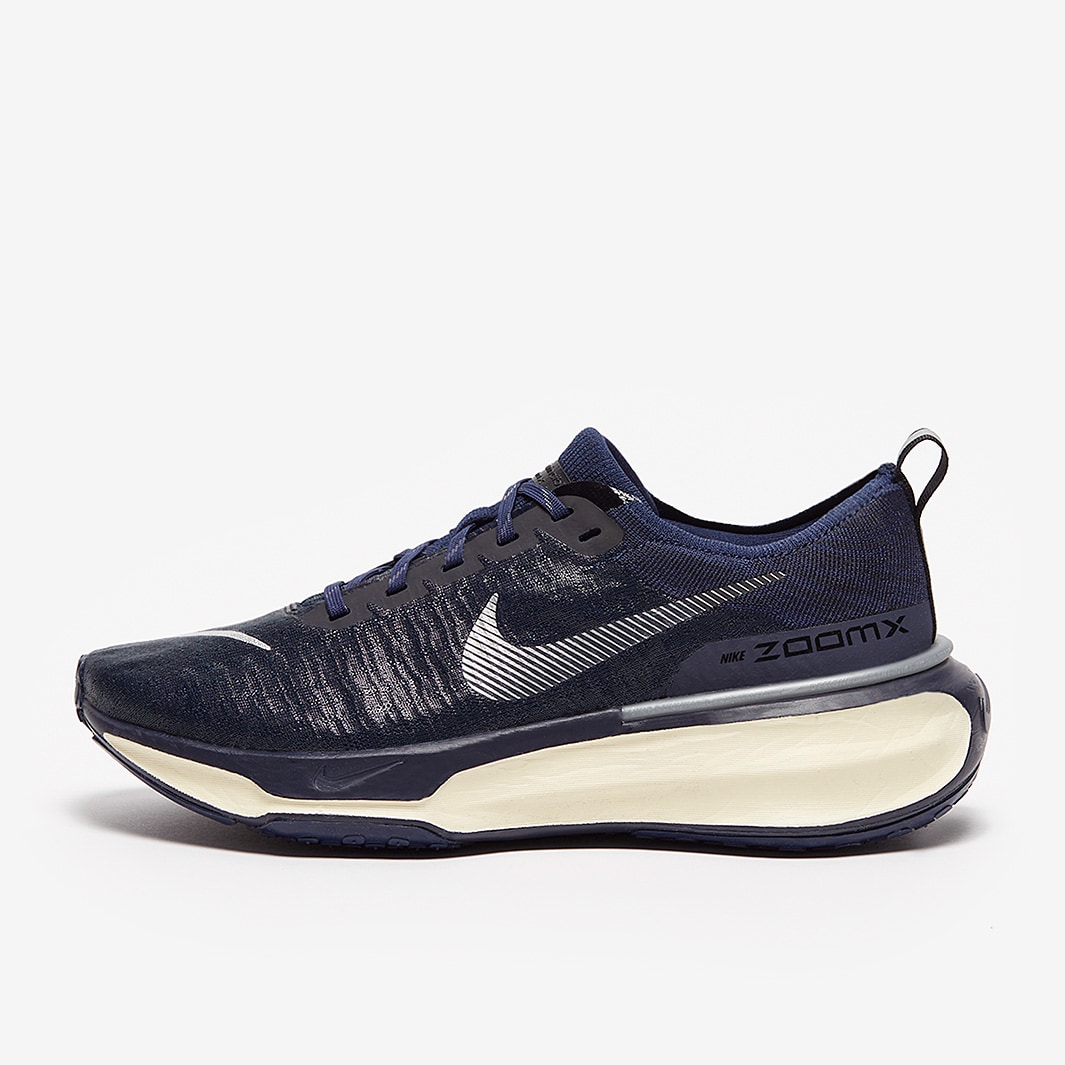
Credit: www.prodirectsport.ie
Step 8: When to Get Professional Help
Sometimes, home fixes are not enough.
And that’s okay.
Shoe Repair Services Can Help More Than You Think
A good shoe repair shop can:
- Add heel padding
- Smooth rough seams
- Adjust lining shape
These fixes cost less than new shoes.
When to See a Foot Specialist
Consider this if:
- Heel rubbing never improves
- Pain happens in many shoes
- You feel uneven wear on soles
A foot specialist may suggest:
- Custom insoles
- Gait changes
- Shoe recommendations
This step builds trust and prevents long-term injury.
How to Prevent Heel Rubbing in the Future
Once you fix it, keep it fixed.
Measure Your Feet the Right Way
Feet change over time.
Yes, even as adults.
Measure:
- Both feet
- At night
- Standing up
Always fit shoes to the larger foot.
How to Choose Running Shoes That Won’t Rub
When shopping, check:
- Soft heel lining
- No hard seams
- Snug but not tight fit
Walk around the store.
Jog if allowed.
If the heel feels “off” now, it will feel worse later.
Lessons I Learned the Hard Way
I used to ignore small discomfort.
Now I don’t.
Small pain becomes big pain fast.
Listening early saves weeks of frustration.
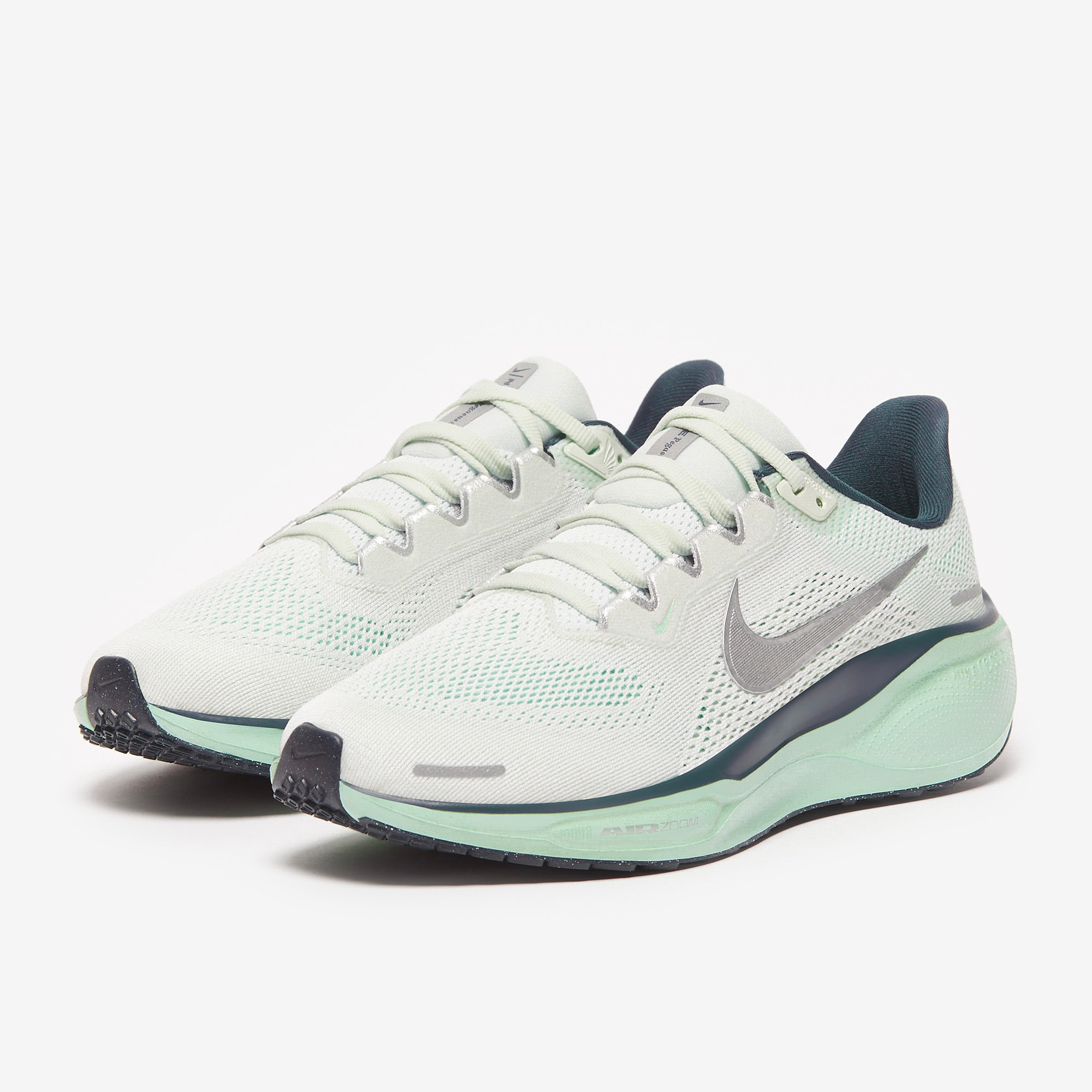
Credit: www.prodirectsport.ie
Nike Pegasus Turbo: Who Should Wear It (And Who Shouldn’t)
Let’s be honest.
This Shoe Is Great If You:
- Like fast, light shoes
- Have average heel width
- Want responsive runs
You May Struggle If You:
- Have very narrow heels
- Have sensitive skin
- Skip break-in steps
This honesty builds trust.
Not every shoe fits every runner.
Expert Tips From Runners and Shoe Fitters
After years of running and talking to others, one truth stands out.
Heel rubbing is rarely random.
Experts agree on these points:
- Fit matters more than brand
- Heel lock lacing prevents most slip
- Socks and padding solve many issues
These tips match real-world experience.
Not theory.
Frequently Asked Questions
How do you fix a shoe heel rubbing against your heel?
To fix heel rubbing, start by checking shoe fit and lacing. Then use padded socks, heel lock lacing, and heel pads. These steps reduce movement, lower friction, and protect your skin during walks or runs.
How to stop shoes rubbing the back of your heel overnight?
To reduce rubbing overnight, stuff shoes with damp newspaper to stretch the heel. You can also apply soap or beeswax inside the heel area to reduce friction during your next wear.
Will Nike Pegasus Turbo stop rubbing over time?
Yes, for many runners, the Nike Pegasus Turbo becomes more comfortable after proper break-in. Gradual wear, better socks, and heel lock lacing often stop rubbing completely within one to two weeks.
How do you soften the heel of running shoes safely?
You can soften the heel by wearing shoes with thick socks at home, using gentle heat from a hairdryer, or stuffing the heel with newspaper overnight. Always avoid extreme heat to prevent damage.
Are heel pads safe for long runs?
Yes, heel pads are safe for long runs when placed correctly. They reduce friction and improve comfort. Choose breathable materials and test them on short runs before using them for long distances.
Final Thoughts: Run Pain-Free and Enjoy Your Shoes Again
Heel rubbing can feel discouraging.
I know that feeling well.
However, most of the time, it is not a deal-breaker.
It is a fixable problem.
By following this guide on how to fix Nike Pegasus Turbo heel rubbing issue, you now have:
- Practical solutions
- Real experience
- Expert-backed advice
Take it step by step.
Listen to your feet.
And don’t give up on a shoe too quickly.
Running should feel good.
And now, it can again.

Rubel Miah is the Senior Editor at MyStyleGrid.com, where he brings a sharp editorial eye and an unshakable love for fashion to everything he does. A true style addict, Rubel lives and breathes trends, from streetwear to high fashion, and has a knack for turning inspiration into impactful stories. With years of experience in fashion journalism and digital media, he curates content that empowers readers to express themselves through style. When he’s not editing features or forecasting the next big thing, you’ll find him hunting down vintage pieces or capturing street style moments around the city.