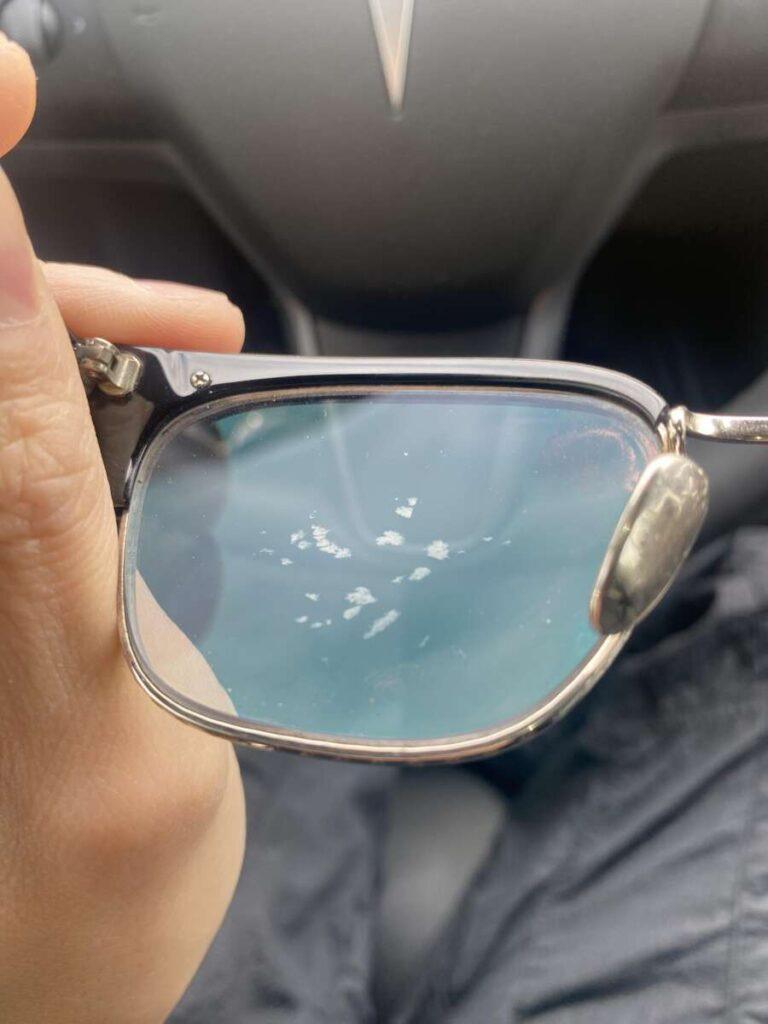
Clean gently, stop further peeling, and decide between DIY recoat or professional replacement.
I’ve fixed dozens of scratched and peeling lenses for friends and clients, so I know exactly how to fix peeling coating on sunglasses lenses without making things worse. In this guide I walk you through why coatings fail, how to check the damage, safe DIY fixes, when to see a pro, and smart prevention tips. Read on to learn step-by-step methods that protect your eyes, save money, and help you make the best call for your sunglasses.

Why lens coatings peel
Lens coatings are thin films. They add anti-reflective, mirror, or scratch-resistant properties. These layers can peel when they are damaged, aged, or exposed to harsh chemicals or heat. Poor manufacturing or ozone and UV breakdown also speed up failure.
Common causes of peeling include:
- Harsh cleaners and household chemicals that dissolve adhesives
- Rubbing with abrasive cloths or tissues
- Exposure to high heat, like leaving sunglasses on a car dash
- Saltwater or sweat buildup without rinsing
- Low-quality coatings or poor adhesion at the factory
Understanding causes helps you avoid repeat problems and choose the right repair. When you know how to fix peeling coating on sunglasses lenses, you also learn how to stop it from happening again.
How to assess peeling and damage
Start with a good look. Hold lenses under bright, indirect light. Tilt them and check for:
- Small flakes lifting at the edge
- Large patches of haze or clouding
- Mirror film lifting or bubbling
- Scratches deep enough to reach the plastic or glass beneath
Decide on the fix by asking:
- Is the peel cosmetic or affecting vision?
- Are both lenses affected or just one?
- Are frames warped or is the lens loose?
If the peeling sits at edges only and vision is clear, a protective fix may work. If vision is affected or peeling is widespread, replacement is usually better. I once tried to recoat a heavily delaminated mirror lens; it looked worse and scratched faster. That taught me to assess conservatively.

DIY fixes for peeling coating on sunglasses lenses
DIY can help when peeling is minor and mainly cosmetic. Work slowly and test on one lens. Always use soft gloves and a clean, dust-free area.
Cleaning first — gentle and safe
- Rinse lenses with lukewarm water to remove grit.
- Apply a small drop of mild dish soap. Rub with your fingertips in circular motions.
- Rinse and pat dry with a microfiber cloth. Do not rub peeling areas hard.
This step removes debris that can worsen peeling and helps reveal the true extent of the problem. Avoid window cleaners or alcohol-based wipes—they often strip coatings.
Temporary fixes for small edge peeling
-
Clear nail polish for tiny edge lifts
- Apply a very small drop to the lifted edge with the brush.
- Wipe away excess quickly with a soft cloth.
- Let it cure flat for 24 hours before wearing.
- This seals the edge and prevents further lifting but may be visible.
-
UV-cure adhesives
- Use adhesives designed for optics or jewelry.
- Apply a pin-drop amount to the peeled area.
- Cure with the included UV lamp per instructions.
- These adhesives are clearer and more durable than nail polish.
Re-coating kits and protective films
- Anti-reflective re-coating kits exist for hobbyists. They require careful prep and cleanroom-like conditions and often give mixed results. Use only if peeling is small and you accept cosmetic mismatch.
- Clear protective films can cover affected areas. Trim to shape and apply slowly to avoid trapped bubbles. Films protect and hide peeling but change the feel and optical clarity slightly.
When cleaning, sealing, or coating, follow steps slowly. Quick fixes save a pair of sunglasses but can’t restore factory performance. I used a UV-cure adhesive once on a client’s sports sunglasses. It lasted two seasons and prevented a costly replacement.

When to seek professional repair or replacement
Professional repair is the right choice when:
- Vision is affected or the peeling sits in the central visual field
- Both lenses are peeling significantly
- The sunglasses are expensive or prescription lenses
- Frames are warped or lenses no longer fit securely
Optical labs can:
- Strip and recoat lenses, sometimes matching the original finish
- Replace lenses if the substrate is compromised
- Re-fit lenses to frames
Expect costs. Recoating can rival or exceed replacement price for cheap sunglasses. For prescription or high-end frames, professional repair often preserves optical quality. Be transparent with the lab about coating type and manufacturer if known.

Preventive care to avoid future peeling
Good habits extend the life of coatings. Make these routines part of daily use:
- Clean lenses with water and mild soap. Dry with microfiber cloth.
- Store sunglasses in a stiff case when not in use.
- Avoid leaving sunglasses on hot dashboards or in direct sun inside cars.
- Rinse with fresh water after swimming in saltwater or chlorinated pools.
- Use cleaning products designed for eyewear. Avoid household glass cleaners and alcohol.
A small habit change prevents most peeling. I now advise every client to carry a travel microfiber and to never toss sunglasses loose into bags. This stops abrasion and reduces coating failure.
Quick questions people ask (PAA-style)
How long do lens coatings last?
Lens coatings typically last several years with proper care, but poor handling and chemicals can shorten life to months.
Can I recoat lenses at home?
You can attempt a hobby recoat, but results vary. Recoating at home requires steady technique and may not match factory optics.
Is peeled coating harmful to my eyes?
Peeled coating is rarely harmful but can reduce clarity and cause glare. If vision is affected, get lenses repaired or replaced.
Frequently Asked Questions of how to fix peeling coating on sunglasses lenses
What causes the coating to peel from sunglasses?
Coatings peel from heat, chemicals, abrasion, and poor adhesion from manufacturing. Salt, sweat, and household cleaners are common culprits.
Can I use clear nail polish to fix peeling coating on sunglasses lenses?
Yes, for tiny edge lifts only. Nail polish seals edges but can be visible and isn’t optically perfect.
Will professional recoating restore my lenses to like-new condition?
Professional recoating can restore appearance and reduce glare, but optical match to the original is not guaranteed.
How much does professional repair or recoating usually cost?
Costs vary widely. Expect modest fees for simple repairs and higher prices for premium or prescription lenses—sometimes approaching replacement cost.
Should I try to peel off all the damaged coating before fixing?
No. Peeling it off can scratch the base lens. Stabilize edges, clean gently, and consult a pro for large delamination.
Is it worth repairing cheap sunglasses that have peeling coating?
Usually not. For low-cost sunglasses, replacement often makes more sense than investing in extensive repairs.
Conclusion
Minor peeling can often be managed with gentle cleaning, edge sealing, or a protective film, while widespread or vision-impacting peeling calls for professional repair or replacement. Use careful assessment and start with the least invasive fix. Protect your investment by adopting simple daily habits and storing sunglasses properly.
Take action today: check your lenses, try safe cleaning first, and decide whether a DIY seal or pro service fits your situation. If this guide helped, leave a comment, share your experience, or subscribe for more practical eyewear tips.

Rubel Miah is the Senior Editor at MyStyleGrid.com, where he brings a sharp editorial eye and an unshakable love for fashion to everything he does. A true style addict, Rubel lives and breathes trends, from streetwear to high fashion, and has a knack for turning inspiration into impactful stories. With years of experience in fashion journalism and digital media, he curates content that empowers readers to express themselves through style. When he’s not editing features or forecasting the next big thing, you’ll find him hunting down vintage pieces or capturing street style moments around the city.