Repair peeling leather on shoes by cleaning, sanding, filling, dyeing, and sealing for lasting results.
I’ve worked on dozens of worn shoes and restored many that looked beyond saving. In this guide I’ll walk you through exactly how to fix peeling leather on shoes, from diagnosing the cause to choosing the right filler, dye, and sealant. You’ll learn step-by-step methods for light surface peeling and for deeper layer damage, tips I’ve learned from hands-on repairs, and clear signs when a shoe should be replaced or handled by a pro. Read on to save your favorite pairs and avoid common mistakes.
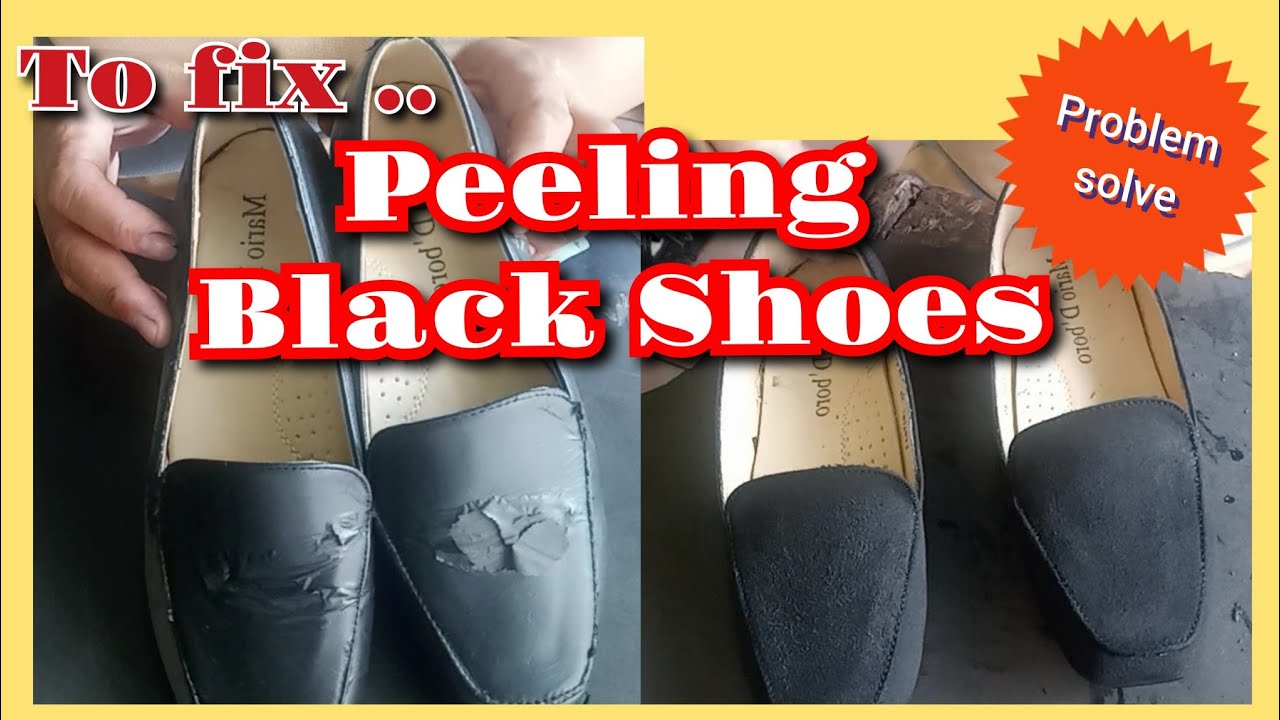
Why leather peels on shoes: causes and what it means
Leather and leather-like materials peel for a few clear reasons. Genuine leather rarely flakes like coating or bonded leather. Most peeling comes from a surface finish failing rather than the hide itself. Common causes include:
- Coated or bonded leather wearing through its top layer
- Cheap or thin finishes that crack with flex and moisture
- Repeated moisture, heat, or UV exposure that weakens the finish
- Poor adhesives or manufacturing defects on bonded leather
- Abrasion and friction over high-wear zones
Knowing why your shoes peel helps decide how to fix them. If the actual leather fiber is intact, repair and repainting are usually worth it. If layers of bonded material are delaminating, replacement may be the better option.

Assessing the damage: decide if repair is possible
Start by checking the depth and spread of peeling. Use these quick checks:
- Surface flakes that lift but leave solid base leather underneath are repairable.
- Deep cracking where material separates in chunks suggests structural failure.
- Soft, spongy underlayers indicate bonded leather; expect limited success.
- Large areas of complete top-layer loss may require re-covering or replacement.
If you can press gently and feel firm leather below the peeled area, proceed. If the material crumbles or multiple layers separate, plan for more intensive repair or a new pair.
Tools and materials you’ll need
Collect these items before you start. Simple tools make a big difference.
- Soft cloths and a small brush for cleaning
- Mild leather cleaner or gentle soap and water
- Fine sandpaper (400–600 grit) or sanding sponge
- Isopropyl alcohol for degreasing
- Leather filler or flexible epoxy putty for shoes
- Flexible leather paint or water-based dye that matches color
- Clear flexible leather sealant or finish
- Small palette knife or applicator, foam brush, and cotton swabs
- Masking tape to protect soles and hardware
- Optional: leather conditioner and edge coat for midsoles
Use products labeled for leather repair where possible. I’ve found that flexible fillers and water-based dyes stick better and remain flexible through shoe flexing.

Step-by-step: how to fix peeling leather on shoes (surface peeling)
This approach works when the leather beneath is intact and the top finish is peeling in flakes.
- Clean the shoe
- Wipe dirt off with a damp cloth. Use mild soap or leather cleaner for grime.
- Let shoes dry fully. Clean surfaces bond better when dry and oil-free.
- Remove loose flakes
- Gently lift away any loose finish with a soft brush or fingernail.
- Avoid tearing healthy leather; only remove unstable bits.
- Lightly sand the area
- Use 400–600 grit sandpaper to scuff the surrounding finish. Sand until edges feel smooth.
- Keep strokes light and even to avoid gouging.
- Degrease and prep
- Wipe the sanded area with isopropyl alcohol on a cloth. Let it evaporate.
- Mask off areas you won’t paint.
- Apply flexible leather filler
- Use a small amount of filler to level shallow gaps and tiny cracks.
- Smooth with a palette knife. Let it cure fully, following product instructions.
- Sand and smooth
- Once cured, sand the filler lightly until flush and smooth to touch.
- Apply color
- Use a thin layer of leather paint or dye. Apply several light coats rather than one heavy coat.
- Allow each coat to dry fully between passes.
- Seal the repair
- Finish with a flexible leather sealant. Apply thin, even coats and cure per instructions.
- Condition and polish
- After sealing, use a leather conditioner on surrounding areas to restore suppleness.
I once restored a pair of dress shoes with small patches of peeling near the heel. Following these steps, they looked nearly new after two evenings of work.

Fixing deeper peeling and cracks
For peeling that shows multiple layers or deeper separation, use a stronger approach.
- Evaluate structural integrity first. If the lining or stitching is damaged, consider professional repair.
- Use a flexible epoxy putty for gaps deeper than a few millimeters. Apply in thin layers, letting each cure before adding more.
- Reinforce edges with a thin mesh or fabric patch under the filler if a large area is missing.
- After filling and sanding, use a leather primer if recommended by the filler or paint maker. Then dye and seal as above.
Deeper repairs take longer to dry and may require patience. Expect color matching to be harder on large restored areas.

Recoloring and finishing tips that last
Color matching is key for visible repairs. Keep these tips in mind.
- Test dyes on a hidden area first to check match and adhesion.
- Use thin coats and build color gradually. Heavy coats crack.
- Match sheen. Matte dye on a glossy shoe will look off. Use finishing products to adjust gloss.
- Apply a flexible topcoat designed for leather. Shoe flexing breaks rigid finishes.
- Allow at least 24–48 hours cure time before wearing repaired shoes to prevent scuffing.
When I matched a dark brown boot, I mixed two dyes to hit the exact tone. Small test swatches saved me from over-applying paint.
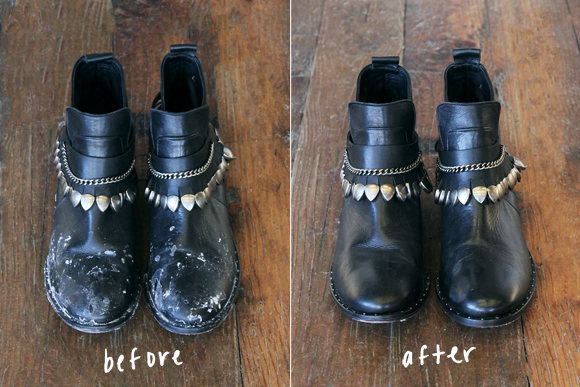
Preventive care: stop peeling before it starts
Prevention keeps shoes intact and reduces the need to learn how to fix peeling leather on shoes again.
- Clean shoes regularly and condition genuine leather monthly.
- Avoid prolonged sun and heat exposure. Heat dries finishes and causes cracking.
- Use protectors and sprays designed for leather to add a water-resistant layer.
- Rotate shoes so each pair gets time to dry and rest between wears.
- Repair small chips early before they expand.
A little care after each wear can add months or years to the life of your shoes.

When to consult a professional or replace the shoes
Some cases are best left to pros or ended with replacement.
- Large areas of bonded leather delamination often cannot be fully restored.
- Structural damage to lining, soles, or stitching needs a cobbler.
- High-value or antique shoes may require specialist restoration.
- If repairs exceed the shoe’s resale or sentimental value, replacing them is sensible.
I send leather-laced boots to a specialist when stitching is compromised. A pro can also refinish tricky textures and exotic hides.

Quick questions people ask (PAA-style)
Will shoe glue stop peeling leather?
Glue can hold down loose flakes temporarily but won’t restore flexible finish. Use it only to secure edges before filling and repainting.
Is peeling leather the same as cracked leather?
Not always. Peeling usually means the finish has detached. Cracks may be in the finish or the leather itself and need different fixes.
Can I use regular paint on peeling leather?
Regular craft paint often cracks on shoes. Use flexible leather paint or water-based dyes made for footwear.
Frequently Asked Questions of how to fix peeling leather on shoes
How long does a typical repair take?
Small surface repairs take a few hours over one or two days because layers need drying; deep repairs may span several days for curing.
Can bonded leather be fixed?
Bonded leather can be patched and painted, but repairs are often cosmetic and may not be long-lasting.
Will sanding ruin the leather?
Light sanding of the finish is safe if done gently. Avoid heavy sanding into the hide itself.
What’s the best sealant for repaired leather shoes?
Choose a flexible, water-based leather sealer made for footwear. It will move with the shoe without cracking.
How often should I condition leather shoes to prevent peeling?
Condition genuine leather once a month with a quality conditioner. Avoid over-conditioning which can soften adhesives in bonded materials.
Is it worth repairing cheap shoes?
If the shoe is inexpensive and damage is widespread, replacement may be more practical. Repair is best for favorite or higher-value pairs.
Conclusion
You can rescue many pairs by learning how to fix peeling leather on shoes with simple, patient steps: clean, remove loose finish, fill, dye, and seal using products meant for leather. Small fixes save money and cut waste. Start with an honest assessment, use flexible materials, and protect your work with a proper topcoat. Try these methods on one shoe first, and if it holds up, tackle the pair. If you found this helpful, leave a comment about your repair project or subscribe for more shoe-care guides.

Rubel Miah is the Senior Editor at MyStyleGrid.com, where he brings a sharp editorial eye and an unshakable love for fashion to everything he does. A true style addict, Rubel lives and breathes trends, from streetwear to high fashion, and has a knack for turning inspiration into impactful stories. With years of experience in fashion journalism and digital media, he curates content that empowers readers to express themselves through style. When he’s not editing features or forecasting the next big thing, you’ll find him hunting down vintage pieces or capturing street style moments around the city.