Source inventory through wholesalers, brands, liquidation, consignment, and local makers for varied, profitable shoe stock.
I’ve run retail and worked with suppliers for years, so I know what works when you wonder how to get inventory for shoe store. This guide walks you through every practical route to build reliable stock. You’ll learn sourcing channels, ordering steps, negotiation tactics, inventory planning, and mistakes to avoid. Read on for clear, actionable steps to get the right shoes, at the right price, and at the right time.

Understanding inventory basics for a shoe store
Inventory is the lifeblood of a shoe store. It is the mix of styles, sizes, and brands you stock. Good inventory means happy customers and steady sales. Poor inventory means missed sales and aging stock.
Key inventory concepts to know:
- Stock keeping unit (SKU) — a code for each size, color, or style.
- Turnover rate — how fast an item sells in a set time.
- Lead time — the time from ordering to receiving stock.
- Safety stock — extra pairs kept to avoid stockouts.
Why this matters when you consider how to get inventory for shoe store:
- You must balance variety with depth by size.
- You need suppliers who can meet lead time and MOQ (minimum order quantity).
- Forecasting and reorder points cut costs and lost sales.
Where to source inventory for a shoe store
There are many channels. Each has pros and cons. Pick a mix to reduce risk.
Manufacturers and brands
- Direct brand accounts — best for name brands and stable supply. Expect higher MOQ and better margins on branded items.
- Private label manufacturers — you control design and margin. Good for unique lines and brand building.
Distributors and wholesalers
- National distributors — offer many brands under one roof. Good for small shops that need variety.
- Local wholesalers — faster delivery and easier negotiation.
Liquidation and closeouts
- Liquidators — buy overstock or discontinued lines at deep discounts. Great for bargain bins and margin boosts.
- Auction houses and pallet sales — risky but high reward if you know how to sort and grade.
Consignment and local makers
- Consignment agreements — you pay when items sell. Low risk but share margin with consignors.
- Local designers and cobblers — unique stock and local appeal. Helps build a community brand.
Online marketplaces and B2B portals
- B2B platforms, trade portals, and wholesale marketplaces — fast way to compare prices and MOQ.
- Attend virtual trade shows and use verified supplier networks.
Trade shows and buying trips
- Trade shows — meet reps, inspect samples, and place seasonal orders.
- Factory visits — negotiate terms and quality directly; ideal if you plan private label.
How to pick channels
- Start with a mix: some branded wholesale, some private label, and one low-risk source like consignment.
- Test small runs before committing to big orders.
- Build a supplier scorecard: reliability, quality, margin, lead time, and flexibility.
How to choose what inventory to order
Choosing stock is both art and math. Follow a clear process.
- Know your customer
- Track past sales and observe shoppers. Which styles and sizes sell fast?
- Define your niche—athletic, casual, work, fashion, kids, or orthotic.
- Use sales data and trends
- Start with best sellers and staple sizes.
- Watch fashion cycles and seasonal demand.
- Keep a small test budget for trend items.
- Plan sizes and depth
- Most shoe sales cluster in a few sizes. Order more of those sizes.
- Keep at least 2–3 pairs per popular size for each style at launch.
- Balance newness and staples
- Staples: trusted brands and classic styles for steady cash flow.
- New items: fresh designs to attract repeat customers.
- Consider margins
- Higher markup items fund promotions.
- Track gross margin per SKU and prioritize profitable lines.

Ordering process and negotiation tactics
A smooth ordering process reduces headaches and cost.
Steps to order
- Confirm demand with quick sales or pre-orders.
- Request samples for new suppliers.
- Agree on MOQ, lead time, payment terms, and return policy.
- Place a trial order before scaling.
Negotiation tips
- Ask for tiered pricing based on volume.
- Negotiate payment terms: net 30 or consignment can help cash flow.
- Bundle styles or seasons to meet MOQ.
- Use data to show predictable reorder needs; suppliers value reliable buyers.
Documentation and quality control
- Insist on clear packing lists and SKU labeling.
- Include quality inspection clauses for larger orders.
- Use photos and checklists when receiving shipments.

Managing inventory and forecasting
Good management prevents overstock and stockouts.
Inventory methods
- FIFO (first in, first out) to avoid aging stock.
- JIT (just in time) for fast-moving basics if suppliers are reliable.
- Safety stock calculations based on lead time and variability.
Forecasting basics
- Use simple rolling forecasts based on last 12 months or comparable seasons.
- Adjust for promotions, local events, and economic shifts.
- Reorder when stock hits your reorder point, not when it runs out.
Tools and systems
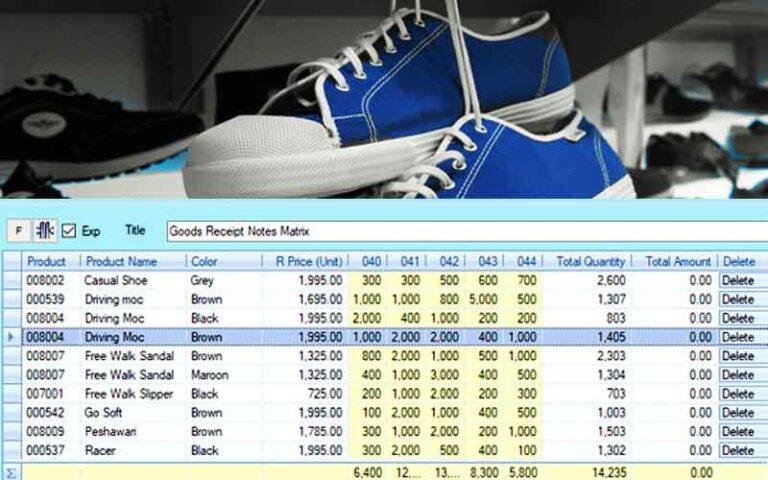
- Start with a spreadsheet if you’re small.
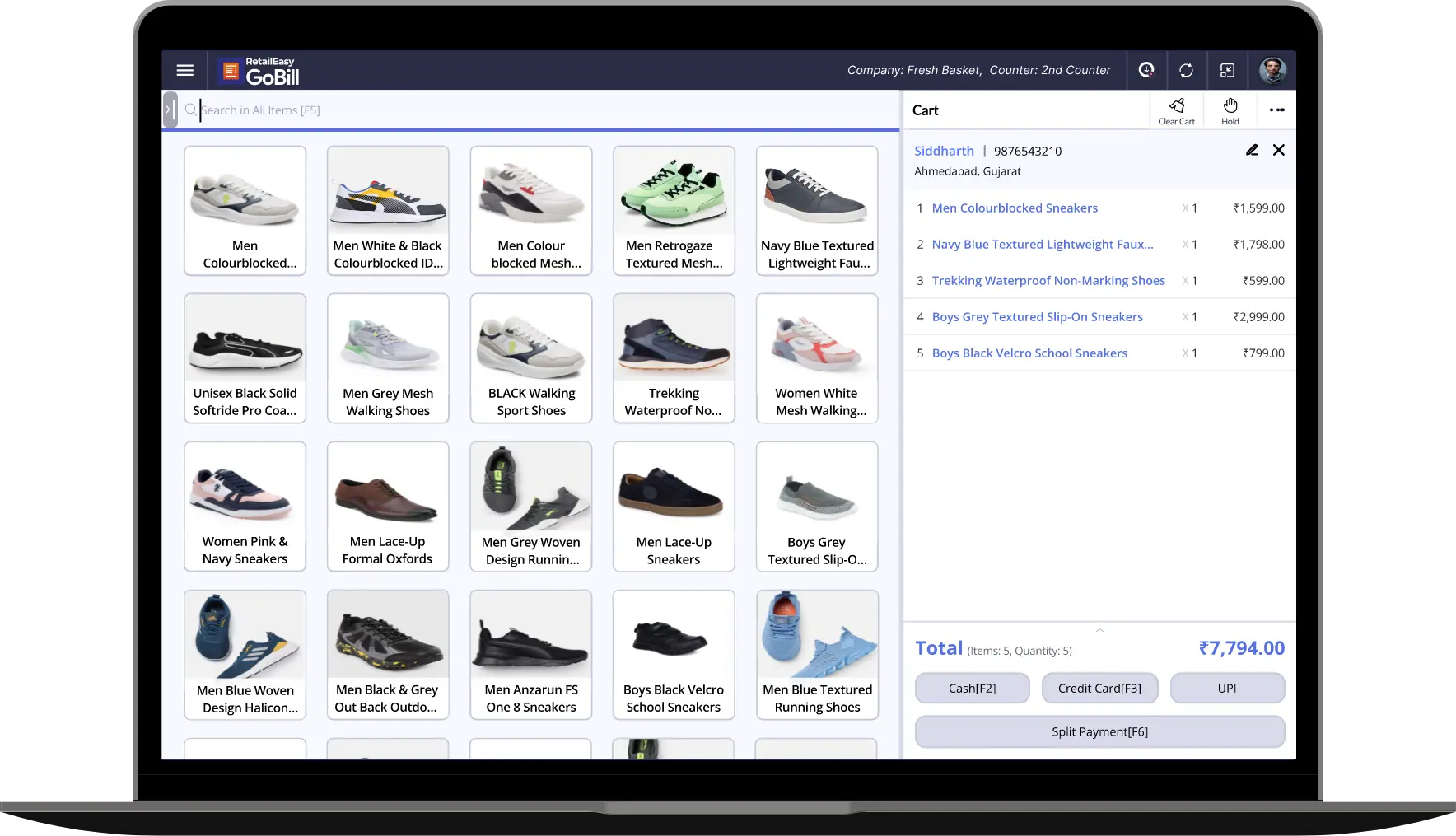
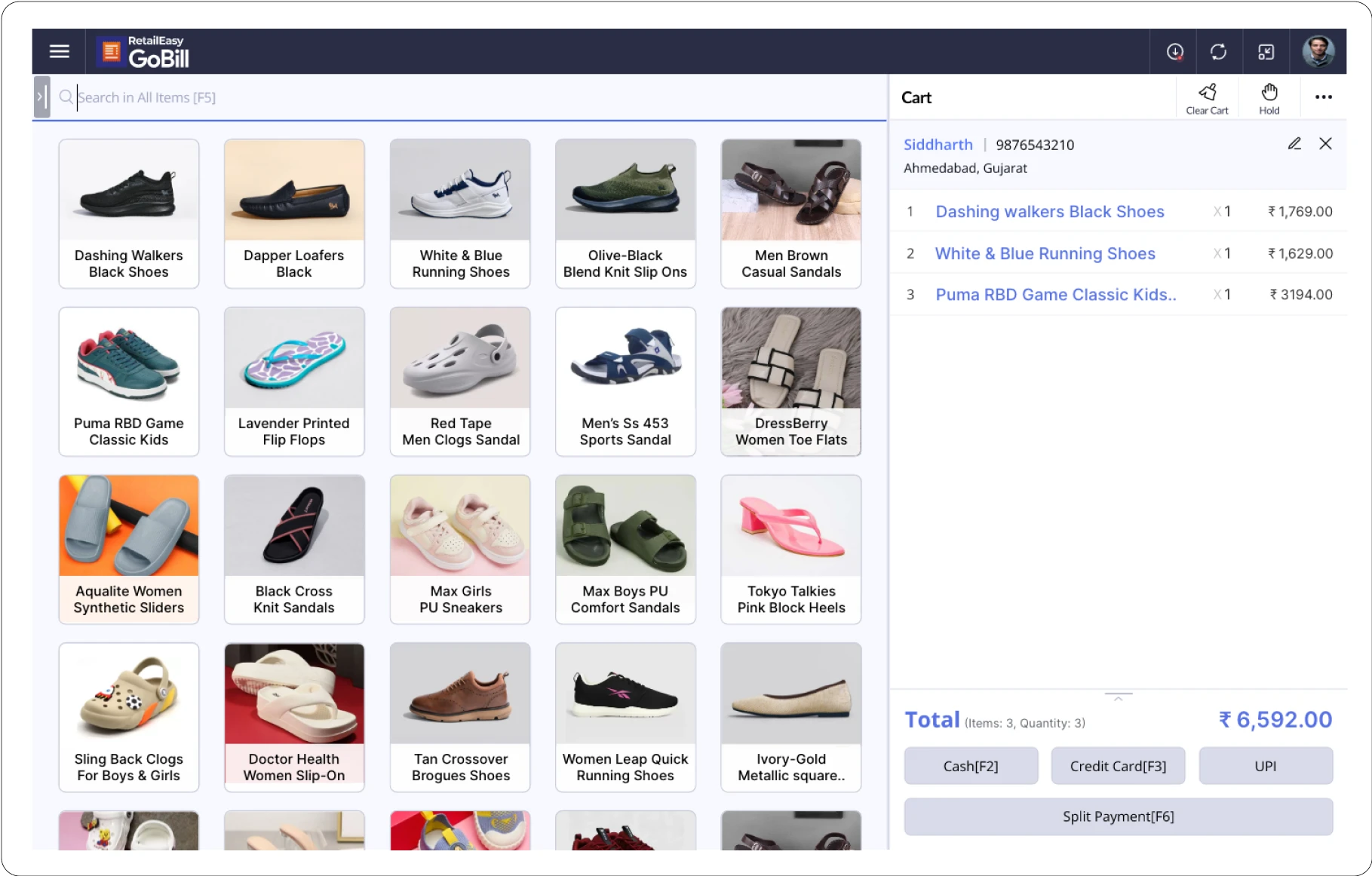
- Move to POS-integrated inventory software as you grow.
- Use barcode scanning to reduce errors.
Returns and unsold stock strategies
- Offer store credit for slow-moving styles.
- Run targeted promotions for seasonal clearouts.
- Sell unsold items to liquidation channels if needed.
Pricing, margins, legal, and compliance
Pricing influences buying decisions and profitability.
Pricing strategies
- Keystone pricing (double cost) for a simple margin rule.
- Tiered pricing based on brand recognition and perceived value.
- Dynamic pricing for online channels based on demand.
Margin and cost control
- Track landed cost: item + shipping + duty + handling.
- Factor in shrinkage and returns in margin calculations.
Legal and compliance
- Ensure trademarks and authenticity for branded shoes.
- Follow import rules and tariffs if sourcing overseas.
- Keep clear contracts with consignment partners and suppliers.

Personal experience, lessons learned, and tips
I opened a small shop and learned fast about how to get inventory for shoe store. Early mistakes taught me key lessons.
Lessons I learned
- Don’t buy blind—always request samples first. A shoe that looks good online may not fit local customers.
- Start small with new lines. I once overordered a trendy style that didn’t convert.
- Build relationships. Suppliers who know you will bend terms when you need faster restock.
Practical tips
- Use pre-orders for limited drops to gauge demand.
- Keep a mix of proven sellers and small quantities of new styles.
- Invest in a simple inventory system early to avoid manual errors.

People also ask
What is the cheapest way to get shoe inventory?
- Buying liquidation lots and working with local manufacturers can be cheapest, but quality varies. Use samples to check fit and condition.
How many styles should a new shoe store start with?
- Start with 30–60 styles covering core categories and sizes. Increase range as you learn what sells.
Can I source shoes internationally for better margins?
- Yes, sourcing internationally often lowers unit cost but adds lead time and import complexity. Factor in duties and quality checks.
Is consignment a good option for new stores?
- Consignment reduces upfront cost and risk. It may limit margin but helps test brands.
Should I buy branded or private label shoes first?
- Branded items attract customers early. Private label offers better margins once you know your market.

Frequently Asked Questions of how to get inventory for shoe store
How do I start sourcing if I’m new to retail?
Begin with local wholesalers and consignment partners. Test a few styles, track sales, then expand to brands and manufacturers.
What minimum order quantities should I expect?
MOQs vary by supplier. Expect small MOQs for local makers and higher MOQs for international factories. Negotiate trial runs.
How do I handle returns and defects?
Set clear supplier return terms before ordering. Inspect shipments promptly and document defects with photos and reports.
How often should I reorder inventory?
Reorder based on sales velocity and lead time. Fast sellers may need weekly reorders; slow items quarterly.
Can I mix online and in-store inventory?
Yes. Use unified inventory software to prevent double-selling. Allocate stock between channels to match demand.
Conclusion
Getting inventory for a shoe store is a step-by-step process. Start with clear customer insight. Mix suppliers: brands, wholesalers, liquidation, and local makers. Use samples, test small, and track data to scale smartly. Build strong supplier relationships and use simple systems to manage stock. Take action today: audit current stock, list 3 new suppliers to contact, and set a small trial order. Share your progress or questions below and consider subscribing for more retail tips.

Rubel Miah is the Senior Editor at MyStyleGrid.com, where he brings a sharp editorial eye and an unshakable love for fashion to everything he does. A true style addict, Rubel lives and breathes trends, from streetwear to high fashion, and has a knack for turning inspiration into impactful stories. With years of experience in fashion journalism and digital media, he curates content that empowers readers to express themselves through style. When he’s not editing features or forecasting the next big thing, you’ll find him hunting down vintage pieces or capturing street style moments around the city.