Are your shoes slipping off or causing uncomfortable rubbing around your heels? If you’ve ever wished for a simple fix to keep your feet locked in place and pain-free, you’re in the right spot.
Learning how to heel lock your shoes can transform your comfort, improve your performance, and prevent blisters. In this guide, you’ll discover an easy technique that anyone can use to make your shoes feel like they were made just for you.
Keep reading to unlock the secret to a perfect fit every time.
Why Heel Lock Matters
Heel lock lacing is a simple trick that makes a big difference in how your shoes fit. It helps keep your heel firmly in place inside the shoe. This small change can improve comfort and performance during walking, running, or any activity.
Many people ignore heel lock lacing and suffer from common problems. These include heel slippage, lack of stability, and painful blisters. Learning why heel lock matters can help you avoid these issues and enjoy your shoes more.
Preventing Heel Slippage
Heel slippage happens when your heel moves up and down inside the shoe. This movement causes discomfort and wastes energy. Heel lock lacing tightens the area around your ankle. It holds your heel in place and stops slipping.
Enhancing Stability
Stability is key for safe movement. A loose heel can cause your foot to slide, leading to imbalance. Heel lock creates a snug fit that supports your foot. This support helps you stay steady and reduces the risk of injury.
Reducing Blisters
Blisters form from friction between your skin and shoe. Heel slippage increases this friction, causing painful sores. Heel lock lacing limits heel movement. Less rubbing means fewer blisters and more comfort during long wear.
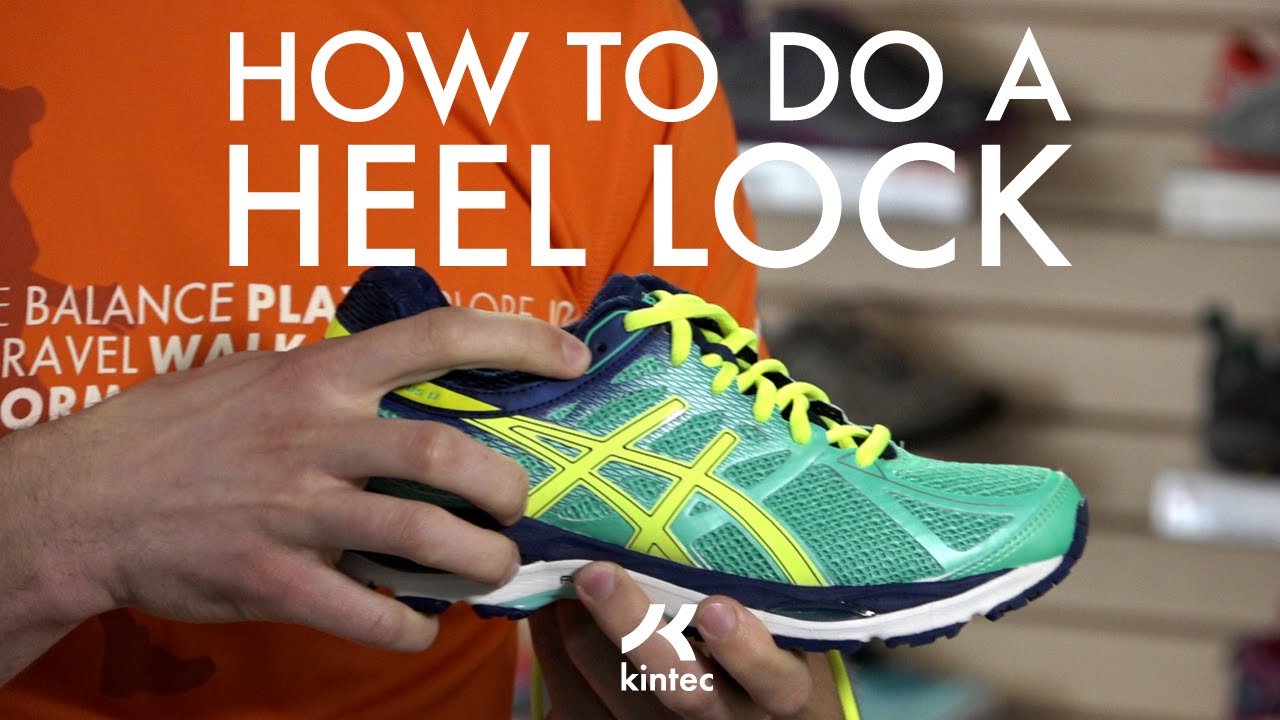
Credit: www.youtube.com
Types Of Heel Lock Techniques
Heel lock techniques help keep your foot secure in your shoes. They reduce slipping and increase comfort. Different methods suit different foot shapes and activities. Here are the main types of heel lock techniques to know.
Standard Heel Lock
The standard heel lock is simple and effective. It uses the top two eyelets of your shoe. Lace through these eyelets to create a loop on each side. Cross the laces and pull tight through the loops. This locks your heel firmly in place.
Double Heel Lock
Double heel lock adds extra grip to the standard method. After making the first heel lock, repeat the process with the next set of eyelets. This creates two locks for more security. It works well for runners and hikers who need strong support.
Runner’s Loop
The runner’s loop prevents your heel from slipping up and down. It forms a small loop by threading the lace back through the last eyelet. Pull the lace tight to lock your heel in place. This technique is popular among athletes for its simplicity and strength.
Step-by-step Heel Lock Process
The step-by-step heel lock process helps keep your foot secure in your shoe. It stops your heel from slipping during movement. This method is popular among runners and hikers for better comfort and support.
Follow these clear steps to create a strong heel lock. This will improve your shoe fit and reduce blisters or discomfort.
Preparing Your Shoes
Start by loosening all the shoe laces completely. This gives you room to adjust the fit easily. Check that the shoe tongue is centered and flat. Remove any debris or dirt inside the shoe. This ensures nothing causes extra pressure on your foot.
Lacing For Heel Lock
Begin lacing your shoes as normal up to the second-to-last eyelets. At the last pair of eyelets, thread each lace straight up into the top eyelet on the same side, creating a small loop. Cross the laces and insert them into the loop on the opposite side. Pull the laces tight to form a secure knot around the ankle.
Securing The Fit
Tighten the laces until the shoe feels snug but not too tight. Tie your shoes with a double knot to prevent loosening. Walk around briefly to check comfort and adjust if needed. This technique locks your heel in place, reducing movement inside the shoe.

Credit: www.locklaces.com
Tips For Adjusting Heel Lock
Tightening the heel lock correctly improves shoe fit and stops slipping. Adjusting it right keeps feet comfortable during any activity. Small changes make a big difference in foot stability. Follow simple tips to adjust the heel lock perfectly for your needs.
Finding The Right Tightness
Start by tightening the laces until the heel feels snug. The fit should hold your heel firmly without pain. Check if your foot moves inside the shoe when walking. Loosen or tighten to stop slipping but avoid too much pressure.
Adjusting For Different Activities
Running needs a tighter heel lock to reduce foot movement. Hiking requires a balance of tightness and comfort for long walks. For casual use, a looser fit can help with breathability and ease. Change the tightness based on your activity to protect your feet.
Avoiding Pressure Points
Pressing too hard causes discomfort and blisters. Loosen the laces if you feel pain near your ankle or Achilles. Try adjusting the loop size to spread pressure evenly. Check for hot spots during use and adjust as needed to stay comfortable.
When Heel Lock Isn’t Enough
Heel locking helps keep your heel secure in shoes during activities. Sometimes, it does not fully solve slipping or discomfort issues. This section explores other ways to improve shoe fit when heel lock is not enough.
Choosing The Right Shoe Size
Shoe size plays a big role in fit and comfort. Shoes too large cause heel slipping, even with heel lock. Shoes too small cause pain and pressure points. Measure feet at the end of the day. Try shoes with socks you usually wear. Choose size that feels snug but not tight.
Using Insoles And Heel Grips
Insoles add extra cushioning and fill space inside shoes. Heel grips stick inside the shoe’s heel area. They create friction and prevent slipping. Both options improve fit without changing shoe size. Use thin insoles to avoid making shoes too tight. Replace worn-out insoles for best results.
Consulting A Specialist
A foot specialist can help with persistent fit problems. They check foot shape, size, and walking style. Custom orthotics or shoe recommendations may help. Specialists also spot foot issues causing discomfort. Seek advice if pain or slipping continues after adjustments.
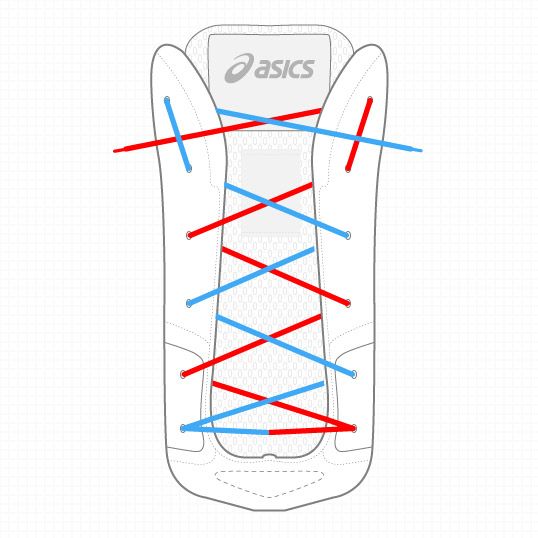
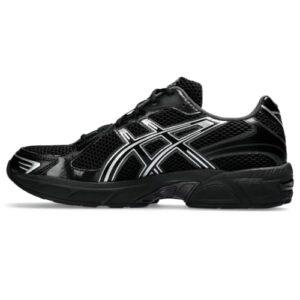
Credit: www.asics.com
Frequently Asked Questions
What Is The Heel Lock Lacing Technique?
Heel lock lacing is a method to secure your shoe’s heel tightly. It prevents slipping and enhances ankle support. This technique uses extra loops near the ankle to lock the heel in place. It’s ideal for running, hiking, and sports activities requiring stability.
How Do I Heel Lock My Running Shoes?
To heel lock running shoes, thread the laces through the top eyelets twice. Create loops on both sides, then cross the laces through these loops. Pull tight to lock the heel. This keeps your foot stable and reduces blisters during runs.
Why Should I Use Heel Lock Shoes Lacing?
Heel lock lacing improves shoe fit by reducing heel movement. It prevents foot slippage inside the shoe, enhancing comfort and stability. This technique also helps avoid blisters and injuries during physical activities. It’s beneficial for people with narrow heels or high arches.
Can Heel Lock Lacing Help With Ankle Support?
Yes, heel lock lacing increases ankle support by securing the heel firmly. It minimizes heel lift and stabilizes the foot inside the shoe. This reduces the risk of ankle rolls and sprains during sports or hiking.
Conclusion
Securing your shoes with a heel lock helps keep feet stable. It reduces slipping and prevents blisters during activities. This simple lacing method improves comfort and support. Try it next time you put on your shoes. Your feet will thank you for the extra care.
Small changes like this make a big difference in your daily walk or run. Practice a few times to get the right fit. Heel locking is easy and worth the effort.
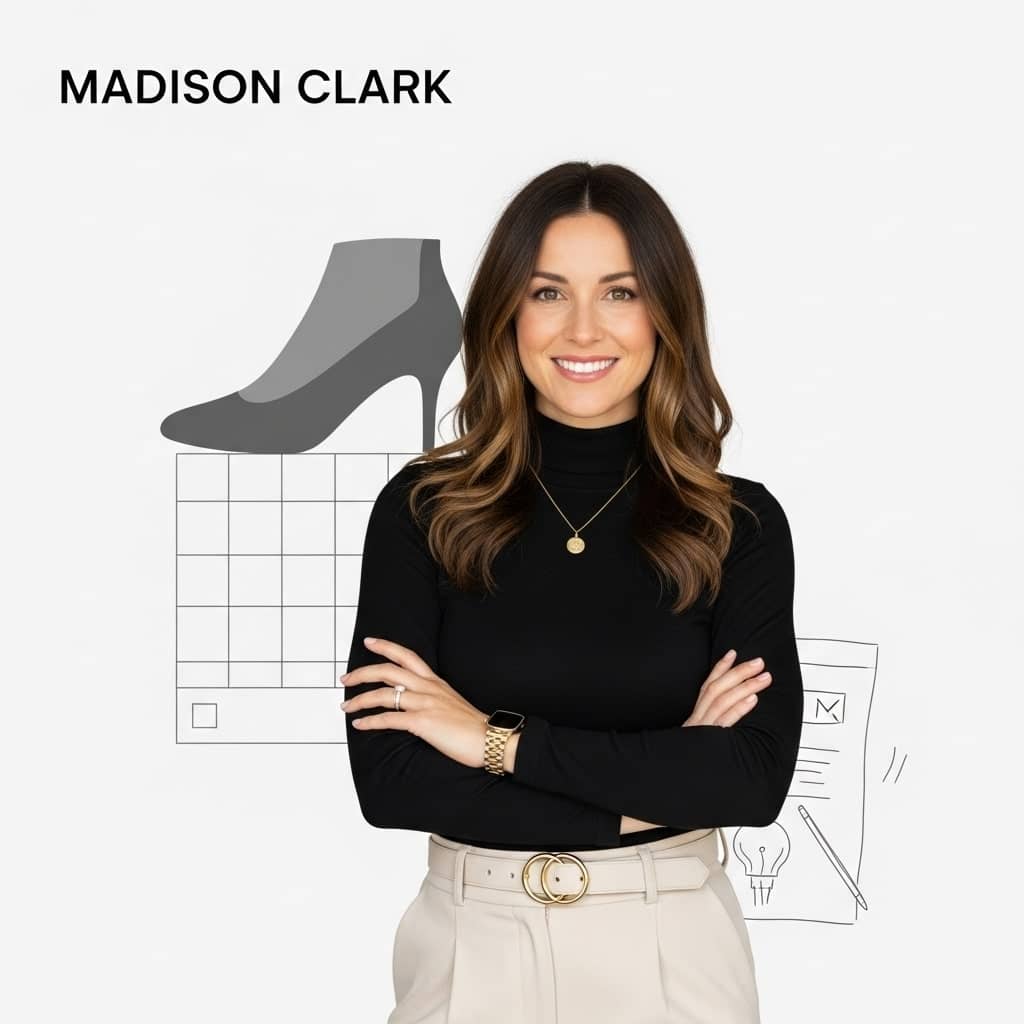
Madison Clark is a footwear expert and the voice behind MyStyleGrid.com. She specializes in honest shoe reviews, style tips, and practical guides to help readers find the perfect pair for any occasion. With years of experience in blogging and content creation, Madison makes footwear knowledge simple, stylish, and easy to follow.