Running in the Hoka Rincon 3 feels like magic. I still remember my very first run in them. It felt like I had clouds strapped to my feet. They were so light. They were so soft. I ran faster than usual that day. I was in love.
But then, I looked at the bottom of the shoe.
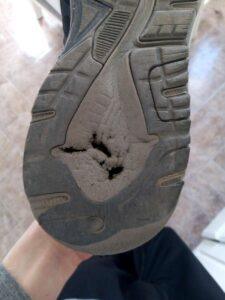
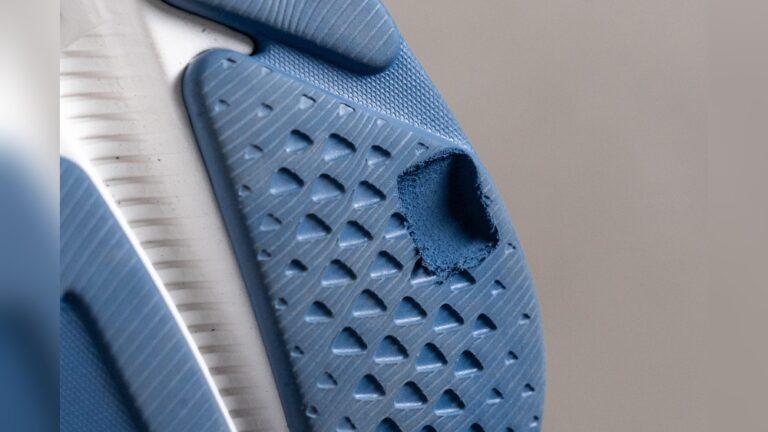
After just a few weeks, I saw wear. The rubber was thinning. The soft foam was scraping off. My heart sank. I knew these shoes were fast, but were they fragile?
If you are reading this, you likely feel the same way. You love the shoe, but you hate the wear. You want to make them last.
The Hoka Rincon 3 is famous for two things. First, it is super light. Second, the outsole wears out fast. This is the trade-off we make for speed.
But you do not have to accept a short life for your shoes.
I have gone through four pairs of Rincons. My first pair lasted only 200 miles. My last pair? I got them to 450 miles.
How did I do it?
I changed how I treated them. I learned tricks. I adjusted my running.
In this guide, I will share exactly how to improve the durability of your Hoka Rincon 3 outsole. We will look at simple hacks. We will talk about how you run. We will talk about where you run.
Follow these steps, and you will save money. You will also keep that “cloud” feeling for many more miles.
Let’s dive in.
Understanding Your Hoka Rincon 3 Outsole
To fix a problem, you must understand it.
Let us look at the bottom of your shoe. Flip it over. What do you see?
On most running shoes, the bottom is covered in black hard rubber. This rubber is heavy. It is tough. It protects the soft foam inside.
The Rincon 3 is different.
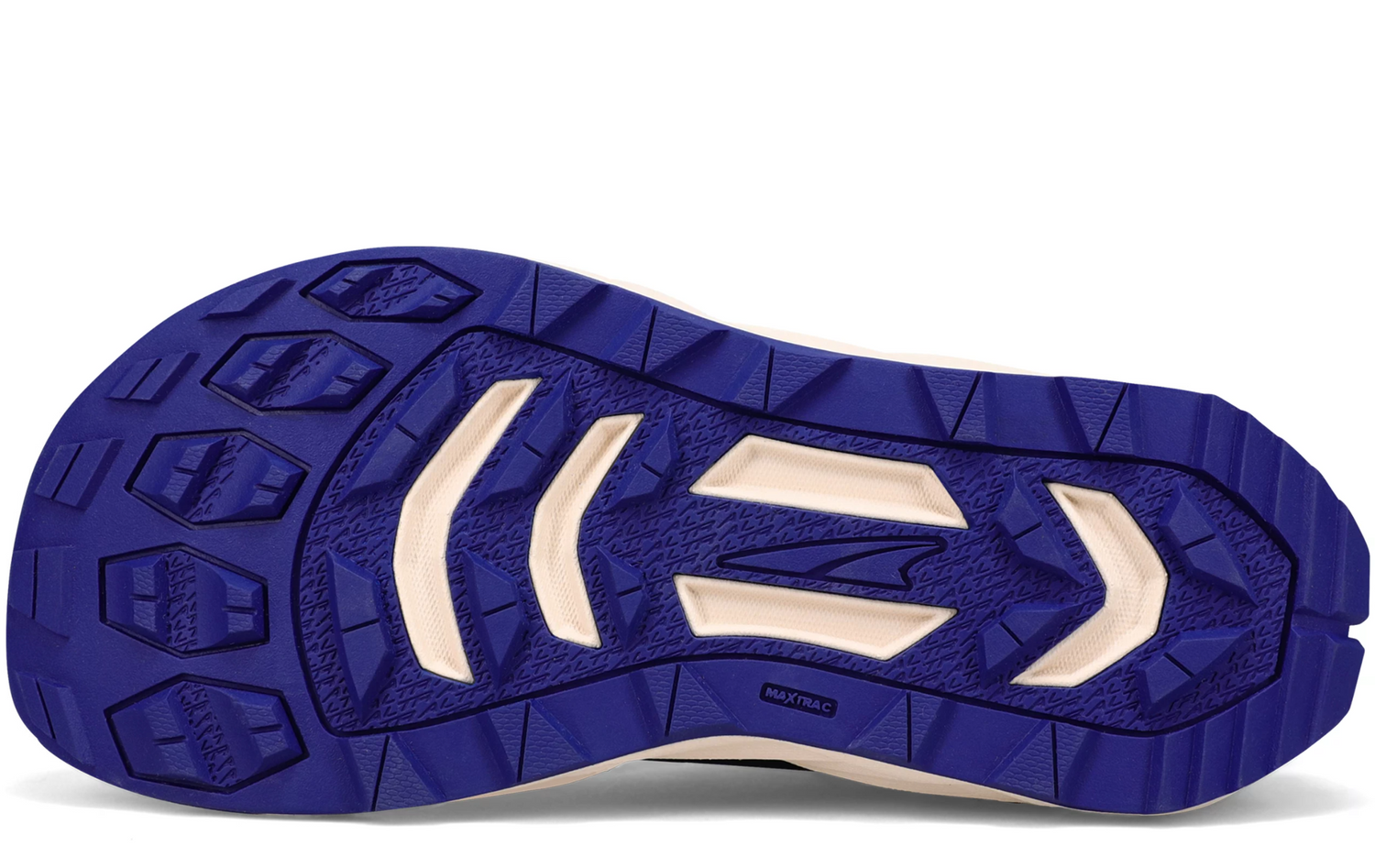
To keep the shoe light, Hoka removed a lot of that heavy rubber. Look closely. You will see rubber patches only on the toes and the heel.
What is in the middle?
That is exposed foam. Specifically, it is Rubberized EVA.
The Problem with Exposed Foam
This foam is great for cushioning. It is soft. It bounces back. But it is not great for friction.
Think of it like an eraser. When you rub an eraser on paper, it wears down. That is what happens to the Rincon outsole on the road.
The Hoka Rincon 3 lifespan depends on this foam. If the foam wears out, the shoe is done.
So, our goal is simple. We must protect the foam. We must reduce the friction. We must be smart.
Credit: shop.gohunt.com
The “Shoe Goo” Hack: A Secret Shield
I am going to share a trick. Some runners think this is crazy. But it works.
I use a product called Shoe Goo. It is a thick glue. It dries into a hard rubbery seal.
When I buy a new pair of Rincons, I do not run in them yet. I treat them first.
Why Use Glue?
The exposed foam is the weak spot. So, I add my own layer of protection. This is very helpful for the Shoe Goo for running shoes technique.
Here is my personal method.
Step-by-Step Protection Guide
1. Clean the Sole
Even a new shoe has dust. Wipe the bottom with a damp cloth. Let it dry completely.
2. Identify the Wear Zones
Look at your old shoes. Where do they wear down? For me, it is the outer edge of the midfoot. This is where I land.
3. Apply a Thin Layer
Take the Shoe Goo. Put a tiny drop on the exposed foam area. Use an ice cube to spread it.
Pro Tip: Why an ice cube? The glue will not stick to the ice. It spreads smooth and flat.
4. Let it Cure
This is the hard part. You must wait. Let the glue dry for 24 hours.
5. Go for a Run
Now, you have a shield. The road will scrape the glue, not the foam.
This simple trick added 50 miles to my shoes. It costs very little. It takes five minutes. It is worth it.

Credit: www.ebay.com
Reading Your Sole: What Wear Patterns Say
Your shoes tell a story.
The wear pattern on your outsole is like a map. It shows how you run. It shows where you put pressure.
If you want to improve durability, you must read this map.
The Heel Scuff
Look at the back of the shoe. Is the rubber worn down at the very back edge?
This means you are a “Heel Striker.”
When you run, your heel hits the ground first. This acts like a brake. It creates a lot of friction.
The Rincon 3 has rubber on the heel. That is good. But if you hit too hard, you will grind through it.
The Toe Tear
Look at the front. Is the rubber under your big toe worn out?
This is normal. This is where you push off. This is called the “Toe Off.”
The Midfoot Gouge
This is the danger zone for Rincons.
Look at the middle of the sole. Is the exposed foam rough? Is it peeling?
This happens if you land on your midfoot but drag your foot slightly. This is common when we get tired.
How to Fix It
You cannot change your body overnight. But you can make small shifts.
If you see heavy heel wear, try to land softer. Think about landing quietly.
If you run quietly, you create less friction. Less friction means less wear.
The Art of Shoe Rotation
Do you wear the same shoes every day?
If you do, you are killing them faster.
This sounds strange. If I run 10 miles, isn’t that just 10 miles of wear?
Not exactly.
The Science of Foam Recovery
The foam in your shoe is like a sponge. When you step on it, it squishes. It needs time to bounce back.
If you run on Monday, the foam squishes. If you run again on Tuesday, the foam is still a bit flat. It has not recovered.
When the foam is flat, it does not absorb shock. This puts more stress on the outsole. The outsole takes more of a beating.
The 48-Hour Rule
I follow a simple rule. I never wear the same shoes two days in a row.
I have two pairs of running shoes.
- Pair A: Rincon 3
- Pair B: Another durable daily trainer (like a Clifton or Ghost).
I alternate them.
- Monday: Pair A
- Tuesday: Pair B
- Wednesday: Rest
- Thursday: Pair A
This gives my Rincons 48 hours to rest. The foam expands. It comes back to life.
This is one of the best running shoe rotation benefits.
By rotating, your shoes last longer. Two pairs rotated will last longer than two pairs used one after the other.
Credit: runrepeat.com
Surface Selection: Where You Run Matters
The Rincon 3 is a road shoe. But not all roads are the same.
Think about sandpaper.
Some surfaces are rough. Some are smooth. The roughness of the ground changes how fast the rubber disappears.
Concrete is the Enemy
Concrete sidewalks are hard. They are also abrasive. They grind down soft rubber very fast.
If you run only on concrete, your Rincons will die young.
Asphalt is Better
Blacktop or asphalt is softer than concrete. It is usually smoother. It is a better choice for your outsole.
The Magic of the Track
Do you have access to a rubber running track?
This is the best place for your Rincons. The track is rubber. Your shoe is rubber/foam.
Rubber on rubber causes very little wear. The surface has “give.” It absorbs the energy.
When I do speed work, I go to the track. My Rincons stay fresh.
Avoid Technical Trails
Do not take Rincons on rocky trails.
The sharp rocks will tear the exposed foam immediately. The Rincon is not built for this. Sticks and stones will chew up the midsole.
Stick to smooth paths. Stick to the road. Avoid the rocks.
Understanding running surface impact is key to longevity.
Gait Mechanics: Run Lighter, Last Longer
We talked about wear patterns. Now let us talk about form.
How you run affects your shoes.
Heavy runners destroy shoes faster. I do not mean body weight. I mean “heavy” runners who slam their feet.
The Sound Test
Go for a run without headphones. Listen to your feet.
Do you hear a loud SLAP?
If you hear a slap, you are hitting the ground hard. You are also sliding a little bit with each step.
This sliding is what kills the outsole. It is like using a belt sander on your shoe.
Increase Your Cadence
Here is a tip that helps your body and your shoes.
Try to take more steps per minute. This is called “Cadence.”
If you take long, slow steps, you hit the ground hard.
If you take short, fast steps, you land light.
Aim for smaller steps. Keep your feet under your body. Do not reach your leg out far in front of you.
This reduces the braking force.
Less braking means less grinding.
If you improve your form through running gait analysis, your shoes will thank you.
Cleaning and Maintenance: The Gentle Touch
I see people do a terrible thing. They put their running shoes in the washing machine.
Never do this.
The washing machine is violent. It twists the shoe. It uses hot water. It breaks the glue.
If you wash your Rincons in a machine, the outsole might peel off. The foam will absorb water and get heavy.
The Right Way to Clean
You want your shoes to look new. I get it. Here is how I clean my Rincons safely.
1. Wait for Dry Mud
If your shoes are muddy, let them dry. Do not wipe wet mud. You will just push it into the fabric.
2. The Dry Brush Method
Take a soft brush. An old toothbrush is perfect.
Gently brush off the dried dirt from the outsole. Get the stones out of the grooves.
Small stones can cut the foam. Remove them after every run.
3. The Wipe Down
Use a damp cloth with cold water. Wipe the upper mesh. Wipe the sides of the midsole.
Do not use harsh soap. Do not use bleach. Chemicals can eat the foam.
4. Air Dry Only
This is crucial.
Never put shoes in the dryer.
Never put shoes near a radiator or heater.
Never leave shoes in direct hot sun.
Heat destroys the glue. It shrinks the EVA foam.
Remove the inner sole (the liner). Stuff the shoe with newspaper. The paper pulls the water out.
Let them sit in a cool, dry place.
Environmental Factors: Storage and Weather
Where do your shoes sleep?
If you leave them in your car, you are hurting them.
The Car Trunk Oven
In the summer, your car trunk gets very hot.
If you leave your Rincons in there, the heat cooks the foam. The foam loses its bounce. The glue gets soft.
The outsole can start to peel away from the rest of the shoe.
Always bring your shoes inside. Keep them at room temperature.
The Cold Factor
In the winter, the cold affects the shoe too.
Freezing temperatures make rubber brittle. Brittle rubber cracks.
If you run in freezing cold, the outsole wears down differently. It chips rather than wears smooth.
Store your shoes inside your house. Do not leave them in a cold garage.
Proper exposed EVA foam care means controlling the temperature.
The “Drag” Habit
Do you drag your feet?
Sometimes we shuffle. We get tired at the end of a run. We lift our feet less.
If you shuffle, you are dragging the outsole across the ground.
This is the fastest way to kill a Rincon. The exposed foam cannot handle dragging.
The Mental Check
When you feel tired, focus on lifting your knees.
Think “pick it up, put it down.”
Do not slide.
I often check myself at mile 5. Am I getting lazy? Am I dragging?
If I lift my feet, I save my sole.
When to Retire Your Rincons
We want them to last. But they will not last forever.
Running in worn-out shoes is dangerous. It can cause injury.
How do you know when it is time to say goodbye?
The 300-Mile Check
Around 300 miles, inspect the shoe carefully.
1. Bald Spots
Is the tread completely gone? Is the rubber smooth?
If you run on wet roads with smooth soles, you will slip. This is a safety risk.
2. The Midsole Crease
Look at the side of the white foam. Are there deep wrinkles?
Wrinkles mean the foam is compressed. It is no longer bouncing back.
3. The Press Test
Push your thumb into the center of the outsole.
Does it feel squishy and firm? That is good.
Does it feel hard and dead? That is bad.
If the foam feels like a hard brick, the cushioning is gone.
4. New Aches and Pains
This is the most important sign.
Do your knees hurt after a run? Do your shins ache?
If your body hurts in new ways, the shoes are likely dead.
Do not try to squeeze 50 more miles out of a dead shoe. It is cheaper to buy new shoes than to pay for physical therapy.
Hoka Rincon 3 vs. The World
Why choose the Rincon if durability is an issue?
It is helpful to compare.
The Hoka Clifton has more rubber on the bottom. It lasts longer. But it is heavier.
The Hoka Mach has a different type of foam sole. It is snappy but also wears fast.
The Rincon fits a specific need. It is the lightweight trainer.
If you want a shoe that lasts 600 miles, buy the Clifton.
If you want a shoe that feels fast and light, buy the Rincon.
Accept the nature of the shoe. Treat it well. Enjoy the speed.
Frequently Asked Questions
How long should Hoka Rincon 3s last?
Most runners get between 250 and 400 miles. Heavier runners might see less. Light runners with good form might see more.
Can I use Shoe Goo on the whole sole?
No. Do not cover the whole sole. It will make the shoe heavy. It will change the grip. Only put it on small high-wear spots.
Is the Rincon 3 good for walking?
Yes, it is very comfortable. But walking on concrete will still wear it down. It is an expensive walking shoe.
Why is the foam peeling off?
This is normal for the Rincon. The exposed EVA foam shreds on rough roads. It looks bad, but the shoe still works.
Does weight affect durability?
Yes. Heavier runners put more force on the foam. The foam compresses faster. The outsole grinds harder.
Can I run in the rain?
Yes. But be careful. Worn-out Rincons can be slippery on wet metal or painted lines. The exposed foam gets slick.
Conclusion
The Hoka Rincon 3 is a special shoe. It offers a ride that few other shoes can match. It is soft, light, and fun.
But that fun comes with a price. Durability is its weakness.
You now have the tools to fight this weakness.
Remember the steps:
- Protect the foam with a thin layer of Shoe Goo if you are brave.
- Rotate your shoes to let the foam rest.
- Run on softer surfaces like tracks or asphalt.
- Clean them gently by hand.
- Store them inside, away from heat and cold.
I still love my Rincons. I accept that they won’t last forever. But with these tips, I make every mile count.
Take care of your shoes, and they will take care of you.
Now, lace them up. Go for a run. And remember—lift your feet!

Madison Clark is a footwear expert and the voice behind MyStyleGrid.com. She specializes in honest shoe reviews, style tips, and practical guides to help readers find the perfect pair for any occasion. With years of experience in blogging and content creation, Madison makes footwear knowledge simple, stylish, and easy to follow.