Keep feet dry in shoes with breathable socks, proper shoes, moisture-wicking insoles, and good foot care.
I have spent years testing gear, talking with shoe makers, and trying dozens of home fixes to learn how to keep feet dry in shoes. This guide pulls together simple science, practical tips, and real-world tricks you can use today. Read on to get clear steps and reliable options to stop sweat, cut odor, and keep your feet comfortable all day.

Why feet get wet and sweaty — causes and quick fixes
Feet sweat. That is normal. Sweating keeps your body cool. But trapped sweat in shoes can lead to odor, blisters, and fungal infections. Knowing why this happens helps when you search for how to keep feet dry in shoes.
Common causes include overactive sweat glands, shoes that trap heat, synthetic socks, poor ventilation, and long wear without sock changes. Some people sweat more due to stress, heat, or medical conditions. Simple fixes work well for most people.
PAA question 1: Why do my shoes make my feet sweat?
Most shoes with poor airflow and non-breathable linings trap heat. That raises foot temperature and causes more sweat.
PAA question 2: Can sweaty feet be reduced naturally?
Yes. Drying feet, wearing breathable socks, and choosing ventilated shoes cut sweat. Lifestyle changes like staying hydrated and controlling stress also help.
Choose shoes that help: materials, fit, and design
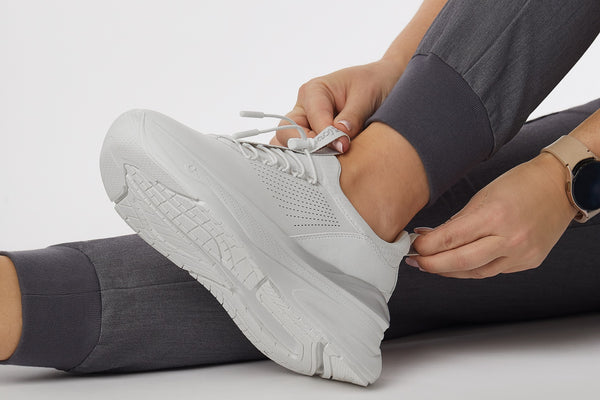
How a shoe is made matters for how to keep feet dry in shoes. Look for natural and engineered materials that let air move.
What to look for:
- Breathable uppers made of mesh, canvas, or leather. These let moisture escape.
- A roomy toe box so toes are not squished and air can move.
- Moisture-wicking liners or removable insoles that air out easily.
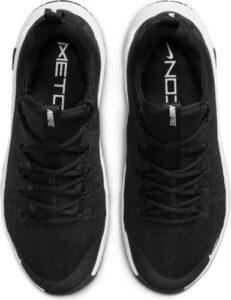
- Shoes with vent holes or knit uppers for active wear.
Avoid:
- Fully synthetic uppers that trap heat.
- Tight shoes that reduce airflow.
- Heavy waterproof boots for daily wear unless you need them for weather.
My experience: I switched to mesh trainers for daily errands and leather shoes for work. Both felt drier than old plastic-lined shoes. Small changes in shoe type cut my sweat a lot.

Socks and liners: the frontline defense
Socks are the easiest place to control moisture when learning how to keep feet dry in shoes. The right sock can wick sweat away and let it evaporate.
Best sock choices:
- Merino wool socks for natural wicking and odor control.
- Synthetic blends with polyester or nylon designed to pull moisture from the skin.
- Double-layer socks for hiking or running to reduce friction and blisters.
- Thin liner socks under thicker socks for added moisture control.
Socks to avoid:
- Cotton socks that hold moisture next to skin.
- Thick synthetic socks that trap heat without wicking.
Practical tip: Carry an extra pair of socks. Changing socks midway through a long day works wonders for dryness and comfort.
 products”
style=”max-width: 100%; height: auto; border: 2px solid black; border-radius: 10px; display: block; margin: 0 auto;”
loading=”lazy”
/>
Insoles, powders, and moisture control products
Insoles and small products help when you need extra help to keep feet dry in shoes. They are cheap, easy to test, and often very effective.
Useful products:
- Moisture-wicking insoles that move sweat to the shoe lining.
- Activated charcoal or bamboo charcoal insoles to cut odor and dampness.
- Foot powders or cornstarch-based powders to absorb sweat.
- Antiperspirant sprays or roll-ons made for feet to reduce sweat production.
How to use: Replace or air out insoles weekly. Sprinkle powder on feet or in shoes before wearing. Apply foot antiperspirant at night for better effect.
From experience, insoles plus a good sock beat powder alone. I tried several brands and a breathable insole with merino socks gave the best result.

Daily foot care and hygiene routines
A regular foot routine makes a big difference for how to keep feet dry in shoes. Small habits lead to big results.
Daily routine suggestions:
- Wash feet with soap and dry well, especially between toes.
- Trim nails and remove dead skin where bacteria can hide.
- Use a foot cream at night if skin is dry, but avoid oily creams before putting on socks.
- Alternate shoes every day to let each pair fully air out.
Extra step: Use a shoe dryer or place shoes in a sunny spot to speed drying. I leave work shoes outside for a few hours and that removes most moisture and smell.
Lifestyle changes and environmental tips
Controlling environment and daily habits helps you keep feet dry in shoes without extra cost. These are often overlooked but effective.
Easy changes:
- Stay hydrated to help regulate sweating.
- Lower caffeine and spicy foods if they trigger sweating for you.
- Use breathable floor surfaces at home, like wood or tile instead of rugs that retain heat.
- Keep rooms cool and use fans when possible.
If you exercise a lot, plan sock changes and shoe rotation into your routine. I keep a small bag of spare socks in my gym bag and that prevents many sweaty shoe days.

When to seek medical help and treatment options
Most sweaty feet improve with the steps above. But some people have medical causes for excessive sweating. Know when to see a doctor.
Red flags:
- Excessive sweating that affects daily life.
- Sweating only on feet and hands with no response to home care.
- Signs of infection like redness, intense itching, or persistent odor.
Medical options include prescription antiperspirants, topical treatments, oral medications, Botox injections, or tests for underlying conditions. A healthcare professional can advise what fits your case. Be honest about what you have tried before visiting the doctor.

Practical daily checklist: step-by-step plan
Use this simple plan to apply everything above. It’s a quick routine to keep feet dry in shoes.
Morning:
- Wash and dry feet thoroughly.
- Apply antiperspirant to feet if needed.
- Put on moisture-wicking socks and breathable shoes.
During the day:
- Change socks after heavy activity.
- Air out shoes when not wearing them.
Night:
- Remove insoles to dry.
- Wash socks and rotate shoe pairs each day.
This checklist helped me reduce sweaty days to near zero after a month of consistent use.
Frequently Asked Questions of how to keep feet dry in shoes
What socks are best to keep feet dry in shoes?
Socks made from merino wool or synthetic moisture-wicking blends are best. Avoid cotton because it holds sweat next to the skin.
Can shoe inserts really help keep feet dry in shoes?
Yes. Breathable, wicking insoles move moisture away from your foot and reduce odor. Replace or air them out regularly for best results.
Is foot powder safe to use every day?
Most foot powders and cornstarch products are safe with daily use. Apply a small amount and avoid inhaling powder.
How often should I rotate shoes to keep feet dry?
Rotate shoes every day or at least every other day to let them dry fully. This prevents moisture build-up and odor.
Do antiperspirants work on feet?
Yes. Antiperspirants formulated for feet or regular clinical-strength antiperspirants can reduce sweat when used properly. Apply at night for better results.
Conclusion
Keeping feet dry in shoes is simple with the right mix of shoes, socks, and routine. Choose breathable footwear, wear moisture-wicking socks, use insoles or powders when needed, and let shoes air out. If home fixes fail, seek medical advice to rule out underlying causes.
Try one change this week. Rotate shoes, swap socks, or add a breathable insole and note the difference. If this guide helped, leave a comment, subscribe for more tips, or share your own tricks for dry, happy feet.

Rubel Miah is the Senior Editor at MyStyleGrid.com, where he brings a sharp editorial eye and an unshakable love for fashion to everything he does. A true style addict, Rubel lives and breathes trends, from streetwear to high fashion, and has a knack for turning inspiration into impactful stories. With years of experience in fashion journalism and digital media, he curates content that empowers readers to express themselves through style. When he’s not editing features or forecasting the next big thing, you’ll find him hunting down vintage pieces or capturing street style moments around the city.