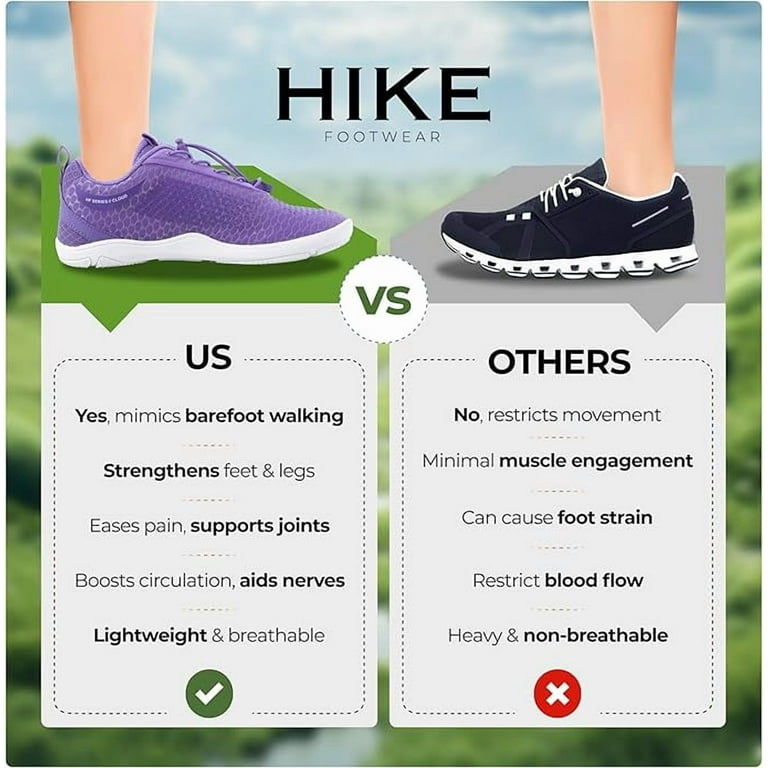
Yes — HF Cloud shoes can work for barefoot walking if they offer low drop, high flexibility, and thin soles.
I’ve tested barefoot-style shoes for years and studied foot mechanics, so I’ll walk you through how to know if HF Cloud shoes are good for barefoot walking. This guide breaks down the key specs to check, simple at‑home tests, fit and transition tips, pros and cons, and safety notes. Read on to decide if HF Cloud shoes match your barefoot goals and how to use them safely.
What barefoot walking really requires
Barefoot walking is about feel, alignment, and natural foot motion. The main points are simple and repeatable. Good barefoot shoes let your foot sense the ground. They also protect from sharp objects and weather.
Key barefoot walking demands:
- Low or zero heel-to-toe drop so the foot lands flat.
- Thin sole to allow ground feel while still offering protection.
- High flexibility so toes and forefoot bend naturally.
- Wide toe box that lets toes splay and stabilize.
- Minimal cushioning that doesn’t block sensory feedback.
- Stable but simple sole geometry without an aggressive rocker.
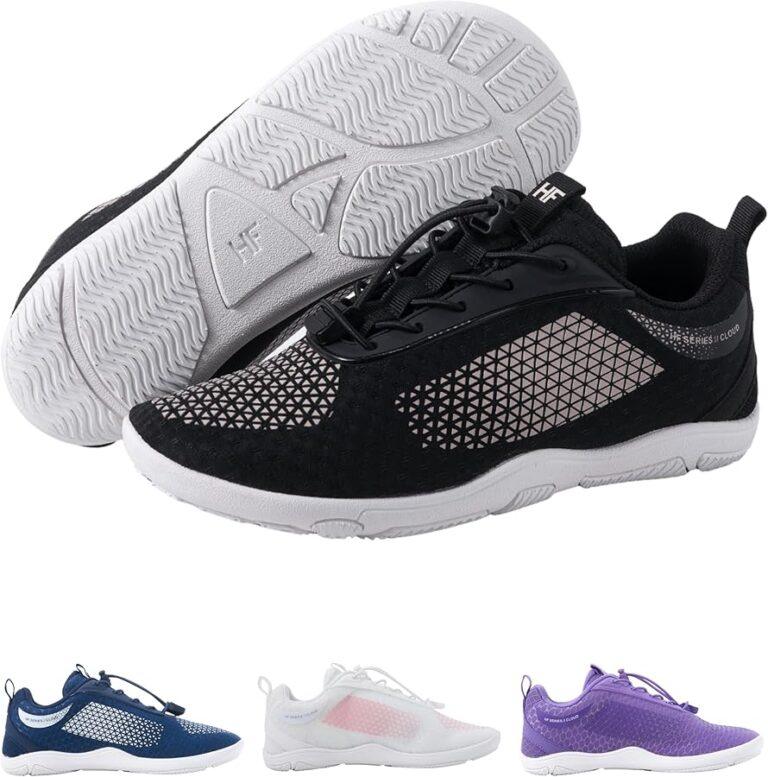
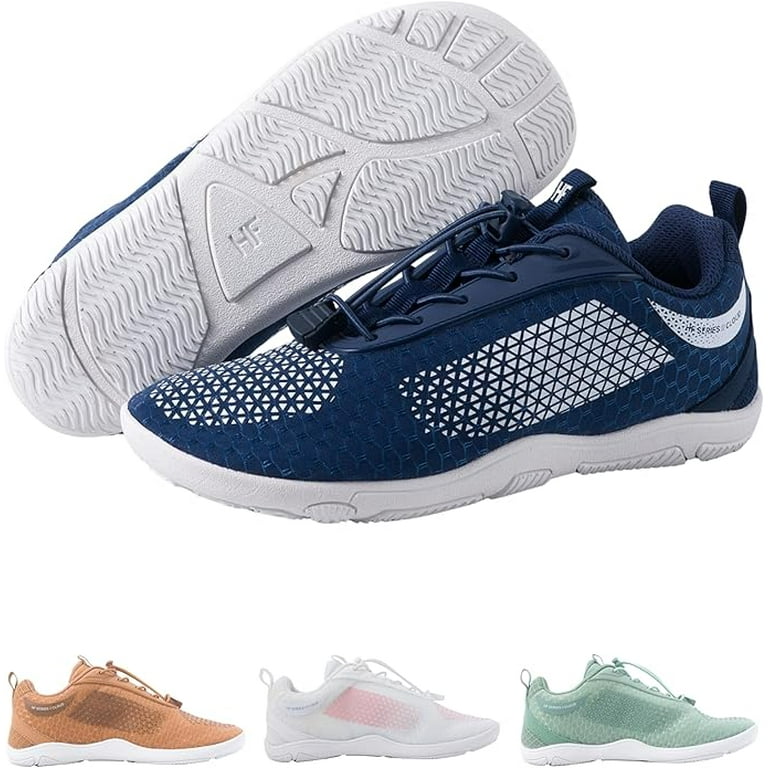
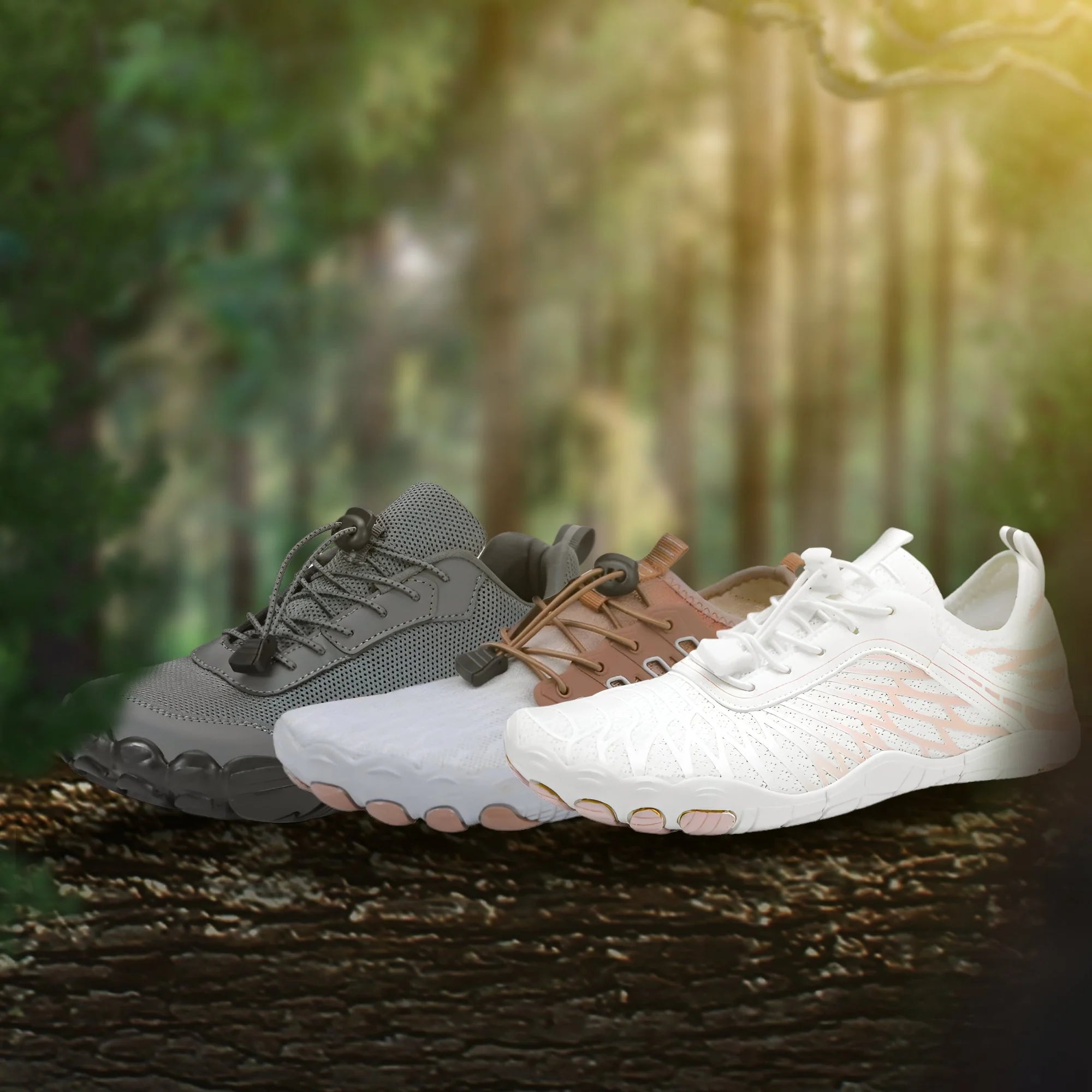
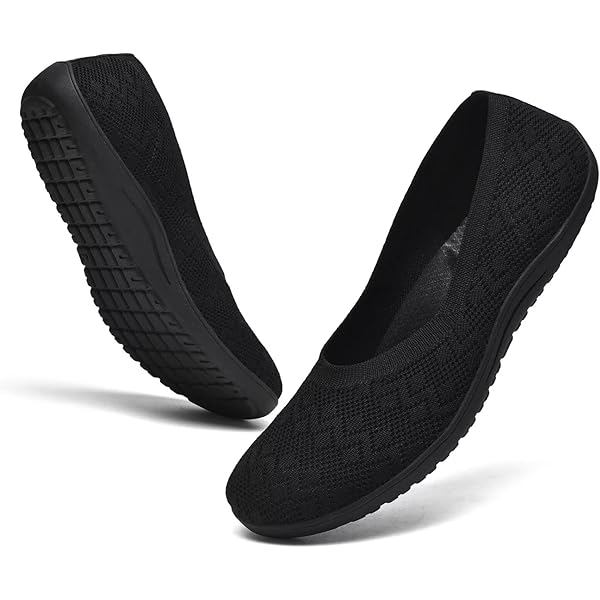
When you test HF Cloud shoes against these needs, you will know if they suit barefoot walking. Many HF Cloud shoes aim for comfort and softness, but not all models are built for barefoot style. Match the shoe specs to the list above to judge fit.

Source: amazon.com
How to evaluate HF Cloud shoes’ specs
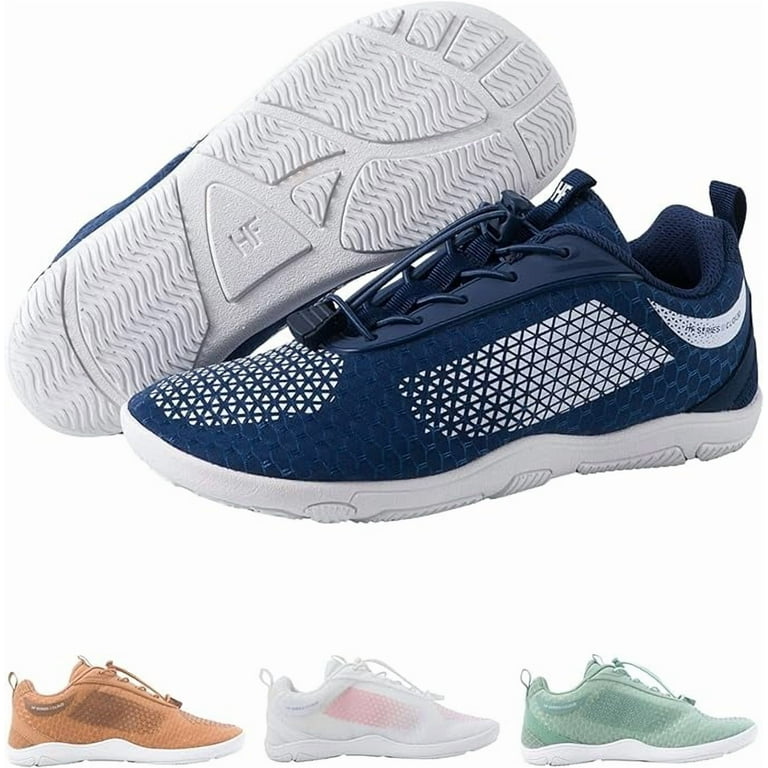
Start with spec sheets and product photos. Then use simple checks to compare HF Cloud shoes to barefoot standards. Below is a clear checklist.
Checklist to evaluate HF Cloud shoes:
- Heel-to-toe drop — Look for 0 to 4 mm. Above that may bias heel strike.
- Sole thickness — Aim for 4 to 10 mm under the forefoot for true ground feel.
- Flexibility — The shoe should bend easily at the forefoot and twist slightly.
- Toe box width — Ensure toes can spread naturally when you stand.
- Weight — Lighter shoes usually give better sensory feedback.
- Insole and midsole — Removable or minimal insoles are better for barefoot walking.
- Outsole pattern — Thin, simple tread is preferred over chunky lugs.
- Stack height and heel cup — Minimal structure is ideal to keep natural motion.
Check HF Cloud shoes’ product page for these numbers. If the label is vague, plan to do the at‑home tests below.
Source: walmart.com
At-home tests to try with HF Cloud shoes
You don’t need lab gear. Use your hands and a short walk. These tests reveal whether HF Cloud shoes feel barefoot-like.
Bend and fold test:
- Pinch the forefoot and try folding the shoe in half. Barefoot shoes fold near the toes.
- Twist the shoe gently. Some twist is OK; rigid twist is not.
Pinch the sole test:
- Pinch the sole between thumb and forefinger. If it crushes easily, you’ll feel the ground better.
Toe box test:
- Put the shoes on, stand, and wiggle your toes. You should have room to splay.
- Stand on one foot and feel how the toes support balance.
Ground-feel walk:
- Walk slowly on grass, pavement, and a soft trail. Note how much feedback you get.
- If HF Cloud shoes mute ground texture a lot, they’re not barefoot enough.
Track real numbers:
- Measure heel-to-toe drop by comparing stack at heel vs. forefoot with calipers or a ruler.
- Check sole thickness under the forefoot with a ruler.
If HF Cloud shoes pass these simple tests, they are strong candidates for barefoot walking.
Source: com.br
Fit, sizing, and transition advice for HF Cloud shoes
Fit matters more than model names. Even a thin sole shoe can feel wrong if the fit hurts your toes or arch.
Sizing tips for HF Cloud shoes:
- Buy true foot length size, not the tight running fit. Leave thumb width at the toe box.
- Choose a wider size if your toes feel cramped during the toe splay test.
- Remove thick insoles if feeling too cushioned.
Transition plan:
- Start with short walks of 10–15 minutes. Your feet need time to adapt.
- Increase barefoot-walking time by 5–10 minutes every few days.
- Add foot-strength exercises like toe raises, short barefoot standing, and single-leg balance.
Personal note: I switched to a barefoot pair slowly. I walked 10 minutes daily for the first week and added 5 minutes each week. The slow build prevented soreness and helped my arches adapt.
Source: walmart.com
Pros and cons of using HF Cloud shoes for barefoot walking
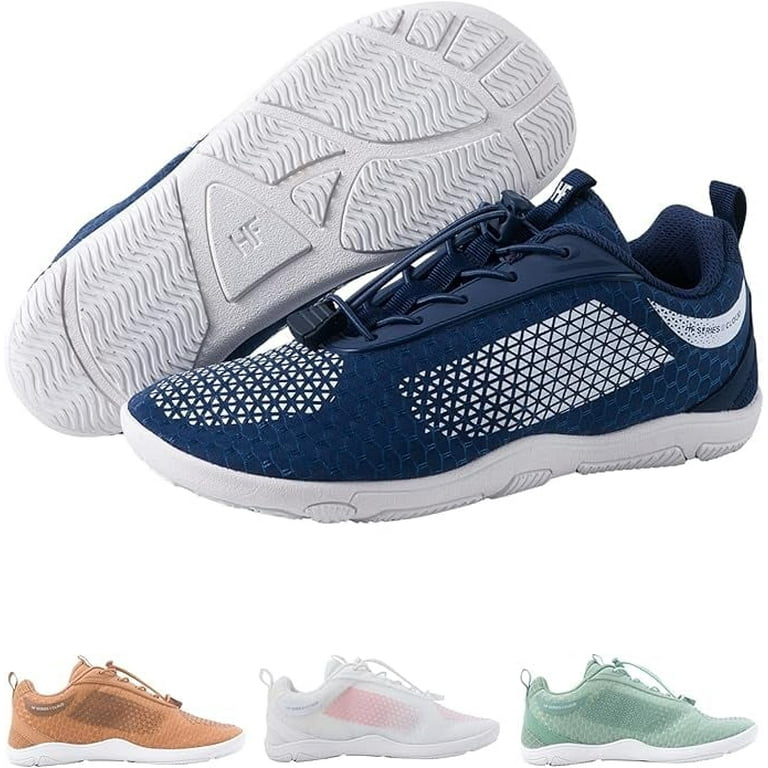
Every shoe has trade-offs. Here’s a balanced view to help you weigh HF Cloud shoes for barefoot use.
Pros:
- Lightweight models can enhance ground feel quickly.
- Soft foam in some HF Cloud shoes gives comfortable protection on urban surfaces.
- Removable insoles allow you to reduce cushioning easily.
Cons:
- Some HF Cloud models use thick cushioning that reduces sensory feedback.
- Narrow toe boxes in certain sizes can block natural toe splay.
- Durable outsoles designed for hiking may add unwanted stack height.
Use this list to decide if a specific HF Cloud shoes model fits your barefoot goals.

Source: ebay.com
Maintenance and safety considerations
Care keeps the shoes safe and functional for barefoot walking. Monitor wear and protect your feet.
Maintenance tips:
- Inspect sole wear often. Thin soles wear faster and lose ground feel when worn down.
- Clean out pebbles and grit from the toe area to keep sensing clear.
- Replace when sole punctures or stiffens from wear.
Safety tips:
- Avoid technical trails with sharp rocks until you have more sole protection or experience.
- If you have foot pain or chronic issues, consult a podiatrist before switching.
- Use HF Cloud shoes on mixed surfaces gradually. Some surfaces need more protection than others.
Source: walmart.com
Final verdict: Are HF Cloud shoes good for barefoot walking?
HF Cloud shoes can be good for barefoot walking if you choose the right model and size. Focus on low drop, thin sole, high flexibility, and a roomy toe box. Use the at‑home tests to confirm feel and fit. Transition slowly and maintain the shoes well.
Source: dailyplanetvt.com
Frequently Asked Questions of How to know if HF Cloud shoes are good for barefoot walking
Are HF Cloud shoes designed for barefoot walking?
Many HF Cloud shoes are designed for comfort, not all for barefoot walking. Check the drop, sole thickness, and flexibility before deciding.
How do I measure the heel-to-toe drop of HF Cloud shoes?
Measure sole thickness at the heel and forefoot with a ruler and subtract the forefoot number from the heel number. A 0–4 mm difference is ideal for barefoot walking.
Can I convert cushioned HF Cloud shoes into barefoot shoes?
You can remove thick insoles and replace them with minimal ones. That helps, but sole thickness and structure still limit ground feel.
How long should I transition into barefoot walking with HF Cloud shoes?
Start with 10–15 minute sessions and increase by 5–10 minutes per week. Listen to your body and slow down if you feel persistent soreness.
Will barefoot walking in HF Cloud shoes cause injuries?
If you transition too fast or choose shoes with poor fit, you risk soreness or strain. Gradual buildup and proper fit lower the risk significantly.
Conclusion
Choosing HF Cloud shoes for barefoot walking boils down to fit, sole, and feel. Use the checklist and at‑home tests above to confirm if a model meets barefoot standards. Start slowly, strengthen your feet, and replace shoes when they lose their feel. Try the tests today and adjust your plan based on comfort. Share your experience in the comments or subscribe for more barefoot walking tips.

Rubel Miah is the Senior Editor at MyStyleGrid.com, where he brings a sharp editorial eye and an unshakable love for fashion to everything he does. A true style addict, Rubel lives and breathes trends, from streetwear to high fashion, and has a knack for turning inspiration into impactful stories. With years of experience in fashion journalism and digital media, he curates content that empowers readers to express themselves through style. When he’s not editing features or forecasting the next big thing, you’ll find him hunting down vintage pieces or capturing street style moments around the city.