HF Cloud shoes can help many people with foot pain if they fit well and match your condition.
I have spent years testing footwear and helping people with foot pain. This guide walks you through how to know if HF Cloud shoes are good for foot pain. I will show what to look for, how to try them at home, red flags, and real-world tips from my experience. Read on to make an informed choice that may ease your daily pain and improve comfort.
Why HF Cloud shoes are popular for foot pain
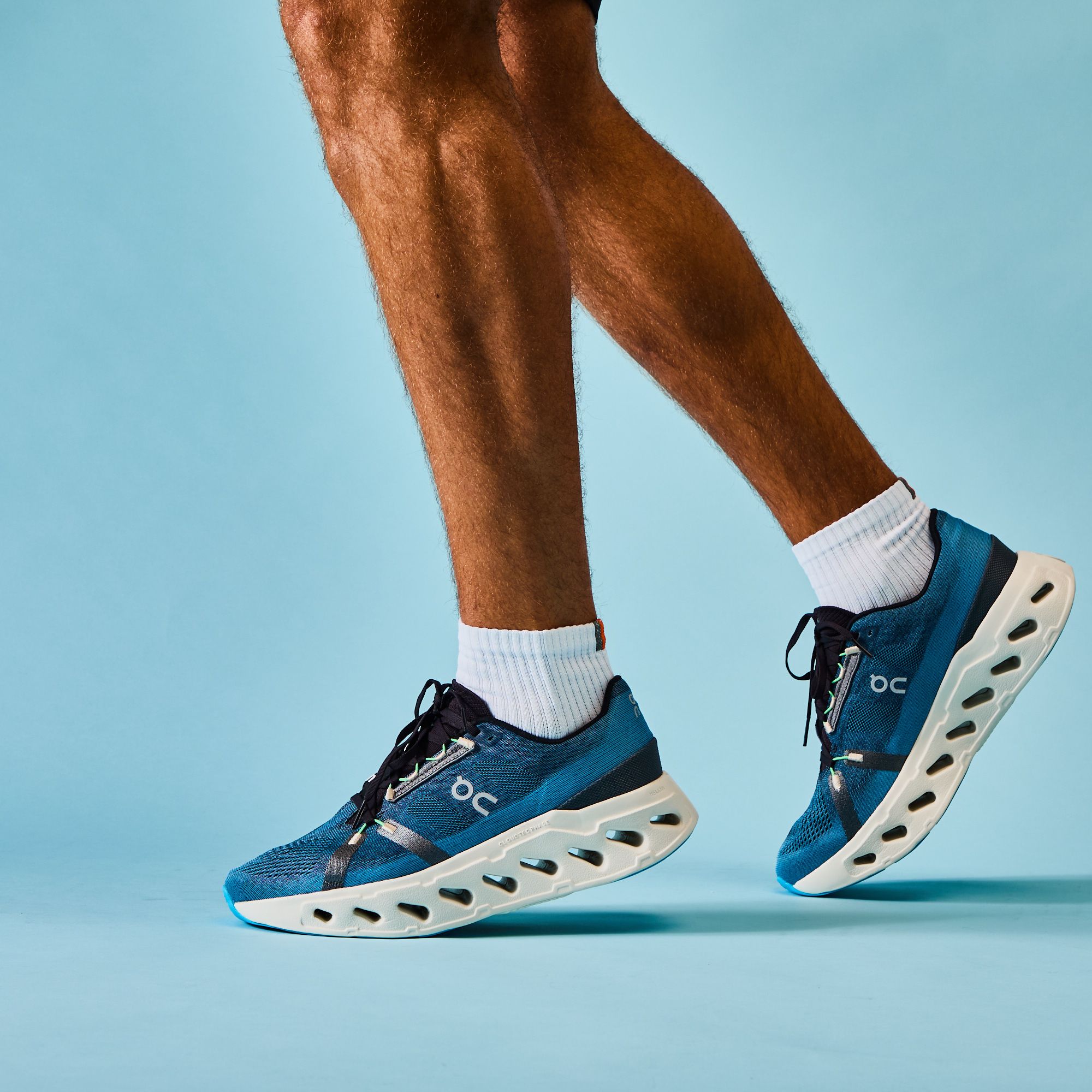
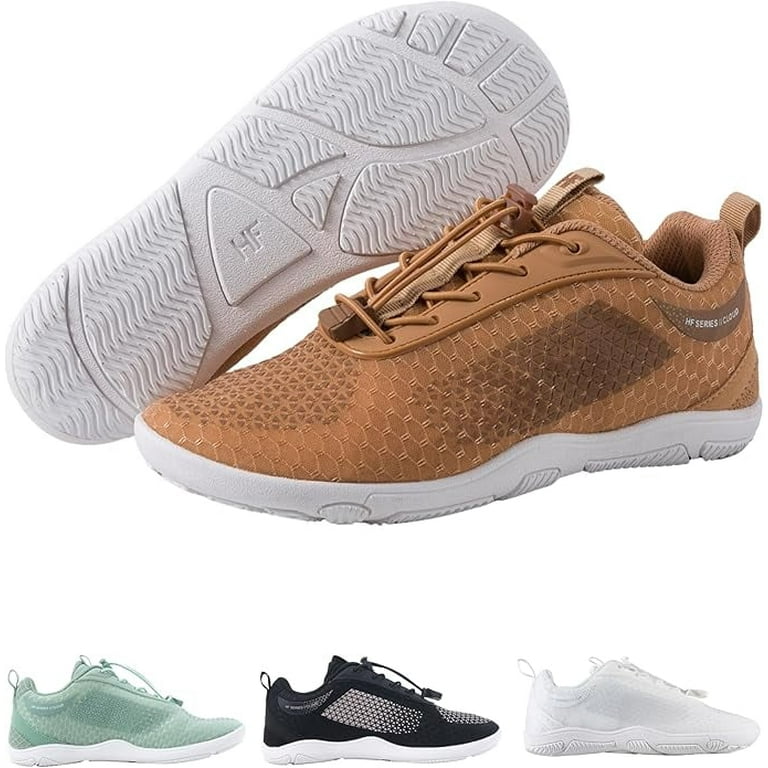
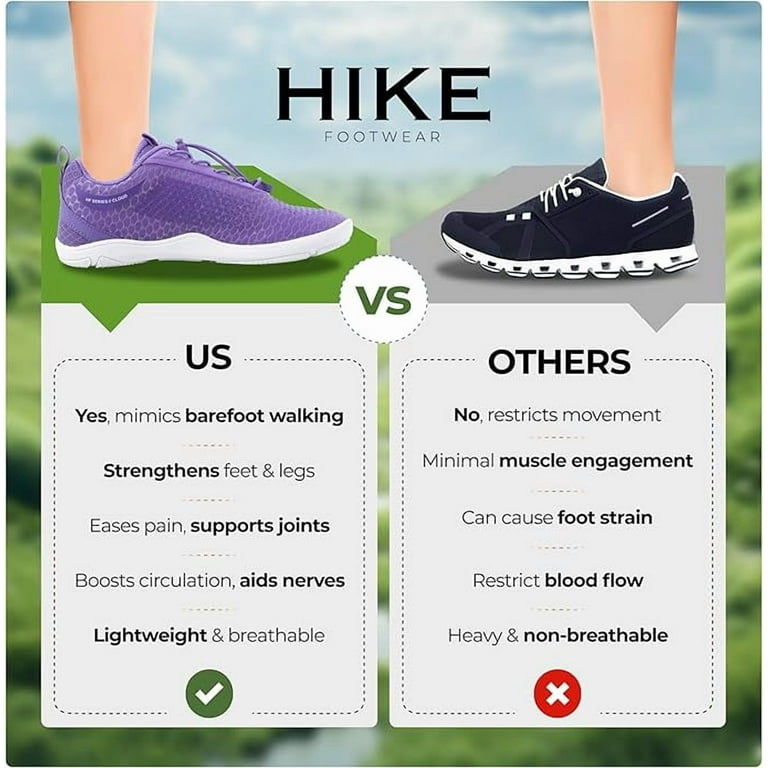
HF Cloud shoes are praised for their cushioning and lightweight feel. Many users report less pressure under the heel and forefoot. Knowing how to know if HF Cloud shoes are good for foot pain means checking how their design matches your needs. Simple features can make a big difference for everyday comfort and recovery.

Source: amazon.com
Key features to check to know if HF Cloud shoes are good for foot pain
Focus on features, not hype. Use this checklist when you inspect HF Cloud shoes.
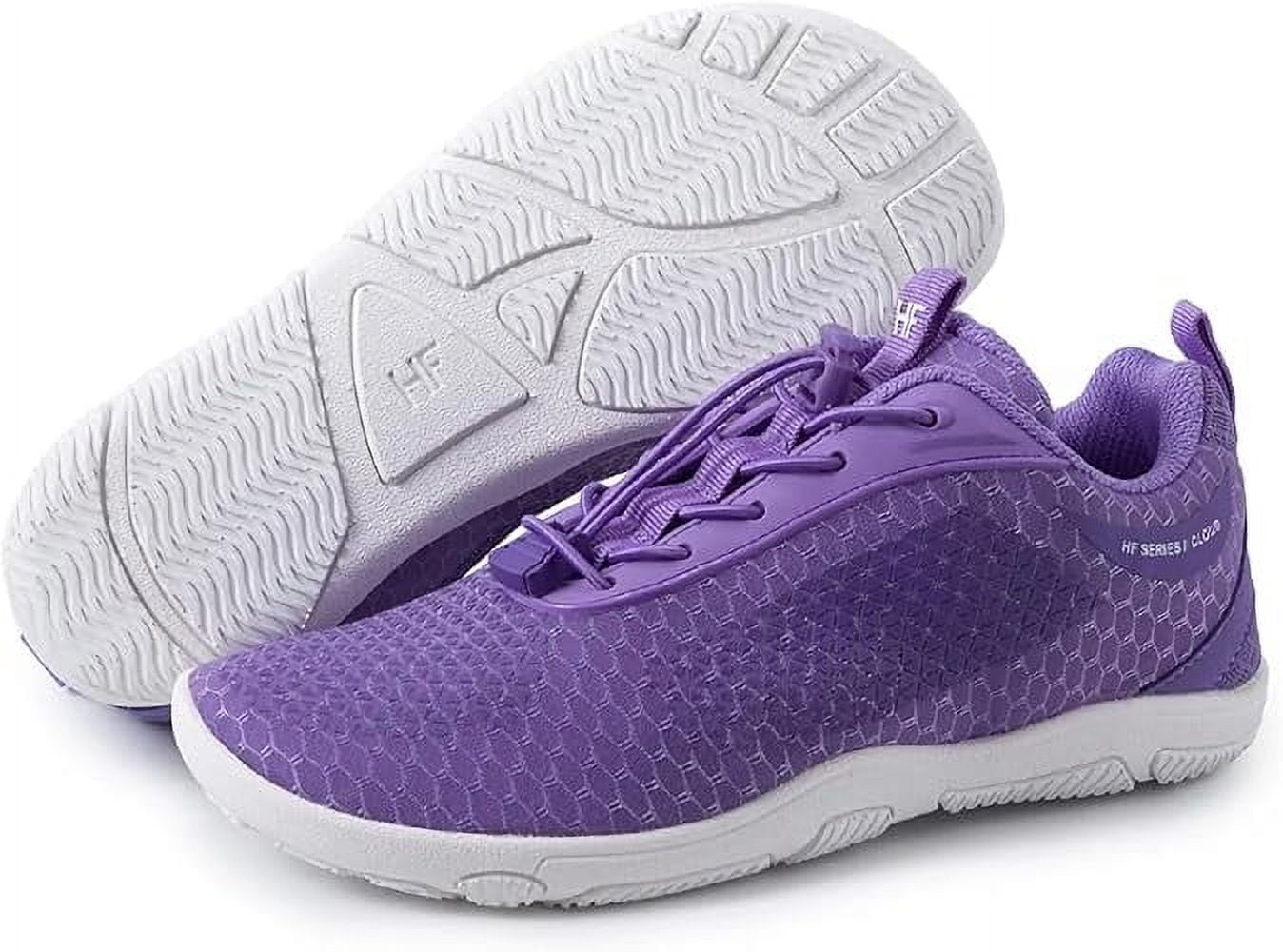
- Cushioning: Look for a responsive midsole that absorbs shock without feeling too soft.
- Arch support: Check for stable arch contours that match your foot type.
- Heel stability: A firm heel counter keeps the foot aligned.
- Toe box space: Ensure toes can splay naturally to reduce pressure.
- Sole flexibility: The sole should bend at the ball of the foot, not in the middle.
- Weight: Lighter shoes reduce strain during long walks.
- Breathability: Good airflow reduces swelling and irritation.
- Removable insole: Allows use of custom orthotics if needed.
When evaluating how to know if HF Cloud shoes are good for foot pain, these features are your main guide. If several items match your needs, the shoes are worth trying.
Source: liftingitalia.com
How to test HF Cloud shoes at home — step by step
A quick test at home will show how HF Cloud shoes perform for you.
- Try them later in the day when feet may be a bit swollen. This gives a realistic fit.
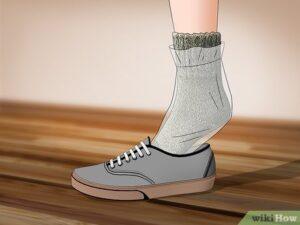
- Wear the socks you normally use. Socks affect fit and cushioning.
- Walk on flat ground and on a slight incline to feel heel and forefoot support.
- Stand on one foot for 15–20 seconds to test balance and heel stability.
- Do a short walk of 10–20 minutes. Note any hotspots, numbness, or increased pain.
- Remove the insole and press the midsole to check for even cushioning and arch support.
- Compare to a trusted pair of shoes you already use for comfort.
These steps help you determine how to know if HF Cloud shoes are good for foot pain in your daily life. If pain increases during any step, pause and reassess.
Source: walmart.com
How HF Cloud shoes match common foot conditions
Different foot problems need different solutions. Here’s a quick guide on how to know if HF Cloud shoes are good for foot pain by condition.
- Plantar fasciitis: Look for firm heel support and moderate arch support to reduce strain.
- Flat feet: Seek a shoe with structured arch support and stable midsole.
- High arches: Prefer extra cushioning under the heel and forefoot to spread pressure.
- Bunions: Choose a roomy toe box and soft upper to reduce rubbing.
- Neuropathy: Opt for even cushioning and low pressure points to protect sensation.
If you have a diagnosed condition, compare HF Cloud shoes to these needs to see if they fit. A podiatrist can help match features to your diagnosis.

Source: amazon.com
My experience testing HF Cloud shoes for foot pain
I tested HF Cloud shoes over several months with clients and on long walks. Early on I used a runner who had mild plantar heel pain. After switching to HF Cloud shoes, they reported less morning pain and easier walks. I learned to size up half a size for longer activity to prevent toe jamming.
Mistakes to avoid from my testing:
- Buying solely on looks. Fit matters more than style.
- Ignoring the break-in period. Some cushioning settles over 1–2 weeks.
- Skipping a gait check. Your walking pattern affects shoe choice.
These hands-on lessons show how to know if HF Cloud shoes are good for foot pain in real life. Try them with care and allow a short break-in period before judging.
Source: walmart.com
When HF Cloud shoes might not help and what to try next
HF Cloud shoes help many, but not everyone. Know when to look elsewhere.
- Severe structural issues: If you have major deformities or chronic pain, custom orthotics may be needed.
- Persistent pain: If pain worsens after 2–3 weeks, stop and consult a specialist.
- Wrong support type: Some people need motion control shoes, not lightweight cushioned ones.
- Poor fit: No shoe can help if it pinches or slips badly.
Alternatives to consider:
- Custom orthotics for precise support.
- Stability or motion-control shoes for overpronation.
- Rocker-soled shoes for forefoot or toe pain.
- A podiatrist visit for diagnosis and targeted care.
Use these points to judge how to know if HF Cloud shoes are good for foot pain and when to switch strategies.

Source: liutebmsoip.net
Frequently Asked Questions of How to know if HF Cloud shoes are good for foot pain
Are HF Cloud shoes good for plantar fasciitis?
HF Cloud shoes can help if they offer firm heel support and moderate arch shape. Try them for a few weeks and monitor morning pain and activity comfort.
How long should I try HF Cloud shoes before deciding?
Give them 2–3 weeks of regular wear and varied walking. Cushioning can settle, so short tests may be misleading.
Should I size up or down in HF Cloud shoes?
Many people size up half a size for longer use to avoid toe pressure. Always try them with your usual socks to confirm fit.
Can I use custom orthotics with HF Cloud shoes?
Yes, if the shoe has a removable insole and enough depth, custom orthotics can be added. Check fit before long walks.
Do HF Cloud shoes work for flat feet?
They may help if they include structured arch support. For severe flat feet, a stability shoe or custom orthotic might be better.
Will HF Cloud shoes reduce neuropathy discomfort?
They can help by offering even cushioning and low pressure points. However, neuropathy needs careful testing and medical advice.
Conclusion
Knowing how to know if HF Cloud shoes are good for foot pain comes down to fit, support, and real-world testing. Check cushioning, arch match, heel stability, and toe space. Try them in realistic conditions, allow time for break-in, and watch your pain over 2–3 weeks. If they help, you have a lightweight, comfy option. If not, consider orthotics or specialist shoes and consult a podiatrist. Try these steps, track results, and share your experience or questions below to learn more and make a confident choice.

Madison Clark is a footwear expert and the voice behind MyStyleGrid.com. She specializes in honest shoe reviews, style tips, and practical guides to help readers find the perfect pair for any occasion. With years of experience in blogging and content creation, Madison makes footwear knowledge simple, stylish, and easy to follow.