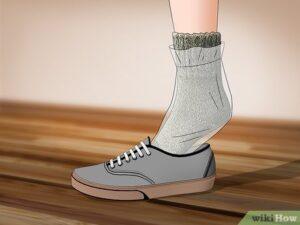
You likely need a wide shoe if your toes feel cramped, the shoe bulges, or pain is regular.
I’ve helped many people find better-fitting shoes in clinics and stores. In this guide I’ll explain how to know if i need a wide shoe. You’ll learn simple checks, how to measure your feet at home, red flags from foot pain, shopping tips, and when to ask a professional for help. Read on to make shoes feel right and protect your feet for years.
Why shoe width matters
Shoes that fit only by length can still cause pain. A narrow shoe squeezes toes, raises pressure on bunions, and leads to blisters or calluses. Proper width spreads weight evenly. That reduces pain and lowers injury risk.
Foot shape varies a lot. Two people with the same shoe size can need different widths. Foot conditions like bunions or swelling make width more important than length. Knowing how to know if i need a wide shoe helps you choose shoes that protect function and comfort.

Common signs you need a wide shoe
If you notice any of these signs, you may need a wider shoe. Check your feet after a full day of walking or at the end of the day when feet swell.
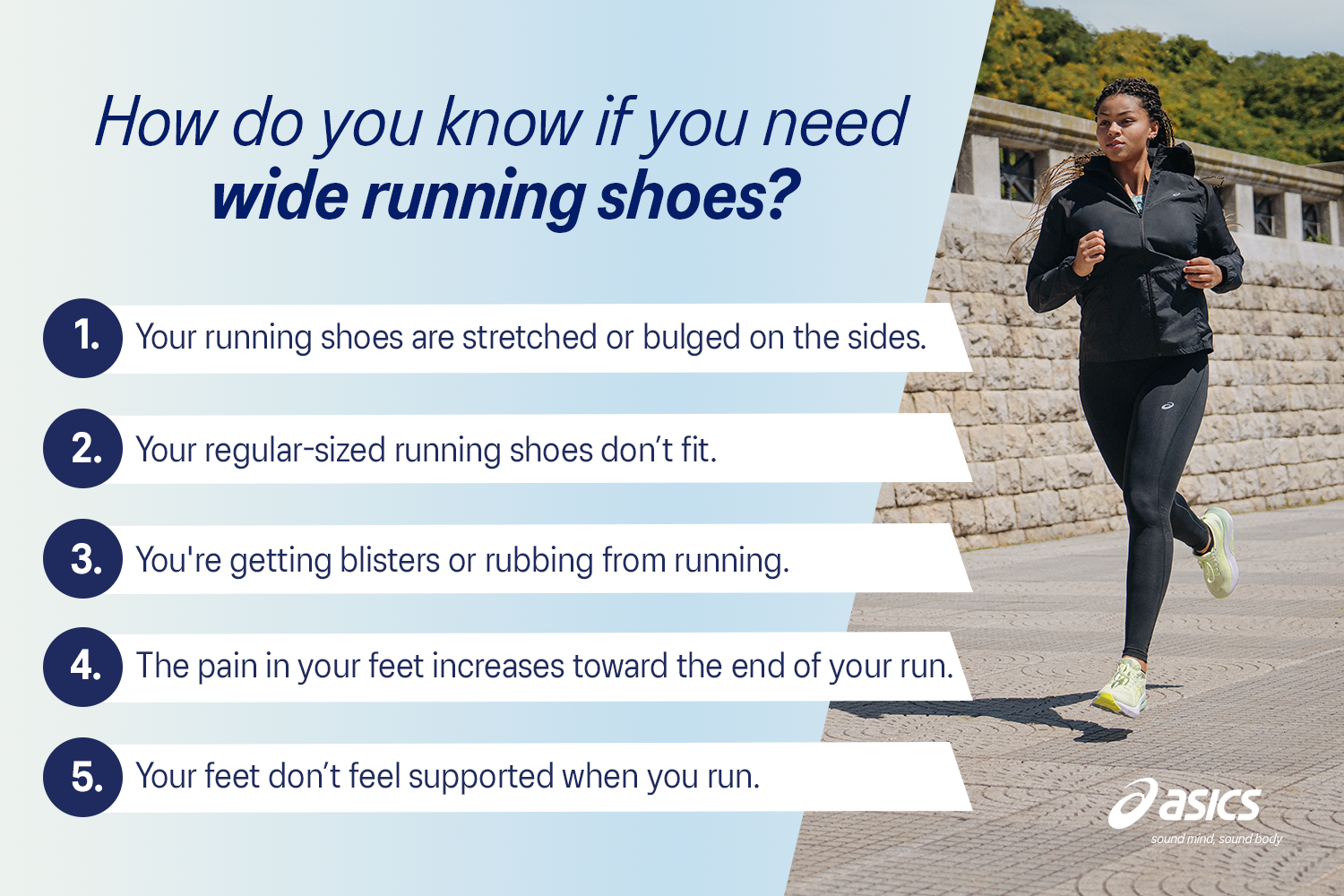
- Toes feel squashed or overlap in shoes.
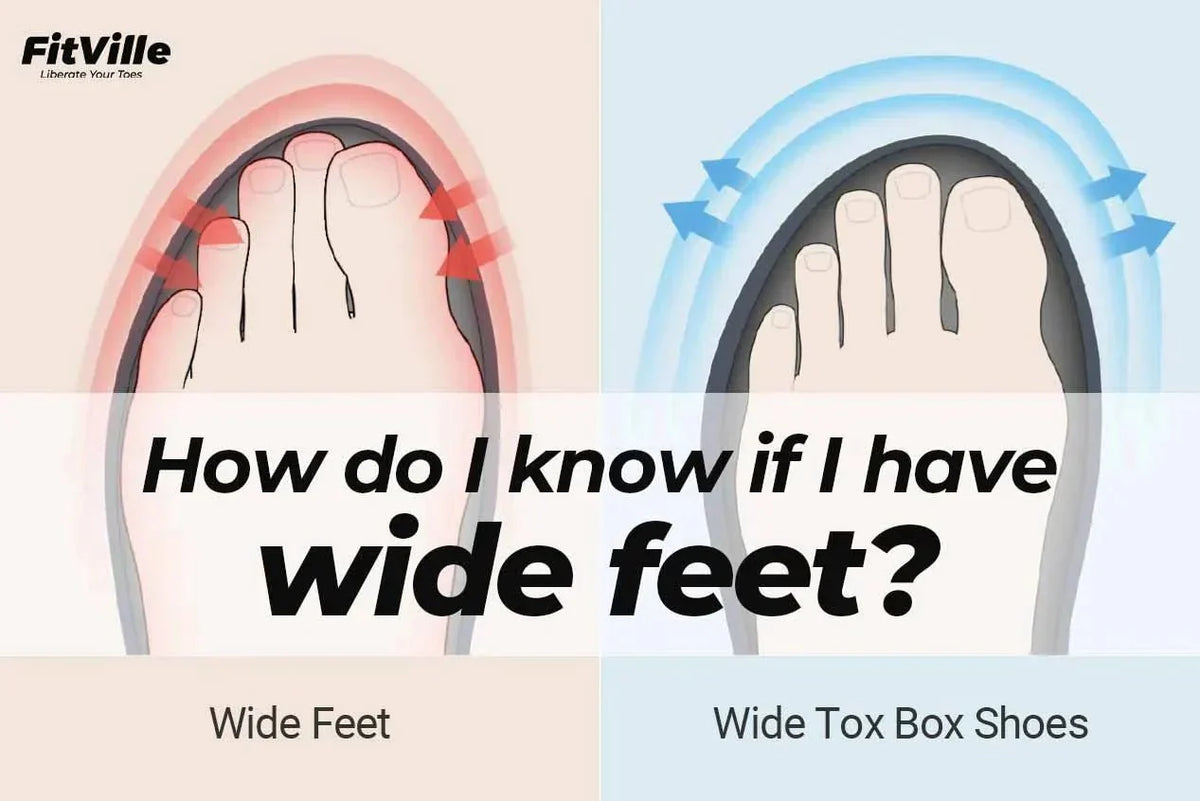
- Bulging at the sides of the shoe near the ball of the foot.
- Numbness or tingling in the toes while wearing shoes.
- Recurrent blisters, corns, or calluses on the sides of toes or ball of foot.
- Persistent pain across the forefoot or at the base of the big toe.
- Shoes leave red marks or indentations on the skin after wearing them.
How to measure foot width at home
A simple measurement avoids guesswork. Measure both feet. Use the larger foot for sizing.
- Place a blank sheet of paper on the floor. Stand on it with full weight while wearing socks you usually wear with the shoe.
- Trace the outline of your foot with a pen held upright.
- Measure the longest toe to heel for length. Measure the widest part across the ball of the foot for width.
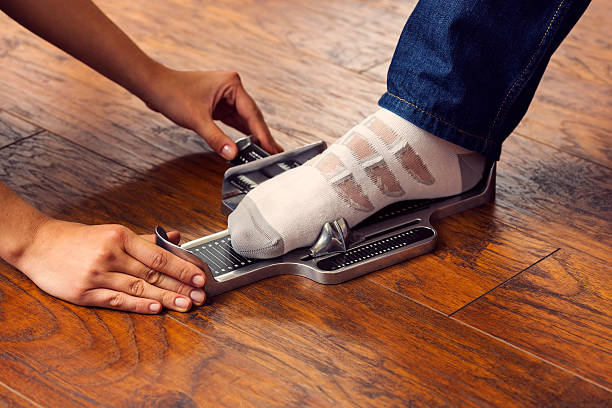
- Compare width to a shoe brand’s size chart or measure against a Brannock-like scale. If your width is wider than standard, you need a wide fit.
Also try this quick test while wearing a well-fitting shoe. Can you wiggle your toes freely? Is there firm support at the heel without pinching? If not, you likely need wider shoes. Knowing how to know if i need a wide shoe starts with this simple check.
Understanding shoe width labels and what they mean
Shoe widths use letters or numbers. For men, D is often standard, and E or 2E is wide. For women, B is standard and D is wide. Different brands vary, so learn each brand’s chart.
- Width letters indicate how roomy the forefoot is.
- Extra-wide options may be labeled 2E, 4E, or W.
- Some brands offer "wide toe box" designs without changing the entire width.
If a brand uses vague terms like "comfort fit," check measurements or try the shoes on. The phrase how to know if i need a wide shoe includes learning these labels so you buy the right fit.

Shoe shopping tips and fit rules
Smart shopping keeps you comfortable. Follow these simple rules.
- Shop in the afternoon. Feet swell later in the day.
- Wear the socks you will use with the shoes.
- Try both shoes and walk for several minutes to test fit.
- Ensure about a thumb’s width from the longest toe to the front.
- Check that the forefoot has no pinching and toes can move up and down.
- Use adjustable lacing to secure the heel and open the forefoot if needed.
- Prefer brands with wide sizing or stretch materials when you need more room.
If online shopping, read return policies, and check the brand’s size chart carefully. This process helps you answer how to know if i need a wide shoe before you buy.

Foot conditions and health reasons to choose wide shoes
Certain health issues make wide shoes a necessity rather than a comfort choice. Wider shoes reduce pressure and lower the chance of complications.
- Bunions: extra width prevents pressure on the joint.
- Hammertoes: a roomier toe box stops rubbing and irritation.
- Swelling and edema: loose-fitting shoes reduce pinching during swelling.
- Diabetes: wide shoes lower the risk of pressure sores and ulcers.
- Neuropathy: less pressure decreases injury risk when sensation is poor.
If you have any of these conditions, consult a foot specialist before altering shoe size. They can recommend protective footwear or custom options.
Types of wide shoes and modifications
There are many ways to get more room without sacrificing support.
- Ready-made wide-width shoes: come in 2E, 4E, or W labels.
- Wide toe box designs: stretch the forefoot area while keeping heel fit.
- Stretch materials: soft uppers conform to the foot and reduce pressure points.
- Aftermarket modifications: stretching by a cobbler or using toe box stretchers.
- Custom orthotics and insoles: redistribute pressure and improve comfort.
- Adjustable straps and lacing systems: let you open the forefoot for extra room.
When modifying a shoe, keep support intact. Stretching a shoe too much can reduce stability. That’s why knowing how to know if i need a wide shoe includes picking the right approach for your foot shape.
When to see a professional
See a podiatrist or certified pedorthist if you have chronic pain, wounds, or diabetes. A professional exam can diagnose structural problems and recommend custom footwear. They can measure precisely and advise on orthotics or custom-made shoes.
If you struggle to find any shoe that fits, ask for a professional fitting. It can save time, money, and prevent long-term foot problems. This step is vital to fully answer how to know if i need a wide shoe for complex cases.
Personal experience and practical tips
I’ve worked with many clients who ignored width for years. One client bought larger sizes to avoid pinching. That caused heel slippage and new knee pain. We switched to properly measured wide shoes and the pain eased within weeks.
Lesson learned: length and width both matter. Measure both feet. Try shoes on, walk in them, and trust the discomfort signals from your feet. Small changes—better width, different lacing, or a soft upper—can make a big difference.
Frequently Asked Questions of how to know if i need a wide shoe
How can I tell if my shoe is too narrow?
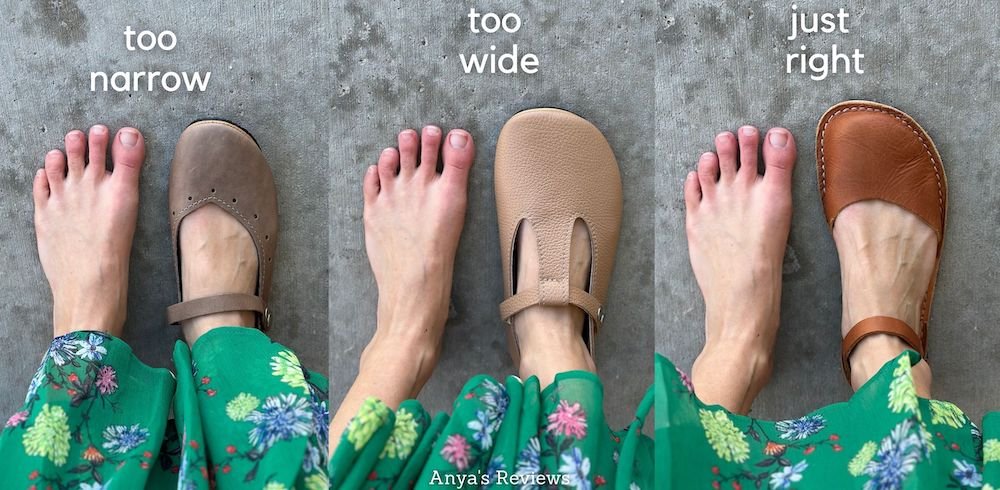
Look for pinching, red marks, and toes that overlap. Pain in the ball of the foot or recurring blisters are also signs.
Are wide shoes always better for comfort?
Not always. Wide shoes help if your foot needs more room. Too-wide shoes can cause slippage and poor support if they do not fit the heel properly.
Can I stretch a narrow shoe to make it wider?
Yes, minor stretching is possible with a cobbler or toe box stretcher. Stretching works best for soft materials and small adjustments.
Should I size up if I need more width?
Sizing up can increase length but not always width. It may create excess room at the heel. Try brand-specific wide sizes or consult a fitter instead.
Do orthotics change the need for a wide shoe?
Orthotics can redistribute pressure and sometimes reduce the need for wider shoes. In many cases, orthotics work best with a shoe that already has suitable width.
Conclusion
Finding the right width matters as much as finding the right length. Watch for signs like pinching, bulging, numbness, or calluses. Measure both feet, test shoes in person, and choose brands or styles that offer true wide fits. If you have foot conditions or persistent pain, seek professional advice.
Take action today: measure your feet, try a wide fit if you see any signs, and keep notes on what works. Share your experience or ask a question below to get personalized tips.

Rubel Miah is the Senior Editor at MyStyleGrid.com, where he brings a sharp editorial eye and an unshakable love for fashion to everything he does. A true style addict, Rubel lives and breathes trends, from streetwear to high fashion, and has a knack for turning inspiration into impactful stories. With years of experience in fashion journalism and digital media, he curates content that empowers readers to express themselves through style. When he’s not editing features or forecasting the next big thing, you’ll find him hunting down vintage pieces or capturing street style moments around the city.