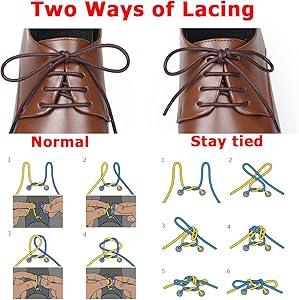
Use even, tight cross-lacing: start at the bottom, keep tension equal, finish with a tidy knot.
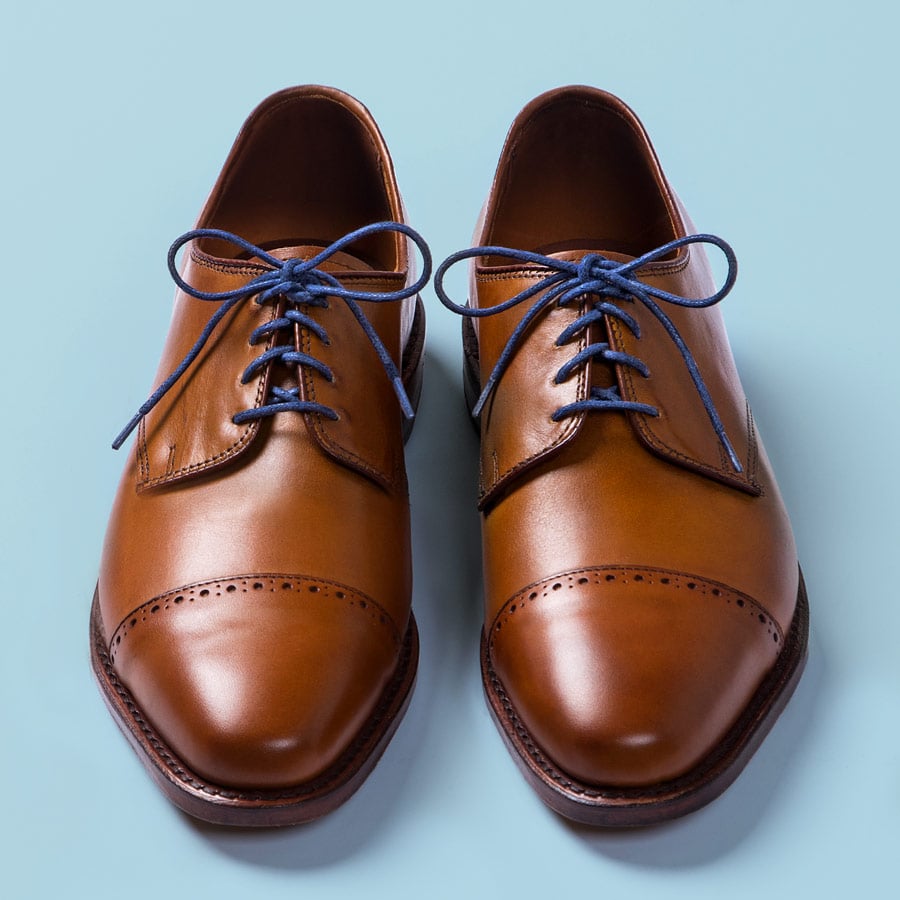
I have spent years fitting shoes and teaching others how to lace dress shoes with precision. This guide walks you through clear steps, proven methods, and real tips I use every day to get a clean, comfortable, and professional look. You will learn why lacing matters, which methods suit oxfords and derbies, and practical fixes for fit and comfort. Read on to master how to lace dress shoes like a pro.
Why proper lacing matters
Good lacing changes how a shoe fits. It controls pressure across the top of your foot. Proper lacing improves comfort, holds the heel in place, and keeps the shoe looking sharp. Learning how to lace dress shoes helps you avoid blisters and keeps your footwear lasting longer.

Tools and prep before you lace dress shoes
Prepare before you start. Check lace length, type, and condition. Thin, waxed laces suit dress shoes best. If your laces are frayed or too short, replace them for a cleaner result.
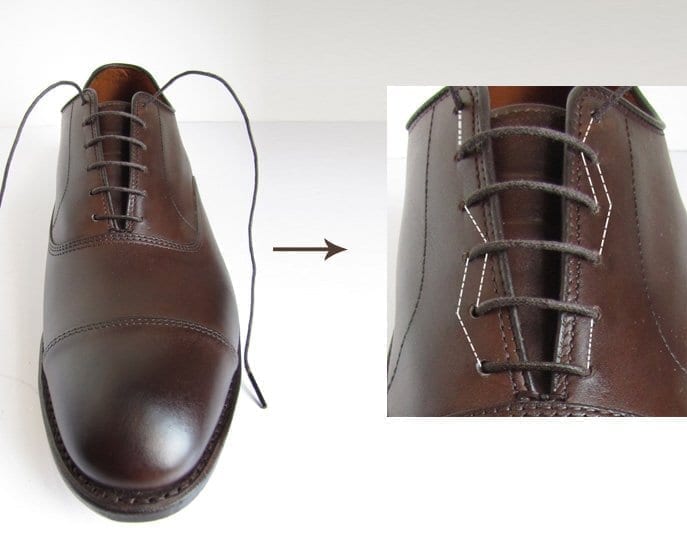
Common lacing methods for dress shoes
Choose a method based on shoe type and look. Some styles favor a tidy, formal finish. Others prioritize comfort or ease of tightening. Here are the common choices and when to use them.
Criss-cross lacing
This is the most familiar method. It works on most derbies and casual dress shoes. It balances pressure and is quick to tighten.
Straight (bar) lacing
This gives a neat, formal look. It’s classic for oxfords and closed-lacing shoes. It hides most of the lace across the shoe, creating a clean appearance.
Over-under (hidden knot) lacing
This reduces friction and preserves lace life. It also keeps tension consistent. Use it when you want both comfort and a smooth look.

Step-by-step: How to lace dress shoes with the criss‑cross method
- Prepare the lace
- Use equal lengths on both sides. Thread the lace through the bottom eyelets from the outside in.
- Start the cross
- Cross the left end over the right end. Feed the left end through the next right eyelet from the outside.
- Continue upward
- Repeat the cross-over for each pair of eyelets. Keep tension even from bottom to top.
- Finish and knot
- When you reach the top, pull evenly to seat the tongue. Tie a secure, neat knot that sits flush with the shoe.
This criss-cross method is simple, fast, and works for many dress shoes. It allows easy adjustment and keeps pressure balanced. Practice once or twice and you will do it quickly.

Step-by-step: How to lace dress shoes with straight (bar) lacing
- Prepare the lace
- Start with the lace centered. Insert both ends into the bottom eyelets from the inside, so they sit inside the shoe.
- Create the first bar
- Take the left end straight across and out the next left eyelet. Repeat on the right.
- Alternate sides
- Bring each end up vertically through the eyelet directly above and then straight across again.
- Finish cleanly
- The bars should sit flat across the shoe. Tie a small, tidy knot that does not bulge.
Straight lacing gives a clean formal look. It works best on shoes with fewer eyelets and a closed throat. Use it when you want a polished presentation.
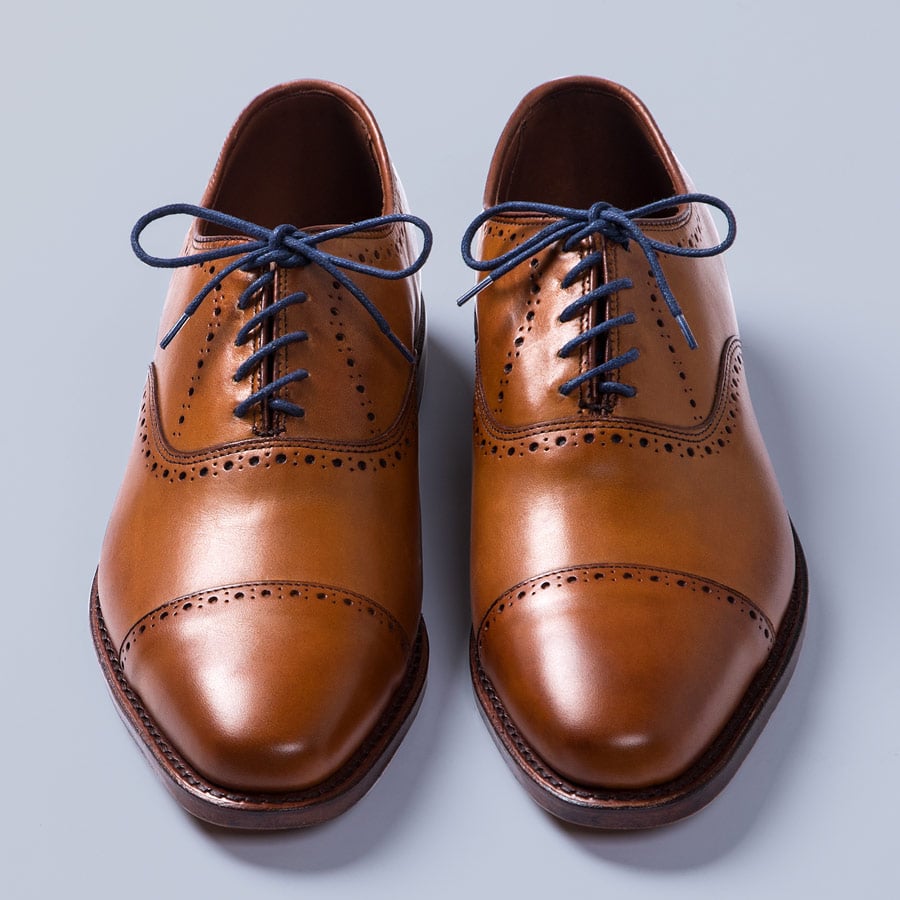
Adjusting fit, comfort, and symmetry when you lace dress shoes
Small tweaks change fit a lot. Tighten the middle to reduce toe pressure. Loosen near the ankle to avoid pinching. If your heel slips, tighten lower eyelets and add a half turn to the knot. Try different lace tensions until the shoe feels stable and even. Practicing how to lace dress shoes for your foot shape saves time and prevents pain.

Common mistakes and how to avoid them when lacing dress shoes
Avoid uneven tension. Uneven tension causes hotspots and blisters. Don’t use overly thick laces on tight eyelets. Over-tight knots can damage eyelets and lace tips. Avoid long loose ends that get trapped under your pants. Learn how to lace dress shoes with proper care to prevent these issues.

Caring for laces and prolonging their life
Clean laces gently with mild soap and water. Let them air dry completely before relacing. Replace laces when fraying starts. Waxed dress shoe laces last longer and keep a neat look. Proper care extends both lace life and shoe appearance.
Frequently Asked Questions of how to lace dress shoes
How long should dress shoe laces be?
Most dress shoes need laces that are 27 to 36 inches long, depending on eyelets. Count eyelets and test one pair for best fit.
Which lacing method is best for oxfords?
Straight (bar) lacing looks most formal on oxfords. It creates a clean, minimal face on closed-lacing shoes.
Can I use dress shoe laces on casual shoes?
Yes. Thin, waxed dress laces can work on casual shoes, but thicker casual laces may give better durability and a relaxed look.
How tight should I lace my dress shoes?
Lace firmly but not painfully. The shoe should hold your foot without pinching. Adjust after a short walk to fine-tune tension.
How do I fix heel slippage when lacing?
Tighten lower eyelets and pull the tongue slightly forward. Consider a heel grip insert if slippage continues.
Conclusion
Mastering how to lace dress shoes improves comfort, fit, and style. Start with the right lace, choose a method that suits your shoe, and keep tension even. Practice these steps and you will notice better comfort and a smarter look. Try one method today and adjust it for your foot—then come back and share which worked best.

Rubel Miah is the Senior Editor at MyStyleGrid.com, where he brings a sharp editorial eye and an unshakable love for fashion to everything he does. A true style addict, Rubel lives and breathes trends, from streetwear to high fashion, and has a knack for turning inspiration into impactful stories. With years of experience in fashion journalism and digital media, he curates content that empowers readers to express themselves through style. When he’s not editing features or forecasting the next big thing, you’ll find him hunting down vintage pieces or capturing street style moments around the city.