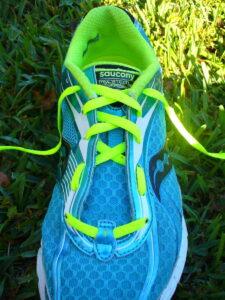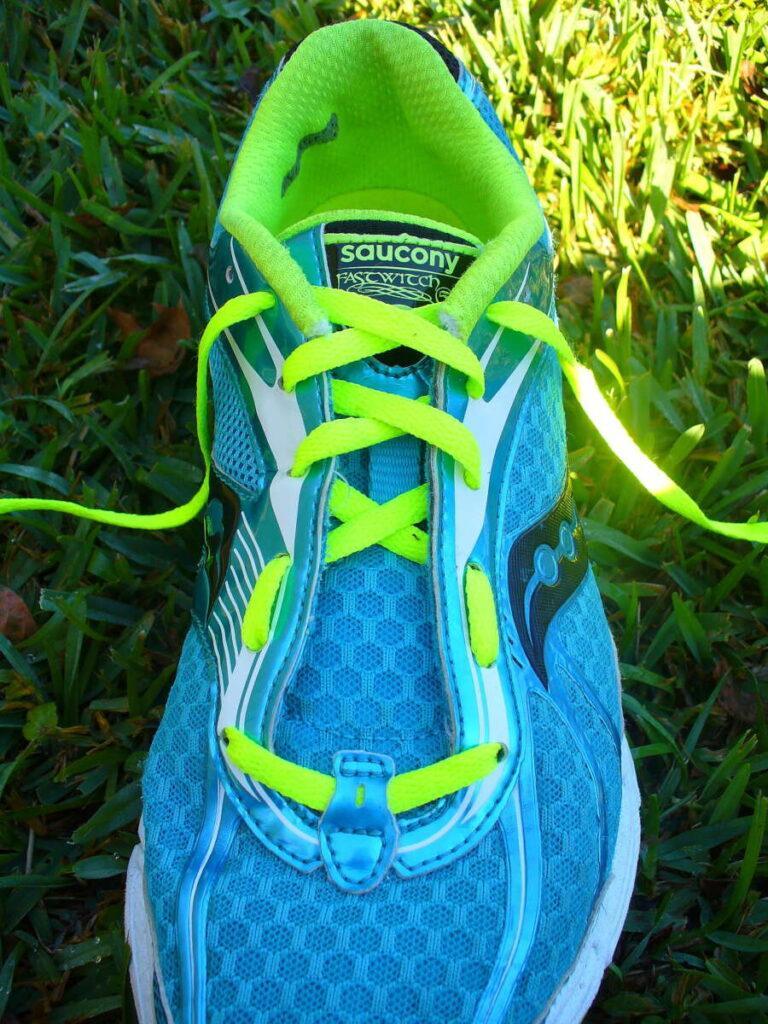
Loosen the lower eyelets and use parallel or gap lacing to create more toe and forefoot room.
I’ve spent years fitting runners with wide feet and dialing in lacing that actually works. This guide explains exactly how to lace running shoes for wide feet, with clear techniques, step-by-step instructions, and practical tips you can try today. I’ll show why small lacing changes make big comfort gains, how to spot fit problems, and which knots and patterns reduce pressure without losing support. Read on to stop pinching your toes and start running more comfortably.

Why lacing matters for wide feet
Good lacing changes how the shoe hugs your foot. For wide feet, the wrong pattern can squeeze the forefoot, pinch toes, or force you to size up unnecessarily. Proper lacing opens space where you need it while keeping the heel stable.
Lacing affects pressure distribution, arch support, and heel lock. Small changes can reduce numbness, blisters, and forefoot pain. If you want to keep your shoe secure without compressing your foot, learning how to lace running shoes for wide feet is essential.

Tools and fit checks before you lace
Before changing laces, check fit and materials. Measure your foot width and compare it to the shoe last. Try shoes at the end of the day when feet are a bit swollen.
Use these tools and checks:
- Wide laces or flat, stretchy laces to reduce pressure on the top of the foot.
- A soft fabric pad or tongue pad if pressure is localized.
- A mirror or phone camera to watch how the shoe sits while you tighten.
Do a quick fit test:
- Stand and tighten normally.
- Walk and jog in place for a minute.
- Check that toes have about a thumb’s width of space and the heel does not slip.

Lacing techniques that work for wide feet
There are a few reliable patterns when learning how to lace running shoes for wide feet. Start with the simplest and add tweaks for comfort.
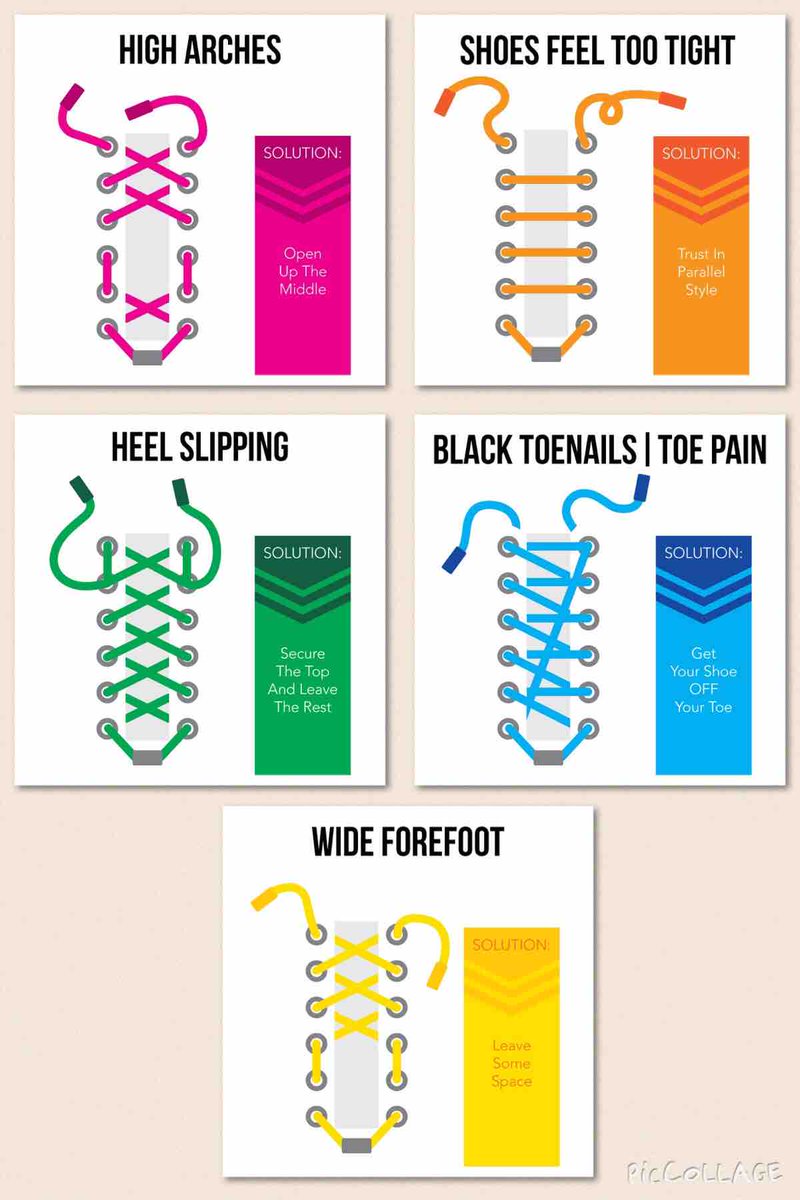
Parallel (straight) lacing
- Creates a low-pressure zone across the forefoot.
- Best when the shoe is generally too tight across the top.
Gap (window) lacing
- Skips one or two eyelets over the widest part of your foot.
- Gives immediate relief where bones protrude or toes feel pinched.
Wider toe-box lacing (for bunions or wider forefoot)
- Lace more loosely over the forefoot while maintaining midfoot hold.
- Combines open spacing at the bottom with firmer ties at the top.
Heel-lock (runner’s loop)
- Keeps the heel secure without over-tightening the forefoot.
- Ideal if heel slip is causing you to tighten lower laces too much.
Elastic or lock laces
- Stretch laces let the shoe expand naturally with foot shape.
- Great for day-to-day comfort and minimal fuss.

People also ask
Will parallel lacing help my wide feet get more room?
Yes. Parallel lacing reduces crossing points that press into the top of your foot, creating a wider feel over the forefoot.
Is skipping eyelets safe for running?
Yes, if you balance midfoot and heel security. Skip only over the widest area and use a heel-lock if needed.
Step-by-step guides: how to lace running shoes for wide feet
Below are clear steps for the most useful patterns. Follow them slowly and test as you go.
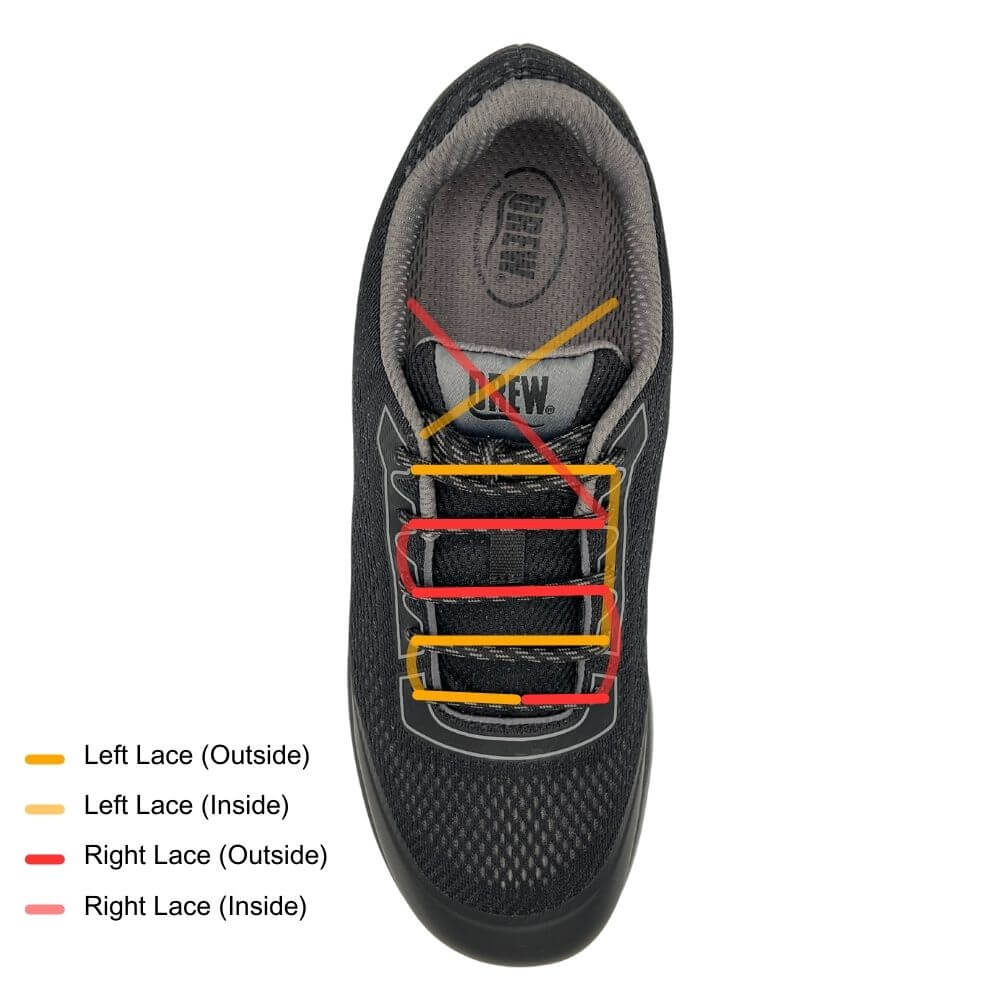
Parallel (straight) lacing steps
- Remove existing lace and start at the bottom, feeding the lace straight across into both eyelets.
- Run each lace end straight up and out to the next eyelet on the same side, creating parallel bars across the shoe.
- Continue until the top. Tie normally. Adjust tension to feel wide across the forefoot.
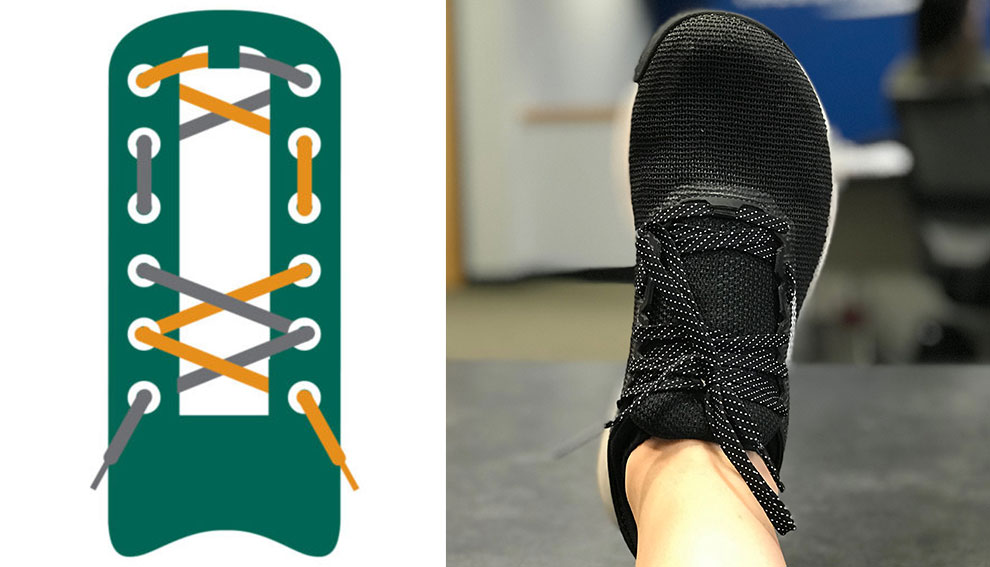
Gap (window) lacing steps
- Lace normally up to the eyelet just before the widest part of your foot.
- Skip one pair of eyelets over the pressure point.
- Continue lacing above the skip and tie with a heel-lock if needed.
Heel-lock (runner’s loop) steps
- Lace normally to the second-to-top eyelets.
- Thread each lace back through the top eyelet on the same side to create a loop.
- Cross laces and pass through the loops, then pull tight to lock the heel. Tie a secure knot.
Elastic laces steps
- Replace standard laces with elastic or stretch laces.
- Lace through all eyelets evenly, pulling tension to comfort.
- Use the locking mechanism that comes with the laces for a tidy finish.
Common mistakes and how to avoid them
Many runners over-tighten lower eyelets. This squeezes the toes and ruins comfort.
- Avoid tightening the bottom two pairs too much.
- Adjust tension progressively from bottom to top.
Another mistake is skipping heel security. If you skip eyelets but don’t lock the heel, you’ll get slippage.
- Use the heel-lock when you skip eyelets for the forefoot.
Using thin, rounded laces can bite into the foot. Flat, wide laces spread pressure.
- Swap to flatter laces to improve comfort across the top of the foot.

How to choose shoes and socks with lacing for wide feet
Lacing helps, but shoe choice matters. Look for these features:
- A roomy toe box without a tapered toe.
- A wider last or options labeled “wide.”
- Breathable upper that stretches slightly.
Socks matter too:
- Use thin, seamless or low-bulk socks to maximize space.
- Consider performance socks with targeted padding if you need extra protection.
If you still feel pinched after trying multiple lacing patterns, consider a wider shoe model. Lacing can only redistribute space, not add it beyond the shoe’s shape.
Maintenance and small adjustments while running
Feet swell during runs. Make quick tweaks to maintain comfort.
- Loosen top eyelets for mid-run swelling.
- Re-tie with a double knot if laces slip.
- Replace laces every 6–12 months if they lose elasticity.
Track what works. Note which pattern and tension you use on different routes. Consistent adjustments lead to better long-term comfort.
Personal experience and practical tips
I’ve tested dozens of shoes with runners who have wide feet. The single biggest win I saw was using gap lacing across the forefoot with a heel-lock. It reduced numb toes and kept the foot stable on runs up to 10 miles.
A few lessons I learned:
- Don’t judge a lacing method until you run at least 10 minutes with it.
- Small lace changes can avoid buying a new shoe or going up a size.
- Try a lace swap before returning a pair; flat or elastic laces often fix problems.
If you race, practice your lacing pattern in training. Never change lacing on race day.
Frequently Asked Questions of how to lace running shoes for wide feet
How tight should I lace running shoes for wide feet?
Lace so the forefoot feels secure but not squeezed. You should be able to wiggle your toes and feel no concentrated pressure across the top.
Can lacing fix a shoe that is too narrow?
Lacing can provide relief and redistribute pressure, but it can’t make a narrow shoe into a wide one. If toes are crammed, try a wider model.
Which lacing pattern is best for bunions or forefoot pain?
Gap lacing or window lacing is best for bunions. It opens space over the painful area while allowing other parts to stay snug.
Are elastic laces good for wide feet?
Yes. Elastic laces adapt to foot shape and swelling. They are ideal for daily runs and provide consistent comfort.
Should I use a heel-lock if I have wide feet?
Yes, if you experience heel slip. The heel-lock secures the back of the foot without over-tightening the forefoot.
How often should I adjust laces during a run?
Adjust at the first sign of pressure or slippage. Typically one or two small tweaks during longer runs keeps comfort steady.
Conclusion
Learning how to lace running shoes for wide feet is a simple way to improve comfort and performance. Use parallel lacing, gap lacing, or elastic laces to create room where you need it, and add a heel-lock for stability. Test patterns in training, track what works, and pair proper lacing with the right shoe and sock choices.
Take action: try one lacing method this week, note the difference, and share your results. If you found this helpful, subscribe for more shoe-fitting tips or leave a comment with your questions.

Rubel Miah is the Senior Editor at MyStyleGrid.com, where he brings a sharp editorial eye and an unshakable love for fashion to everything he does. A true style addict, Rubel lives and breathes trends, from streetwear to high fashion, and has a knack for turning inspiration into impactful stories. With years of experience in fashion journalism and digital media, he curates content that empowers readers to express themselves through style. When he’s not editing features or forecasting the next big thing, you’ll find him hunting down vintage pieces or capturing street style moments around the city.