Make cologne without alcohol using oil or water bases, essential oils, and natural fixatives.
I’ve spent years blending scents and testing non-alcohol formulas, so I’ll walk you through clear, safe steps for how to make cologne without alcohol. This guide covers ingredients, step-by-step methods, three easy recipes, safety notes, and tips I learned from hands-on trials so you can make a lasting, skin-friendly fragrance at home.

Why choose alcohol-free cologne?
Alcohol-free colognes are gentler on skin. They work well for people with sensitivity or dry skin. They also suit climates where alcohol evaporates too fast and reduces scent longevity.
Making alcohol-free cologne gives you control over ingredients. You can avoid synthetic solvents and make something natural and eco-friendly. I’ve found these blends often feel richer on skin and can last if you pick the right carrier and fixative.
Key ingredients and tools for alcohol-free cologne
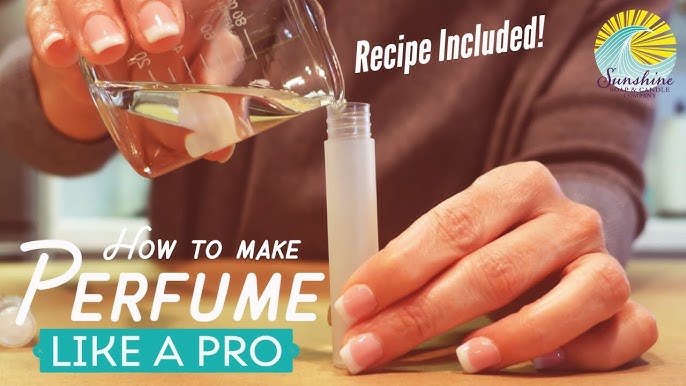
Choose one base carrier: fractionated coconut oil, jojoba oil, or distilled water with glycols. Carriers carry and release scent on the skin. Oil bases extend scent life; water bases feel lighter.
Pick essential oils and aroma components: top notes (citrus, herbs), middle notes (floral, spice), base notes (woods, resins). Use a fixative: benzoin tincture, vegetable glycerin, or natural resins to slow evaporation. Fixatives are crucial for how to make cologne without alcohol because they help scent last.
Tools you need:
- Small glass bottles with droppers or spray tops for application.
- Amber or cobalt bottles to protect oils from light.
- Small funnels, pipettes, measuring syringes, and labels.
Step-by-step: how to make cologne without alcohol
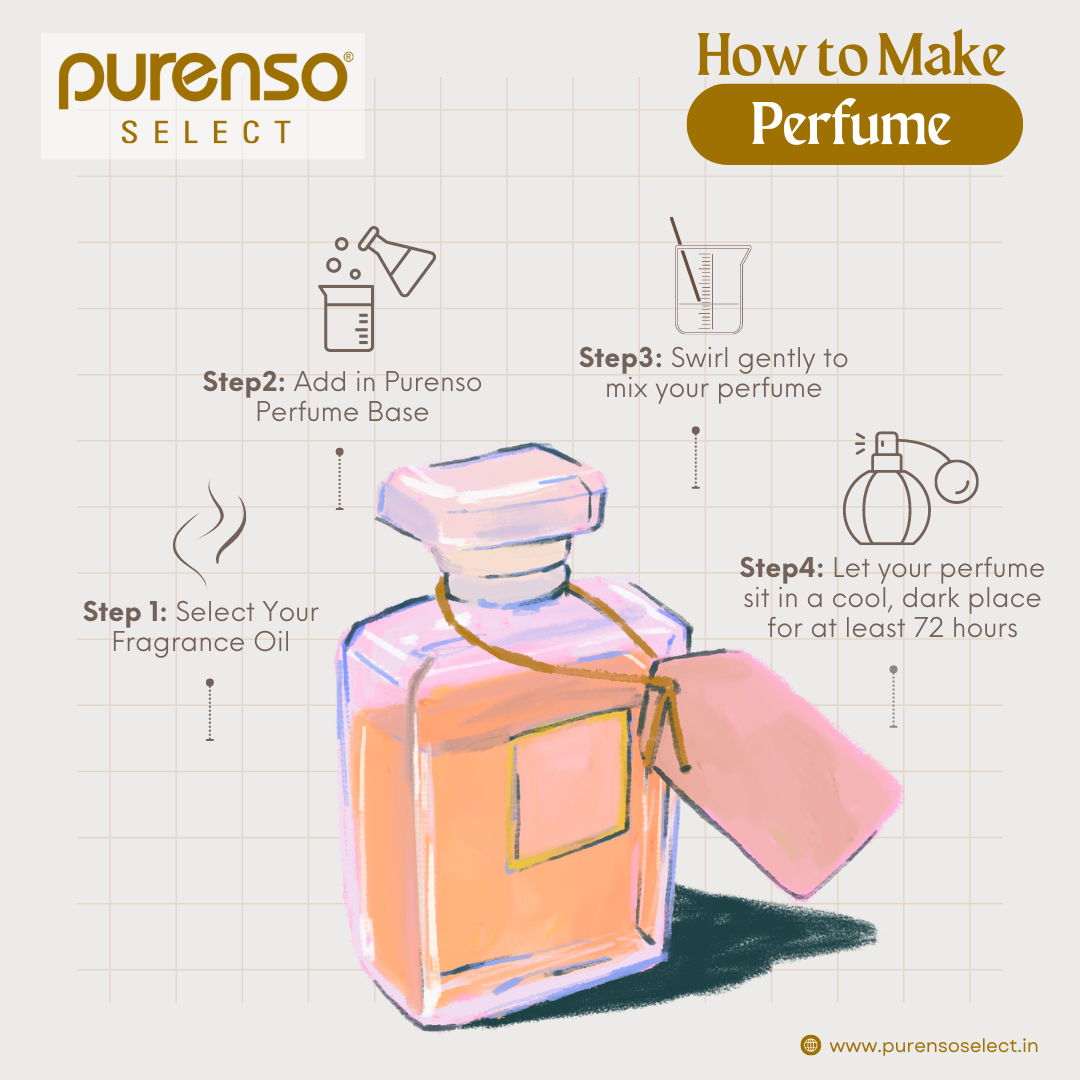
Follow simple steps to create balanced, non-alcohol cologne. Keep notes and test small batches.
- Plan your blend
- Use a 3-part rule: 30% top notes, 50% middle notes, 20% base notes.
- For beginners, choose 3–5 oils total.
- Calculate concentration
- For a light cologne aim for 3–6% essential oil in carrier.
- For a stronger extrait aim for 10–15% in oil base.
- Blend oils
- Mix essential oils first in a glass vial. Let them marry for a few hours.
- Add the carrier dropwise and mix.
- Rest and test
- Let the blend rest 48–72 hours, then test on skin.
- Adjust by adding small amounts of base notes for depth or top notes for pop.
- Finalize and store
- Bottle in colored glass and store in a cool, dark place. Label with date and formula.
This process shows how to make cologne without alcohol that smells balanced and lasts. Keep batches small until you find a formula you love.

Three simple alcohol-free cologne recipes
These recipes are ready to try and easy to scale. Each yields about 30 ml.
Recipe A — Fresh Citrus Oil Cologne (oil base)
- 30 ml jojoba oil
- 12 drops bergamot
- 8 drops sweet orange
- 6 drops lavender
- 4 drops cedarwood
Mix essential oils first. Add to jojoba and shake gently. Rest 48 hours before use.
Recipe B — Warm Spice Water Cologne (hydrosol-glycerin base)
- 25 ml distilled rose hydrosol
- 4 ml vegetable glycerin
- 10 drops cardamom
- 6 drops neroli
- 4 drops frankincense
Combine glycerin with essential oils, emulsify into hydrosol by shaking, then store in spray bottle.
Recipe C — Deep Wood Extrait (oil base, stronger)
- 25 ml fractionated coconut oil
- 10 drops vetiver
- 8 drops sandalwood
- 6 drops bergamot
- 6 drops labdanum resin (if available)
Blend oils, add to carrier, and let age 2–4 weeks for full depth.
These recipes demonstrate varied approaches to how to make cologne without alcohol for different moods and skin types.

Testing, aging, and shelf life
Testing matters. Apply a small amount on the wrist and wait at least 30 minutes for true dry-down. Record what you like or dislike. Aging lets notes meld and mellow.
Shelf life depends on carrier and storage. Oil-based colognes last 1–3 years if stored cool and dark. Water-based mixes last 3–6 months unless you add a preservative. Always label with date and toss if smell turns sour or off.

Safety, allergies, and legal notes
Patch test any blend on forearm 24 hours before regular use. Essential oils are potent and can irritate skin. Reduce citrus oils before sun exposure to avoid photosensitivity.
Keep essential oil dilution low, especially for children, pregnant people, and sensitive skin. Some oils have restrictions for topical use. Be transparent about ingredients if you share or sell. These steps build trust and show care when teaching how to make cologne without alcohol.

Tips, mistakes to avoid, and practical notes from experience
From my trials, small batches save time and waste. I once made a liter of a blend that failed—so start small. Keep a scent diary with ratios and notes.
Common mistakes:
- Using too much top note makes cologne fade quickly.
- Skipping a fixative leaves scent thin and short-lived.
- Storing in clear bottles shortens shelf life.
Practical tips:
- Use jojoba for a non-greasy oil feel and long shelf life.
- For spray feel with oil base, use an atomizer labeled for oils.
- Mix and wait—patience improves blends.
These tips reflect hands-on learning and will help you succeed when you make cologne without alcohol.

Frequently Asked Questions of how to make cologne without alcohol
What carriers work best for alcohol-free cologne?
Jojoba oil, fractionated coconut oil, and glycerin-water blends work well. Jojoba is long-lasting and gentle on skin.
How much essential oil should I use?
Aim for 3–15% total concentration depending on strength preference. Start low and increase slowly after testing.
Will oil-based cologne stain clothing?
Oil-based blends can leave faint marks if applied heavily. Dab lightly on skin and let it absorb before dressing.
Can I use synthetic aroma isolates?
Yes, synthetics can add stability and cost-effectiveness. Use them sparingly and label blends if sharing or selling.
How long should I age my homemade cologne?
Let oil-based blends rest 2–4 weeks for best integration. Water-based colognes need less aging and are ready in a few days.
Conclusion
Making alcohol-free cologne is simple, creative, and kind to skin. Use safe carriers, balance notes, test small batches, and store blends properly. Start with one recipe, keep clear notes, and tweak slowly to find your signature scent. Try a small batch this week, leave a comment about your result, and subscribe for more scent-making tips.

Rubel Miah is the Senior Editor at MyStyleGrid.com, where he brings a sharp editorial eye and an unshakable love for fashion to everything he does. A true style addict, Rubel lives and breathes trends, from streetwear to high fashion, and has a knack for turning inspiration into impactful stories. With years of experience in fashion journalism and digital media, he curates content that empowers readers to express themselves through style. When he’s not editing features or forecasting the next big thing, you’ll find him hunting down vintage pieces or capturing street style moments around the city.