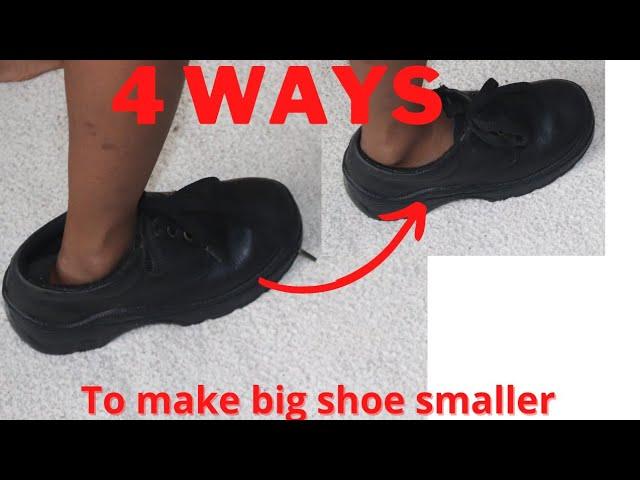
Most shoes can be adjusted to fit better using simple stretches, insoles, and smart tricks.
I have worked with shoes for years and helped many people fix fit problems. This guide shows clear, proven ways to make shoes comfortable fast. You will learn how to make shoes fit by measuring, stretching, padding, and choosing the right tools. Read on for step-by-step tips, real-life examples, and expert advice you can use today.

Why shoes often do not fit
Shoes can feel wrong for many simple reasons. Feet swell during the day, sizes vary by brand, and styles fit shapes differently. Age, foot shape, and foot conditions also change how shoes sit. Knowing why a shoe feels off helps you fix it fast and keep your feet healthy.

How to measure your feet right (and use that info to make shoes fit)
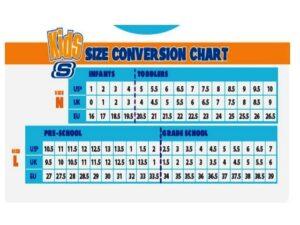
Measure feet late in the day when they are largest. Stand on a ruler or paper and trace each foot with weight on it. Note length and the widest point and compare to brand charts. If you use these numbers you can choose the right size and reduce the need to force shoes to fit.

Quick fixes for tight shoes
Try these easy methods when shoes feel too tight. They work on most leather and synthetic pairs.
- Wear thick socks and use a hairdryer on the tight area for a few minutes while flexing the shoe. This relaxes the material and opens the fit.
- Use a shoe stretcher for one to two days for lasting width or length changes. It is cheap and safer than forcing shoes by hand.
- Insert a thin insole to lift your foot if toes hit the front. This can change pressure points and help shoes feel better.
- Freeze a sealed bag of water placed inside the shoe to expand hard-to-stretch areas slowly. The ice gently pushes the material outward.
I learned the hairdryer trick from a cobbler I worked with. It saved a favorite pair of leather boots after one weekend of careful warming and walking.

Source: ooeygooey.com
Quick fixes for loose shoes
Loose shoes slip and cause blisters. These fixes tighten the fit without costing much.
- Use full-length or gel insoles to take up extra space. They add volume and cushion at once.
- Add heel grips or sticky pads behind the heel to stop slipping. They are small but work well for many shoes.
- Try tongue pads to push your foot back toward the heel. This helps narrow roomy toe boxes.
- Wear thicker socks or double up for casual wear to fill space quickly.
I once used thin heel grips to save a dress shoe that was one size too big. The grips stopped heel slip and kept the shoe wearable all night.

Source: deerspa.com
Gentle shoe stretching techniques that work
Stretching can change fit without damage when done right. Use these safe approaches.
- Use a quality shoe stretcher with adjustable plugs for precise width work. Leave it in for 24 to 48 hours.
- Apply leather stretch spray before using a stretcher or wearing the shoe to break in the material faster.
- For spot stretching, target tight seams with the hairdryer and stretch by hand or with a shoe tree.
- Avoid sharp tools or extreme heat. They can warp glue, melt linings, or weaken shoes.
Professional stretching is best for expensive footwear. I once ruined a pair by overheating them at home. After that I invested in a stretcher and learned proper timing.

Source: vilktukas.lt
Insoles, orthotics, and professional help
Insoles and orthotics change fit and function. They are key when comfort and support matter.
- Removable insoles let you change thickness and arch support quickly. Try a few types to find the best fit.
- Custom orthotics from a podiatrist solve persistent pain and alignment issues. They will change how your shoe fits and feels.
- A cobbler can resize, add padding, or professionally stretch many shoes. For costly pairs, this is worth it.
I had custom orthotics after years of foot pain. They improved comfort and forced me to buy shoes that truly fit my feet. The change was dramatic and long lasting.

Source: darcross.com
How to break in new shoes without pain
New shoes need a short break-in routine to fit well. Follow these steps.
- Start with short wear times of 1 to 2 hours. Increase time each day to let material adapt.
- Use socks that match what you plan to wear with the shoe. This avoids surprises in fit.
- For leather shoes, apply a leather conditioner or balm to soften the material gently.
- Protect your feet with bandages or blister pads during the first wears to avoid hotspots.
Breaking in shoes slowly kept my feet pain-free after buying dress shoes for a wedding. The extra patience paid off.

Source: anindigoday.com
How to choose shoes to avoid fit problems
Good buying habits prevent most fit issues. Use these simple rules when you shop.
- Try shoes in the afternoon when feet are larger to avoid buying too-small pairs.
- Bring or wear the socks you plan to use with the shoes. This gives a true sense of fit.
- Walk several steps and test turns, stairs, and quick stops before buying. Movement reveals problems that standing alone hides.
- Check return policies and keep tags until you are sure the shoes fit well on multiple walks.
Making shoes fit starts at purchase. I always test walk and wear socks in the store now. It saves time and hassle.
How materials change fit and what to expect
Materials matter for stretch, support, and feel. Know how each behaves.
- Leather molds to your foot over time and responds well to heat and conditioner. It is forgiving but needs care.
- Synthetic materials can be less flexible but often hold shape longer. They may require stretchers or specific products.
- Knit and mesh stretch easily and fit snugly. They suit casual or athletic shoes but offer less structure.
Choose materials based on how much molding and support you need to make shoes fit your lifestyle.
When to return or replace shoes
Sometimes fixes are not worth it. Know when to return or replace.
- Return shoes if size, shape, or defects cause pain immediately. Pain is a sign the shoe is wrong.
- Replace shoes that are badly worn, misshapen, or cause repeated blisters. Long-term damage to feet is not worth saving a pair.
- Seek professional advice for persistent pain. A podiatrist can tell if shoes are the root cause.
Being honest about when to stop helps your feet and your wallet. I returned several pairs early rather than force a poor fit.
Frequently Asked Questions of how to make shoes fit
How can I make shoes fit if they are too tight?
Use a shoe stretcher or wear thick socks with a hairdryer on the tight areas. Stretch gently and repeat over a few days to avoid damaging the material.
Can insoles help make shoes fit better?
Yes. Insoles can fill extra space, lift the foot, and change pressure points to improve comfort and fit quickly.
Will a cobbler permanently stretch my shoes?
A cobbler can make lasting changes for leather and some synthetics. Results vary by material and construction, but cobblers often achieve better results than DIY methods.
Is it safe to use heat to stretch shoes?
Moderate heat is safe for leather and some synthetics if used carefully. Avoid direct high heat on glued parts and never use an open flame.
How do I stop heel slip in loose shoes?
Use heel grips, gel pads, or thicker socks to add volume at the back of the shoe. These options are simple and effective for most shoes.
Do sneaker materials affect how easy it is to make them fit?
Yes. Knit and mesh stretch more easily than rigid synthetics, while leather can be molded but needs conditioning and time.
Conclusion
You can make shoes fit by measuring, choosing the right tools, and using safe stretching and padding methods. Start with proper measurement and simple fixes, and move to insoles or professional help when needed. Try one new tip this week and test it on a pair that bothers you. Share your results in the comments or subscribe for more practical shoe advice.

Rubel Miah is the Senior Editor at MyStyleGrid.com, where he brings a sharp editorial eye and an unshakable love for fashion to everything he does. A true style addict, Rubel lives and breathes trends, from streetwear to high fashion, and has a knack for turning inspiration into impactful stories. With years of experience in fashion journalism and digital media, he curates content that empowers readers to express themselves through style. When he’s not editing features or forecasting the next big thing, you’ll find him hunting down vintage pieces or capturing street style moments around the city.