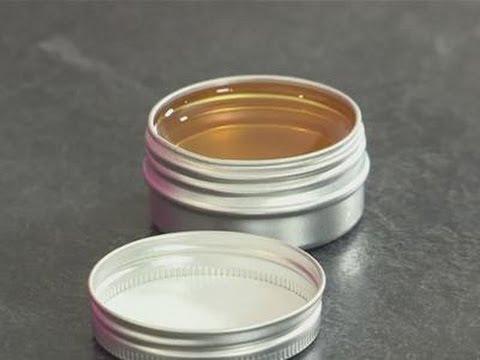
Make solid cologne by melting beeswax and balm base, then blending in fragrance oils and pouring into tins.
I’ve made solid fragrances for years for friends and small markets. I’ll walk you through how to make solid cologne from start to finish. You’ll learn the best ingredients, exact steps, scent ratios, safety tips, and fixes for common problems. This guide blends hands-on experience with clear science so you can craft a lasting, skin-safe solid cologne at home.

Ingredients and tools you need
Start with quality ingredients. For how to make solid cologne, the core mix is wax, carrier, and fragrance. Beeswax gives structure. Carrier oils like jojoba or fractionated coconut oil create a smooth balm. Fragrance comes from essential oils or perfumer’s oils. You will also need a double boiler, small metal tins, a digital scale, and glass mixing tools.
- Ingredients list
- Beeswax pastilles or pellets, 10–30% of final weight
- Carrier oil (jojoba or fractionated coconut oil), 50–80% of final weight
- Fragrance oils or essential oils, 5–25% of final weight
- Vitamin E oil (optional), a few drops as antioxidant
I prefer jojoba because it feels dry on skin and blends well. I learned that cheap wax can smell off. Always weigh ingredients for repeat results.

Step-by-step recipe (basic, adaptable)
This simple recipe yields one 30 g tin. It shows a balanced base for how to make solid cologne that’s firm but rubs onto skin easily.
- Measure 6 g beeswax and 18 g jojoba oil on a digital scale.
- Add 6 g fragrance blend (adjust later for strength).
- Place beeswax and oil in a heatproof glass jar over a simmering double boiler.
- Stir gently until the wax fully melts and the mix is clear.
- Remove from heat and add fragrance. Stir 30–60 seconds to combine.
- Pour into a pre-warmed tin and let cool uncovered for 12–24 minutes.
- Cap the tin once fully set.
Tips from my trials:
- Warm the tin slightly before pouring to prevent sinkholes.
- If your solid cologne is too soft, add 10–20% more wax next batch.
- If it’s too hard, increase the carrier oil by 5–10% next time.
This recipe teaches the basic texture balance for how to make solid cologne you’ll enjoy.

Choosing scents and mixing ratios
Fragrance choice defines a solid cologne. The same steps for how to make solid cologne apply whether you use a single essential oil or a layered perfume blend. Think in top, middle, and base notes for complexity. Use stronger base oils like vetiver or sandalwood sparingly, as they anchor the scent.
- Scent ratio ideas
- 30% top notes (citrus, light herbs)
- 40% middle notes (floral, spices)
- 30% base notes (woods, resins)
Start small when testing a new blend. I keep a scent journal. Label jars with percentages and date. Many beginners add too much citrus. Citrus can fade fast in a balm, so balance it with a sturdy base.
PAA-style questions
What is solid cologne best used for?
Solid cologne is great for close-care scent, travel, and workplaces that prefer subtle fragrance. It’s easy to reapply and less likely to spray on clothes.
How long does solid cologne last on skin?
Typically 2–6 hours depending on oils and your skin. Stronger bases and higher fragrance load extend longevity.
Troubleshooting and common mistakes
You will make small errors at first. For how to make solid cologne, the usual issues are grainy texture, weak scent, or separation. Grain happens when wax cools too fast. Weak scent means you need a higher fragrance percentage or a stronger base note. Separation appears when oil and wax ratios are off.
Fixes I use:
- Re-melt the batch gently and stir while cooling to reduce grain.
- Increase fragrance by 1–2% per test tin to find your preferred strength.
- Adjust wax by small increments—10% more or less—to tune firmness.
Another mistake is overheating fragrance oils. Heat can degrade delicate notes. Add fragrance off heat and stir quickly. My tip: test small 5–10 g batches before scaling up.

Safety, storage, and shelf life
Safety matters more than a pretty tin. When learning how to make solid cologne, use skin-safe materials and test for sensitivity. Essential oils can irritate. Always do a patch test on inner forearm for 24 hours before regular use.
- Safety steps
- Use skin-safe essential oils and diluted blends.
- Keep fragrance load under 25% for most formulas.
- Label tins with ingredients and date.
- Store in cool, dry place away from direct sun.
Shelf life depends on ingredients. With jojoba and vitamin E, a solid cologne can last 12–24 months. If it smells off or changes color, discard. I once kept a batch too long; it lost top notes and developed a waxy odor—learned to date everything.

Benefits and limitations of solid cologne
Solid cologne has many perks and a few limits. It’s easy to carry, discreet, and often more skin-friendly than alcohol sprays. It lets you control scent strength and is ideal for travel or scent layering.
Benefits I value:
- Long-lasting base presence
- No spill risk on flights
- Gentle on skin when made with jojoba
Limitations to consider:
- Less projection than sprays
- Needs direct skin contact for best effect
- Some scents perform differently in a wax base
Understanding these trade-offs helps when you learn how to make solid cologne that fits your routine.
Frequently Asked Questions of how to make solid cologne
What is the best wax to use for solid cologne?
Beeswax is the most common choice for structure and scent neutrality. Candelilla or carnauba can be used for vegan or firmer formulas, but adjust oil ratios.
How much fragrance should I add to solid cologne?
Aim for 5–25% fragrance by weight depending on strength. Start at 10–15% and increase only after testing a small batch.
Can I use essential oils instead of perfume oils?
Yes. Essential oils work well but can be weaker or skin-irritating in high amounts. Always dilute and patch test essential oil blends.
How long does it take to set solid cologne?
Most tins set within 12–24 minutes at room temperature, but full curing and scent settling can take 24–48 hours. Avoid moving tins while cooling.
Is solid cologne safe for sensitive skin?
It can be safe if you choose gentle carriers and low fragrance loads. Do a 24-hour patch test and avoid known irritants for your skin.
Conclusion
You now have a clear, hands-on method for how to make solid cologne. Start with the basic beeswax-jojoba-fragrance formula, keep small test batches, and track your scent notes. With careful ratios and simple trials, you can craft solid colognes that last, smell great, and fit your style. Try one small batch this weekend, note what you like, and share the result or question below — I’d love to hear how your first tins turn out.

Rubel Miah is the Senior Editor at MyStyleGrid.com, where he brings a sharp editorial eye and an unshakable love for fashion to everything he does. A true style addict, Rubel lives and breathes trends, from streetwear to high fashion, and has a knack for turning inspiration into impactful stories. With years of experience in fashion journalism and digital media, he curates content that empowers readers to express themselves through style. When he’s not editing features or forecasting the next big thing, you’ll find him hunting down vintage pieces or capturing street style moments around the city.