Soften the straps, add arch support, and protect your toes for instant comfort.
I’ve spent years testing sandals, and I’ve helped friends and clients turn painful flip-flops into footwear you can wear all day. This guide explains practical, proven ways on how to make thong sandals more comfortable. You’ll get step-by-step fixes, quick DIY mods, and when to replace or upgrade your sandals. Read on for simple tactics that really work, backed by experience and plain facts.

Why thong sandals feel uncomfortable
Thong sandals, or flip-flops, are simple by design. That simplicity often leaves out support. Thin soles give little cushioning. Narrow straps rub between toes. Poor fit lets your foot slide and grip, which causes strain.
Common causes of discomfort:
- Lack of arch support leading to foot fatigue.
- Thin cushioning causing sore heels and balls of the foot.
- Strap irritation and blisters at the toe post.
- Poor fit causing chafing and instability.
Understanding these causes helps you decide how to make thong sandals more comfortable. Fix the root cause and comfort follows. I learned this after testing dozens of sandals and seeing the same issues again and again.

How to make thong sandals more comfortable — practical fixes that work
Below are the most effective ways to make thong sandals more comfortable. I use these methods myself and recommend them to clients.
-
- Use thin, low-profile arch inserts made for sandals.
- Trim to fit the footbed. Adhesive backs help them stay put.
- This reduces midfoot strain and makes walking easier.
-
Cushion the footbed
- Cut a thin foam insole to size and glue it to the footbed.
- Gel or memory foam pads under the heel and ball add shock absorption.
- Extra cushioning lowers pressure and fatigue.
-
Soften or cover the toe post
- Wrap the toe post with medical tape or a small strip of soft fabric.
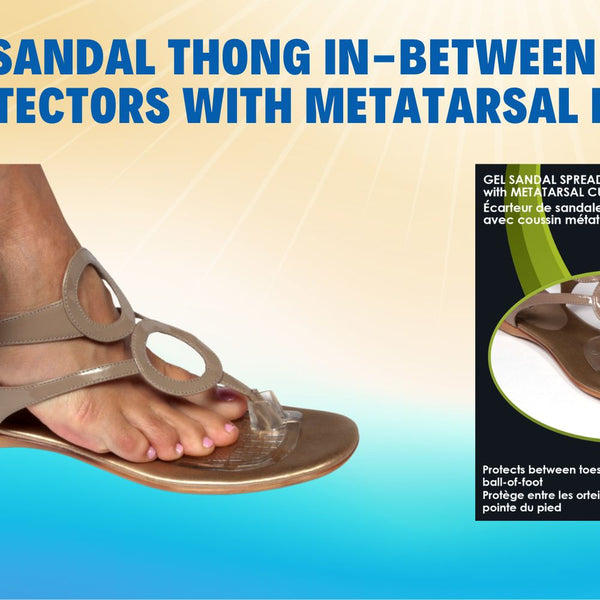
- Use a toe post cover or silicone sleeve to prevent rubbing and blisters.
- This is the fastest relief for a sore spot.
-
Stop slipping with heel grips
- Adhesive heel pads prevent the foot from sliding forward.
- They also reduce friction that causes blisters.
- They work well on slightly loose sandals.
-
Improve strap comfort
- Apply moleskin or soft fabric to the underside of straps where they rub.
- Loosen or tighten straps slightly. Small adjustments can stop chafing.
- If the strap is too wide or stiff, consider replacing it with a softer band.
-
Break them in properly
- Wear sandals for short periods at first.
- Increase wear time by 15–30 minutes each day.
- This helps straps and soles mold to your foot without causing big blisters.
Each of these steps helps directly with how to make thong sandals more comfortable. Use one or combine several for best results.

DIY modifications and step-by-step guides
These DIY fixes are low cost and fast. I’ve done them at home with basic tools.
Step-by-step: Softening the toe post
- Clean the toe post and let it dry.
- Wrap a thin strip of cotton or soft fabric around the post.
- Secure with a small dab of fabric glue or tightly tied knot.
- Test for comfort and trim any excess.
Step-by-step: Adding thin arch support
1. Trace the sandal footbed onto a thin orthotic foam sheet.
2. Cut the shape out, leaving a little room near the heel.
3. Use double-sided adhesive tape to secure the insert.
4. Wear and check for fit. Trim if needed.
Step-by-step: Cushioning the footbed
- Buy a thin EVA or memory foam sheet.
- Trace and cut to the footbed shape.
- Use craft glue to fix it in place.
- Allow glue to dry fully before wearing.
Materials to keep at home:
- Thin orthotic foam sheets
- Adhesive heel grips
- Moleskin and medical tape
- Soft fabric strips and fabric glue
- Small scissors and a marker
These simple changes show how to make thong sandals more comfortable without buying new shoes. I prefer foam for lightness and gel for targeted pain relief.
When to repair versus when to replace
Not every sandal can be saved. Know when to repair and when to replace.
Signs to repair:
- Slightly worn footbed but straps intact.
- Minor rubbing or small holes in padding.
- You’re happy with fit but need more support.
Signs to replace:
- Sole worn through or dangerously thin.
- Broken straps or toe post snapped.
- Permanent foot pain after wearing despite mods.
High-quality sandals with replaceable parts can be upgraded. Cheaper flip-flops often need replacement for long-term comfort. Assess cost: if repairs cost nearly as much as new supportive sandals, replace them.

Foot care and technique for all-day comfort
Good foot care makes any sandal more comfortable. Small habits add up.
- Keep feet clean and dry to avoid blisters.
- Trim toenails and remove calluses that cause pressure points.
- Stretch calves and arches daily to ease foot strain.
- Walk with a relaxed gait. Avoid clenching toes to keep sandals on.
These habits complement methods on how to make thong sandals more comfortable. I coach clients to combine foot care with sandal mods for best results.

Common materials and what they mean for comfort
Knowing materials helps you pick or modify sandals.
-
EVA foam
- Lightweight and cushiony.
- Good shock absorption but can compress over time.
-
Cork
- Molds to your foot and provides natural arch support.
- Durable but may need sealing to avoid water damage.
-
Leather
- Softens with wear and can be very comfortable.
- Requires care to prevent cracks and odors.
-
Rubber
- Durable and cheap, but often too stiff and thin.
- Best upgraded with inserts or padding.
Choosing the right material is key to how to make thong sandals more comfortable. For long outings, choose molded cork or supportive EVA with a thicker footbed.

PAA-style quick questions
Why do my toes hurt in thong sandals?
- Toe pain often comes from gripping and friction. Add thin padding around the toe post and try arch support to reduce grip strain.
Will inserts make cheap thongs comfortable?
- Inserts help a lot, but very thin soles can still transmit shock. Combine inserts with gel pads for best results.
Can stretching the straps help?
- Yes. Softening or stretching stiff straps reduces rubbing. Warm water and gentle bending can help break them in.
Frequently Asked Questions of how to make thong sandals more comfortable
What quick fix stops toe post chafing?
Wrap the toe post with soft fabric or use medical tape. A silicone toe post cover also helps instantly and prevents blisters.
How do I add arch support without changing sandals?
Use thin adhesive arch inserts trimmed to the footbed shape. They add support and reduce midfoot pain without major changes.
Are gel pads worth using in thong sandals?
Yes. Gel pads under the heel or ball absorb shock and reduce pain. They work great for long walks or standing.
Can I make cheap rubber flip-flops comfortable for daily wear?
You can improve them with inserts, heel grips, and cushioning, but they may still lack long-term support. Consider upgrading if you wear them daily.
How do I prevent sandals from slipping off my heel?
Add an adhesive heel grip and ensure the footbed is dry and clean. Proper fit and slight heel lift reduce forward slippage.
How long should I break in new thong sandals?
Start with 20–30 minutes and add 15–30 minutes each day. This allows straps and footbeds to soften without causing big blisters.
What materials are best for long walks?
Cork or molded EVA with a contoured footbed is best. Look for decent thickness and slight arch support for longer comfort.
Conclusion
You can make most thong sandals far more comfortable with a few simple changes. Add arch support, cushion the footbed, protect the toe post, and maintain your feet. Try one fix at a time, then combine the best ones for lasting relief. Start today by picking one sandal and testing a single change. Share your results, subscribe for more tips, or leave a comment about what worked for you.

Madison Clark is a footwear expert and the voice behind MyStyleGrid.com. She specializes in honest shoe reviews, style tips, and practical guides to help readers find the perfect pair for any occasion. With years of experience in blogging and content creation, Madison makes footwear knowledge simple, stylish, and easy to follow.