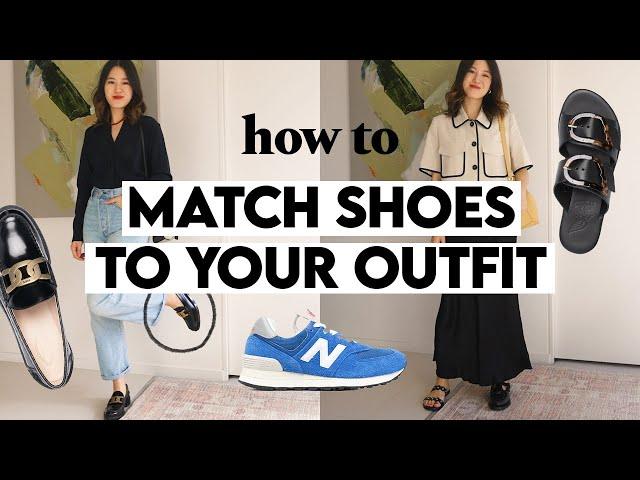
Match shoes by color, style, occasion, and proportion for a polished, confident outfit.
I’ve spent years styling people and testing outfits to learn how to match shoes with outfit in real life. This guide gives clear rules, quick tests, and real tips you can use today. Read on for practical steps, examples, and mistakes to avoid so your shoes feel like part of the outfit — not an afterthought.
How to match shoes with outfit: core principles
Learning how to match shoes with outfit starts with a few simple rules. Follow these rules and most outfits will fall into place.
- Balance style and formality. Match the shoe's formality to the outfit. Sneakers with jeans, loafers with smart-casual, oxfords with suits.
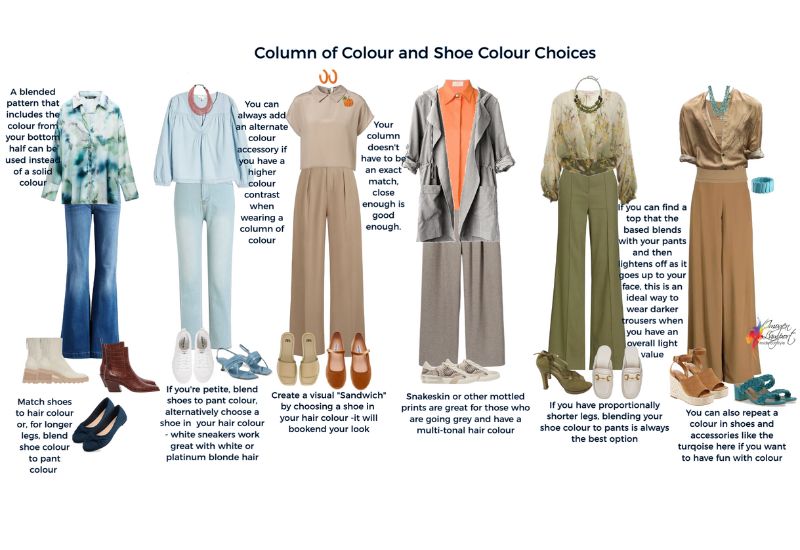
- Match color thoughtfully. Use neutral anchors, tonal matches, or deliberate contrasts. Avoid clashing colors that fight the outfit.
- Respect proportion and silhouette. Bulky shoes need chunkier clothes. Sleek shoes suit slim lines.
- Consider texture and material. Leather, suede, canvas, and patent behave differently with fabrics.
- Think about the occasion and weather. Practicality matters for comfort and appropriateness.
Personal tip: when in doubt, step back and look at the whole silhouette. Ask: does the shoe complete the look?
Matching shoes to clothing types
Different garments demand different shoe choices. Here are quick rules for common clothing items.
-
Jeans and chinos
- Casual sneakers and boots work well here.
- Slim jeans pair with low-profile sneakers or loafers.
- Cuff or cropped hems show ankle and can suit loafers or minimal sneakers.
-
Dresses and skirts
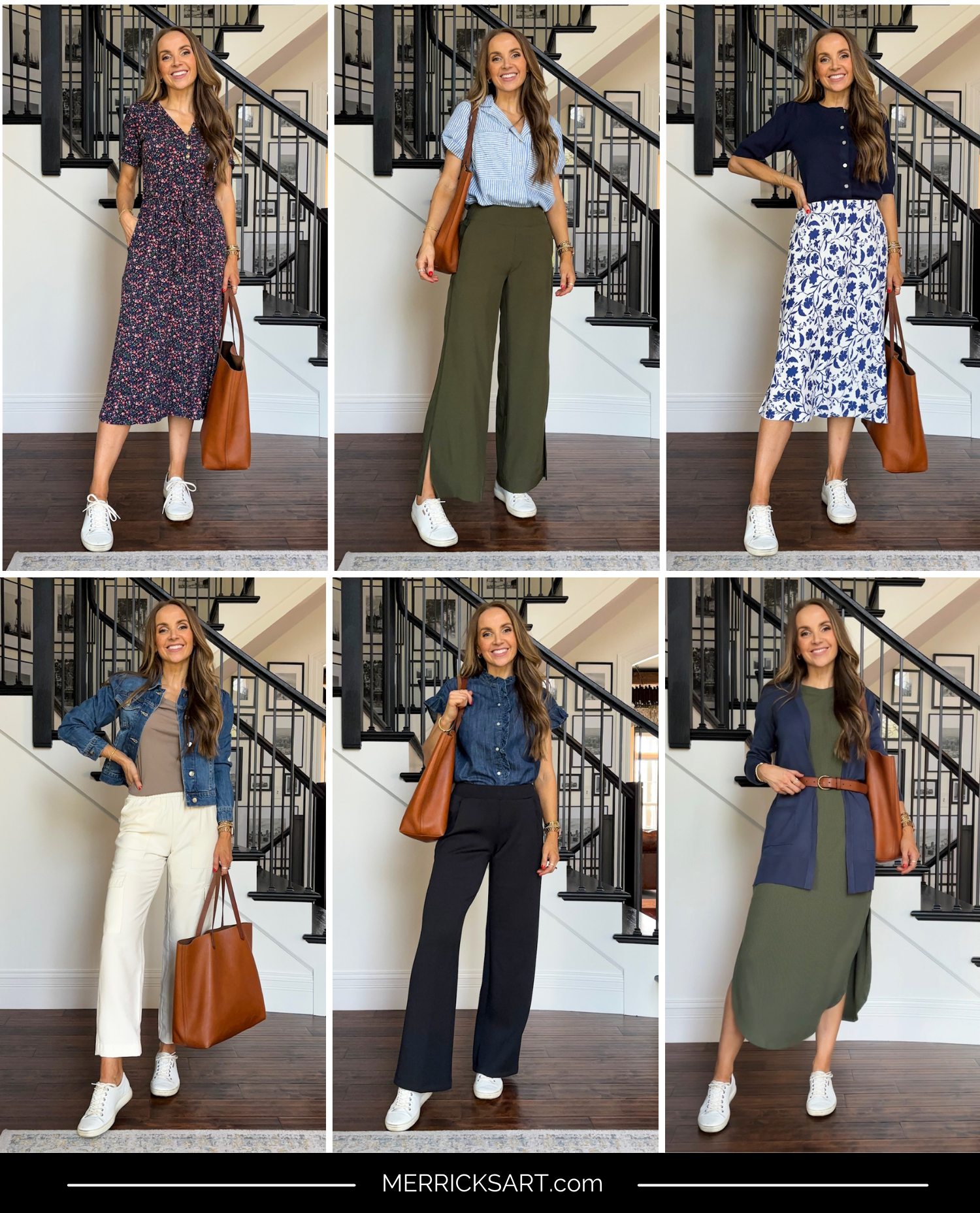
- Heels elongate; flats make a casual look.
- Midi skirts work with ankle boots or block heels.
- Formal dresses pair with pumps in a tonal or neutral shade.
-
Suits and suiting separates
- Conservative suits need oxfords or derbies.
- Casual blazers pair with loafers or clean sneakers for a modern look.
- Match the shoe finish to the formality: polished leather for formal, suede for smart-casual.
-
Shorts and summer wear
- Espadrilles, sandals, and light sneakers suit warm weather.
- Keep sandals neat and minimal for smarter summer looks.
-
Activewear and athleisure
- Performance sneakers or clean lifestyle sneakers are best.
- Avoid dress shoes with athletic clothing. It breaks the visual flow.
Example from experience: I once paired chunky hiking boots with a floral dress to create an intentional contrast. The outfit worked because I kept colors muted and balanced the bulk of the boots with a fitted top.
Color and pattern rules when you match shoes with outfit
Color is one of the easiest ways to make shoes feel intentional. Use simple rules for consistent results.
-
Neutral anchors
- Black, brown, navy, white, and tan work with most outfits.
- Keep at least one neutral item in the outfit to ground the look.
-
Tonal matching
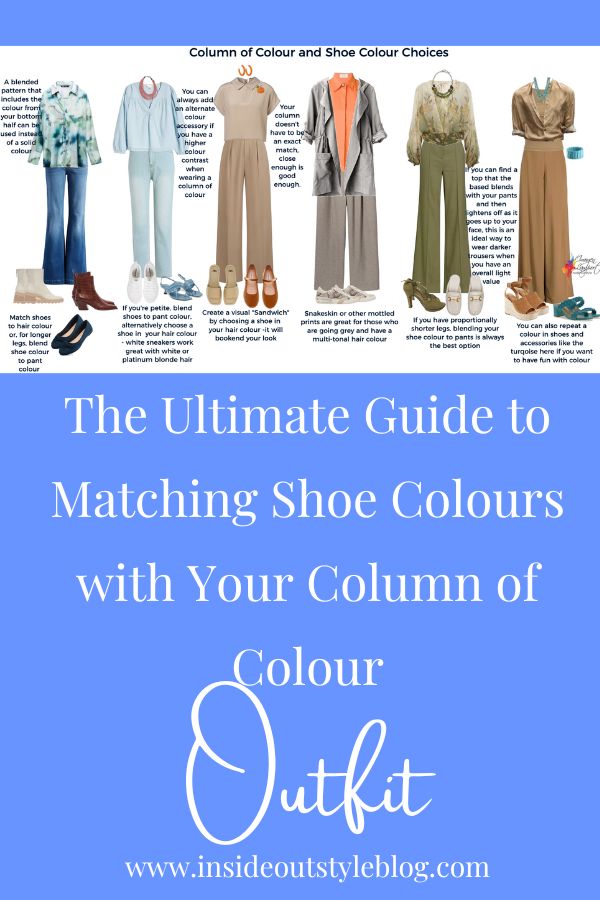
- Match shoe tone to garment hue for a clean line (for example, navy shoes with navy trousers).
- Tonal looks elongate the leg and feel cohesive.
-
Deliberate contrast
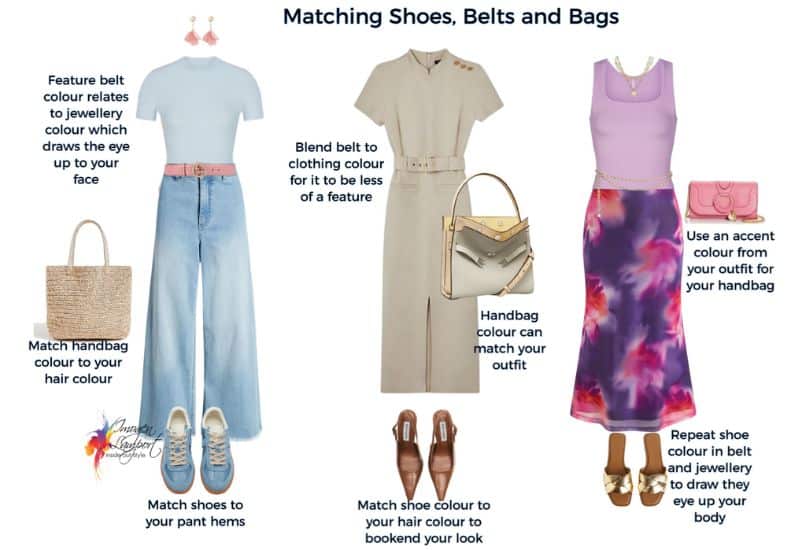
- Use bright or patterned shoes to add a focal point.
- Keep the rest of the outfit muted when shoes are bold.
-
Pattern coordination
- Match the scale of patterns: small-pattern shoes suit small-pattern clothes.
- If clothes are patterned, prefer solid shoes in a complementary color.
Quick test: If the outfit feels busy, simplify the shoe. If the outfit is simple, a statement shoe can elevate it.
Occasion, season, and practicality
Choosing shoes is partly about style and partly about context. Always ask: where am I going and what will I be doing?
-
Formal events
- Stick to classic shoes in polished leather.
- Colors: black, dark brown, or navy for men; neutral pumps for women.
-
Casual outings
- Sneakers, loafers, sandals, and boots are fine.
- Comfort and proportion matter most.
-
Work and office
- Follow the dress code. Smart-casual allows loafers and brogues. Corporate needs conservative shoes.
-
Seasonal adjustment
- Winter: waterproof options, leather boots, and thicker soles.
- Summer: breathable fabrics like canvas and open sandals.
Practical note: I once wore suede shoes in a rainy event and ruined them. Lesson learned: factor weather into shoe selection every time.
Fit, proportion, and silhouette
Shoes change a silhouette. Use them to create balance or emphasis.
-
Proportion tips
- Heavy shoes suit oversized or layered clothes.
- Slim outfits match sleek, minimal shoes.
-
Heel height
- Heels change posture and proportion. Low heels are practical; high heels elongate.
-
Ankle line
- Cropped pants highlight the ankle and shoes.
- Tall boots change leg length visually; match this with skirt length or pant cut.
-
Comfort as design
- Shoes that fit well look better. Bad fit ruins any outfit.
Example: pairing wide-leg pants with a chunky platform creates a balanced look. Small flats with wide trousers can make the outfit feel limp.

Materials, finish, and final touches
The shoe’s material affects formality and cohesion. Pay attention to finish and small details.
-
Leather vs. suede vs. canvas
- Leather reads formal and polished.
- Suede feels softer and more casual.
- Canvas is sporty and relaxed.
-
Shine and texture
- Patent and polished leather are dressy.
- Matte finishes are casual and versatile.
-
Matching metal accents
- Coordinate shoe hardware (buckles, zippers) with other metal accessories like belts and watches.
-
Care matters
- Clean, polished shoes read intentional.
- Replace worn soles and repair scuffs; they affect overall appearance.
From experience: a well-cared-for pair of shoes makes a mid-range outfit look expensive. Investing time in shoe care pays off.

Quick tips, mistakes to avoid, and PAA-style questions
Small choices make a big difference. Use these tips and avoid these common errors.
-
Quick tips
- Keep a neutral shoe for easy pairing.
- Test shoes with the outfit under natural light.
- Bring a spare pair for long events.
-
Mistakes to avoid
- Don’t force a shoe that’s uncomfortable.
- Avoid mixing too many strong colors.
- Don’t ignore the shoe’s condition.
PAA-style questions
- What is the safest shoe color to match any outfit?
- Neutrals like black, tan, and navy are the easiest to match.
- Can sneakers work with formal outfits?
- Clean, minimalist sneakers can work with smart-casual outfits but not with strict formalwear.
- How much should shoe style follow outfit formality?
- Shoes should match or slightly understate the outfit’s formality, never wildly overshare it.

Source: youtube.com
- Shoes should match or slightly understate the outfit’s formality, never wildly overshare it.
Frequently Asked Questions of how to match shoes with outfit
How do I match shoes with outfit color?
Match using neutrals, tonal pairing, or deliberate contrast. Keep other elements simple if shoes are bold.
Are bright shoes acceptable for work?
Only in casual or creative workplaces. For conservative offices, stick to neutral tones.
What shoes go with a midi dress?
Ankle boots, block heels, or pointed flats work well depending on the dress style and occasion.
How do I match shoes to pants length?
Choose shoes that balance the pant cut: cropped pants with low-profile shoes, full-length hems with heels or boots.
Can sneakers be worn with suits?
Yes, with carefully chosen clean, low-profile sneakers and a relaxed suit style. Avoid formal, structured suiting.
Conclusion
Matching shoes with outfit is a skill you can learn with rules and practice. Focus on formality, color, proportion, and context. Test outfits in natural light and keep shoes clean and comfortable. Start small: pick one neutral pair and practice pairing it with different outfits this week. Share your results or questions below, or subscribe for more outfit guides and styling tips.

Rubel Miah is the Senior Editor at MyStyleGrid.com, where he brings a sharp editorial eye and an unshakable love for fashion to everything he does. A true style addict, Rubel lives and breathes trends, from streetwear to high fashion, and has a knack for turning inspiration into impactful stories. With years of experience in fashion journalism and digital media, he curates content that empowers readers to express themselves through style. When he’s not editing features or forecasting the next big thing, you’ll find him hunting down vintage pieces or capturing street style moments around the city.