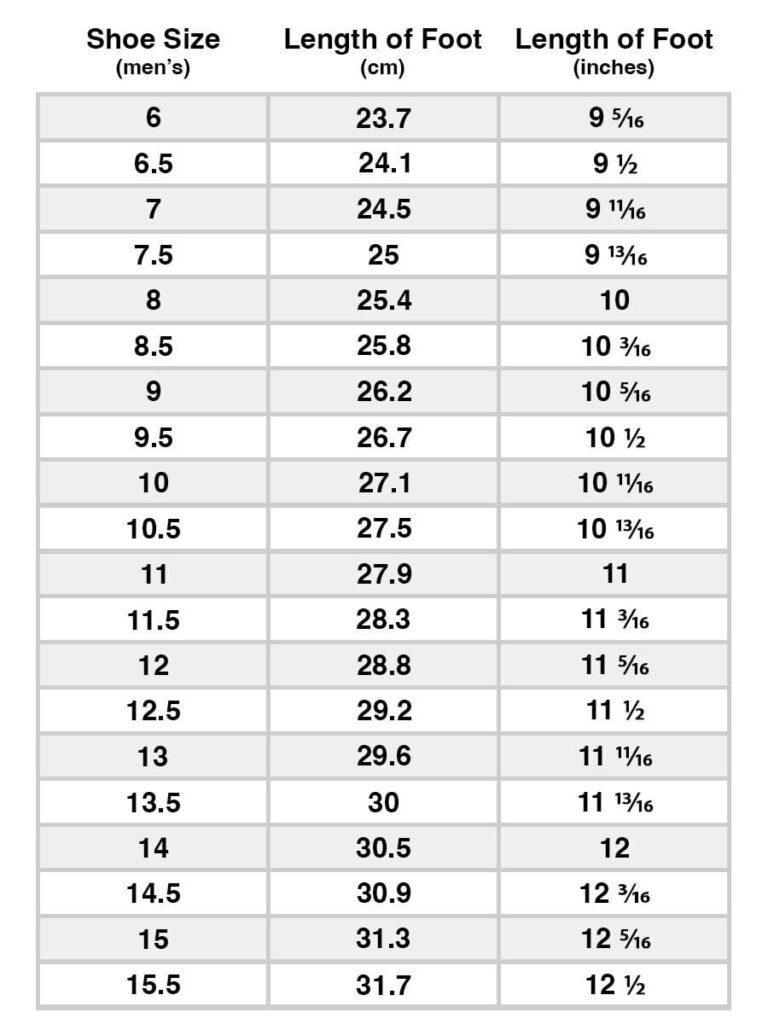
Measure your foot from heel to longest toe, then multiply centimeters by 1.5 for EU size.
I’ve measured hundreds of feet and tested dozens of shoe brands, so you’ll get precise, practical guidance on how to measure EU shoe size. This guide explains the system, gives step-by-step instructions you can follow at home, shows simple conversion math, and shares real tips I learned the hard way to help you pick the right European shoe size every time.
Why knowing how to measure EU shoe size matters
Knowing how to measure EU shoe size saves time and prevents returns. It helps you select shoes that fit well across European brands that use EU sizing. Good fit protects your feet from pain and long-term issues.
Most brands use slightly different lasts and shapes. So learning how to measure EU shoe size gives you a reliable baseline to compare sizes across makers. This reduces guesswork when shopping online or abroad.
What is EU shoe size and how it works
EU shoe size is based on the Paris point. One Paris point equals 2/3 of a centimeter (about 6.67 mm). The formula is simple: EU size = foot length in centimeters × 1.5.
The system measures the foot or last length in Paris points. Shoe makers may add a bit of extra room inside the shoe. That’s why measuring correctly and adding a small allowance matters.
Tools you need to measure EU shoe size
You need only a few easy tools to measure correctly at home. Each item is cheap and common.
- A sheet of paper larger than your foot
- A pen or pencil
- A ruler or tape measure with centimeter markings
- Socks you plan to wear with the shoes
- A hard, flat surface and a wall
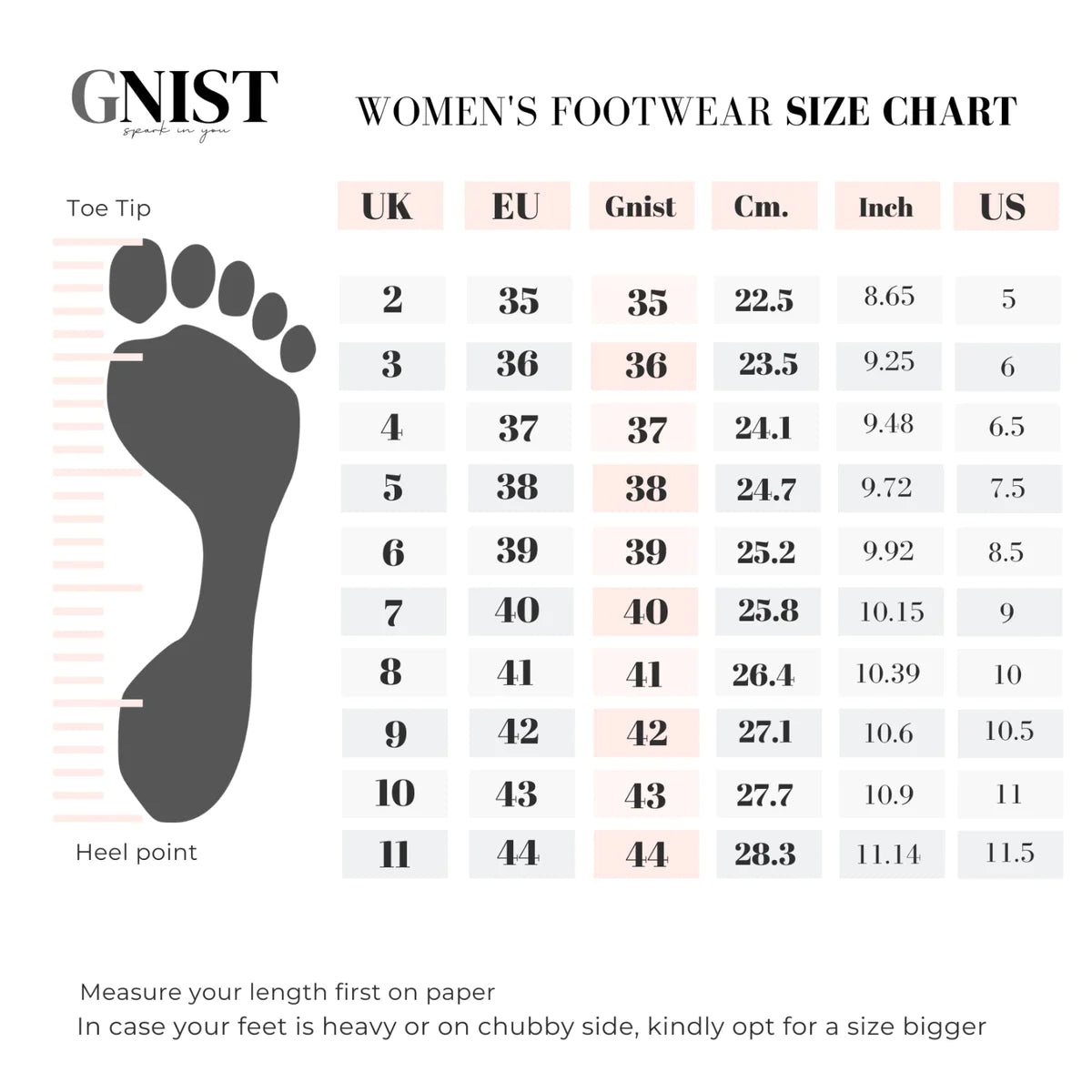
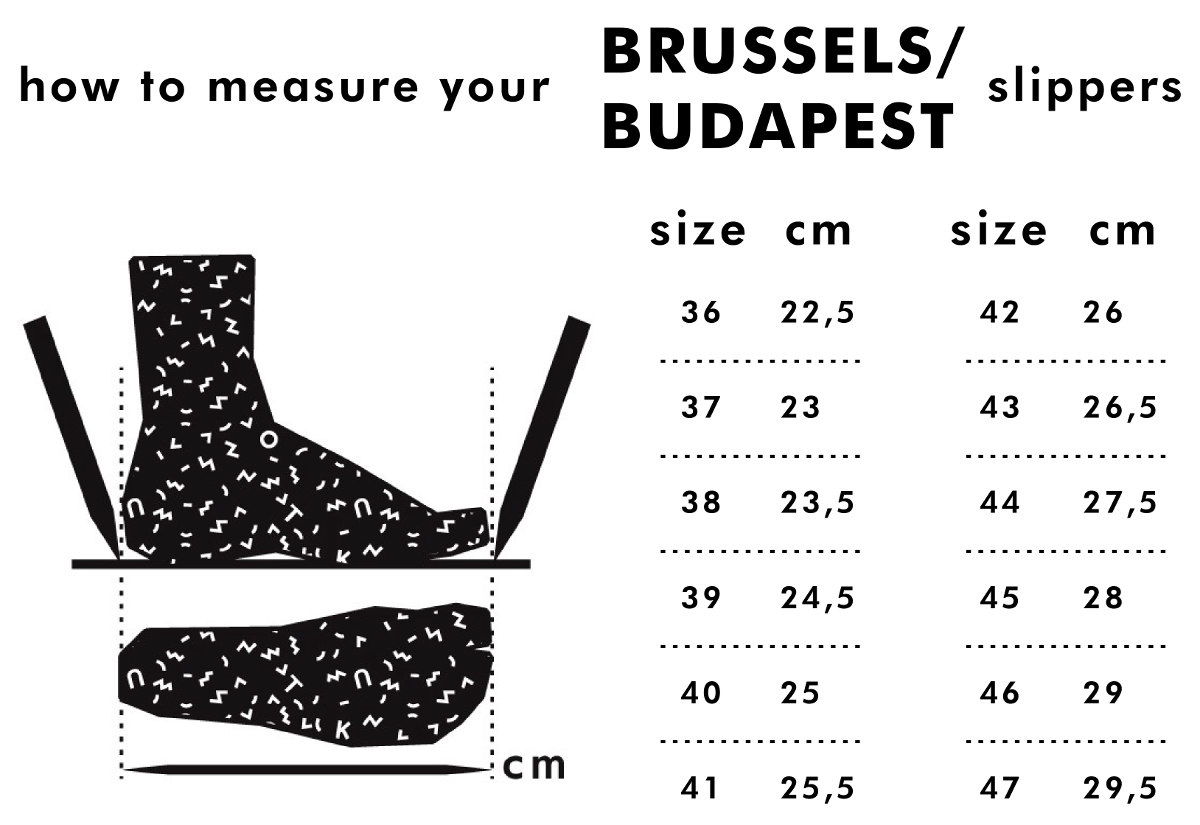
Step-by-step: how to measure EU shoe size at home
Follow these clear steps to get an accurate EU size. Repeat for both feet. Use the larger result when choosing a size.
-
Prepare the area and paper
- Lay the paper on a flat floor against a wall.
- Wear the socks you would use with the shoes.
-
Position your foot
- Place your heel against the wall and stand upright.
- Keep weight distributed as you will when walking.
-
Trace or mark the longest toe
- Stand straight and mark the paper at the tip of the longest toe.
- Mark the heel line at the wall edge.
-
Measure length
- Measure the distance from the heel mark to the toe mark in centimeters.
- Round up to the nearest 0.1 cm for accuracy.
-
Convert to EU size
- Multiply the foot length in cm by 1.5.
- Example: 26.0 cm × 1.5 = EU 39.0. Round to the nearest whole size if needed.
-
Add allowance if needed
- Add 0.5–1.5 cm inside allowance depending on shoe type.
- For running shoes, add about 1.0–1.5 cm. For dress shoes, 0.5–1.0 cm often suffices.

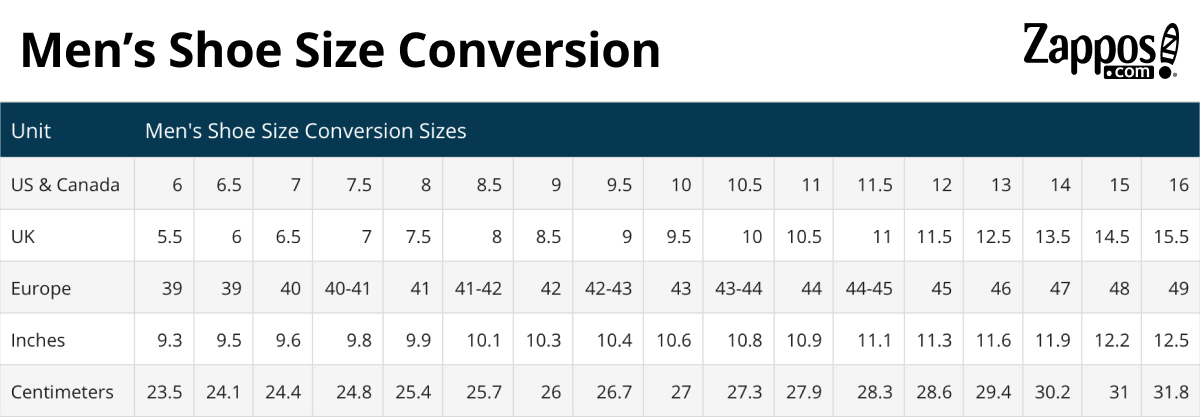
Quick conversion examples and a simple chart
Use these examples when you measure. Remember the core rule: EU size = cm × 1.5.
- 22.0 cm × 1.5 = EU 33
- 23.0 cm × 1.5 = EU 34.5 → round to EU 35
- 24.0 cm × 1.5 = EU 36
- 25.0 cm × 1.5 = EU 37.5 → round to EU 38
- 26.0 cm × 1.5 = EU 39
- 27.0 cm × 1.5 = EU 40.5 → round to EU 41
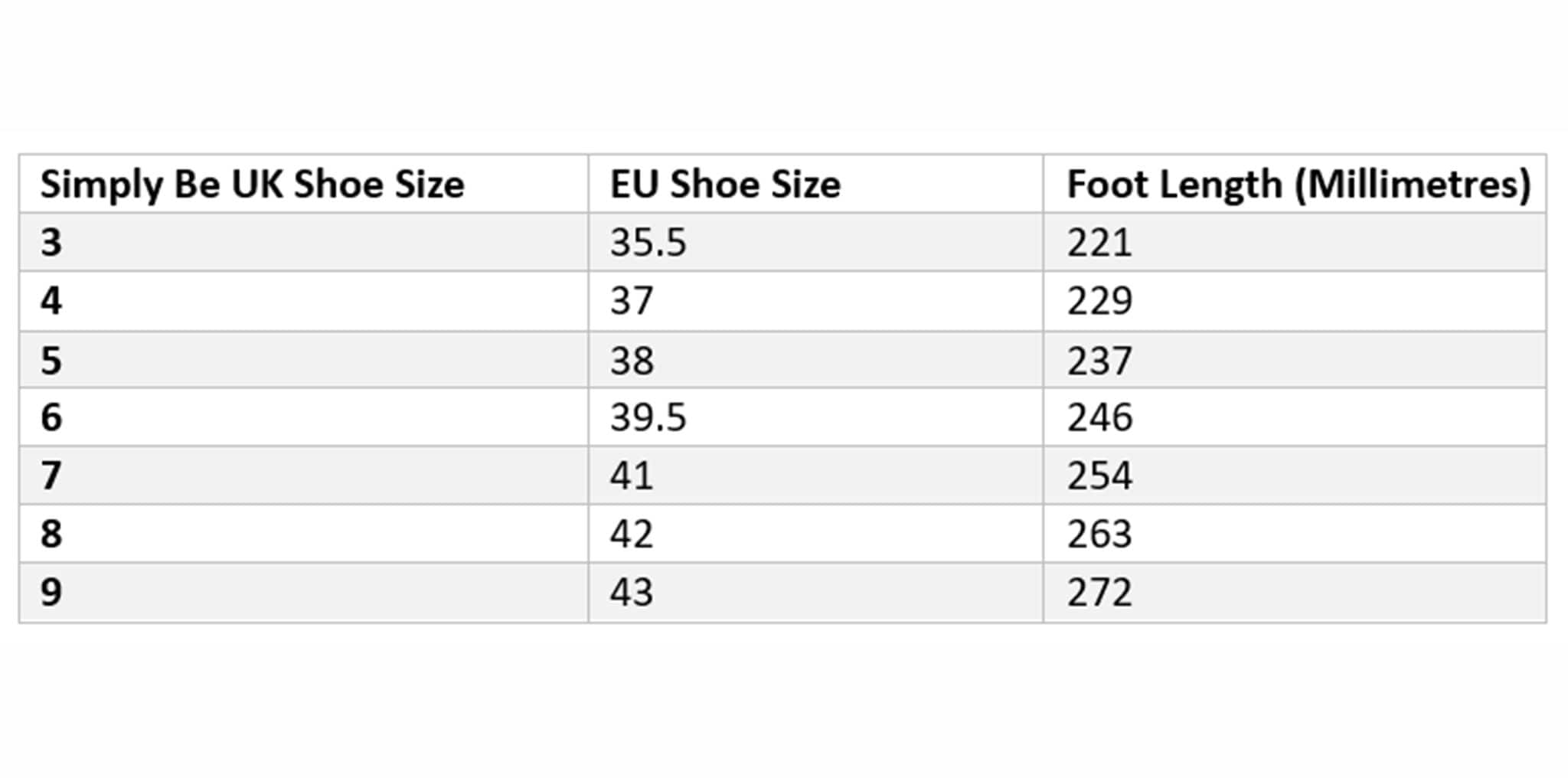
Note that some brands round up or down. When in doubt, pick the size closest to the measurement allowance you want.
Width, foot shape, and special cases
EU size shows length, not width. Foot width and arch height matter too. Here’s how to handle those differences.
- Measure width by tracing the widest part of your foot and measuring across in cm.
- If you have wide feet, consider choosing a half size up or brands that offer wide fits.
- For high arches, try on shoes later in the day and consider insoles for comfort.
Measure both feet and use the larger value for length and width. Feet can differ by more than a half size.
Tips for buying shoes online using EU sizes
Shopping online calls for care. Use these practical tips I use myself to reduce returns.
- Always measure both feet and record the larger one.
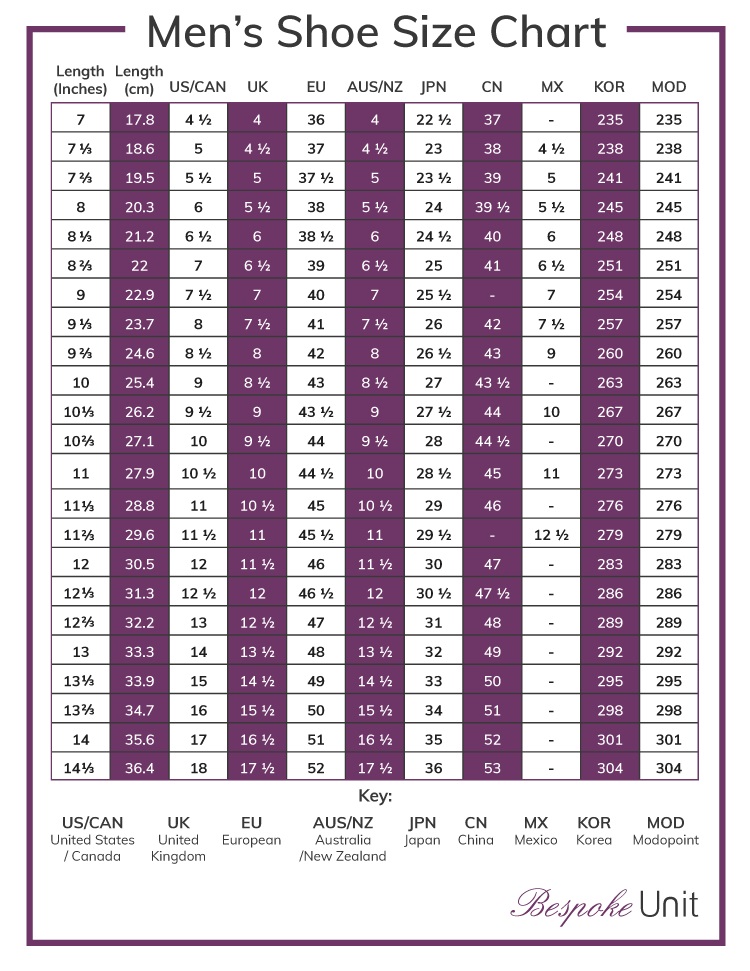
- Check the brand’s own size chart; they often list last length or Mondopoint.
- Read reviews for fit notes like "runs small" or "narrow." They’re valuable.
- Allow extra room for socks and foot swelling on long days.
- If a brand shows Mondopoint (mm), divide mm by 6.67 to get EU size.
Common mistakes and how to avoid them
These are the errors I frequently see in fittings. Avoid them for accurate EU sizing.
- Measuring while sitting — always stand to load your foot.
- Using worn shoes to judge size — measure your foot instead.
- Ignoring both feet — always measure both and use the larger number.
- Not adding allowance — shoes need space to bend and move.

PAA-style questions about how to measure EU shoe size
What is the easiest way to measure foot length at home?
Stand on paper with your heel against a wall, mark the longest toe, and measure the distance in cm.
How much allowance should I add for running shoes?
Add about 1.0–1.5 cm to your foot length before converting to EU size for running shoes.
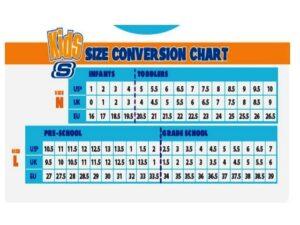
Can I convert US or UK sizes to EU easily?
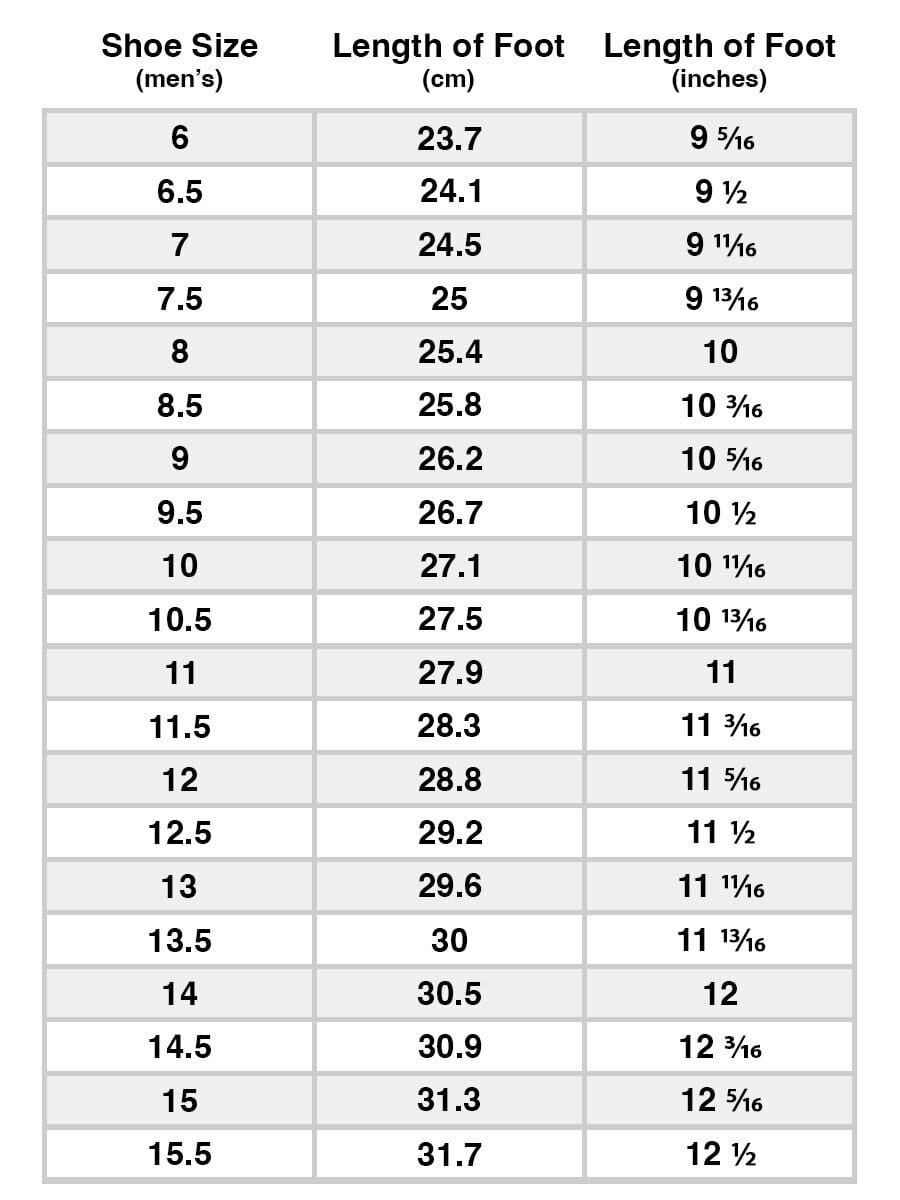
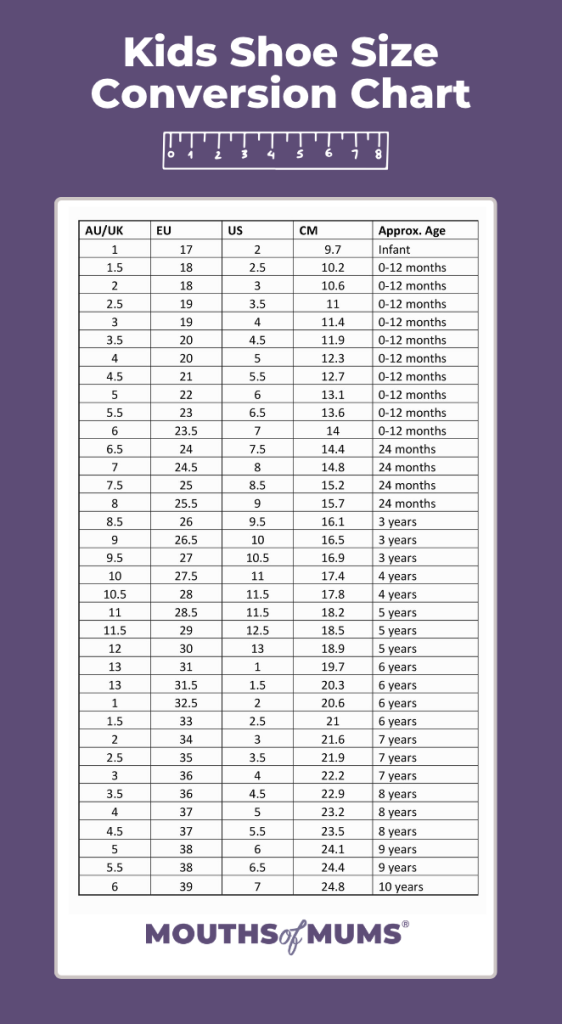
Yes. Use brand charts or the core conversion rules, but test fit when possible since manufacturers differ.
Frequently Asked Questions of how to measure eu shoe size
How do I measure my foot length for EU size?
Stand with your heel against a wall on a sheet of paper, mark the longest toe, and measure the length in centimeters.
Should I measure in the morning or evening?
Measure in the evening. Feet swell during the day and this gives a better fit for long wear.
Do I add extra space before converting to EU size?
Yes. Add 0.5–1.5 cm depending on shoe type; more for athletic shoes, less for formal shoes.
How do I convert Mondopoint or mm to EU size?
Divide the foot length in mm by 6.67 (or multiply cm by 1.5) to get the EU size approximation.
What if my two feet measure different sizes?
Use the larger foot measurement to choose your EU size. Alter or use insoles if the fit is slightly loose on the smaller foot.
Conclusion
Measuring your foot and knowing how to measure EU shoe size gives you confidence when buying shoes, reduces returns, and keeps your feet comfortable. Use a simple trace-and-measure method, multiply centimeters by 1.5 to get the EU size, add the right allowance, and favor the larger foot measurement. Try measurements at home now and test shoes in-store or with free returns to find the best fit. If this helped, try your measurements today, share your experience below, or subscribe for more practical shoe-fitting tips.

Rubel Miah is the Senior Editor at MyStyleGrid.com, where he brings a sharp editorial eye and an unshakable love for fashion to everything he does. A true style addict, Rubel lives and breathes trends, from streetwear to high fashion, and has a knack for turning inspiration into impactful stories. With years of experience in fashion journalism and digital media, he curates content that empowers readers to express themselves through style. When he’s not editing features or forecasting the next big thing, you’ll find him hunting down vintage pieces or capturing street style moments around the city.