Measure foot length and width with a tracing, ruler, and a snug shoe fit check.
I’ve measured hundreds of feet and fitted many wide-fit shoes for clients and friends. This guide explains exactly how to measure wide fit shoes, why the measurements matter, and how to turn numbers into a comfortable shoe choice. Read on for clear steps, practical tips from my experience, conversion tricks, and common mistakes to avoid so you buy wide-fit shoes with confidence.
Why proper measurement matters for wide-fit shoes
Measuring correctly prevents pain, blisters, and long-term foot problems. Wide-fit shoes are not just bigger; they map to foot width, arch shape, and pressure points. Choosing the wrong width makes walking and standing tiring and can worsen bunions or hammertoes.
I rely on clinical fit principles and real-world feedback when I help people find wide-fit shoes. Accurate measurement helps you match foot shape to shoe last and materials. The result is better comfort and longer shoe life.

Tools you need to measure wide fit shoes
Use simple tools you already have at home or in a shop:
- Tape measure or ruler. Use a flexible tape for curves.
- Paper large enough to trace your foot. Cardboard works better for repeat checks.
- Pencil or pen to mark outlines.
- Caliper or a printable width gauge for more precise width readings.
- Socks you plan to wear with the shoes.
These tools let you measure length, width, and girth reliably. I keep a cheap caliper in my fitting kit for confident width checks.

Step-by-step: how to measure wide fit shoes
Follow these clear steps to measure your foot for wide-fit shoes.
- Prepare your space and materials.
- Place paper on a flat, firm surface against a wall. Wear the socks you normally use.
- Trace your foot.
- Stand with your heel against the wall. Press weight onto the foot to simulate standing. Trace closely around the foot with the pen upright.
- Measure length.
- Mark the wall end of the heel and the longest toe on the tracing. Measure from heel edge to longest toe in inches or centimeters.
- Measure width.
- Find the widest part of the tracing, usually across the ball of the foot. Measure straight across that point.
- Measure girth (optional but useful).
- Wrap the tape measure around the ball of the foot and note circumference. This helps with deeper or fuller feet.
- Repeat for both feet.
- Use the larger foot’s measurements when choosing size. Feet rarely match exactly.
- Record and compare to a shoe brand chart.
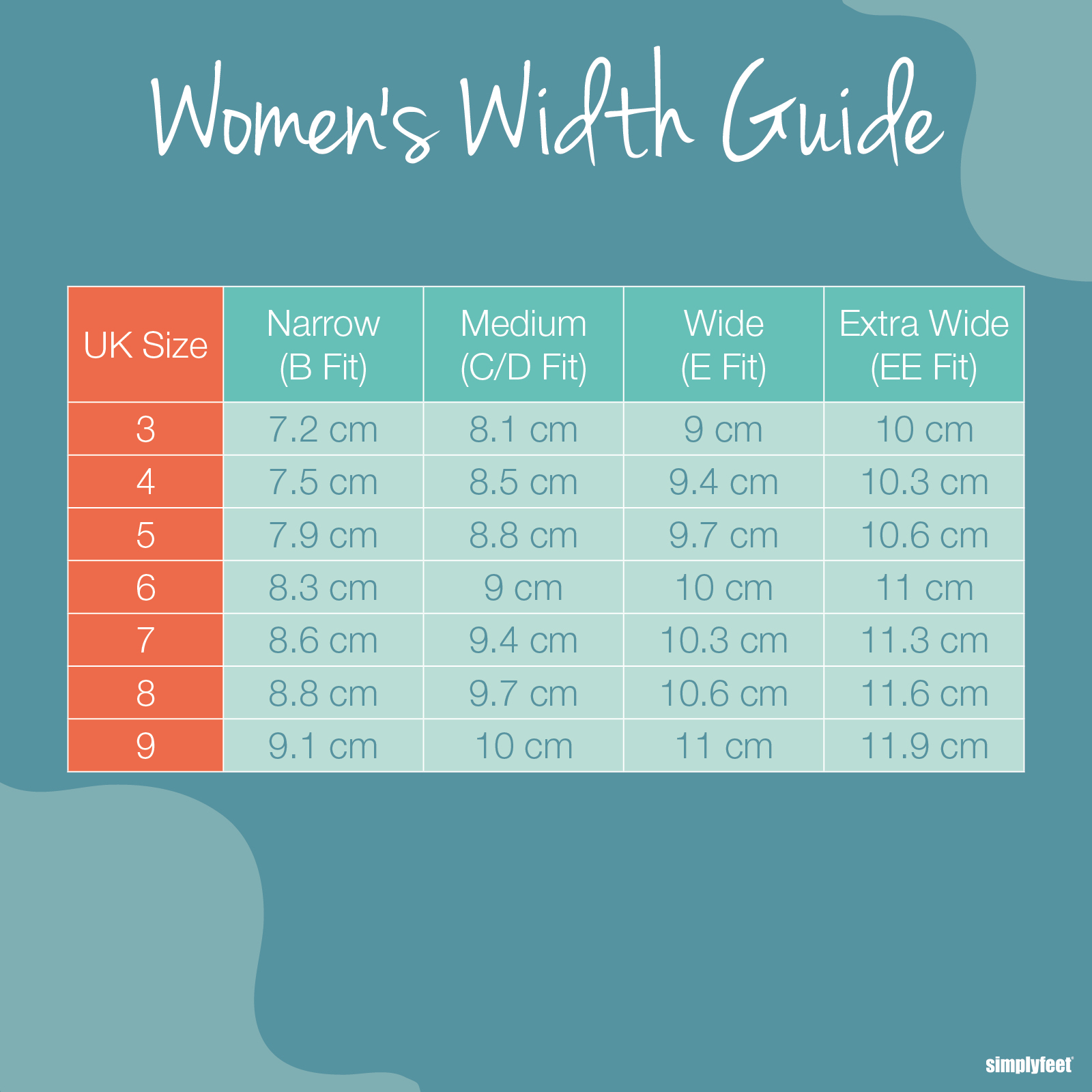
- Use the numbers with brand-specific width charts or universal width guides.
These steps give you a clear profile to match to wide-fit shoes. From my experience, tracing while standing yields the most realistic size for daily wear.
- Use the numbers with brand-specific width charts or universal width guides.
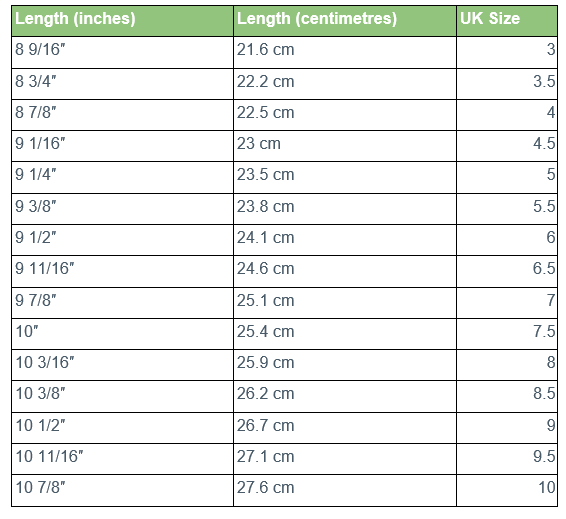
How to interpret measurements and convert to sizes
Raw measurements need translation to shoe sizes and width letters.
- Use size charts for the brand you prefer. Each brand’s last can differ.
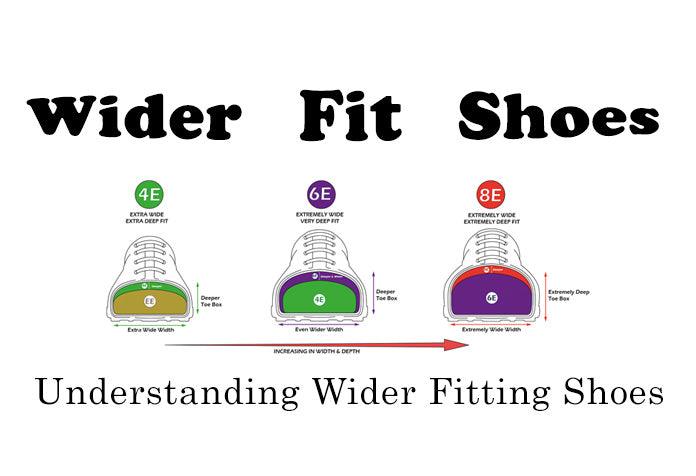
- Width letters: Common codes include D (men standard), E (men wide), EE/EEE (extra wide). For women, B is standard, D is wide.
- Compare both length and width. A longer shoe with narrow width still feels tight.
- If a chart isn’t available, add about 0.25 to 0.5 inch (6–12 mm) to foot length for real-world fit and allow 0.25 inch for width slack.
When in doubt, consult return policies. I often size up in length and choose a wider width when my foot is between two sizes to avoid squeeze.
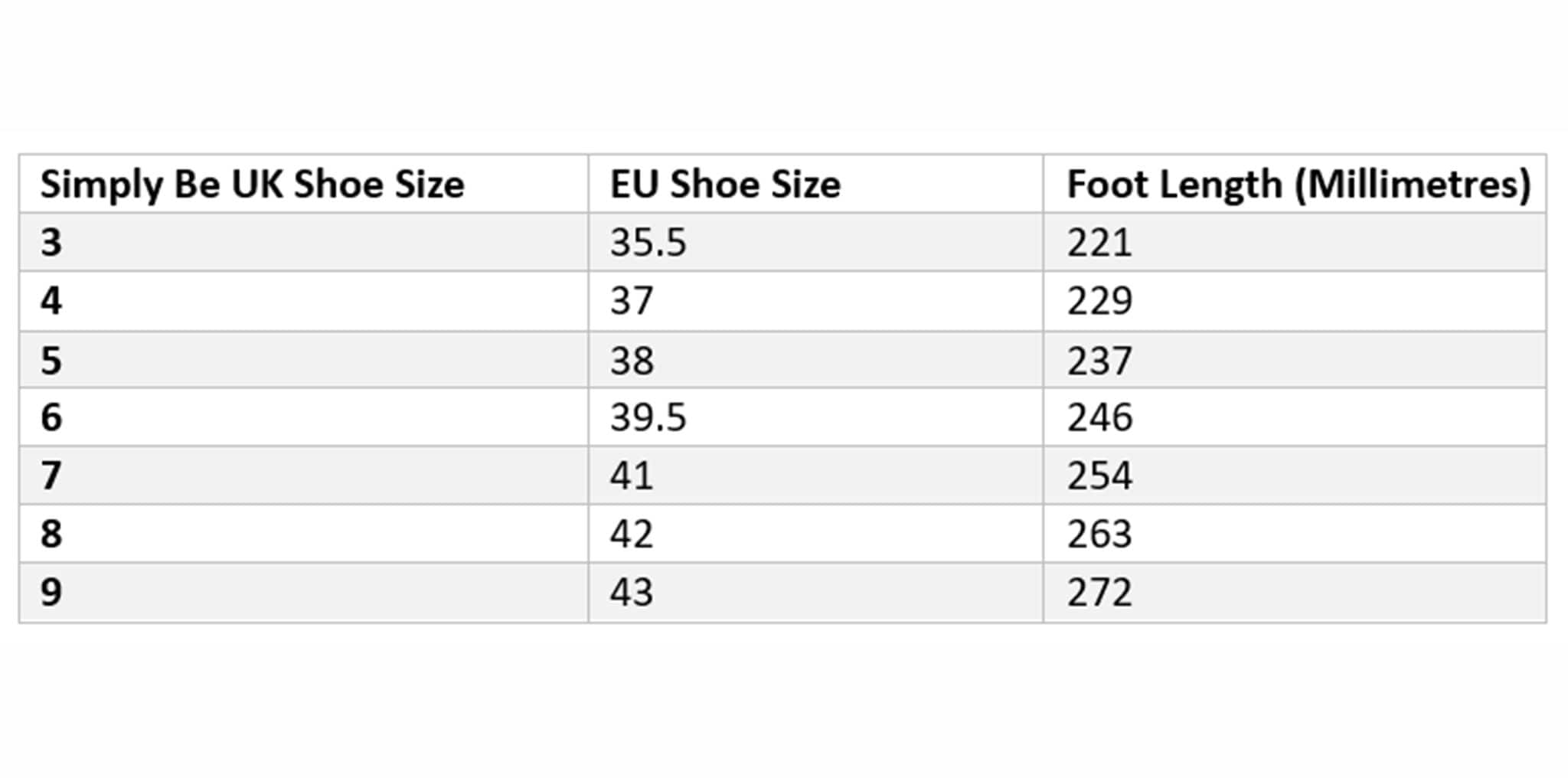
Tips for buying and fitting wide fit shoes
Small changes in fit matter. Use these tips when shopping.
- Try shoes at the end of the day when feet are slightly swollen.
- Wear the socks you will use with the shoes when trying them on.
- Walk for at least five minutes inside the store or on a mat to check pressure points.
- Check toe room: about a thumb’s width between longest toe and shoe end.
- Test width by pressing across the forefoot; avoid tight seams.
- Consider removable insoles to increase internal width slightly.
My mistake early on was trusting only length. Width and foot depth made the biggest difference for long-term comfort.

Common mistakes and how to avoid them when measuring wide fit shoes
Avoid these frequent errors to get accurate results.
- Measuring while sitting. Always measure standing with weight on the foot.
- Skipping the second foot. One foot is often larger than the other.
- Ignoring foot changes. Pregnancy, health conditions, and age alter width.
- Relying on brand size alone. Sizes vary between manufacturers.
I once recommended a shoe by length alone and ignored girth; the client returned it for a wider model the next week. Learn from that: both numbers matter.

Materials, stretch, and modifications for wide-fit shoes
Material choice affects fit and comfort.
- Leather and mesh stretch differently. Soft leather molds gently; synthetic uppers may be rigid.
- Adjustable closures like laces, straps, and buckles help fine-tune fit.
- Use shoe stretchers or professional cobblers to add about a half size or widen by an inch in the forefoot.
- Removable orthotics can change fit; re-measure when adding them.
If you need more room but want a specific style, look for designs with natural stretch or seams placed away from pressure zones. I’ve had good results asking cobblers to stretch the vamp slightly rather than replacing shoes.
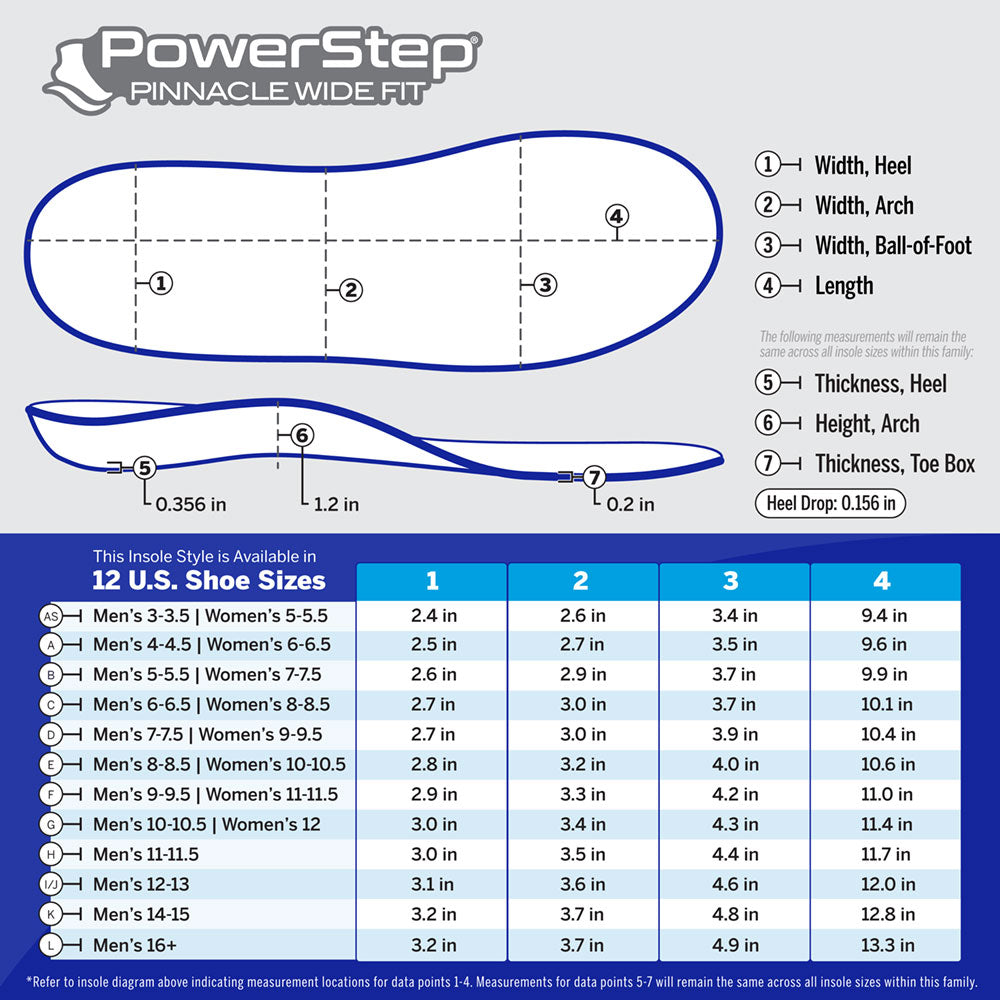
Frequently Asked Questions of how to measure wide fit shoes
How do I know if I need wide-fit shoes?
If your toes feel squeezed, your feet ache after short walks, or the shoe bulges on the side, you likely need wide-fit shoes. A measured width that exceeds standard width charts confirms it.
Can I measure my foot at home accurately?
Yes. Use tracing, measure standing, and repeat both feet. Accuracy improves with consistent technique and comparing to brand charts.
How much extra room should wide-fit shoes have?
Aim for about 0.25 to 0.5 inch of extra length and a comfortable clearance across the ball of the foot. Width should allow the foot to sit without pinching while keeping the heel snug.
Are shoe sizes the same globally for wide-fit shoes?
No. Sizes and width codes vary by region and brand. Always check conversion charts and brand-specific fittings.
Will wide-fit shoes prevent foot problems?
They can reduce pressure, pain, and the risk of blisters for people with wide feet. Proper fit is one part of foot health and should be combined with good sock choice and foot care.
Conclusion
Measuring correctly gives you the power to choose wide-fit shoes that feel like they were made for your feet. Use simple tools: trace, measure length and width standing, compare to brand charts, and try shoes with the socks and insoles you’ll use. Test fit by walking and checking pressure points. Start measuring today and you’ll save money, avoid discomfort, and enjoy better support. Share your fit results, ask questions, or subscribe for more practical shoe-fitting tips.

Rubel Miah is the Senior Editor at MyStyleGrid.com, where he brings a sharp editorial eye and an unshakable love for fashion to everything he does. A true style addict, Rubel lives and breathes trends, from streetwear to high fashion, and has a knack for turning inspiration into impactful stories. With years of experience in fashion journalism and digital media, he curates content that empowers readers to express themselves through style. When he’s not editing features or forecasting the next big thing, you’ll find him hunting down vintage pieces or capturing street style moments around the city.