Pack shoes in their boxes, stuff with paper, seal, and clearly label for safe moving.
I’ve packed hundreds of pairs for moves, small and large. This guide explains exactly how to pack shoes for moving with shoe boxes so your footwear arrives clean, in shape, and easy to unpack. I’ll share step-by-step methods, materials to use, special tips for boots and heels, labeling systems, mistakes I’ve learned from, and cost-saving ideas. Follow this plan and you’ll save space, protect shoes, and speed up unpacking.
Why use shoe boxes when moving
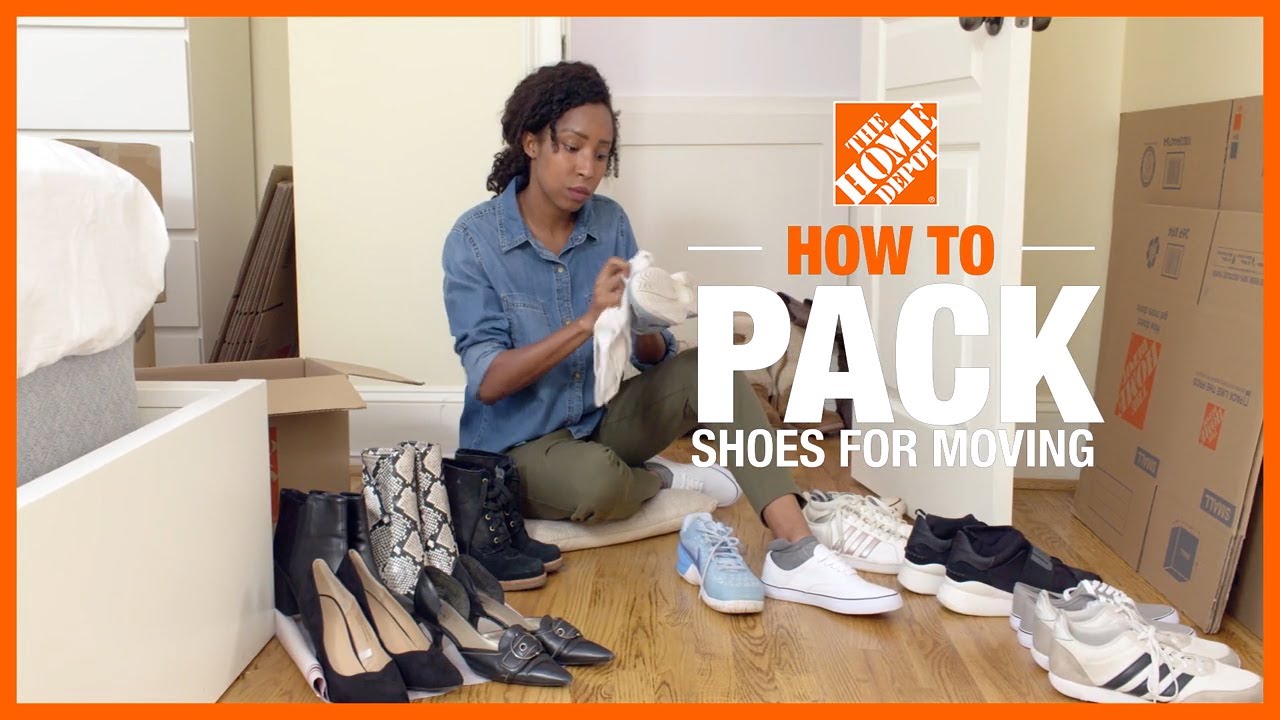
Shoe boxes protect shape. They stop scuffs and keep pairs together. Using shoe boxes reduces the chance shoes crush or mix with dirty items. They also stack well and help with inventory.
Shoe boxes make unpacking logical. You can move boxes room-by-room and put shoes away fast. For fragile or expensive shoes, boxes give an extra layer of safety that loose packing does not. When you learn how to pack shoes for moving with shoe boxes, you gain consistency and peace of mind.
What you need to pack shoes for moving with shoe boxes
Gather a few simple supplies before you start. This saves time and keeps your method consistent.
- Shoe boxes or clear plastic shoe boxes for visibility.
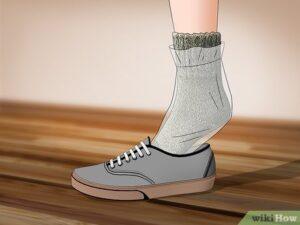
- Packing paper, tissue, or old clean socks to stuff shoes.
- Bubble wrap for delicate footwear.
- Packing tape and a box cutter.
- Labels, marker, and a simple inventory sheet.
- Optional: silica gel packets to prevent moisture during transit.
Using the right supplies makes how to pack shoes for moving with shoe boxes quick and reliable. I always keep a small tape roll and marker nearby when packing shoes.
Step-by-step: how to pack shoes for moving with shoe boxes
Follow these clear steps to pack every pair safely.
- Clean each pair first.
- Wipe dirt and debris. Dry thoroughly to avoid mildew.
- Pair and prep.
- Insert one shoe into the other or keep pairs side-by-side when needed.
- Stuff to hold shape.
- Use packing paper, tissue, or socks inside toes and heels.
- Add protective wrap for delicate shoes.
- Wrap suede, leather, or embellished shoes in tissue or bubble wrap.
- Place in boxes efficiently.
- Put heavier shoes at the bottom and lighter ones on top. Keep similar sizes together.
- Seal and label.
- Tape boxes shut and write contents, room, and priority (everyday, seasonal).
- Create an inventory.
- Number boxes and list contents on a sheet for quick search.
This approach to how to pack shoes for moving with shoe boxes cuts damage and speeds unpacking. Short, consistent steps reduce mistakes.

Packing methods for different shoe types
Different shoes need subtle tweaks. Use these quick rules for boots, heels, running shoes, and sandals.
- Boots
- Stuff shafts with paper to hold shape. Fold soft shaft boots inward if needed. Use boot boxes or larger shoe boxes.
- Heels and dress shoes
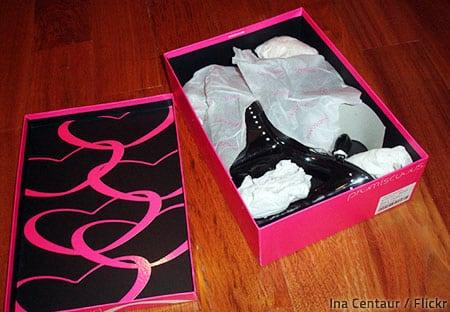
- Wrap heels separately and pad the heel tips. Place in individual tissue to avoid scratches.
- Sneakers and athletic shoes
- Remove inserts, stuff shoes, and stack pairs heel-to-toe if boxes allow.
- Sandals and flats
- Stack flats and place a sheet of tissue between pairs to prevent rubbing.
Adjust these tips as you learn how to pack shoes for moving with shoe boxes. I once learned the hard way: a pair of suede boots crushed because I didn’t stuff the shaft. Since then I always add extra paper.
Labeling, inventory, and storage tips
A good labeling system saves time on moving day and when unpacking.
- Label clearly on two sides of the box.
- Note shoe type, size range, and room destination.
- Number boxes and keep an inventory list.
- Keep a digital photo of contents for quick reference.
- Mark priority boxes.
- Use “open first” labels for daily shoes and “seasonal” for infrequently used pairs.
- Stack boxes by room at the new place.
- Place “open first” boxes toward the top of stacks.
When you master how to pack shoes for moving with shoe boxes and label well, you cut unpacking time dramatically. A photo inventory helps find that one pair fast.
Moving day and transport tips
Protect shoe boxes during transit with a few smart moves.
- Load shoe boxes into a stable spot.
- Place them on top of heavier furniture or in wardrobe boxes.
- Use cushioning between boxes.
- Fill gaps with soft items like pillows or towels.
- Avoid moisture exposure.
- Keep shoe boxes off floors prone to spills or dampness in a moving truck.
- Keep valuables with you.
- Carry expensive or sentimental shoes in your vehicle rather than the moving truck.
These small choices matter for how to pack shoes for moving with shoe boxes. I always keep my most-used shoes in my car for peace of mind during long moves.

Common mistakes and how to avoid them
Learn from common errors to prevent damage and stress.
- Mistake: Packing dirty shoes.
- Fix: Clean and dry every pair first to avoid stains and smells.
- Mistake: Overstuffing boxes.
- Fix: Use proper box size and don’t cram shoes; this can deform them.
- Mistake: Skipping labels.
- Fix: Mark boxes with content and priority to avoid endless digging.
- Mistake: Not protecting delicate shoes.
- Fix: Add tissue or bubble wrap around dress shoes and heels.
Following these fixes will make how to pack shoes for moving with shoe boxes much more foolproof. I’ve seen boxes ripped open because people ignored lightweight protection.
Sustainable and budget-friendly packing ideas
You don’t need new materials to pack well. Try these eco-friendly options.
- Reuse old shoe boxes, wrapping them with kraft paper if needed.
- Use clean socks, T-shirts, or newspaper as stuffing instead of new paper.
- Recycle plastic shoe boxes for seasonal shoe storage after moving.
- Donate or sell boxes you don’t need to reduce waste.
Smart choices help both your budget and the planet. Learning how to pack shoes for moving with shoe boxes can be green and cheap.
Personal experience and lessons learned
From helping multiple friends move and packing my own collections, I learned a few reliable truths.
- Always clean first. One damp sneaker created a mildew smell I couldn’t remove.
- Labeling saved me hours. I once delivered a move where the owner could find every pair within minutes.
- Keep a small “open first” kit with daily shoes, a shoebox of essentials, and a shoe horn.
These are real lessons from real moves. They shaped how to pack shoes for moving with shoe boxes into a simple, repeatable routine I trust.
Frequently Asked Questions of how to pack shoes for moving with shoe boxes
How do I prevent shoes from getting squashed during a move?
Stuff each shoe with paper or socks to keep shape, use sturdy boxes, and avoid stacking heavy items on top. Place shoe boxes on top of furniture or in stable areas of the truck.
Can I use clear plastic shoe boxes instead of cardboard?
Yes. Clear plastic shoe boxes protect against moisture and let you see contents. They are heavier but reusable for long-term storage.
Should I wrap each pair individually?
For delicate or expensive shoes, wrap pairs individually in tissue or bubble wrap to prevent scuffs. Everyday sneakers can be packed without individual wrapping if boxed properly.
How many pairs should go in one shoe box?
Aim for 2–4 pairs per standard shoe box depending on size. Keep similar sizes together and avoid overpacking to maintain shape.
Is it okay to pack shoes with other items?
Yes, but avoid placing shoes with clothes unless they are clean and wrapped. Keep shoes with fragile or valuable items in separate, labeled boxes for better protection.
Conclusion
Packing shoes with shoe boxes is simple, efficient, and protective when you follow clear steps. Clean and stuff every pair, wrap delicate items, use sturdy boxes, label carefully, and keep an inventory. These habits make moving easier and keep shoes wearable after transit. Try this method on your next move and note how much faster unpacking goes—then share your experience or questions below.

Rubel Miah is the Senior Editor at MyStyleGrid.com, where he brings a sharp editorial eye and an unshakable love for fashion to everything he does. A true style addict, Rubel lives and breathes trends, from streetwear to high fashion, and has a knack for turning inspiration into impactful stories. With years of experience in fashion journalism and digital media, he curates content that empowers readers to express themselves through style. When he’s not editing features or forecasting the next big thing, you’ll find him hunting down vintage pieces or capturing street style moments around the city.