Climbing is a joy. But bad shoes can ruin it.
I remember my first pair of climbing shoes. I was told they had to hurt. People said, “If you aren’t crying, they are too big.” So, I bought shoes two sizes too small.
It was a mistake.
I could barely stand. I dreaded putting them on. Instead of focusing on my footwork, I focused on the pain. I climbed worse, not better.
You do not need to suffer to climb well.
Choosing the right gear is vital. The right shoe helps you trust your feet. It helps you stand on tiny edges. It keeps you safe.
If you want to know how to pick climbing shoes, you are in the right place. I have worn through dozens of pairs over the years. I have climbed granite, limestone, and plastic. I want to share what I learned.
This guide is simple. It is practical. It will help you find a shoe that fits like a glove.
Let’s get started.
Understanding the Basics: Why Fit Matters
First, let’s talk about why we need these shoes.
Sneakers are soft. They squish when you stand on a rock. Climbing shoes are different. They use sticky rubber. They pack your toes tight. This gives you power.
A good fit acts like a second skin.
If the shoe is too loose, you will slip. The rubber will roll off the rock. If the shoe is too tight, you will be in pain. You won’t be able to push hard.
The goal is a “snug” fit. No air pockets. No hot spots. Just a firm hug for your foot.

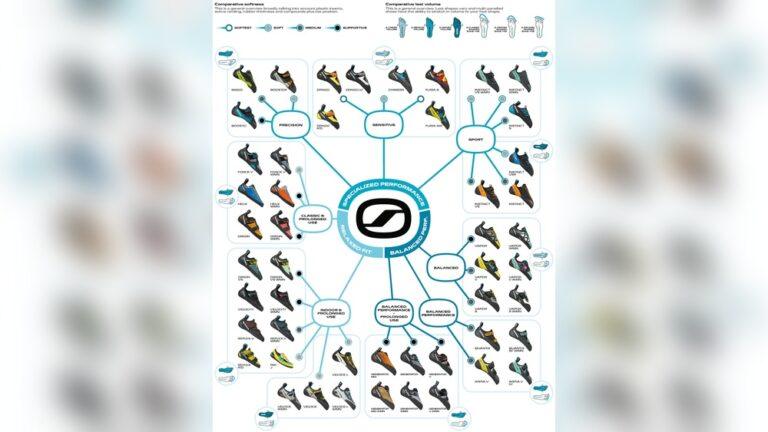
Credit: arloren.com
The Three Main Types of Climbing Shoes
Shoes come in different shapes. We call this the “last.” The shape changes how you climb.
When looking at aggressive vs neutral climbing shoes, think of it like cars. Some are sedans. Some are race cars.
Neutral Shoes (The All-Day Comfort Choice)
Neutral shoes are flat. Your toes lie flat inside them.
These are the sedans. They are comfortable. You can wear them for hours. They are great for beginners. They are also good for long crack climbs.
Why pick them?
- They don’t hurt.
- They support your foot.
- They are often cheaper.
If you are new, start here. A flat shoe lets you focus on learning.
Moderate Shoes (The Do-It-All)
Moderate shoes have a slight curve. They point down a little bit.
These are the sports sedans. They can go fast, but you can still drive them to the store. They are good for technical routes. They help you hook onto small holds. But they are not too painful.
Why pick them?
- You climb harder grades (5.10 or V3+).
- You want one shoe for everything.
- You need more power than a flat shoe.
Aggressive Shoes (The High Performer)
Aggressive shoes look like a banana. They are very curved.
These are the Formula 1 race cars. They force your toes into a hook shape. This puts all your power on the big toe. They are amazing for overhangs. They grab rock like a claw.
Why pick them?
- You climb steep, overhanging roofs.
- You need to stand on tiny, credit-card-sized edges.
- You are okay with taking them off between climbs.
My advice: Don’t buy these as your first pair. Your feet aren’t strong enough yet. You will just be uncomfortable.
Choosing the Right Closure System
How you close the shoe matters. It changes the fit.
Laces
Laces are classic. They are the most adjustable.
Do you have a wide toe box but a narrow heel? Laces help. You can tighten the top and loosen the bottom. They give the most custom fit.
- Pros: Best fit, secure.
- Cons: Takes time to put on.
Velcro (Straps)
Velcro is fast. These are also called “Hook-and-Loop.”
I love velcro for the gym. You climb a route, then pop them off. You rest your feet. Then you pop them back on. It is very easy.
- Pros: Fast, easy on/off.
- Cons: Less adjustable than laces.
Slippers
Slippers have no straps. They use elastic.
They are very soft. They are great for training. They make your feet strong. They are also the most sensitive. You can feel every bump on the wall.
- Pros: Fastest on/off, cheap, sensitive.
- Cons: Heel can slip, they stretch out.
Materials: Leather vs. Synthetic
This is a huge deal. The material changes how the size feels later.
Unlined Leather
Leather is skin. It stretches.
Unlined leather shoes can stretch a full size. Sometimes more. When you buy them, they should feel tight. Very tight. They will mold to your foot perfectly after a few weeks.
Note: They might bleed color on your feet. It’s normal.
Lined Leather
Some leather shoes have a liner. Usually cotton or synthetic.
The liner stops the stretch. These shoes stretch about a half size. They keep their shape better than unlined ones.
Synthetic
Synthetic shoes do not stretch.
They stay the same size. If they hurt in the store, they will hurt later. They are great if you are vegan. They also don’t smell as bad as leather.
Key takeaway: Ask the shop staff about the material. It changes what size you buy.

Credit: www.lasportiva.com
The Ultimate Climbing Shoe Sizing Guide
Sizing is the hardest part. It confuses everyone.
Here is a simple climbing shoe sizing guide to help you.
1. Ignore Your Street Size (Sort of)
In normal shoes, I wear a size 10. In climbing shoes, I might wear a 9. Or an 8.5. Or a 10.5.
Brands are different. La Sportiva tends to run big (so you size down). Evolv runs small (so you size up).
2. Measure Your Foot
Use a ruler. Measure from heel to big toe. Do this in centimeters. Most brands have charts based on CM length. This is more accurate than US or UK sizes.
3. Check for “Dead Space”
Put the shoe on. Wiggle your toes.
Is there air around your heel? That is bad. Your heel will slip when you hook.
Is there air above your toes? That is bad. You lose power.
The shoe should touch your foot everywhere.
4. The “Curl” Factor
- Beginners: Toes should touch the end. They should be flat or slightly bent. Not crunched.
- Experts: Toes are “crimped” or curled inside. This creates a power point.
5. Volume Matters
Do you have wide feet? Or high arches?
Look for “High Volume” (HV) or “Low Volume” (LV) shoes.
Many brands make the same shoe in two shapes. LV is often called the “women’s” version, but men with narrow feet wear them too. I have narrow heels, so I often wear LV shoes.
Matching Shoes to Your Climbing Style
What do you climb? Bouldering vs sport climbing shoes have different needs.
Best Shoes for Bouldering
Bouldering is short. It is intense. You do hard moves.
You want aggressive shoes. You need soft rubber to stick to volumes. You need a good heel cup for heel hooks. You will take them off often, so Velcro is best.
Best Shoes for Sport and Trad Climbing
Sport routes are long. You are on the wall for 10 to 30 minutes.
If your feet hurt, you will quit. Look for moderate or stiff shoes. Stiff soles help you stand on small edges without your calf muscles getting tired. Laces are good here for a secure fit.
Best Shoes for Gym Climbing
Gym holds are big. The walls are textured.
You don’t need expensive, aggressive shoes. A comfortable, neutral shoe is fine. Look for durable rubber. Gym walls are like sandpaper. They eat soft rubber quickly.
Understanding Climbing Rubber and Soles
Let’s talk about climbing rubber types. It’s not all the same.
Soft Rubber
- Feels like: A racing tire. Sticky.
- Good for: Smearing (standing on flat walls). Friction.
- Bad for: Heavy climbers. It wears out fast. It doesn’t support your foot as well.
- Examples: Vibram XS Grip 2, Stealth C4.
Hard / Stiff Rubber
- Feels like: A hiking boot sole. Firm.
- Good for: Edging. Standing on tiny chips. Durability. Heavy climbers.
- Bad for: Smearing. It can slide off slick volumes.
- Examples: Vibram XS Edge, Trax SAS.
Expert Tip: If you are new, get stiffer rubber. It helps support your weak foot muscles. It also lasts longer.
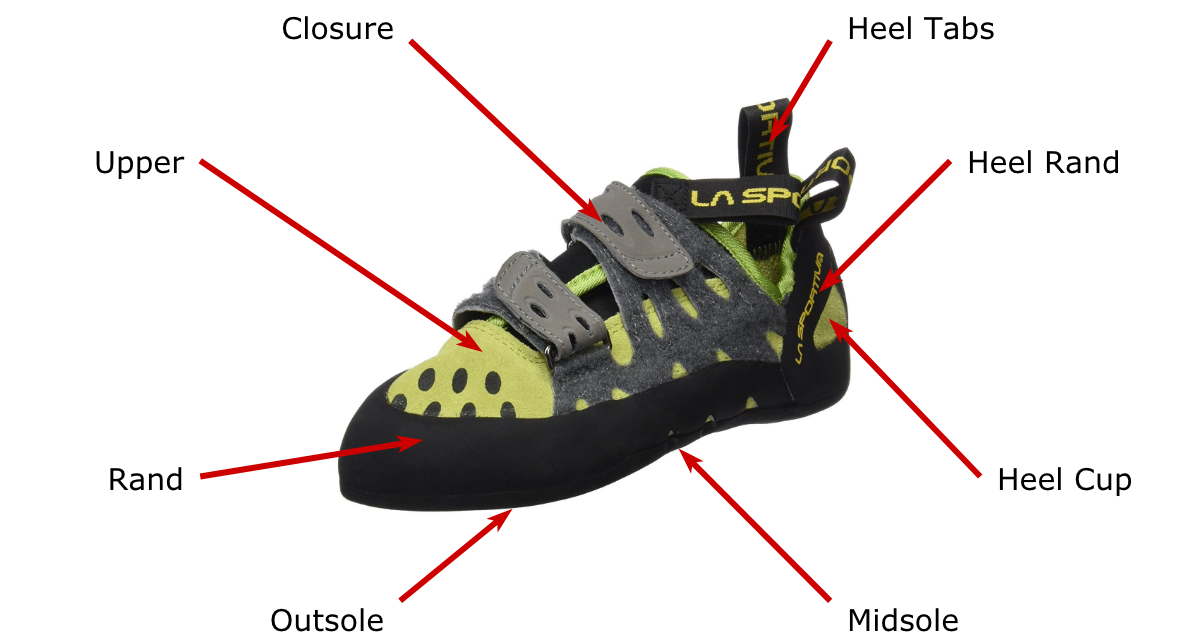
Credit: www.theclimbingguy.com
Beginner Climbing Shoes: What to Look For
If you are buying beginner climbing shoes, keep it simple.
Do not buy the pro shoes. They cost $200. You will ruin them in three months with bad footwork. That is normal! We all do it.
Look for this:
- Flat sole: For comfort.
- Thick rubber: To last longer.
- Low price: Save money for your second pair.
- Comfort: If it hurts in the store, don’t buy it.
Brands like Black Diamond, Scarpa, and La Sportiva make great entry-level shoes.
How to Test Shoes in the Store
Buying online is risky. Go to a store if you can.
Follow these steps:
- Go in the afternoon. Your feet swell during the day. This mimics how they feel when climbing.
- Bring thin socks. Even if you climb barefoot, socks help you slide into test shoes.
- Use the plastic bag trick. Can’t get the shoe on? Put a plastic produce bag over your foot. Slide it in. Then rip the bag out. It works like magic.
- Stand up. Don’t just sit. Stand on your toes.
- Test the edge. Stand on a small ledge in the shop. Does the shoe roll? Or does it stay stiff?
- Walk around. It should be uncomfortable to walk, but not agonizing.
Breaking In Your New Kicks
You bought them. Now you need breaking in climbing shoes.
It can be tough. The first week is hard.
Here is what I do:
Wear them while watching TV. Put them on for 10 minutes. Then take them off. Do this every night. The heat from your foot softens the glue and rubber.
The Shower Method?
Some people soak shoes in hot water. Then they wear them until dry.
- My take: Be careful. This can ruin the glue. Only do this if you are desperate.
The best way:
Just climb. Do easy routes. Warm up in them. Take them off between climbs. After 5 or 6 sessions, they will feel perfect.
Maintenance Tips for Longevity
Climbing shoes are tools. Take care of them.
- Don’t leave them in a hot car. The glue will melt. The shoe will fall apart.
- Air them out. Don’t leave them in your gym bag. They will rot and smell.
- Clean the rubber. Use a damp rag. Wipe off the chalk and dust. This makes the rubber sticky again.
- Resole early. Look at the toe. Is the rubber getting thin? Can you see the material underneath? Send them to a resoler. It is cheaper than buying new ones.
Frequently Asked Questions (FAQ)
Should I wear socks with climbing shoes?
It is up to you. Most pros do not. Bare skin feels the rock better. But socks prevent smell and blisters. If you are new, socks are fine.
How tight should they be?
Snug. Like a firm handshake. Your toes should touch the end. They should not hurt so much that you want to cry.
How long do climbing shoes last?
It depends. For a beginner with poor footwork, maybe 3 to 6 months. For an expert, maybe a year. Softer rubber wears out faster.
Why do my shoes smell so bad?
Sweat and bacteria. Synthetic shoes smell worse. Use boot bananas or charcoal bags. Air them out after every climb.
Can I walk in climbing shoes?
Try not to. It ruins the shape. It wears out the rubber. Put them on at the wall. Take them off when you are done.
Conclusion
Picking the right shoe is a journey.
Your first pair won’t be your last. As you get better, your needs will change. You might start with a flat, comfy shoe. Later, you might want a curved, soft shoe for bouldering.
That is the fun part.
Remember the golden rule: Fit is King.
Don’t worry about what looks cool. Don’t worry about what the pro climbers wear. Wear what fits your foot.
If your feet are happy, you will climb more. If you climb more, you will get strong.
So go to the shop. Try on ten pairs. Find the one that feels right.
Then go crush it.
See you on the wall.

Madison Clark is a footwear expert and the voice behind MyStyleGrid.com. She specializes in honest shoe reviews, style tips, and practical guides to help readers find the perfect pair for any occasion. With years of experience in blogging and content creation, Madison makes footwear knowledge simple, stylish, and easy to follow.