Wear sandals with textured, deep-tread soles, add non-slip pads or spray, and keep soles clean.
I have spent years testing footwear and fixing slippery sandals in real homes and busy kitchens. This guide explains exactly how to prevent sandals from slipping on wet floors. You will get clear, practical steps, product ideas, and easy DIY fixes you can use today. Read on to protect your balance and enjoy safer walks on wet surfaces.
Why sandals slip on wet floors
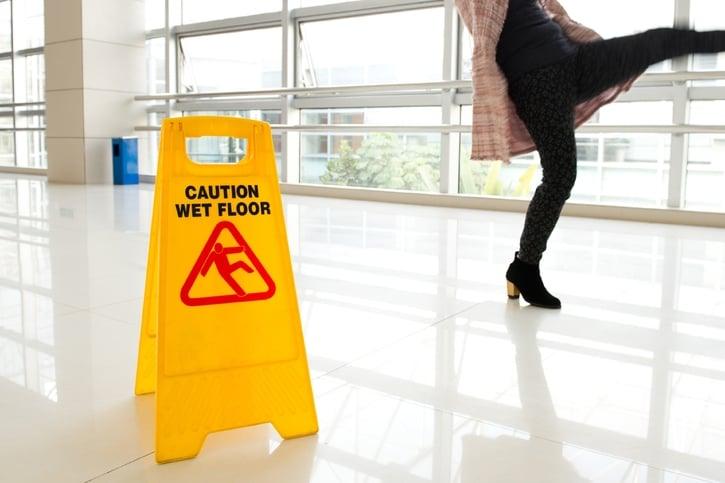
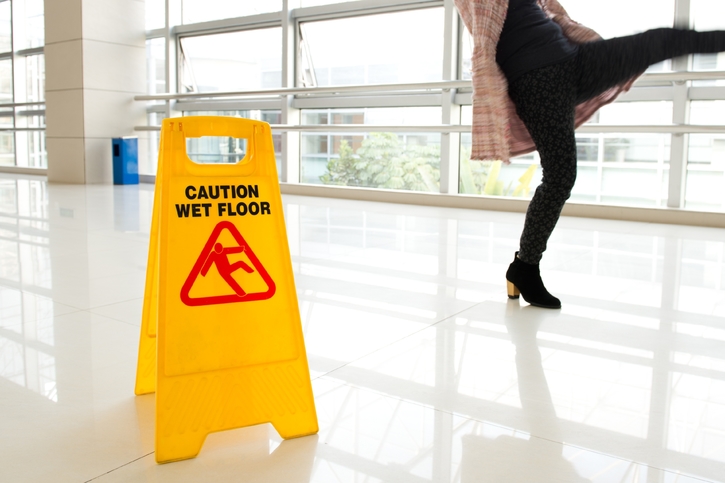
Water cuts the friction between your sole and the floor. Smooth or worn rubber, flat soles, and slick tile or wet wood make slipping likely. Simple contact turns to sliding when water acts like a thin lubricant. To prevent sandals from slipping on wet floors you must increase friction and keep soles free of contaminants.
- Common causes of slips
- Smooth sole materials like hard plastic
- Worn tread or rounded edges
- Grease, soap, or algae on floors
- Poor foot contact and loose straps
Understanding these forces helps you pick and use the right fixes. Small changes to soles and habits cut risk fast.
Pick the right sandals: design and materials
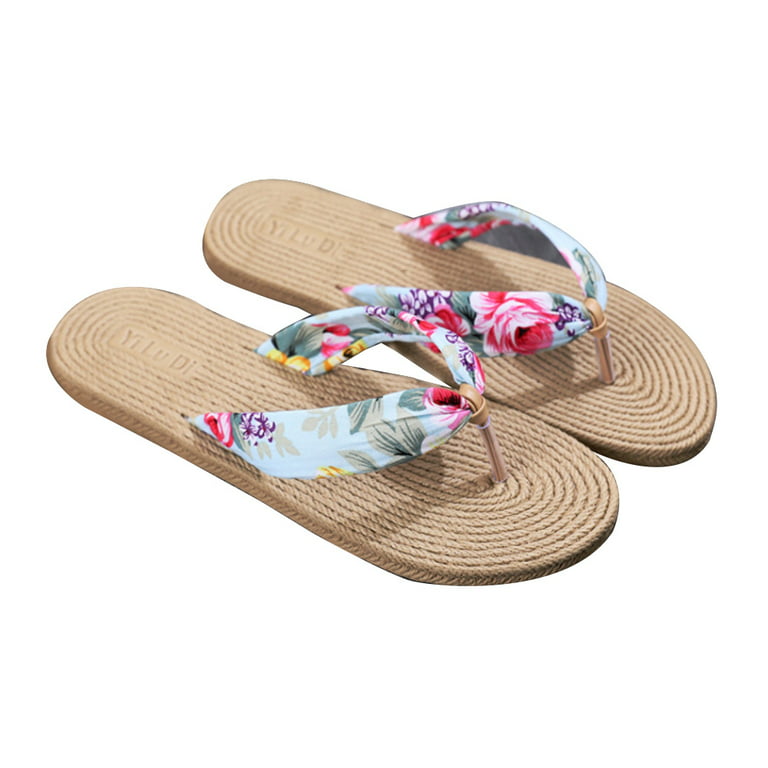
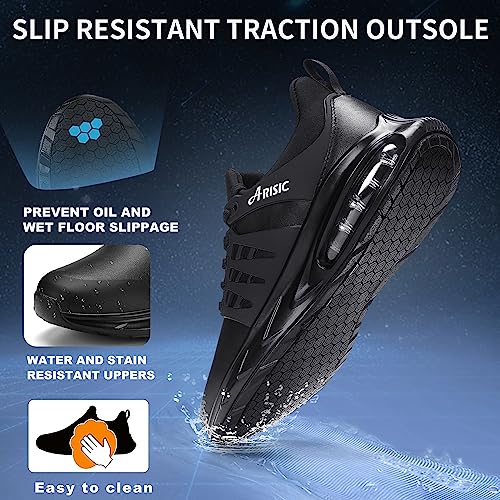
Choosing proper sandals is the first defense. To prevent sandals from slipping on wet floors pick footwear with textured rubber soles and visible treads. Look for soles that flex under your foot to increase area contact and grip.
- Seek soles made of softer rubber or EVA with deep grooves
- Prefer closed-toe or toe-post designs that secure the foot
- Avoid flat, glossy soles and slick decorative bottoms
- Check tread pattern for channels that move water away
I once swapped thin flip-flops for a textured sport sandal and felt the difference immediately. The right design can cut slip risk without extra parts.

Improve grip immediately: DIY fixes and easy modifications
You can change a sandal’s grip in minutes with low-cost fixes. To prevent sandals from slipping on wet floors try traction pads, hot-glue dots, or light sanding of glossy soles.
- Apply non-slip traction pads to the sole contact points
- Use a hot glue gun to add small, spaced beads for texture
- Roughen smooth soles with fine-grit sandpaper; test often
- Add anti-slip tape to heel and ball areas for quick grip
I tested hot-glue beads on an old pair and they lasted through several rainy weeks. Reapply or replace pads as needed. Always let glue and tape cure fully before walking.

Shoe accessories and products that work
Some products are made for this exact problem. To prevent sandals from slipping on wet floors consider adhesive sole pads, spray-on grip, and professional resoling.
- Adhesive rubber traction pads in pre-cut shapes for sandals
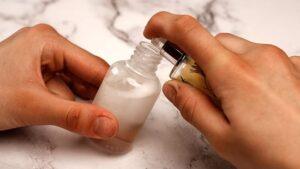
- Spray-on sole rougheners that add micro-texture
- Resole services that attach thicker, grippy soles
- Replaceable tread stickers made for pool or work shoes
Product choice depends on use. For beach or pool areas pick water-rated pads. For daily city wear choose durable, thin pads that don’t change foot feel.

Cleaning and maintenance to keep grip working
Dirty soles slip more. To prevent sandals from slipping on wet floors clean and inspect your soles weekly and after heavy use. Remove debris, oil, and worn bits to keep traction.
- Wash soles with mild soap and a brush, then air dry
- Remove grease with a degreasing dish soap or rubbing alcohol
- Inspect tread depth and edges for rounding or bald spots
- Replace or resole sandals when tread no longer grips
I learned this the hard way after slipping on a greasy cafe floor. A quick clean avoided the second fall and extended the sandals’ life.
Walking technique and habits to reduce slips
Your body helps prevent falls. To prevent sandals from slipping on wet floors walk with small, flat-footed steps and keep your weight centered. Slow down and place your foot flat from heel to toe when surfaces are wet.
- Take short steps and keep your knees slightly bent
- Avoid sudden turns and quick stops on wet tiles
- Use handrails where offered and clear sightlines
- Carry less and keep hands free to steady yourself
Good technique is an extra layer of safety. Combine it with the right sandals and products for best results.

Special settings: pool, bathroom, kitchen tips
Different wet floors need specific care. To prevent sandals from slipping on wet floors in pools and kitchens choose water-friendly grips and non-absorbent materials.
- Pool areas: look for quick-drain treads and chlorine-safe pads
- Bathrooms: use thin adhesive grip strips that tolerate steam
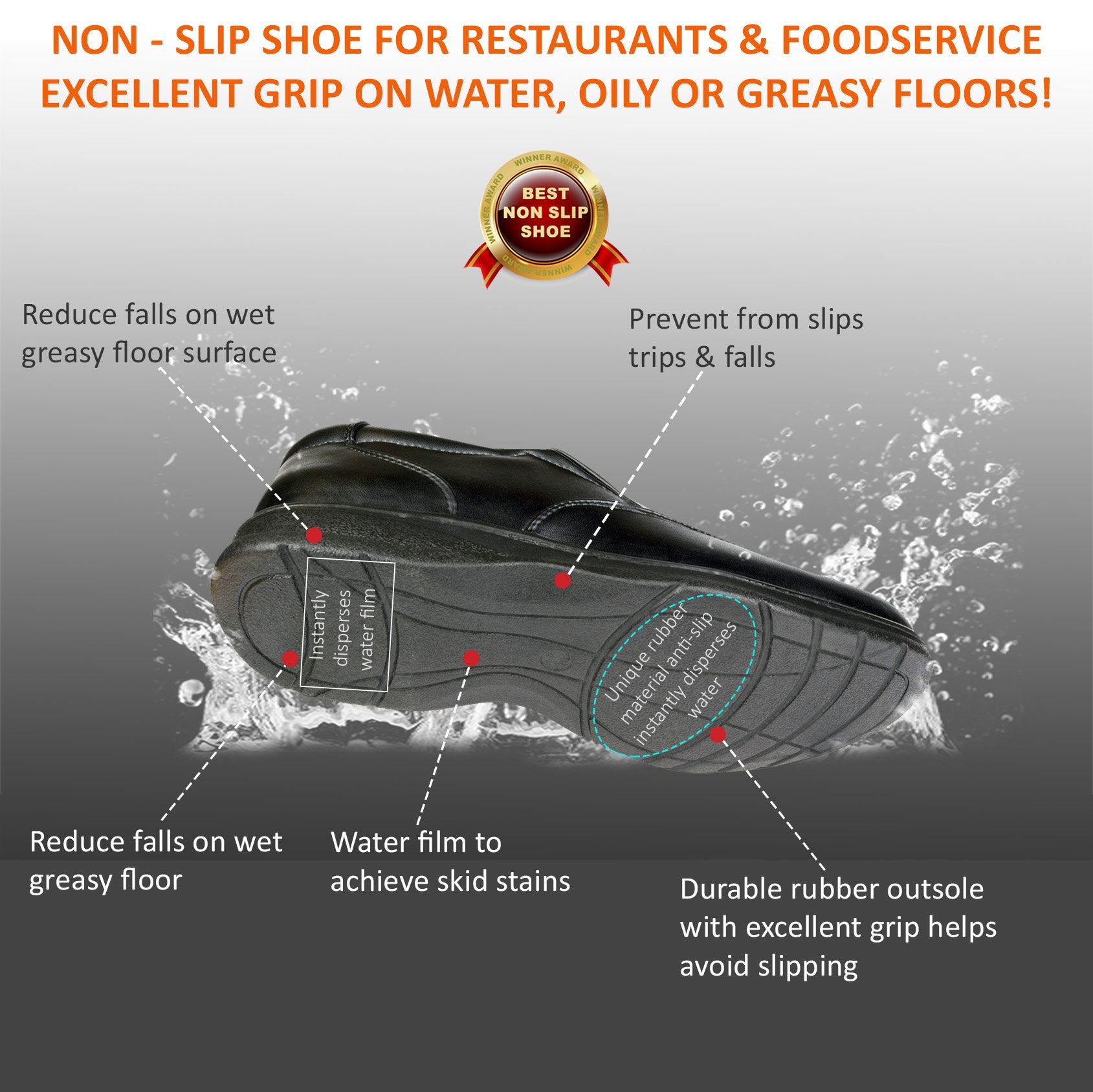
- Kitchens: choose oil-resistant soles and replace pads often
- Outdoors: clean algae and mud from treads immediately
Match the fix to the area. A kitchen needs grease resistance. A pool needs water drainage.
When to replace sandals
No fix lasts forever. Replace sandals when grip is gone or the foot seat is damaged. To prevent sandals from slipping on wet floors check for these signs weekly.
- Tread depth worn down to smoothness
- Cracked or detached sole edges
- Inner footbed collapsed, causing poor foot fit
- Repeated loss of traction after cleaning or new pads
Plan replacement as a safety step, not just a comfort one. Fresh sandals with proper tread are often the simplest fix.

Personal tips and mistakes to avoid
From years of testing, here are honest tips and common errors that cost people slips. To prevent sandals from slipping on wet floors follow simple rules from real use.
- Test fixes on short walks before long use
- Avoid thick heels and unstable platforms near wet zones
- Don’t rely on decorative, glued-on items for traction
- Re-check adhesives after heat or long wear; they lose hold
I once trusted an adhesive pad without testing and it peeled on a rainy day. A short trial would have saved a fall and the repair time.
Frequently Asked Questions of how to prevent sandals from slipping on wet floors
Are cheap traction pads worth it?
Cheap pads can help short-term. They work best on smooth soles but may peel sooner; pick pads with good reviews for long wear.
Can I roughen a sole without ruining the sandal?
Yes, light sanding adds texture without damage if done gently. Test a small area first and stop once you feel more grip.
Is spray-on grip safe for all sandals?
Most sprays work on rubber and EVA but may not bond to glossy plastic. Check product labels and test a corner before full use.
How often should I replace traction pads?
Replace pads when edges lift or grip fades, often every few months with heavy use. Inspect them weekly in wet or oily environments.
Will adding beads or glue affect comfort?
Properly spaced beads add grip with little discomfort. Keep beads thin and only where the sole meets the floor to avoid pressure points.
Conclusion
Safer sandals start with the right shoe, regular care, and a few smart fixes. Use textured soles, keep them clean, and add pads or sprays when needed to prevent sandals from slipping on wet floors. Try one DIY fix today and test it on a dry patch before stepping into wet areas. Share your results, ask questions, or subscribe for more shoe safety tips.

Madison Clark is a footwear expert and the voice behind MyStyleGrid.com. She specializes in honest shoe reviews, style tips, and practical guides to help readers find the perfect pair for any occasion. With years of experience in blogging and content creation, Madison makes footwear knowledge simple, stylish, and easy to follow.