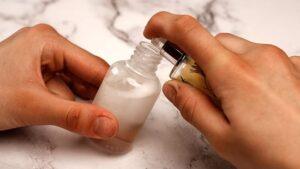
Use waterproofing, remove salt fast, add traction, and dry boots thoroughly each time.
I have spent years testing winter gear and fixing cold-weather footwear for friends, outdoor clients, and my own hikes. This guide shows exactly how to protect boots from snow and ice damage. You will get easy steps, pro tips, and real-life fixes. Read on and save your boots this winter.
Why snow and ice harm boots
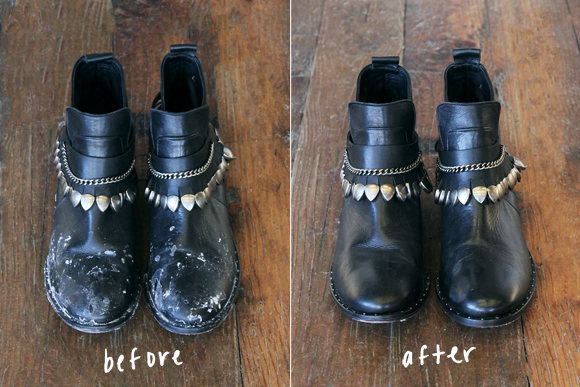
Snow looks clean. It hides harsh risks. Road salt, slush, and freeze-thaw cycles break down leather, glue, and fabric. Salt draws moisture out of leather. Water that soaks in then freezes can stretch seams and crack soles. Understanding these forces helps you plan how to protect boots from snow and ice damage.
Common problems to watch for:
- Salt staining on leather and fabric.
- Brittle soles and cracked glue joints.
- Frozen liners that lose shape.
- Loss of traction and slipped heels.
Practical tip from experience: I once left leather boots wet overnight after a snow hike. By morning, the toe box had a deep crease and the finish looked dull. A timely conditioner and waterproofing later, they recovered. If treated early, many issues are reversible.

Choose boots that resist winter wear
Pick boots built for snow and ice. Materials and design matter more than style. Look for:
- Full-grain or oiled leather for durability and natural water resistance.
- Waterproof membranes like breathable liners for wet days.
- Stitched or welted construction instead of weak glued seams.
- Aggressive rubber soles with deep lugs for grip.
- Insulation that does not trap moisture if you plan heavy use.
How to protect boots from snow and ice damage starts with buying the right pair. If you buy once and smart, you avoid most repairs later. I prefer boots with replaceable soles. They last much longer in winter work and play.
Pre-season prep: clean, treat, and seal
Prepping your boots before winter is critical. Dirt and old salt block treatments. Start clean, then protect.
Steps:
- Clean off dirt and old salt with a soft brush and mild soap.
- Let boots dry at room temperature. Do not use direct heat.
- Apply a leather conditioner for leather boots to prevent drying.
- Use a waterproofing spray or wax recommended for the material.
- Seal seams or stitch lines with seam sealer where water can enter.
Practical note: For suede or nubuck use a spray made for those surfaces. For leather, beeswax-based products work well. I once treated a pair of work boots with wax and saw water bead instantly at the first snowfall. That kind of prep is how to protect boots from snow and ice damage early and cheaply.

Daily care while you wear them
Daily habits keep damage small. Little actions add up.
Do this after each outing:
- Knock off clumps of snow and brush away salt.
- Rinse salt with fresh water if possible, then dry gently.
- Stuff boots with newspaper or boot trees to absorb moisture and keep shape.
- Air dry at room temp; avoid radiators and hair dryers.
- Reapply waterproofing every few weeks during wet spells.
A habit I adopted: I leave a small shoe brush and towel by the door. A quick clean before going inside prevents salt from sitting. This habit is a key part of how to protect boots from snow and ice damage.
Improve traction and avoid slips
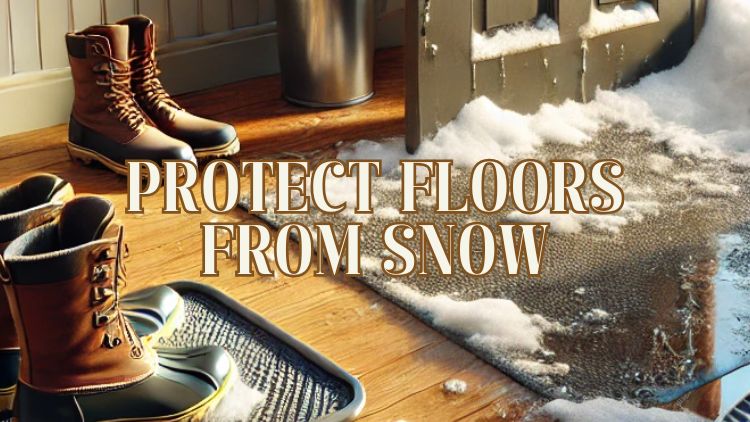
Traction protects both you and your boots. Slips can damage soles and seams.
Options:
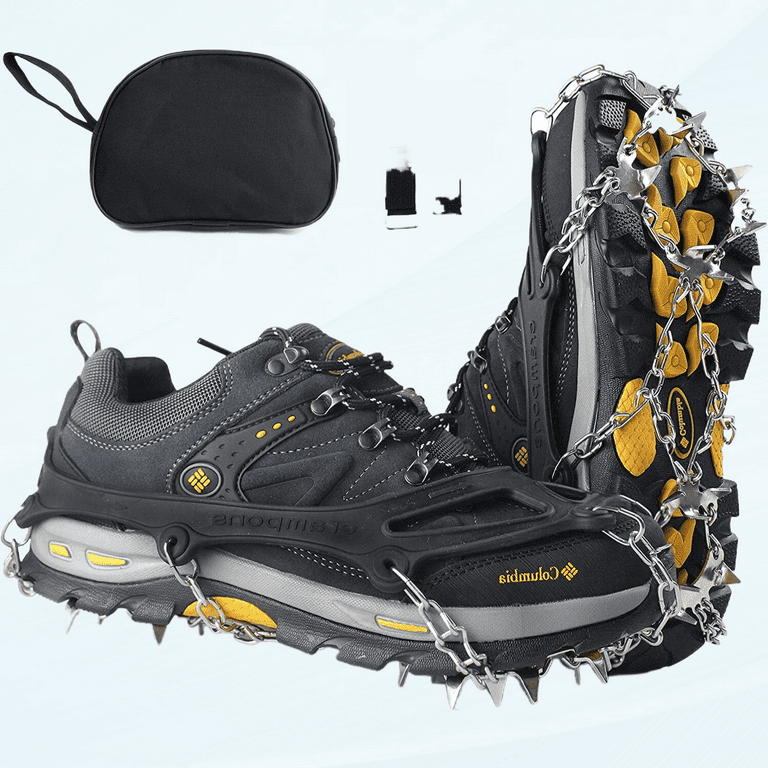
- Add detachable ice grips for icy walks.
- Choose soles with deep lugs and rubber compounds rated for cold.
- Apply non-slip pads or replacement soles if wear is uneven.
- Use heel and toe traction plates for work boots.
I tested a few ice grips on a trail. Boots that gripped well stayed intact longer. Less sliding means less scuffing and fewer stress points on the sole. Choosing good traction is part of how to protect boots from snow and ice damage and stay safe.
Quick answers to common questions (PAA-style)
Will salt ruin leather boots?
Salt attracts moisture and can dry and crack leather if left on. Wipe salt off promptly and condition the leather regularly.
Can I use a hair dryer to speed dry boots?
No. High heat dries leather too fast and weakens glue. Use room temp air and absorbent materials like newspaper.
How often should I re-waterproof winter boots?
Re-waterproof every few weeks during heavy use or after cleaning. Check by sprinkling water; beads mean you’re protected.

Repair tips and knowing when to replace
Small repairs extend life. Major damage means replace.
Fixable issues:
- Re-glue loose soles quickly to avoid further separation.
- Patch tears in fabric with a repair kit or take to a cobbler.
- Replace laces and insoles as needed to keep fit and comfort.
When to replace:
- Sole tread is gone and repairs are frequent.
- Structural cracks in the sole or midsole.
- Persistent leaks after proper care.
A repair story: I resoled an old hiking boot at a cobbler after years of use. The boot lived four more seasons. That saved money and reduced waste. Knowing when to repair versus replace helps you keep boots functional and learn how to protect boots from snow and ice damage over time.
Extra tips from experience
These small moves have helped me save boots and time.
- Use gaiters in deep snow to keep salt and slush from the uppers.
- Rotate two pairs of boots in heavy winter use to allow a full dry cycle.
- Keep a small care kit with brush, conditioner, waterproof spray, and a spare set of laces.
- Avoid walking through de-icing chemical pools; they are harsh on both leather and fabric.
I once ruined a favorite pair by walking through a melting pile of road salt. Since then, I carry a spare pair of lightweight shoes for short errands. That choice is a simple way to protect boots from snow and ice damage.

Frequently Asked Questions of how to protect boots from snow and ice damage
What is the best waterproofing for leather boots?
Use a beeswax-based or silicone-free waterproofing for leather. Apply after cleaning and reapply every few weeks during heavy use.
Can salt permanently damage boot soles?
Yes. Salt speeds up wear by drawing moisture and breaking down materials. Clean salt off fast to reduce long-term harm.
Is it OK to store boots wet?
No. Storing wet boots promotes mold, odors, and material breakdown. Dry them fully before storing.
How do I remove salt stains from suede?
Gently brush away salt then use a suede cleaner or a damp cloth with mild soap. Let air-dry and restore nap with a suede brush.
Can glue come loose in the cold?
Yes. Cold and wet conditions weaken some adhesives. Strong stitching or resoling is a better long-term fix.
Conclusion
Protecting boots from snow and ice damage is simple when you take steady steps. Buy the right boots. Prep them before winter. Clean salt off fast. Dry and store them properly. Add traction and repair small issues early. Start with one habit today, like wiping salt off by the door. Your boots will last longer, feel better, and keep you safer this season. Try these tips, share your wins, or ask a question below to keep the conversation going.

Rubel Miah is the Senior Editor at MyStyleGrid.com, where he brings a sharp editorial eye and an unshakable love for fashion to everything he does. A true style addict, Rubel lives and breathes trends, from streetwear to high fashion, and has a knack for turning inspiration into impactful stories. With years of experience in fashion journalism and digital media, he curates content that empowers readers to express themselves through style. When he’s not editing features or forecasting the next big thing, you’ll find him hunting down vintage pieces or capturing street style moments around the city.