Use protective soles, rotate shoes, clean regularly, and avoid harsh surfaces to extend life.
I have spent years testing shoes, repairing soles, and advising people on how to protect shoe soles. This guide explains clear steps, proven products, and everyday habits that keep soles lasting longer. Read on for expert tips, simple routines, and real-world fixes that work for sneakers, dress shoes, boots, and casual footwear.
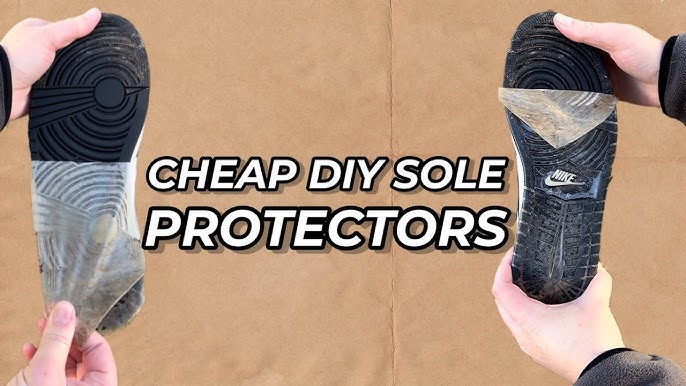
Why protecting shoe soles matters
Shoe soles take the brunt of every step. Worn soles reduce comfort, increase slip risk, and can ruin a good pair of shoes fast. Learning how to protect shoe soles saves money and keeps shoes safe and comfortable.
Protecting soles preserves traction and cushioning. It also keeps shoe uppers aligned. That means fewer foot aches and fewer trips to a cobbler. Below you will find practical steps for the most common sole problems and ways to prevent them.
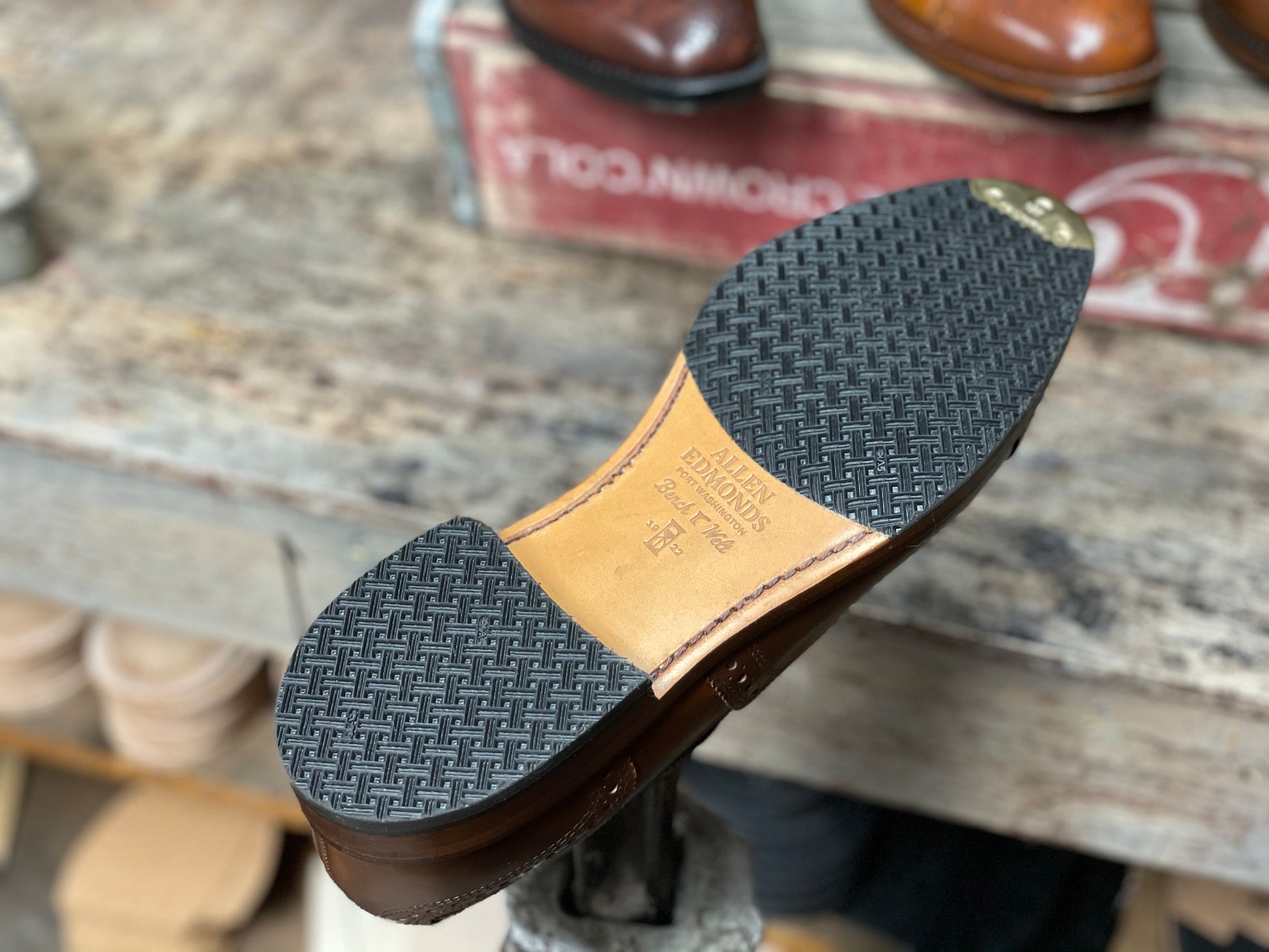
Know your sole: materials and wear patterns
Soles come in many materials. Rubber, EVA foam, leather, thermoplastic rubber (TPR), and Vibram-style compounds all wear differently. Knowing the material helps you choose the right protection.
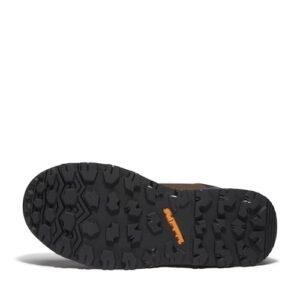
Common wear patterns tell a story. Heel wear often means heel strike. Outside edge wear shows supination. Inside edge wear shows overpronation. Check soles monthly to see early wear and act before damage gets worse.

Daily habits to protect shoe soles
Small daily actions add up. Follow these habits to protect shoe soles from early wear.
- Rotate shoes regularly to let cushioning recover and reduce repetitive wear.
- Avoid walking on rough, sharp surfaces when possible to limit abrasion.
- Clean soles after dirty or salty conditions to prevent chemical and grit damage.
- Use shoe trees or proper storage to keep soles flat and stress-free.
- Don’t wear the same pair for long runs and heavy activity if they are not designed for it.
I learned to rotate work shoes and sneakers. That change cut my sole replacements in half. Rotation is simple and powerful.

Products and treatments to protect soles
Use the right products to protect shoe soles. Choose options based on sole material and use.
- Sole protectors and adhesive rubber sheet overlays add a sacrificial layer to rubber and leather soles.
- Clear sole guards protect white or translucent soles from yellowing and scuffs.
- Sole conditioners and protectant sprays can restore flexibility for leather, but avoid overuse on rubber.
- Traction pads and non-slip stickers help reduce wear on high-friction zones.
- Waterproof sprays protect the edge of soles from salt and water damage.
When fitting sole protectors, clean the sole first. Heat a bit with a hairdryer for better adhesive bond on cool days. For expensive shoes, I use thin rubber overlays. They preserve the original sole and are easy to replace.

DIY repairs and when to see a pro
Small fixes can delay major repairs. Know what you can do at home and when to visit a cobbler.
- Use sole glue for small separations. Clean, clamp, and let cure fully.
- Apply shoe goo to small holes or worn spots as a temporary patch.
- Replace heel taps yourself for many boots and dress shoes using simple kits.
- Resole if tread is thin or midsole is exposed—this is best done by a professional.
- Visit a cobbler for structural damage, full resole work, or when original sole material is rare.
I once patched a runner’s tear with shoe glue and a patch. It worked for another season, but resole was the long-term fix. Know the limit of DIY fixes to avoid making problems worse.

Seasonal and activity-specific tips
Different conditions call for different protection. Adapt to weather and activity to protect shoe soles.
- Winter: use rubber sole protectors and avoid salt when possible; rinse soles after exposure.
- Rain: reapply waterproof spray and use sole guards to slow wear from grit.
- Hiking: add lug overlays or choose shoes with replaceable Vibram soles.
- Urban commuting: choose durable rubber soles and rotate with a lighter pair for weekends.
- Work environments: use slip-resistant add-ons if floors are oily or wet.
For rainy commutes, I switch to shoes with deeper treads and add a thin rubber protector. That combination cuts slip risk and sole wear.

Maintenance schedule and long-term care
A simple routine prevents most problems. Follow this schedule to protect shoe soles over time.
- Weekly: spot-clean soles and remove debris from grooves.
- Monthly: inspect wear patterns and clean thoroughly.
- Every 3–6 months: apply protectant or replace thin sole overlays.
- Annually: evaluate for resoling if tread is shallow or midsole shows.
Keep a small shoe care kit. Include cleaner, brush, glue, and heel taps. Regular small repairs avoid costly full resoles.

Materials-specific advice
Different sole materials need tailored care. Use these tips to protect shoe soles by material type.
- Rubber soles: add rubber overlays and avoid prolonged heat exposure to prevent warping.
- EVA foam midsoles: rotate shoes and store in cool, dry places to slow compression.
- Leather soles: use sole guards and condition the leather sparingly to keep flexibility.
- TPU and TPR: clean often and use adhesive protectors; these materials can grind down faster on rough pavement.
- Clear or translucent soles: clean often and use UV-blocking sprays to prevent yellowing.
I once had a pair of leather-soled dress shoes. A thin rubber protectant added by a cobbler extended their life by years. That was a clear value for money lesson.

Cost-effective ways to protect shoe soles
You don’t need expensive products to protect shoe soles. Try these affordable steps.
- Buy thin adhesive sole protectors online and replace them when worn.
- Use shoe rotation instead of buying multiple pairs.
- Clean soles with soapy water instead of specialty cleaners for general dirt.
- Learn simple glue and patch techniques to delay professional repairs.
- Protect high-stress areas with small rubber pads instead of full resoles.
These low-cost habits saved me hundreds of dollars over time. They work well if you act early and inspect shoes often.
How to decide when to resole
Resoling can be a smart investment. Watch for these signs that it’s time.
- Midsole or tread is worn through to another layer.
- You feel less cushioning or notice uneven posture.
- Sole is cracked, separated, or has holes.
- The shoe is structurally sound and worth the repair cost.
If the upper is in good shape, resoling often extends life by years. Ask a trusted cobbler about materials that match the original sole for best results.
Frequently Asked Questions of how to protect shoe soles
How often should I inspect my shoe soles?
Inspect soles once a month for everyday shoes and weekly for heavy-use or outdoor shoes. Early checks catch wear patterns and small damage before they worsen.
Can I add sole protectors myself?
Yes. Many adhesive sole protectors are DIY-friendly. Clean the sole, warm the adhesive slightly, and press firmly for the best bond.
Will using protectors change shoe comfort?
Thin protectors rarely change comfort. Thick overlays can alter fit and feel, so test them first for walking comfort and balance.
Are waterproof sprays effective for sole protection?
Waterproof sprays protect the edge areas and stitching but they do not stop mechanical wear. Use sprays alongside physical protectors for best results.
When is resoling better than replacing shoes?
Resoling is better when the upper is still in good condition or the shoe is high quality. Resoling often costs less than a new pair of premium shoes.
Do sole protectors work on leather soles?
Yes. Thin rubber sole protectors work well on leather soles and prevent water and abrasion damage. Have a cobbler fit them for a precise application.
Conclusion
Protecting shoe soles is mostly about habit, timely action, and the right products. Rotate shoes, clean soles often, use protectors, and repair small problems early to save money and extend comfort. Start a simple inspection routine today. Try one new tip this week and see how much longer your shoes last — then share what worked in the comments or subscribe for more shoe-care guides.

Rubel Miah is the Senior Editor at MyStyleGrid.com, where he brings a sharp editorial eye and an unshakable love for fashion to everything he does. A true style addict, Rubel lives and breathes trends, from streetwear to high fashion, and has a knack for turning inspiration into impactful stories. With years of experience in fashion journalism and digital media, he curates content that empowers readers to express themselves through style. When he’s not editing features or forecasting the next big thing, you’ll find him hunting down vintage pieces or capturing street style moments around the city.