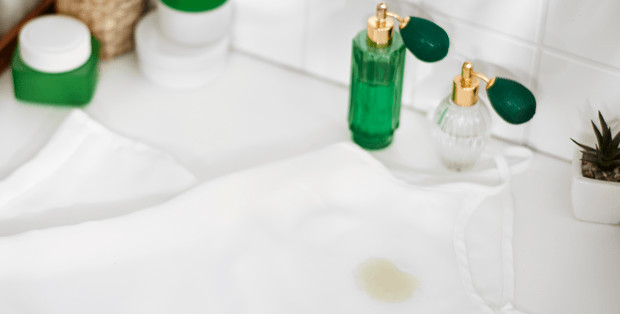
Quickly lift fresh cologne stains with gentle blotting and household cleaners.
I write about stain removal every week and have cleaned dozens of cologne spills from shirts, jackets, and upholstery. This guide on how to remove cologne stains explains safe, proven steps for fresh marks and set-in stains. You will get clear tests to run, step-by-step methods for different fabrics, and real tips I learned the hard way. Read on to fix cologne stains quickly and with confidence.

Why cologne stains happen
Cologne often contains alcohol, oils, and dyes. These ingredients can leave a visible mark on fabric and upholstery. Alcohol evaporates fast but oils and dyes can soak in. Knowing what caused the stain helps choose the right cleaning approach.
- Alcohol can weaken some fibers and change color on delicate fabrics.
- Oils from fragrance bases attract dirt and can create a darker spot.
- Dyes in the fragrance or the spray bottle can transfer color.
In my work, I saw suits ruined by quick drying alcohol and avoid harsh scrubbing. That taught me to act fast and test first.

Before you start: what to check and test
Always inspect the fabric label and test in a hidden spot. A fabric care tag tells you water temperature and safe treatments. If the label says "Dry Clean Only," stop and consider professional cleaning.
- Check colorfastness by dabbing cleaner on an inside seam.
- Blot with a white cloth to avoid dye transfer.
- Gather basic supplies: white cloths, mild detergent, dish soap, rubbing alcohol, hydrogen peroxide, and a soft brush.
I once ruined a shirt by skipping a test. Now I never skip that step. It saves time and keeps clothes safe.

How to remove cologne stains: step-by-step for fresh stains
These steps work on fresh cologne stains on washable fabrics. Move fast. The sooner you act, the better the result.
- Blot the stain
- Use a clean white cloth. Press gently. Do not rub.
- Remove excess dampness and avoid spreading the stain.
- Rinse with cold water
- Hold the stained area under cold running water.
- Flush from the back of the fabric to push the stain out.
- Apply mild soap solution
- Mix a drop of liquid dish soap with warm water.
- Dab the mixture onto the stain and gently work it in with fingers or a soft brush.
- Rinse and repeat
- Rinse thoroughly with cold water.
- Repeat blotting and soap if needed.
- Air dry and inspect
- Let the item air dry. Do not use heat until the stain is fully gone.
For many fresh cases, these steps remove cologne stains with little fuss. If the mark stays, move to targeted stain removers described next.

How to remove cologne stains: set-in and stubborn marks
Set-in cologne stains need more care. Stronger cleaners can help but test first.
- Enzyme or oxidizing cleaners
- Apply a laundry enzyme product or a 3% hydrogen peroxide solution for colored fabrics.
- Let sit no more than 10 minutes, then rinse.
- Rubbing alcohol for oily or waxy residues
– Dab with rubbing alcohol on a white cloth to lift oily parts.- Follow with dish soap and rinse to remove the alcohol and oil.
- Professional dry cleaning for delicate or valuable pieces
- Take silk, wool, or "Dry Clean Only" items to a cleaner.
- Tell the cleaner it is a cologne/oil-based stain so they can pre-treat correctly.
I used hydrogen peroxide carefully on a white shirt and removed a yellowed cologne stain. On a suit, I always advise professional care to avoid shrinkage or fiber loss.

Cleaning by fabric type
Different fabrics need different care. Below are concise rules for the most common materials.
- Cotton and polyester
- Usually safe with cold water and mild soap.
- Use regular laundry detergent for machine wash.
- Silk and wool
- Avoid water and alcohol that can damage fibers.
- Best treated by professionals or with a very gentle, spot-tested method.
- Linen
- Blot and rinse quickly. Linen can bleach if aggressive chemicals are used.
- Suede, leather, and upholstery
- Use a dry-cleaning solvent or consult a leather specialist.
- For upholstery, blot and use upholstery cleaner per label.
When I worked on upholstery stains, gentle extraction rather than heavy scrubbing saved the fabric. Always use the gentlest effective method first.

Prevention and care tips
Preventing cologne stains is the easiest fix. Small habits make a big difference.
- Spray cologne before putting on clothes.
- Apply to skin and let it dry for a minute.
- Use a staging towel when testing new fragrances.
- Store bottles upright and clean the spray top to avoid drips.
- Treat any spill immediately with the fresh-stain steps above.
I learned to spray after dressing. It cut my cologne stains by more than half. Simple routines prevent many cleanup headaches.
:max_bytes(150000):strip_icc()/how-to-remove-excessive-perfume-odors-2147116-v4-5ba5163d46e0fb00255b996c.png)
Common mistakes to avoid
Avoid actions that make stains worse. These are common errors.
- Rubbing the stain hard
- This spreads the oil and can push dye deeper into fibers.
- Using hot water early
- Heat can set some perfume dyes and oils.
- Skipping the test spot
- Harsh cleaners can remove fabric dye or finish.
- Applying too much product
- Overuse of bleach or peroxide can bleach or weaken fabric.
From experience, the worst results come from haste. Slow, controlled steps lead to success.
Frequently Asked Questions of how to remove cologne stains
How quickly should I treat a cologne stain?
Treat the stain as soon as you notice it. Fresh stains respond best to blotting, rinsing, and mild soap within minutes.
Can I use bleach to remove cologne stains?
Bleach can remove some stains but can also remove fabric dye. Use bleach only on colorfast whites and test first.
Will rubbing alcohol ruin my clothes?
Rubbing alcohol can harm delicate fibers and finishes. Test in an inconspicuous spot and use sparingly on sturdy fabrics.
Is professional dry cleaning always necessary?
Professional cleaning is best for silk, wool, leather, and expensive garments. For washable fabrics, home methods often work.
How do I remove cologne stains from upholstery?
Blot liquids, use a mild upholstery cleaner, and avoid soaking. For stubborn marks, call a professional cleaner.
Can perfume oils leave a long-term smell after cleaning?
Yes, oils can trap scent. Use enzyme cleaners and thorough rinsing to remove both stain and odor.
Conclusion
Removing cologne stains is simple when you know the steps. Act fast, test first, and choose the right method for your fabric. Try the fresh-stain routine for quick fixes, and use targeted treatments for set-in marks. Take care with delicate materials and call a pro when needed. Now, check your closets, try these tips, and share your results or questions below — I’d love to hear what worked for you.

Rubel Miah is the Senior Editor at MyStyleGrid.com, where he brings a sharp editorial eye and an unshakable love for fashion to everything he does. A true style addict, Rubel lives and breathes trends, from streetwear to high fashion, and has a knack for turning inspiration into impactful stories. With years of experience in fashion journalism and digital media, he curates content that empowers readers to express themselves through style. When he’s not editing features or forecasting the next big thing, you’ll find him hunting down vintage pieces or capturing street style moments around the city.