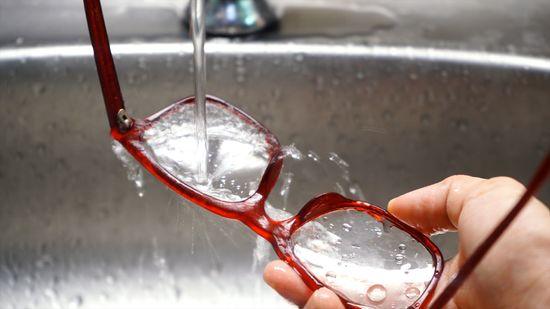
Rinse with fresh water, gently wash with mild soap, then dry with a microfiber cloth.
I’ve cleaned hundreds of pairs after beach days and boat trips. I know how salt water stains from sunglasses form, what harms lenses, and which fixes work. Read on for safe, tested steps to remove salt water stains from sunglasses without scratching lenses or stripping coatings.

Why salt water stains form and what they do
Salt water stains from sunglasses happen when salty spray or seawater dries on lenses and frames. The water evaporates and leaves behind salt crystals and minerals. Those crystals can look cloudy and feel gritty. Over time, salt can etch lens coatings and dull metal or plated frames.
Salt water stains often sit on the edge where frames meet lenses. Coated and mirrored lenses are most at risk. The salt itself is not acidic, but trapped moisture plus salt can speed corrosion on metal parts. Knowing this helps you act fast to avoid permanent damage.
Will salt permanently etch my lenses?
If you leave salt water stains from sunglasses for weeks, tiny pits can form. Short exposures usually clean off without permanent etching.
Do all lens types react the same?
No. Glass is more scratch-resistant but can still have coating damage. Plastic and polycarbonate lenses are softer and more prone to coating wear.
Can rinsing immediately prevent damage?
Yes. A quick fresh-water rinse removes most salt and prevents crystals from forming.
Tools and materials you need
Gather these safe, easy items before you start to remove salt water stains from sunglasses.
- Fresh distilled water or tap water for rinsing
- Mild dish soap (clear, fragrance-free)
- Microfiber cloths, clean and soft
- Soft-bristle toothbrush or clean cotton swabs
- Lens cleaner designed for coated lenses (optional)
- White vinegar (diluted) for stubborn mineral spots — use cautiously
- Small container or bowl for soaking
- Clean towel or paper towel for drying frames
I always keep a small kit in my car after beach trips. It saves sunglasses and prevents panic when salt builds up.

Step-by-step: safe cleaning methods to remove salt water stains from sunglasses
Here are methods that work for most lenses. Start with the gentlest approach. Test any new cleaner on the frame edge first.
Method 1 — Quick rinse and dry
- Hold sunglasses under lukewarm running water.
- Let the water flush salt from crevices and hinges.
- Gently shake off excess water.
- Dry with a microfiber cloth.
Method 2 — Mild soap method (best for most coatings)
- Mix a drop of mild dish soap in a bowl of water.
- Dip the microfiber cloth or soft brush into the soapy water.
- Gently wipe lenses and frames in circular motions for 20–30 seconds.
- Rinse with fresh water.
- Pat dry with a clean microfiber cloth.
Method 3 — For stubborn mineral deposits (use sparingly)
- Mix one part white vinegar with two parts distilled water.
- Apply to a cotton swab or cloth. Test a small area first.
- Gently rub only the stained spots.
- Rinse thoroughly with water.
- Dry with microfiber cloth.
What to avoid
- Avoid using paper towels or clothing. They scratch lenses.
- Avoid baking soda pastes on coated lenses. They are abrasive.
- Avoid undiluted alcohol on anti-reflective coatings. It can strip coatings.
I once used the mild soap method after a long boat day. It removed a stubborn salt ring with zero scratching. That quick rinse-and-wash saved a favorite pair.

Cleaning frames, nose pads, and hinges
Salt water stains from sunglasses often hide around nose pads and hinges. Clean these areas gently.
- Soak frames (not lenses with delicate coatings) in soapy water for 5 minutes.
- Use a soft-bristle brush to clean nose pads and hinge areas.
- Rinse salt residue carefully.
- Tighten loose screws with a tiny screwdriver if needed.
- For metal frames, dry thoroughly to prevent corrosion.
If nose pads are cloudy, removing and soaking them can help. Replace worn pads to keep glasses comfortable and clean.

Special considerations for coatings and mirrored lenses
Anti-reflective and mirrored coatings are fragile. Follow these tips to remove salt water stains from sunglasses without damage.
- Use only mild soap or a cleaner labeled safe for AR coatings.
- Avoid scrubbing; use light pressure and circular motions.
- Rinse well to remove soap residue that can streak.
- If a coating shows permanent clouding, consult a pro or manufacturer for repair or replacement.
When in doubt, treat the lens as delicate. Overly aggressive DIY fixes are the most common cause of permanent coating damage.

When to seek professional help
Some problems need a pro. Seek help if:
- Scratches are deep and affect vision.
- Coatings are flaking or permanently cloudy.
- Metal frames show heavy corrosion near lenses.
- You’re unsure about warranty coverage for lens replacement.
An optical lab can refinish or replace lenses. Manufacturers can also advise on cleaning and warranty-safe methods.

Prevention and maintenance to avoid future salt stains
The best way to remove salt water stains from sunglasses is to prevent them. Try these simple habits.
- Rinse sunglasses with fresh water after every ocean visit.
- Keep a microfiber cloth and small spray bottle of distilled water handy.
- Store sunglasses in a hard case when not in use.
- Avoid leaving sunglasses on dash or beach towels in direct sun for long.
- Consider polarized or mirrored lenses that resist spotting, but still rinse them.
I learned this the hard way. After one season of neglect, a pair had permanent pitting near the hinges. Now I rinse after every salty outing.

Frequently Asked Questions of how to remove salt water stains from sunglasses
How quickly should I rinse sunglasses after exposure to salt water?
Rinse right away or as soon as you can. Quick rinses prevent salt crystals from forming and reduce the risk of damage.
Is vinegar safe for all sunglasses?
Vinegar can remove mineral spots but may harm some coatings. Always dilute vinegar and test on a small area first.
Can I use toothpaste to remove salt water stains?
No. Toothpaste is abrasive and can scratch lenses and ruin coatings. Use mild soap and a microfiber cloth instead.
Will salt water ruin polarized lenses?
Salt water itself doesn't ruin polarization. Damage occurs from scratching or coating wear, so clean gently to protect polarization.
How do I dry sunglasses without scratching lenses?
Pat dry with a clean microfiber cloth. Avoid rubbing with towels, shirts, or paper products, which can scratch.
Conclusion
Salt water stains from sunglasses are common and usually fixable. Rinse quickly, use mild soap, and dry with a microfiber cloth to protect lenses and coatings. For stubborn deposits, try a diluted vinegar rinse carefully, and avoid abrasive cleaners. If damage is deep or coatings fail, consult a professional.
Take action next time you hit the beach: keep a small cleaning kit in your bag, rinse after salt exposure, and store glasses properly. If this guide helped, subscribe for more practical eyewear tips or leave a comment with your toughest cleaning challenge.

Rubel Miah is the Senior Editor at MyStyleGrid.com, where he brings a sharp editorial eye and an unshakable love for fashion to everything he does. A true style addict, Rubel lives and breathes trends, from streetwear to high fashion, and has a knack for turning inspiration into impactful stories. With years of experience in fashion journalism and digital media, he curates content that empowers readers to express themselves through style. When he’s not editing features or forecasting the next big thing, you’ll find him hunting down vintage pieces or capturing street style moments around the city.