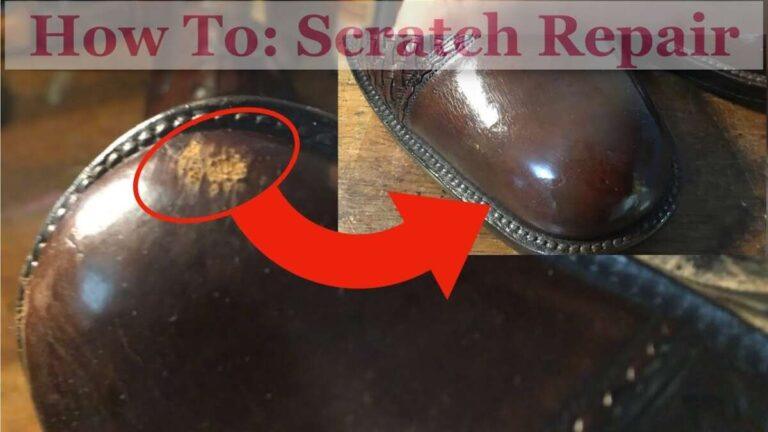
Use gentle cleaners, filler, and matching polish to restore scuffed toes on shoes.
I have spent years fixing shoes for friends, clients, and my own wardrobe. I know how to repair scuffed toes on shoes for leather, suede, canvas, and synthetics. This guide explains step-by-step methods, tools, and pro tips. Read on to save shoes and money with fast, reliable fixes.
Why toes on shoes get scuffed and what it means
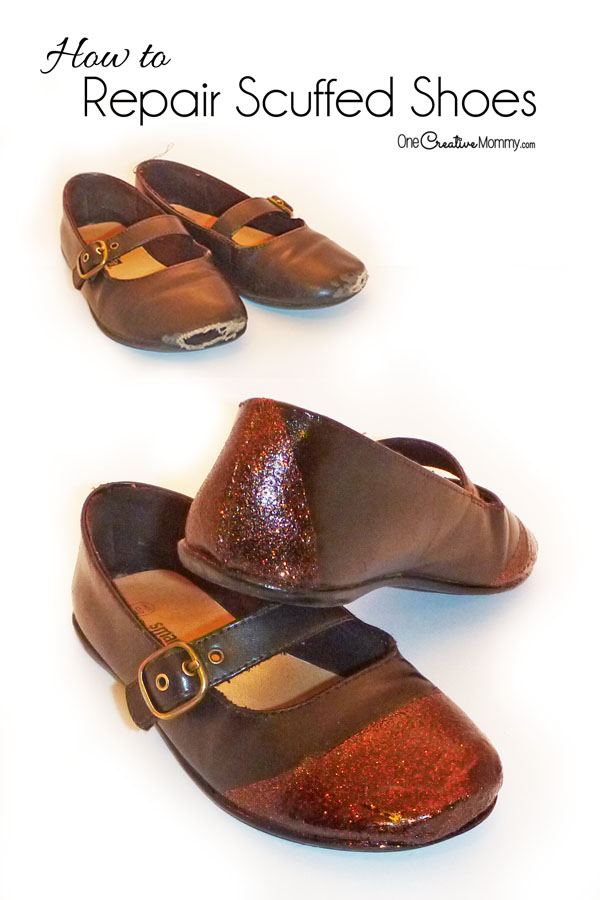
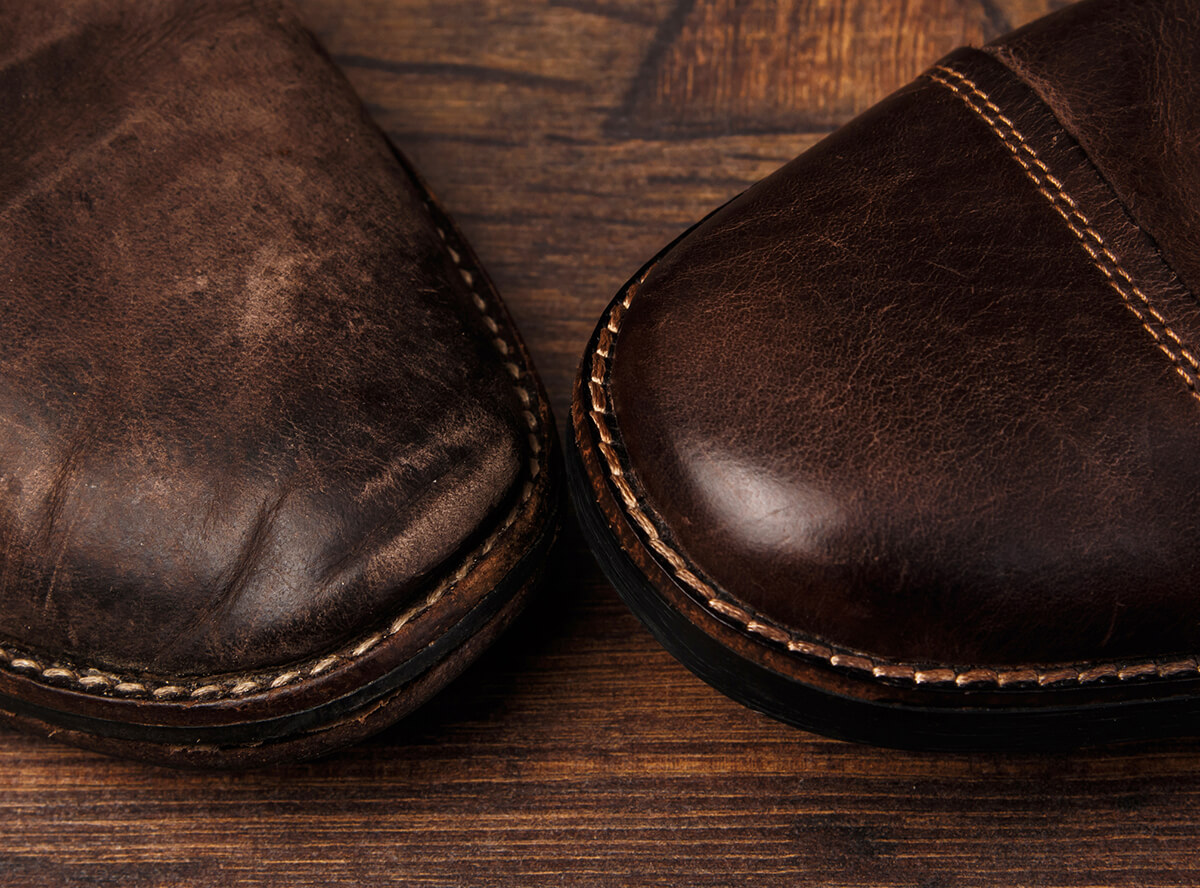
Scuffs happen when the toe area rubs against rough surfaces. Shoes hit curbs, doorways, or machinery. Material, finish, and wear rate change the damage. Leather will lose finish. Suede will mat or change nap. Synthetic or rubber scuffs can scrape color or leave marks. Knowing the cause helps you choose the right fix for how to repair scuffed toes on shoes.

Materials and tools you need
Choose gentle tools first. Use small amounts. Test in an unseen area.
- Soft cloths: microfiber or cotton for cleaning and buffing.
- Soft-bristled brush: for suede or textured finishes.
- Mild cleaner: saddle soap or leather cleaner for leather.
- Suede eraser or crepe brush: for suede scuffs.
- Shoe polish or cream: match the shoe color.
- Leather filler or shoe repair compound: for deep gouges.
- Fine-grit sandpaper (800–2000 grit): for smoothing filled leather.
- Cotton swabs and toothpicks: for precise application.
- Clear protectant or conditioner: to finish and protect the area.
These tools will cover most needs when you learn how to repair scuffed toes on shoes.

Step-by-step: how to repair scuffed toes on leather shoes
Leather is common. It takes polish well and can often look new.
- Clean the area
- Wipe away dust with a dry cloth. Use leather cleaner for dirt. Let leather dry fully.
- Assess damage
- Light scuffs need polish. Deep scuffs may need filler.
- Use leather conditioner
- Apply conditioner to soften the leather. This can reduce the look of light scuffs.
- Fill deep scuffs
- Use a small amount of leather filler. Apply with a toothpick. Build in thin layers. Let each layer dry.
- Sand lightly
- Smooth the filler with very fine sandpaper. Wipe clean.
- Color and finish
- Apply a matching cream polish. Work in small circles with a cloth. Let dry, then buff.
- Seal and protect
- Use a clear shoe cream or wax for shine and protection.
I once fixed a pair of dress shoes that had deep toe scuffs from a fall. Filler and careful polishing made them wearable again. This is a practical example of how to repair scuffed toes on shoes well.
Step-by-step: how to repair scuffed toes on suede shoes
Suede needs a different touch. Avoid creams and polish.
- Brush the nap
- Use a soft suede brush to lift fibers. Brush in one direction.
- Use a suede eraser
- Rub the scuff gently with the eraser until the mark lightens.
- Apply steam for stubborn marks
- Hold the shoe over steam briefly and then brush. The nap will lift.
- Use color restorer if needed
- For color loss, use a suede-specific dye. Test in a hidden spot.
- Protect with spray
- Finish with a suede protector to prevent future scuffs.
Suede repairs are subtle. Take time. This approach shows clear steps to repair and preserve how to repair scuffed toes on shoes made of suede.

Step-by-step: how to repair scuffed toes on synthetic and rubber shoes
Synthetics and rubber rarely need filler. They often clean or recolor well.
- Clean the surface
- Use mild soap and water. Wipe with a damp cloth.
- Remove scuff marks
- Use a magic eraser gently for surface marks.
- Recolor if needed
- Use acrylic paint or a marker designed for shoes. Match color carefully.
- Seal the repair
- Use a clear flex seal or flexible shoe glue for chips or peeled layers.
These shoes react differently. Be gentle. This method helps you learn how to repair scuffed toes on shoes made of synthetic materials.
Step-by-step: how to repair scuffed toes on canvas shoes
Canvas is simple to work with. You can often hide scuffs with paint.
- Clean the patch
- Use laundry soap and a soft brush. Rinse and dry.
- Light scuffs
- Use a pencil eraser or cloth with rubbing alcohol for marks.
- Paint for color loss
- Use fabric paint or permanent marker for a color match.
- Protect the repair
- Use a fabric protector spray to seal the paint.
Canvas is forgiving. These steps show straightforward ways to repair scuffs and keep sneakers looking fresh.

Common mistakes to avoid
Avoid quick fixes that cause more harm. These tips save time and money.
- Rubbing harshly: This can remove more finish or fibers.
- Using strong solvents: They can strip dyes and finishes.
- Skipping color matching: Wrong colors will draw attention to the repair.
- Applying thick filler: It can crack or peel if not thinly layered.
- Not testing first: Always test cleaners or dyes in hidden spots.
These mistakes show what to avoid when you learn how to repair scuffed toes on shoes.

Preventive care to reduce future scuffs
Prevention is cheap and effective. Small steps extend shoe life.
- Apply protectant spray: For suede, canvas, and synthetics.
- Use toe guards: Adhesive pads reduce wear at the toe.
- Rotate shoes: Wear different shoes to avoid constant stress.
- Keep nails trimmed: Sharp edges on laces or steps can scratch.
- Store properly: Use shoe trees for leather to keep shape.
Practicing these steps lowers the need to repair scuffs and helps you maintain how to repair scuffed toes on shoes less often.
When to seek professional repair
Some damage needs a pro. Know the signs.
- Deep structural damage: The toe box is broken or the sole is coming away.
- Expensive or vintage shoes: Professional work preserves value.
- Complex color matching: Pros can blend dyes expertly.
- Repeated failures: If DIY fixes fail, a cobbler can offer durable solutions.
A cobbler has tools and materials you likely do not. Professional repair can save a favorite pair when standard how to repair scuffed toes on shoes methods are not enough.
My hands-on tips and lessons learned
I have repaired dozens of pairs. Here are short, real tips from experience.
- Start small: Test cleaners in hidden spots first.
- Less is more: Thin layers of filler or polish look better.
- Match light: View color under the same light you wear the shoes in.
- Patience pays: Let each layer dry fully before continuing.
- Keep a repair kit: Small items saved many shoes for me.
These are practical, proven tips to improve how to repair scuffed toes on shoes in real life.
Frequently Asked Questions of how to repair scuffed toes on shoes
How long does it take to repair scuffed toes on shoes?
Light repairs take 10–30 minutes. Deep repairs with filler and drying can take 24–48 hours.
Can I use household items to fix scuffed toes on shoes?
Yes. Mild soap, vinegar, and a magic eraser work for light marks. For deep damage, use proper fillers and dyes.
Will shoe polish hide deep scuffs on the toe?
Polish hides surface scuffs well. It cannot fill deep gouges. For deep damage use filler first, then polish.
Is it safe to use a hairdryer or heat on repairs?
Use gentle heat only when needed to speed drying. High heat can warp or harm leather and adhesives.
How often should I condition shoes to prevent scuffs?
Condition leather every 1–3 months, based on wear. Regular care reduces the chance you must repair scuffed toes on shoes.
Can I fix scuffed toes on shoes at home without experience?
Yes. Start with cleaning and light polish. Follow simple steps and test first. Complex fixes may still need a pro.
Conclusion
You now have clear steps for how to repair scuffed toes on shoes across leather, suede, canvas, and synthetics. Start with cleaning, choose the right materials, and work in small steps. With practice you will save shoes and money. Try these tips on a pair you love this week and see the difference. Leave a comment below with the shoe type you want to fix or subscribe for more shoe care guides.

Rubel Miah is the Senior Editor at MyStyleGrid.com, where he brings a sharp editorial eye and an unshakable love for fashion to everything he does. A true style addict, Rubel lives and breathes trends, from streetwear to high fashion, and has a knack for turning inspiration into impactful stories. With years of experience in fashion journalism and digital media, he curates content that empowers readers to express themselves through style. When he’s not editing features or forecasting the next big thing, you’ll find him hunting down vintage pieces or capturing street style moments around the city.