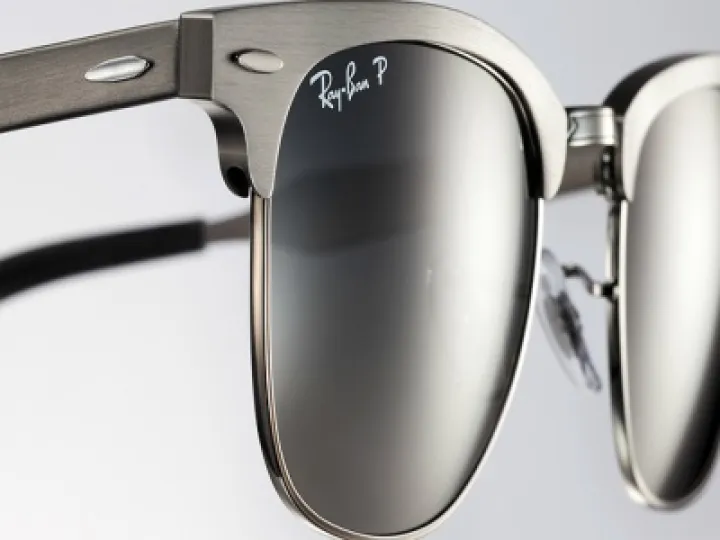
Replace lenses by buying exact-fit replacements or visiting an optician; DIY if frames allow.
I’ve spent years fixing eyewear and testing DIY repairs, so I know what works and what fails when you want to learn how to replace broken sunglasses lenses. This guide walks you through assessing damage, sourcing matching lenses, step-by-step DIY replacement, when to see a pro, costs, and common mistakes—so you can decide the fastest, safest path for your sunglasses.

Tools and materials you’ll need
Before you start, gather the right tools. Small tools make the job clean and safe. Below are common items that I use when replacing lenses.
- Microfiber cloth for cleaning lenses and frames.
- Lens-specific suction tool or lens pliers for fragile removal.
- Small Phillips and flathead screwdrivers or eyeglass repair kit.
- New replacement lenses that match shape, size, and coating.
- Rubbing alcohol or lens cleaner and cotton swabs.
- Soft towel or tray to keep small screws safe.
If you plan a DIY, buy lenses that match your frame brand or exact dimensions. Measure the old lens if you still have part of it. Knowing how to replace broken sunglasses lenses starts with proper tools and the right replacement lenses.

How to assess the damage
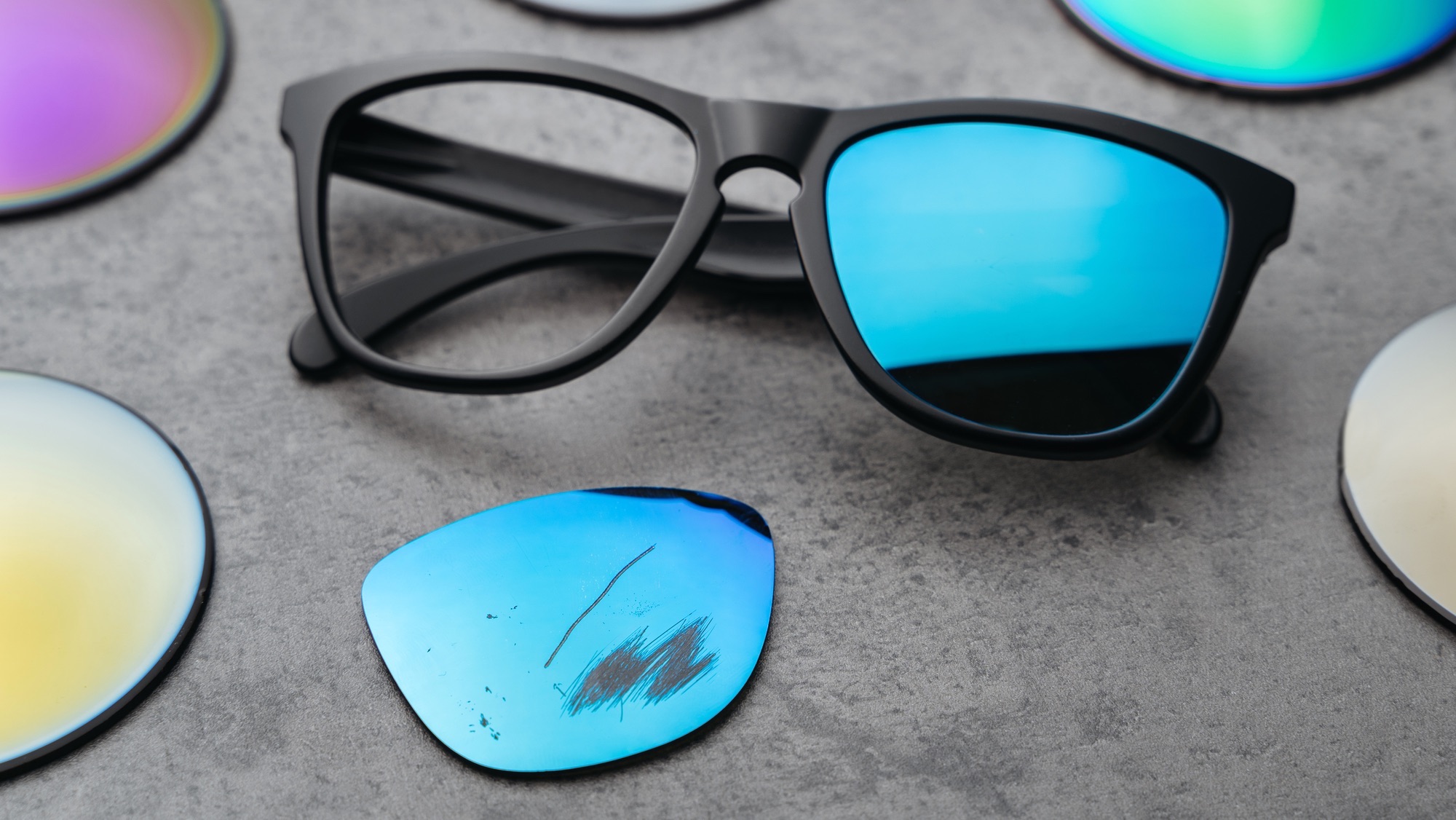
Start by deciding if the lens needs replacement or if repair is possible. A deep crack, shattered lens, or missing lens needs replacement. Minor scratches might be reduced with polishing, but results vary.
Check the frame too. Warped or cracked frames can mean replacement lenses won’t fit well. Test the hinge and nose pad areas. If the frame is bent, consider a professional repair. Properly assessing damage helps you avoid wasted effort when learning how to replace broken sunglasses lenses.
Can I replace lenses myself if my sunglasses are polarized?
Yes. Polarized lenses can be replaced as long as you get polarized replacements that match the frame shape. Make sure the replacement supplier confirms polarization and tint match.
Are OEM lenses necessary?
OEM lenses match brand specs and often fit best. Aftermarket lenses can be fine and cheaper if you verify size and curvature.
Finding the right replacement lenses
Match lens shape, curvature, and mounting style. These three are key for fit. Ask the seller for frame model compatibility if possible.
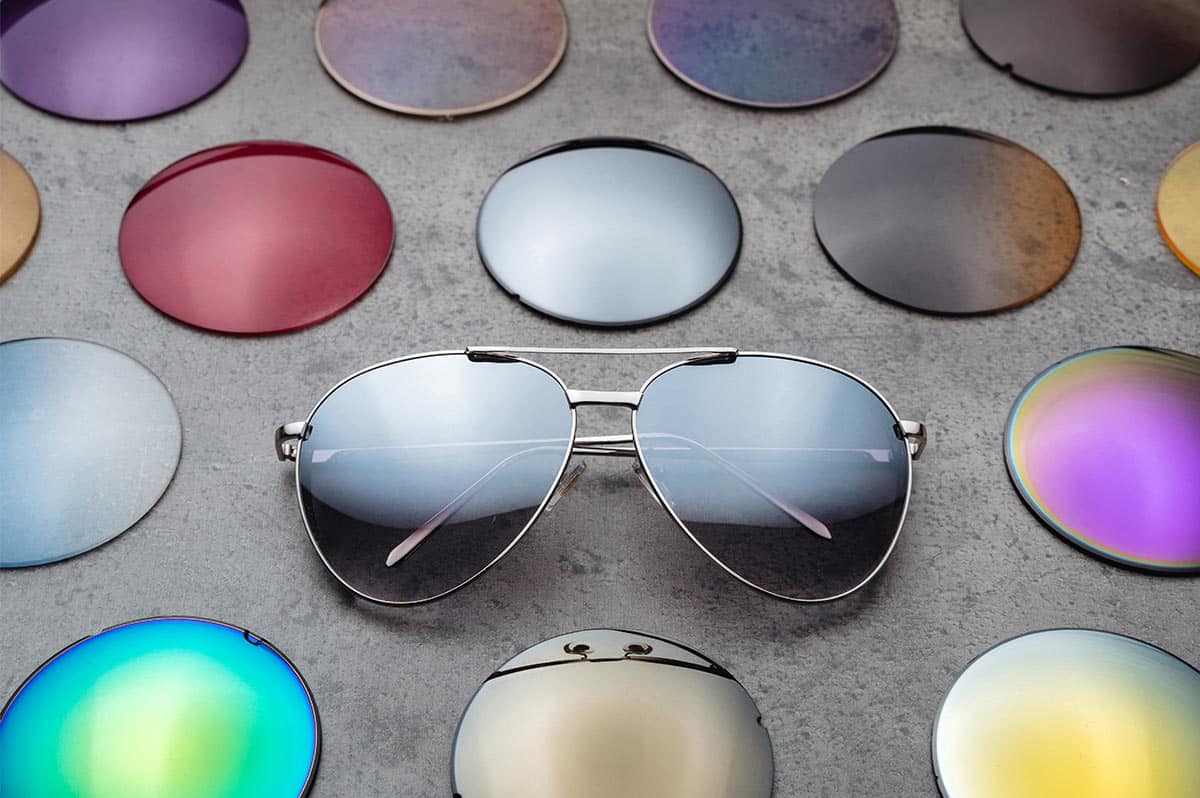
Consider material and coatings. Polycarbonate is impact-resistant. Glass is scratch-resistant but heavier. Coatings include anti-scratch, anti-reflective, and mirror finishes. If your sunglasses were polarized, order polarized replacements. Confirm UV protection levels. Proper selection makes replacing lenses durable and safe.

Step-by-step DIY replacement process
Follow these steps slowly. Work on a flat, clean surface. Keep screws and small parts in a tray.
- Prepare the workspace and clean hands.
- Remove any screws on the frame using the correct driver.
- If frames are rimless or semi-rimless, gently flex the frame at the hinge area to release the lens.
- Use a suction tool or lens pliers to lift the old lens free. For glued or heat-fit lenses, warm the frame slightly with your hands or a hairdryer on low to soften adhesives.
- Clean the frame groove and check for damage. Remove dirt and old glue.
- Test-place the new lens into the frame without tightening screws. Confirm alignment and correct side (some polarized lenses have a mark).
- Secure the lens. Tighten screws evenly if applicable. Avoid over-tightening.
- Clean lenses and inspect for gaps or misalignment.
- Adjust nose pads and hinges for comfort.
Practice patience. The first replacement may take longer. Mistakes like forcing a lens can crack a new lens or warp the frame. Doing this builds confidence when you learn how to replace broken sunglasses lenses.
When to seek professional help
Choose a pro if frames are warped, lenses are glued permanently, or you lack exact lens specs. An optician can press in lenses precisely and test optical alignment. Many opticians and optical shops offer lens replacement services that include warranty on fit.
Professional repair is also safer for high-value sunglasses. If your sunglasses cost several hundred dollars, paying for expert service often preserves value and function. Knowing when to stop DIY is part of mastering how to replace broken sunglasses lenses.
Lens types, compatibility, and what to watch for
Know common lens types and how they affect fit and performance.
- Polycarbonate: Lightweight and impact resistant.
- Trivex: Similar to polycarbonate, good optics.
- Glass: Best optics, heavier and breakable.
- Polarized: Cuts glare; must match orientation.
- Photochromic: Darken in sun; need correct base curve.
Check compatibility by measuring lens width, height, and radius of curvature. Frame mount style (rimless, full rim, clip-in) dictates how lenses sit. Using incorrect curvature or thickness can leave gaps or stress points. These checks reduce returns and rework when you replace lenses.
Cost and time considerations
Expect a range of costs. Aftermarket lenses can start at low prices. OEM or specialty lenses cost more. Labor from an optician adds fees. Typical time for a DIY order is shipping plus 15–60 minutes for install. Professional services may take a few days.
Factor in shipping, rush fees, and return windows. If you need prescription or custom-tinted lenses, plan for longer lead times. Knowing the cost and time helps you decide whether to DIY or pay a pro when learning how to replace broken sunglasses lenses.
Maintenance tips to extend lens life
Treat lenses gently to prevent repeat repairs. Small habits add up.
- Store sunglasses in a hard case when not worn.
- Clean with a microfiber cloth and lens-safe spray.
- Avoid placing sunglasses lens-down on rough surfaces.
- Tighten loose screws early to prevent lens stress.
- Keep spare screws and small parts from repair kits handy.
Good care prevents frequent replacements and helps you keep your sunglasses functional longer. These tips are what I use daily to avoid having to replace lenses again.
Common mistakes and troubleshooting
Watch for these pitfalls. They are the usual reasons DIY replacements fail.
- Forcing a lens into place and cracking it.
- Using wrong screwdrivers and stripping screws.
- Buying lenses with incorrect curvature or size.
- Overheating a frame with high heat and melting it.
- Forgetting to check polarization orientation.
If a lens sits crooked, loosen screws and realign. If a frame is warped, a pro can often reshape it. Troubleshoot calmly and avoid quick fixes that make damage worse. Learning from mistakes is part of how to replace broken sunglasses lenses well.
My experience and lessons learned
I once tried replacing lenses on a vintage frame without measuring curvature. The lens fit poorly and stressed the frame. I returned the lens and ordered OEM replacements the next time. That taught me to measure, ask for model compatibility, and test-fit before final tightening.
Another lesson: small screws matter. Losing one can ruin a finish job. Keep a tray and work slowly. These simple steps save time and money when you replace lenses.
Frequently Asked Questions of how to replace broken sunglasses lenses
What tools do I absolutely need?
A small eyeglass screwdriver set, microfiber cloth, and the correct replacement lenses are essential. Optional tools include suction cups, lens pliers, and a soft tray.
Can I replace polarized lenses with non-polarized ones?
Yes, but you will lose glare reduction and might notice visual changes. Match polarization if glare control matters.
How do I measure lens size for replacements?
Measure the lens width and height, and note the base curve if possible. You can also use the frame model number to find exact specs.
Will replacing lenses affect my sunglasses’ UV protection?
Only if the replacement lenses lack UV coating. Buy lenses rated for 100% UV protection to maintain safety.
Is it cheaper to replace lenses or buy new sunglasses?
It depends on cost of lenses and value of frames. For high-end frames, replacing lenses often saves money. For low-cost sunglasses, buying new may be cheaper.
How long does a DIY lens replacement take?
Plan 15–60 minutes for installation once you have the correct lenses. Shipping and ordering add time.
What if my replacement lens is slightly loose?
Check for missing or worn screws and pads. Use a thin shim or return to the seller if the size is wrong.
Conclusion
You can replace broken sunglasses lenses with confidence if you assess damage, get precise replacements, and follow careful steps. Start by gathering tools, measuring accurately, and deciding whether DIY or professional help is best. Small investments in time and the right parts often save money and extend the life of your sunglasses.
Try one simple replacement on an inexpensive pair first to build skill. If you found this guide helpful, try the steps, share your experience in the comments, or subscribe for more hands-on eyewear tips.

Rubel Miah is the Senior Editor at MyStyleGrid.com, where he brings a sharp editorial eye and an unshakable love for fashion to everything he does. A true style addict, Rubel lives and breathes trends, from streetwear to high fashion, and has a knack for turning inspiration into impactful stories. With years of experience in fashion journalism and digital media, he curates content that empowers readers to express themselves through style. When he’s not editing features or forecasting the next big thing, you’ll find him hunting down vintage pieces or capturing street style moments around the city.