Use natural oils and gentle cleaning to revive faded leather boots safely.
I’ve spent years restoring leather in shops and at home, so I know what works and what doesn’t. This guide shows step-by-step, safe, and natural methods for how to restore faded leather boots naturally. You’ll get clear supplies lists, easy instructions, troubleshooting tips, and real-life advice so you can bring your boots back to life without harsh chemicals. Read on for practical, tested methods you can use today.
Why leather fades and what it means for your boots
Leather fades when dyes break down or when surface oils and finishes wear away. Sun, water, salt, and repeated abrasion all strip pigment and protective coatings. When leather looks dull, it often still has good structure. Fading affects color, not always strength, but it can make the boots more vulnerable to cracking and stains.
Knowing why your boots faded helps you pick the right natural repair steps. Restoring color and replacing oils will often reverse visual damage and help protect leather for years. In short, by balancing cleaning, nourishing, and gentle dyeing, you can restore both look and function.

Safe supplies and natural ingredients to use
Use simple, gentle items. You likely already have most of them.
- Soft cloths: microfiber or cotton rags for cleaning and buffing.
- Soft brush: horsehair or a soft toothbrush to remove dirt.
- Mild soap: saddle soap or a few drops of castile soap diluted in water.
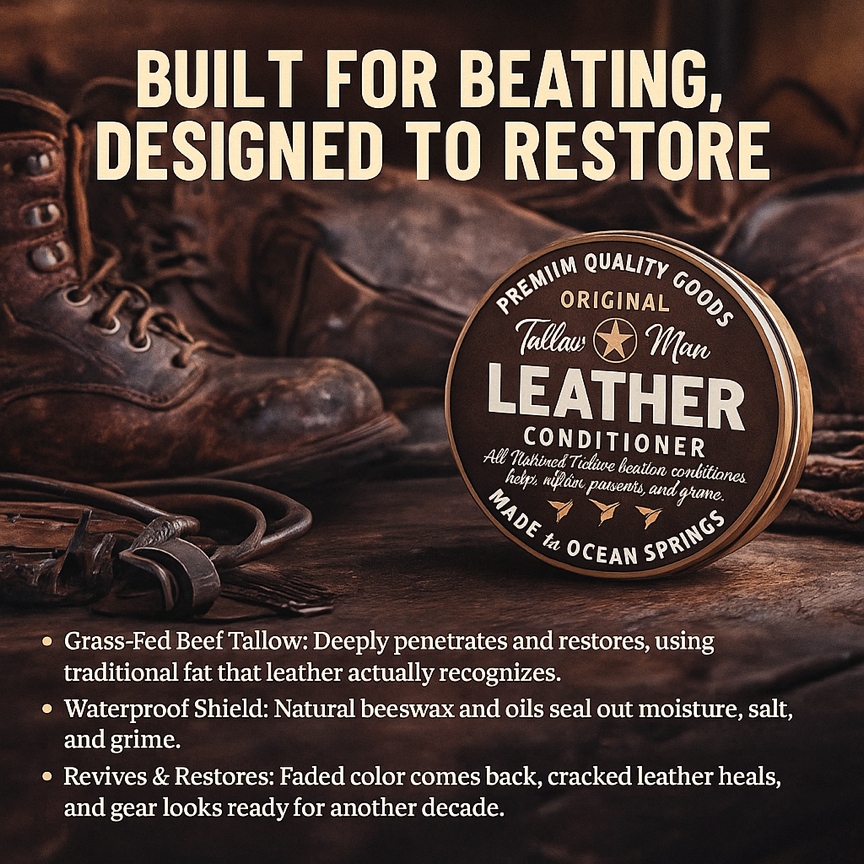
- Natural oils: neatsfoot oil, mink oil, or coconut oil for deep conditioning.
- Leather-safe beeswax or natural balm for protection.
- Vinegar: diluted white vinegar for stubborn salt stains.
- Cocoa or coffee paste: a natural color booster for brown boots.
- Natural leather tint: plant-based leather dye if you need more color.
- Applicator: soft sponge or cloth for even application.
I prefer small jars and cloths for control. Test any oil or dye on an inside seam first to check color and reaction.
Step-by-step: how to restore faded leather boots naturally
Follow these steps in order. Work slowly and test as you go.
- Clean
- Remove laces and brush loose dirt.
- Mix a little castile soap with warm water. Wring cloth until damp.
- Wipe the leather gently. Do not soak.
- For salt stains, dab a 1:1 vinegar and water mix, then wipe and dry.
- Dry
- Let boots air dry at room temperature. Avoid heaters or direct sun.
- Stuff with paper to keep shape.
- Condition
- Warm a small amount of natural oil between your palms.
- Apply thin coats in small circles.
- Let oil absorb for 15–30 minutes, then buff off excess.
- Restore color (only if needed)
- For light fading, use cocoa powder or coffee mixed with oil to create a paste for brown boots.
- For deeper color loss, use a plant-based leather tint applied in thin layers.
- Allow full drying between coats and buff lightly.
- Protect
- Finish with a beeswax-based balm to seal in oils and add water resistance.
- Re-lace and polish lightly.
Repeat conditioning every 3–6 months depending on use. These steps explain how to restore faded leather boots naturally without harsh solvents.

Conditioning, sealing, and protection options
Conditioning replaces oils lost to aging and environmental wear. Oils soften fibers and reduce cracking. Use light coats so leather can breathe.
- Light oils like neatsfoot penetrate well.
- Mink oil gives water resistance but can darken leather.
- Beeswax balms create a surface seal. Apply thinly and buff to shine.
Avoid silicone or petroleum-based products that trap moisture and break down leather over time. Regular conditioning helps maintain color and prevents next-round fading. This section highlights safe choices when learning how to restore faded leather boots naturally.

Maintenance routine to prevent future fading
A short routine keeps boots looking good and extends life.
- Clean after muddy or salty use.
- Condition monthly if you wear boots often.
- Store away from sunlight and heat.
- Use shoe trees or stuff with paper to keep shape.
Small habits prevent big problems. Preventing fade is easier than fixing it. Adopt these simple steps if you want long-lasting results after you restore faded leather boots naturally.

Troubleshooting common problems
Here are fixes for issues you might meet.
- Leather darkened after oiling
- Wipe excess oil and let the leather dry. Oils often darken temporarily.
- Sticky or tacky finish after balm
- Buff more or use a dry cloth. A light coat works best.
- Uneven color after tinting
- Lightly sand with a superfine pad and reapply thinner coats.
- Mold or mildew
- Clean with a vinegar solution, dry fully, and condition.
If a repair feels risky, consult a pro. Knowing how to restore faded leather boots naturally includes knowing limits.

Personal experience, mistakes to avoid, and tips I use
I once tried a strong solvent on a vintage pair. The dye bled and the leather stiffened. That taught me to always test and to choose mild, natural methods first.
What I recommend from real work:
- Test on hidden areas first.
- Use small amounts of oil. Less is more.
- Build color slowly. Several thin layers beat one thick layer.
- Keep a restoration kit: cloths, small oil, balm, and a soft brush.
These habits save time and protect value. When you follow cautious steps, you’ll find how to restore faded leather boots naturally without costly mistakes.
Quick questions (PAA-style)
Can I use coconut oil to restore faded leather boots naturally?
Yes. Coconut oil conditions leather and adds shine, but use it sparingly to avoid darkening and sticky residue.
Will vinegar damage leather when cleaning?
Diluted white vinegar is safe for salt stains when used briefly and wiped away. Always test first on an inner seam.
How long should I wait between oil coats?
Wait 24 hours for full absorption and drying when possible. For light maintenance, 15–30 minutes may suffice.
Can natural dyes fully match original color?
Natural dyes may not exactly match factory colors. They improve tone and depth but may require multiple light coats.
Is it safe to restore antique boots at home?
You can do basic cleaning and conditioning at home. For valuable antiques, consult a leather conservator to avoid reducing value.
Frequently Asked Questions of how to restore faded leather boots naturally
What is the safest natural cleaner for leather?
A mild castile soap diluted in warm water is the safest. Use a damp cloth and avoid soaking the leather.
How often should I condition my boots?
Condition every 3 months for light use, or monthly for heavy use. Condition more if leather feels dry.
Can beeswax restore color on faded boots?
Beeswax mainly protects and adds sheen. It can slightly deepen color but will not replace pigment fully.
Will natural oils make my boots water-resistant?
Oils add some water resistance but are not a full waterproofing. Use a beeswax balm for better surface protection.
Can I repair deep scratches naturally?
Deep scratches may need professional dyeing or patching. For light scratches, conditioning and gentle buffing help hide them.
Is it okay to use coffee or cocoa for color?
Coffee or cocoa works well on brown leather as a temporary, natural color boost. Test first and use thin layers.
Conclusion
Restoring leather is about gentle care, the right natural products, and patience. Clean, condition, and protect in that order to bring faded leather boots back to life. Start small, test everything, and build color slowly. Try the steps here on a single pair and you’ll gain confidence fast. Share your results, ask questions below, or subscribe for more hands-on leather care tips.

Rubel Miah is the Senior Editor at MyStyleGrid.com, where he brings a sharp editorial eye and an unshakable love for fashion to everything he does. A true style addict, Rubel lives and breathes trends, from streetwear to high fashion, and has a knack for turning inspiration into impactful stories. With years of experience in fashion journalism and digital media, he curates content that empowers readers to express themselves through style. When he’s not editing features or forecasting the next big thing, you’ll find him hunting down vintage pieces or capturing street style moments around the city.