Measure your toddler’s foot, add about 1/2 inch (12–15 mm) for growth, and pick a flexible, roomy shoe.
I have years of hands-on experience fitting kids’ shoes and helping parents solve fit problems. This guide explains exactly how to size toddler shoes, step by step. You will learn simple measuring methods, how to read size charts, signs a shoe is too small, and real-life tips that save you time and money. Read on to make sure your toddler has shoes that fit well, support healthy foot growth, and keep them comfortable while they explore.
Why correct sizing matters
Correct fit affects how a child walks and plays. Missized shoes can cause blisters, pain, or changes in gait. Good fit helps bones and muscles develop normally and prevents long-term habits like toe gripping. Knowing how to size toddler shoes protects their feet now and into the future.

How to measure toddler feet at home
Measuring is simple and accurate when done right. Follow these steps.
- Gather tools: a piece of paper, a pen, and a ruler or tape measure. Place socks on your child if they will wear socks with the shoes.
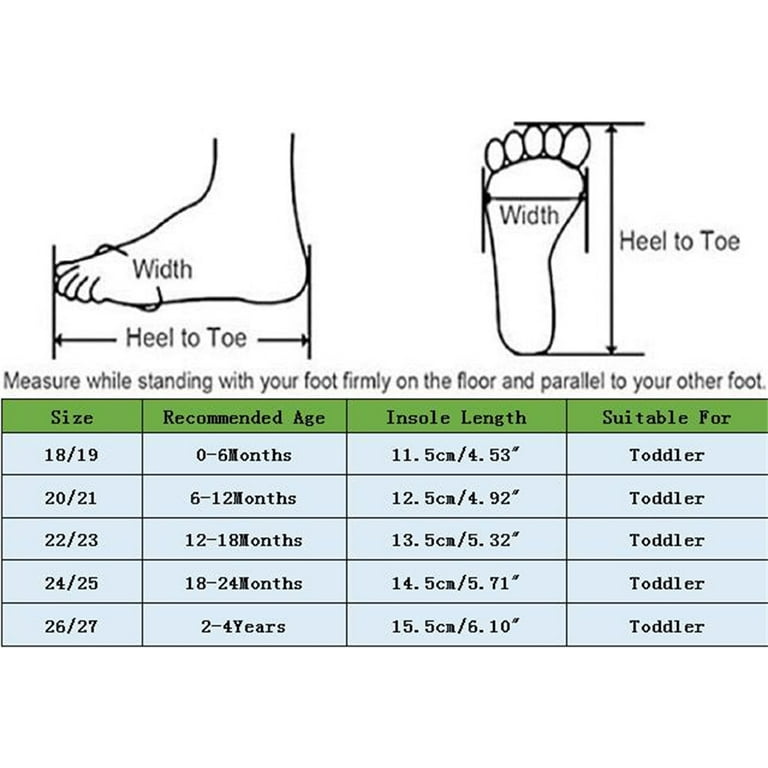
- Have your toddler stand with weight on both feet. Stand them on the paper and make sure the heel touches the wall or a straight edge.
- Trace the outline of the foot. Keep the pen vertical and close to the foot while tracing.
- Measure from the heel to the longest toe. Record the length in inches and centimeters.
- Add 1/2 inch (about 12–15 mm) of room for growth and comfort. That allows toes to wiggle and accounts for foot movement.
- If one foot is larger, use the larger measurement to size the shoe.
From personal experience, tracing while the child is distracted with a toy makes the process easier. I once fit a very wiggly toddler by measuring after a short nap; calmer feet give better results.
Converting measurements to shoe sizes
Shoe sizes vary by brand and country. Use these practical tips when you translate foot length into a shoe size.
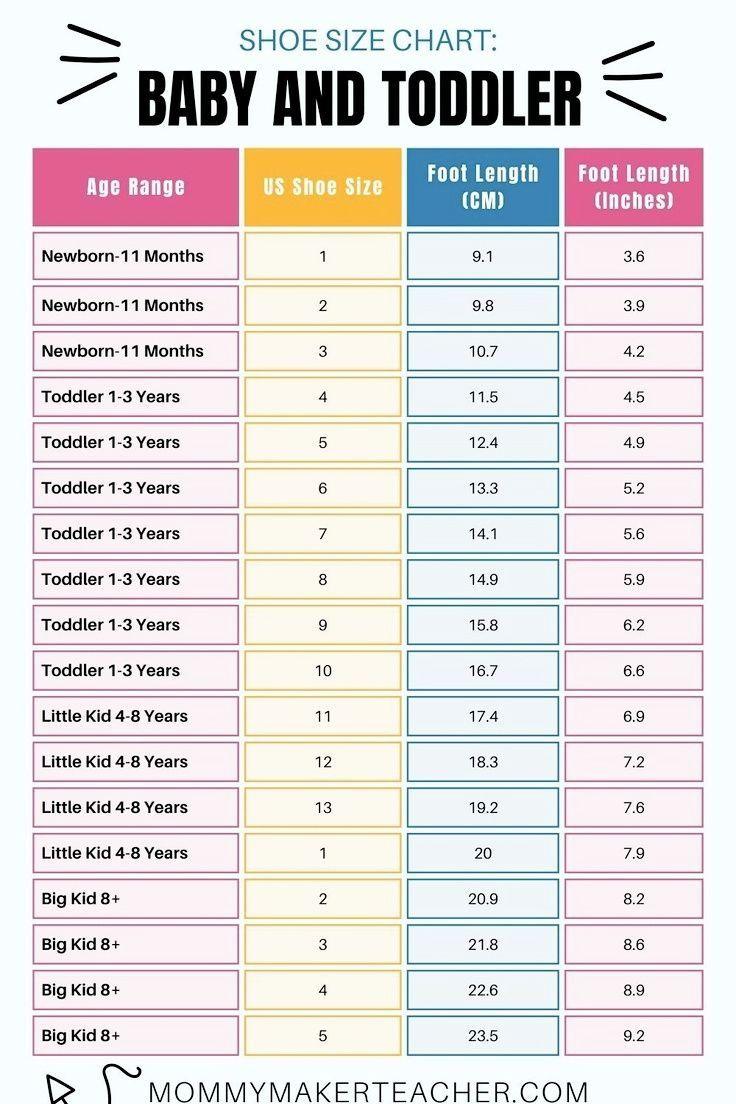
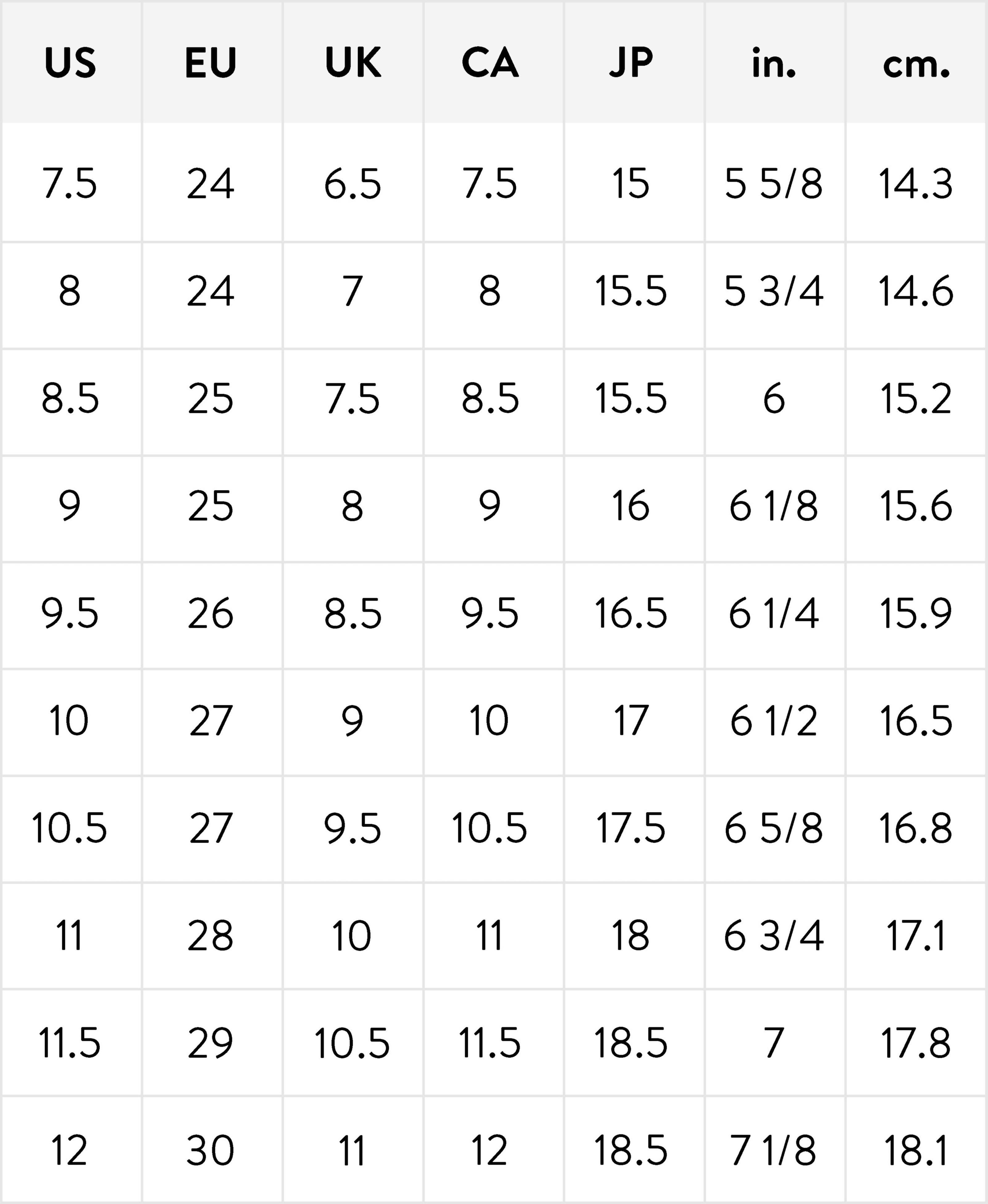
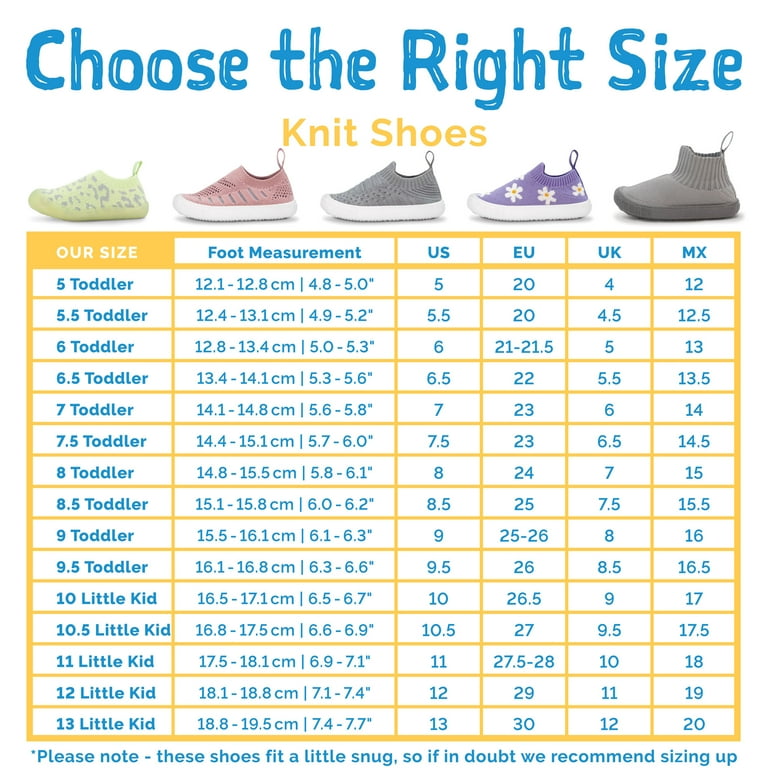
- Use brand size charts: Always compare your measured foot length to the brand’s chart. This is the most reliable method.
- Size up if between sizes: If your measured length falls between two sizes, choose the larger one. Toddlers grow fast and need wiggle room.
- Know common length guides: Many toddler shoes use about 1/2 inch room beyond foot length. If a brand lists foot length for a size, add your 1/2 inch and pick the size that matches or exceeds that number.
- Consider width: If a shoe feels tight across the toes or instep, try a wider option. Some brands offer wide fits for toddlers.
I often test three sizes when buying in-store: the measured size, one size up, and one size down. Trying them on shows which size truly fits.

When to size up: signs shoes are too small
Knowing when to replace shoes prevents harm and discomfort. Watch for these signs.
- Toes are pressed or curled inside the shoe. That means no room to grow.
- Red marks, blisters, or calluses appear after wearing the shoes. These are signs of rubbing or pressure.
- Your child limps, drags toes, or avoids walking. Discomfort can change how they move.
- Shoes wear unevenly or the sole is crushed at the toe. Visible wear shows poor fit.
If you see any of these signs, re-measure and replace the shoes promptly. Toddlers can outgrow shoes in weeks during growth spurts.

Common mistakes to avoid
Avoid these frequent errors when learning how to size toddler shoes.
- Buying by age alone: Age is a rough guide only. Feet grow differently.
- Measuring only when the child is sitting: Feet lengthen when standing, so always measure standing.
- Over-relying on inches without comparing to brand charts: Inches help, but charts matter.
- Choosing too-tight shoes hoping they will stretch: Kid shoes rarely stretch enough to be comfortable long-term.
- Waiting until shoes are clearly tight: Early replacement prevents problems.
I learned these lessons after replacing shoes too late and seeing a toddler develop blisters. Quick checks saved time and pain afterward.

Choosing the right shoe type and materials
The shoe style matters as much as the size. Pick shoes that help healthy foot use.
- Flexible sole: The sole should bend where the toes bend. Stiff soles limit natural motion.
- Wide toe box: Look for a round, roomy front so toes can spread naturally.
- Breathable materials: Leather or mesh helps keep feet dry and comfortable.
- Secure closure: Laces, buckles, or Velcro keep shoes from slipping and improve fit.
- Light weight: Heavy shoes tire little legs. Choose lightweight construction.
For early walkers, shoes with a thin flexible sole are best. For active toddlers, a slightly thicker sole with good grip helps on varied surfaces.
How often to check fit
Toddlers grow quickly, so check fit regularly.
- Check every 2 months for most toddlers. Growth spurts may need monthly checks.
- Inspect shoes for tightness, marks, or worn soles at each check.
- Re-measure feet before buying new shoes instead of assuming the same size still fits.
I mark a reminder on my calendar for seasonal checks. It keeps shoe fits current and avoids last-minute fits that don’t work.
Tools and products that make sizing easier
These tools help you measure and choose the right shoe fast.
- Printable foot ruler: Place the child’s foot on the printout and read length. Verify print scale before use.
- Brannock device or kid foot gauge: Found in many shoe stores, it quickly gives length and width.
- Shoe size apps: Use apps cautiously; always double-check measurements by hand.
- Shoe sizers in-store: Staff can help try multiple sizes and show the correct wiggle room.
I keep a small measuring kit at home. It saves time and avoids returns.

Frequently Asked Questions of how to size toddler shoes
How much extra space should I leave when sizing toddler shoes?
Leave about 1/2 inch (12–15 mm) of extra space from the longest toe to the shoe end. This small gap allows natural toe movement and room for growth.
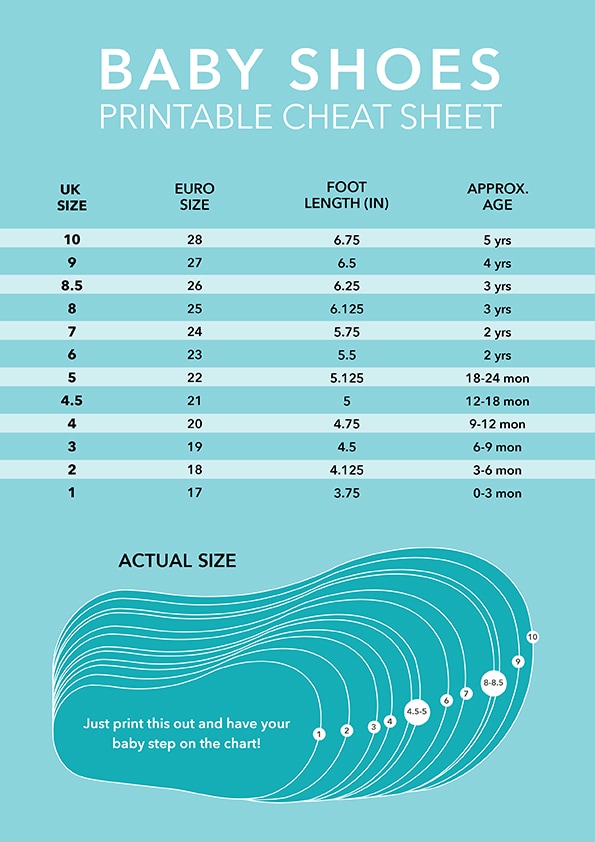
Can I use a baby shoe size chart for toddlers?
Baby charts and toddler charts differ; always use a toddler chart if available. Brands vary, so compare your measured foot length to the brand’s chart.
Is it okay if one shoe feels a bit loose?
A slight movement is normal, but shoes should not slip off. If the heel lifts more than about 1/4 inch, try a smaller size or a tighter closure.
How often do toddlers outgrow shoes?
Many toddlers need new shoes every 2 to 3 months during growth spurts. Some grow slower and may keep shoes longer, so check fit often.
Should I buy shoes online or in-store?
Both work if you measure accurately. If buying online, use the brand size chart and read reviews; keep the return policy handy in case sizing is off.
Conclusion
Sizing toddler shoes correctly starts with a simple, accurate measurement and a small allowance for growth. Measure with the child standing, add about 1/2 inch, use brand charts, and check fit every few months. Avoid common mistakes like buying by age alone and choosing tight shoes that won’t stretch. Take action now: measure your child’s feet, compare to the brand chart, and pick a flexible, roomy shoe that supports play and healthy development. Share your experience or questions below, and subscribe for more practical tips on kids’ gear and fit.

Rubel Miah is the Senior Editor at MyStyleGrid.com, where he brings a sharp editorial eye and an unshakable love for fashion to everything he does. A true style addict, Rubel lives and breathes trends, from streetwear to high fashion, and has a knack for turning inspiration into impactful stories. With years of experience in fashion journalism and digital media, he curates content that empowers readers to express themselves through style. When he’s not editing features or forecasting the next big thing, you’ll find him hunting down vintage pieces or capturing street style moments around the city.