Use proper fit, heel grips or moleskin, thicker socks, and gradual break-in to stop heel rubbing fast.
I’ve helped dozens of people (and fixed my own blisters) from new boots that rubbed my heels raw. This guide explains how to stop heel rubbing in new boots with clear steps you can use today, plus long-term fixes so boots feel broken‑in and comfortable. I’ll cover causes, quick fixes, boot care, products that work, and when to seek repairs or returns — all from hands‑on experience and practical shoe‑fit know‑how.

Why your heels rub in new boots
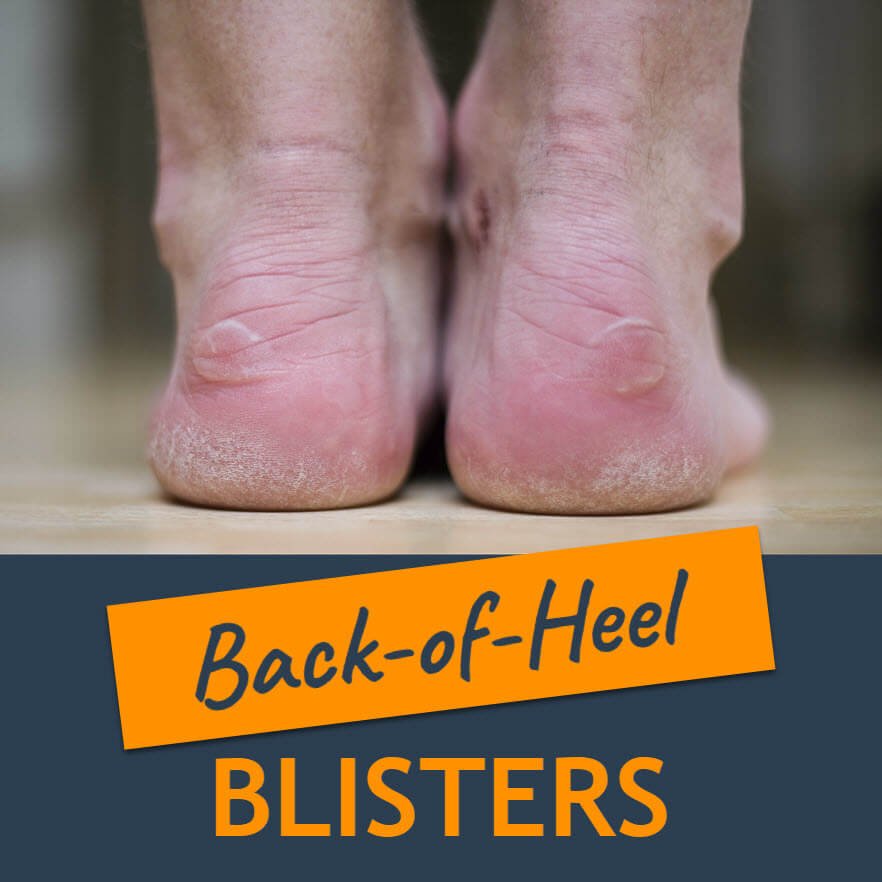
Heel rubbing happens for simple reasons. Most new boots have stiff materials, a slightly wrong fit, or slick liners that let your foot slip. That repeated friction creates hot spots, blisters, and pain.
Common causes
- Too-big heel cup so your foot slides back and forth.
- Too-small toe box forcing the heel up with each step.
- Stiff leather, seams, or unbroke lining rubbing the skin.
- Low-cut socks or slippery sock material increasing friction.
- Heel counter or seam placed where your achilles sits.
How friction creates damage
- Repeated micro-movements shear the skin.
- Moisture softens skin so fabric or leather abrades it more.
- Pressure points form calluses that then turn into blisters.
Experience note: I once bought leather boots a half size up thinking extra room fixed fit. After two hikes I had raw spots. The problem was heel slip. A thicker sock plus heel grips fixed it within a day. This is a common mistake when learning how to stop heel rubbing in new boots.

Immediate fixes to stop heel rubbing in new boots
These quick steps work when you need relief right away. Try them singly or together.
-
Use heel grips or pads
- Stick-on foam or gel pads behind the heel stop slip and cushion the area.
- They are cheap, easy to fit, and reversible.
-
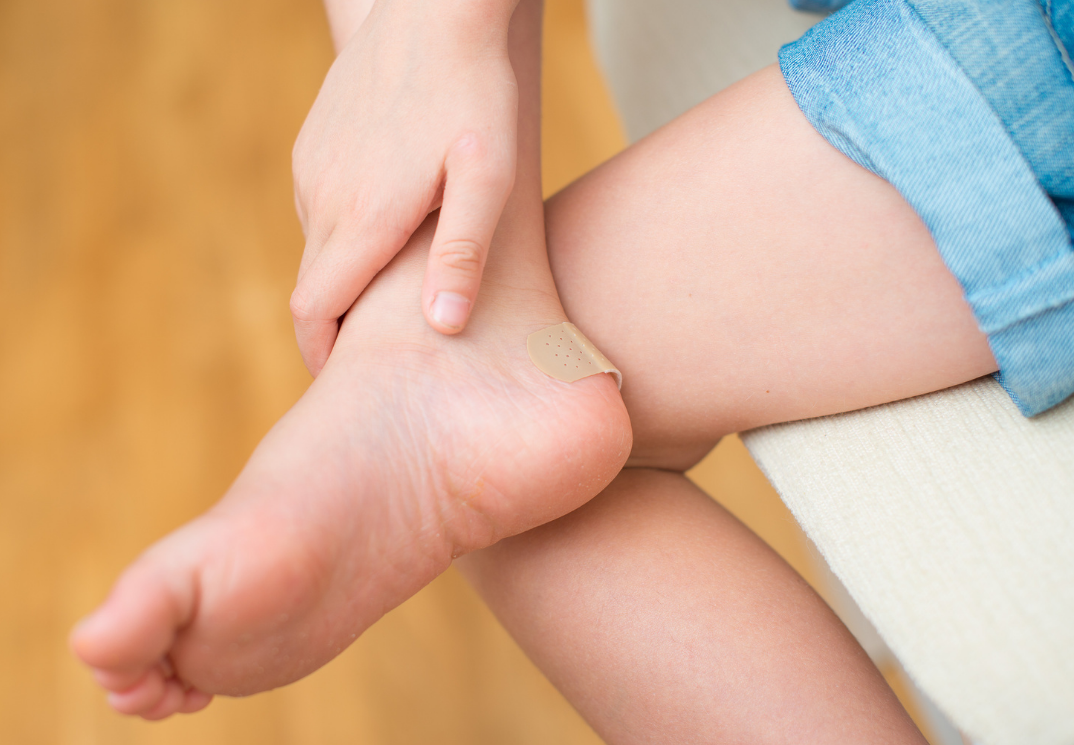
Apply moleskin or blister patches
- Cut moleskin to cover the hot spot inside the boot.
- Waterproof blister patches that adhere to skin can protect while you break in boots.
-
Change socks
- Swap thin cotton for thicker, moisture-wicking socks.
- Double-sock technique: thin liner sock plus thicker outer sock reduces friction.
-
Tighten lacing for lockdown
- Lock lacing (heel lock) secures the ankle and prevents heel from sliding.
- Use an extra loop at the top eyelets to pull the heel back into place.
-
Try adhesive ankle guards
- Paper-thin adhesive fabric can reduce rubbing without changing fit.
- Best for short-term use or travel.
Real-world tip: I carry a small blister kit when testing new boots. A pair of gel heel grips and moleskin saved a weekend hike once when my new boots started rubbing after ten miles.

How to break in boots and prevent heel rubbing long-term
Breaking in boots thoughtfully changes their stiffness and how they hug your heel. Use gradual and targeted methods.
Step-by-step break-in plan
- Wear boots around the house for 1–2 hours daily.
- Add short walks, increasing distance each day.
- Use leather conditioner for leather boots after several wears to soften material.
- Alternate boots with other shoes so skin toughens without constant rubbing.
Stretching and shaping
- Use a shoe stretcher or take boots to a cobbler to adjust tight spots.
- Targeted stretching at the heel counter or vamp reduces lift that causes rubbing.
Boot care that helps
- Condition leather to reduce stiffness that abrades skin.
- Use a water-repellent spray to prevent moisture‑softened skin from blisters.
- Replace worn insoles that change how the foot sits in the boot.
Limitations and cautions
- Over-stretching can ruin structure and void warranties.
- Heat stretching at home risks damaging adhesives or liners.
- If boots cause sharp pain or bleeding after fixes, stop and reassess fit or return policy.
Personal lesson: I once soaked boots to speed break-in — that warped the lining. Now I use low‑force stretching and short wear sessions. That approach taught me the safest way to master how to stop heel rubbing in new boots without harming the shoes.
Socks, insoles and heel grips that work
Choosing the right accessories is one of the fastest ways to stop heel rubbing in new boots.
Socks
- Synthetic blends or wool wick moisture and reduce friction.
- Padded socks add cushion; avoid pure cotton for active use.
Insoles and orthotics
- Slightly thicker insoles lift the foot and reduce heel slip.
- Custom orthotics can correct biomechanical issues that cause heel lift.
Heel grips and pads
- Foam heel grips provide friction and padding.
- Gel pads cushion and reduce pressure on delicate skin.
When to use which
- Short trips: moleskin or temporary heel pads.
- Long hikes: cushioned wool socks + quality insoles + lock lacing.
- Chronic problems: see a podiatrist or try custom orthotics.
Evidence note: Studies on footwear comfort show that padding and proper sock material significantly reduce blister incidence. In practice, layered solutions (sock + pad + proper lacing) are most reliable for preventing heel rubbing in new boots.

When to repair, resize, or return boots
Not all rubbing is fixable. Sometimes the boot is the wrong shape for your foot.
Signs you should return or repair
- Persistent sharp pain after trying pads, lacing, and socks.
- Heel slip greater than a half inch even with insoles.
- Manufacturing flaws like internal seams rubbing in a concentrated spot.
Repair options
- Cobbler can reshape heel counters, add permanent padding, or reseat liners.
- Manufacturer warranty may cover defects; keep proof of purchase.
Choosing a different size or model
- Try half sizes, different widths, or boots with a deeper heel cup.
- Test for heel fit: heel should move only a tiny bit when walking.
Trustworthy tip: At retail, walk on a hard floor and uphill on a mat if possible. Lift heel and slide foot forward when trying; if your heel still slides back excessively, try another size or model. Knowing when to stop trying home fixes is part of how to stop heel rubbing in new boots for good.
Quick PAA-style questions and short answers
What causes heel slipping in new boots?
- Heel slipping usually comes from a loose heel cup, wrong sizing, or slick lining that lets the foot slide.
How fast can you stop heel rubbing?
- Immediate relief can happen the same day with heel grips or moleskin; full break-in usually takes several days to weeks.
Are leather boots more likely to rub than synthetic ones?
- New leather is often stiffer, so it can rub more at first, but leather molds to the foot over time if broken in properly.

Frequently Asked Questions of how to stop heel rubbing in new boots
How long does it take to stop heel rubbing in new boots?
Most people get meaningful relief within a few wears when using heel grips and adjusted lacing. Full break-in for leather may take several weeks of gradual wear.
Can I prevent heel rubbing with socks alone?
Socks help a lot, especially moisture-wicking and padded types, but socks alone may not stop rubbing if the boot fit is wrong.
Are heel grips safe to use long term?
Yes, quality heel grips are safe and removable; replace them when they wear out to keep cushioning consistent.
Will stretching boots fix heel rubbing?
Targeted stretching can reduce tight spots that cause heel lift, but stretching must be precise; a cobbler is best for structural changes.
When should I see a professional about heel rubbing?
See a cobbler for repair if home fixes fail, or a podiatrist if you have recurring blisters, abnormal foot mechanics, or pain that affects walking.
Conclusion
Stopping heel rubbing in new boots is a mix of the right fit, smart accessories, careful break-in, and knowing when to get help. Start with quick fixes like heel grips, moleskin, and better socks, then follow a slow break-in and consider insoles or cobbler tweaks if needed. Put these steps into practice the next time you buy boots and you’ll spare yourself blisters and wasted wear. Try one change today, track how your feet feel, and share what worked — or leave a question below so I can help troubleshoot your fit.

Rubel Miah is the Senior Editor at MyStyleGrid.com, where he brings a sharp editorial eye and an unshakable love for fashion to everything he does. A true style addict, Rubel lives and breathes trends, from streetwear to high fashion, and has a knack for turning inspiration into impactful stories. With years of experience in fashion journalism and digital media, he curates content that empowers readers to express themselves through style. When he’s not editing features or forecasting the next big thing, you’ll find him hunting down vintage pieces or capturing street style moments around the city.