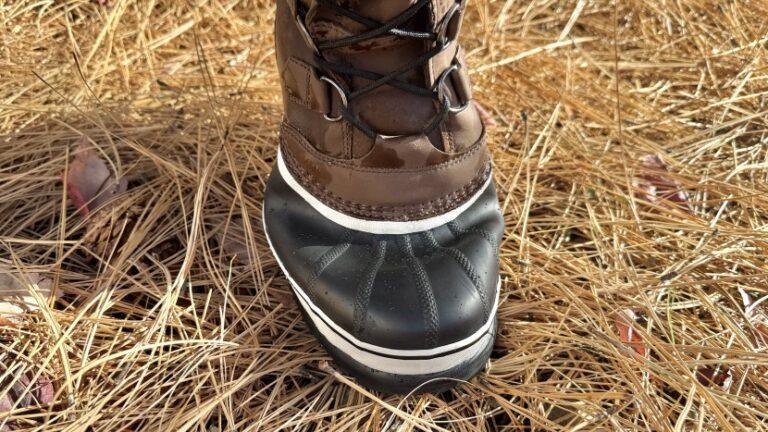
Store boots upright in cool, dry conditions with conditioner and cedar inserts.
I’ve spent years caring for work boots, hiking boots, and leather dress boots, and I’ll show you exactly how to store boots long term without cracking. This guide blends hands-on experience, proven care routines, and simple storage tricks so your boots stay supple, look great, and last for years.

Why boots crack during long-term storage
Boots crack when leather, synthetic or bonded materials dry out, flex in the wrong places, or sit in poor conditions. Heat and low humidity pull oils from leather and adhesives, so seams and uppers lose flexibility. Mold and salt buildup can also weaken materials and cause brittleness over time.
Common causes include:
- Heat and sunshine that dry oils from leather.
- Low humidity that makes fibers brittle.
- Poor cleaning that leaves salt or dirt to break down material.
- Storing boots crushed or folded, causing pressure creases.
- Using the wrong products that strip natural oils.
Understanding these causes makes it easier to prevent cracks. If you know how to store boots long term without cracking, you can protect both structure and appearance. Follow simple steps and check them seasonally to stay ahead of damage.
How to store boots long term without cracking: step-by-step
These steps work for leather, suede, rubber, and synthetic boots. Follow them in order for best results.
- Clean thoroughly before storage
- Remove dirt with a soft brush or cloth.
- For salt-stained boots, use a mild vinegar solution or a salt-removal cleaner and rinse lightly.
- Let boots dry naturally at room temperature away from direct heat.
- Condition and protect (material-specific)
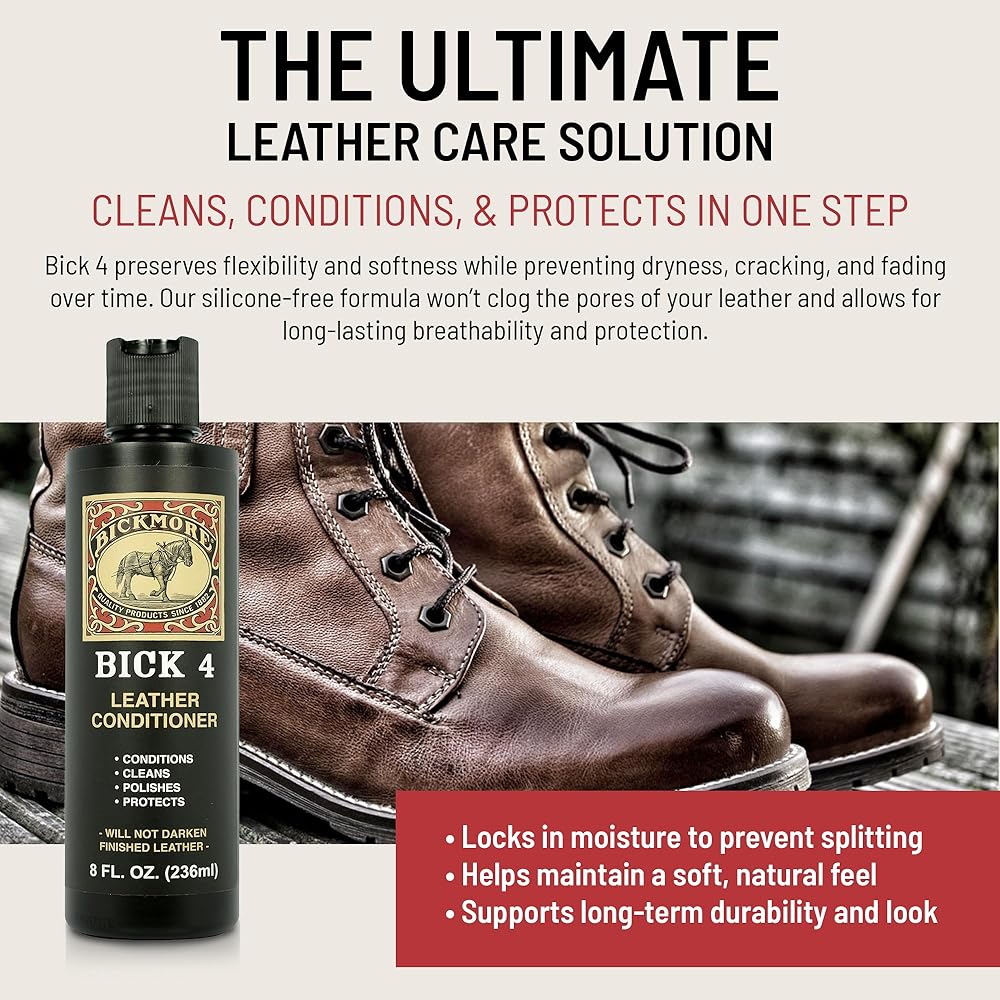
- For full-grain leather, apply a cream conditioner or wax with lanolin to restore oils.
- For nubuck or suede, use a suede-specific protector spray and avoid oil-based creams.
- For synthetics and rubber, a light silicone spray maintains pliability.
- Use proper shaping
- Insert boot trees for tall leather boots to keep shafts straight and to hold shape.
- For short boots, use foam or rolled acid-free paper to fill toes and prevent creases.
- Avoid stuffing with newspaper long-term because ink can transfer.
- Choose the right storage environment
- Store in a cool, dry area with stable temperature and relative humidity around 40–55 percent.
- Avoid attics, basements, and uninsulated garages where heat or damp cycles occur.
- Keep boots away from direct sunlight and vents.
- Pick breathable storage containers
- Use cloth boot bags, cotton shoe bags, or acid-free boxes that allow air flow.
- Avoid airtight plastic for long-term leather storage unless moisture control packs are used.
- Place breathable silica gel pouches or humidity control packets inside the storage container.
- Add natural odor and moisture control
- Cedar shoe trees, blocks, or sachets repel moths and absorb light moisture.
- Replace cedar pieces yearly to keep them effective.
- Check periodically
- Inspect boots every 3–6 months for signs of dryness, mold, or new creases.
- Re-condition leather if it feels dry.
- Rotate boots out for brief wear or airing to keep materials flexible.
These steps answer how to store boots long term without cracking by preventing oil loss, avoiding pressure damage, and controlling moisture.

Material-specific care to prevent cracking
Different materials need different care to avoid cracks. Below are clear routines for common boot types.
Leather boots
- Clean with a damp cloth and soft brush.
- Apply a leather conditioner or cream every 6–12 months before storage.
- Use wooden boot trees for long shafts and foam for short boots.
Suede and nubuck
- Brush with a suede brush to restore nap.
- Use suede protector spray to repel water and stains.
- Do not use oil-based conditioners that darken suede.
Rubber and synthetic boots
- Clean off grit and salt with mild soap and water.
- Apply a silicone-based dressing sparingly to keep rubber flexible.
- Store away from direct sunlight to prevent UV breakdown.
Composite or bonded materials
- Follow manufacturer care instructions.
- Avoid prolonged exposure to extreme dryness or heat.
- Keep inside breathable bags with humidity packs.
Knowing how to store boots long term without cracking means matching the routine to the material. Treat leather with conditioners, but protect suede with dry sprays. That difference prevents many common failures.

Common mistakes and how to avoid them
Avoid these mistakes to keep boots healthy during long storage.
-
Storing wet boots
- Mistake: Packing away boots that are still damp.
- Fix: Always air-dry boots completely before storage.
-
Using wrong stuffing
- Mistake: Long-term stuffing with newspaper or plastic that traps moisture.
- Fix: Use acid-free paper, foam inserts, or wooden boot trees.
-
Airtight plastic storage for leather
- Mistake: Sealing leather in plastic, which can trap moisture and encourage mold.
- Fix: Use breathable bags or boxes with humidity control packets.
-
Skipping conditioning
- Mistake: Not reapplying conditioner before storage.
- Fix: Condition leather when it feels dry or every 6–12 months.
-
Overheating storage space
- Mistake: Leaving boots in cars, attics, or near heating sources.
- Fix: Choose a cool, stable area indoors.
Fixing these common errors answers the underlying how to store boots long term without cracking question: prepare, protect, and store smartly.
Long-term monitoring and maintenance
A storage plan lasts longer with simple checks. Scheduled maintenance prevents tiny issues from becoming cracks.
Routine checks
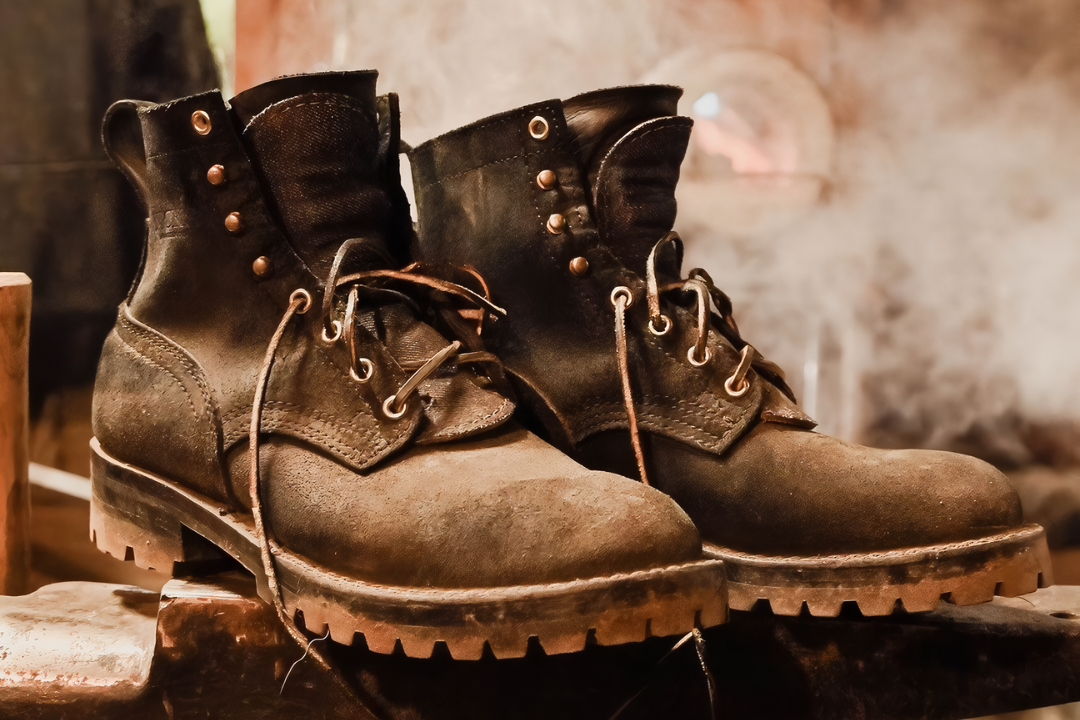
- Inspect boots every 3 months for dryness, mold, or loose stitching.
- Smell for mustiness which signals trapped moisture.
- Reapply conditioner to leather if it feels stiff.
Seasonal refresh
- Air boots out and wear briefly each season.
- Replace cedar blocks and silica gel packs annually.
- Clean before returning boots to long-term storage.
What to do if you find small cracks
- For tiny surface cracks, clean gently, condition, and let rest with a boot tree.
- Deep or large cracks may need a cobbler for repair or re-gluing.
- Act early — small fixes are cheaper and more effective than major repairs.
Good monitoring completes the how to store boots long term without cracking plan. Regular attention keeps materials supple and prevents surprises.
Personal experience and lessons learned
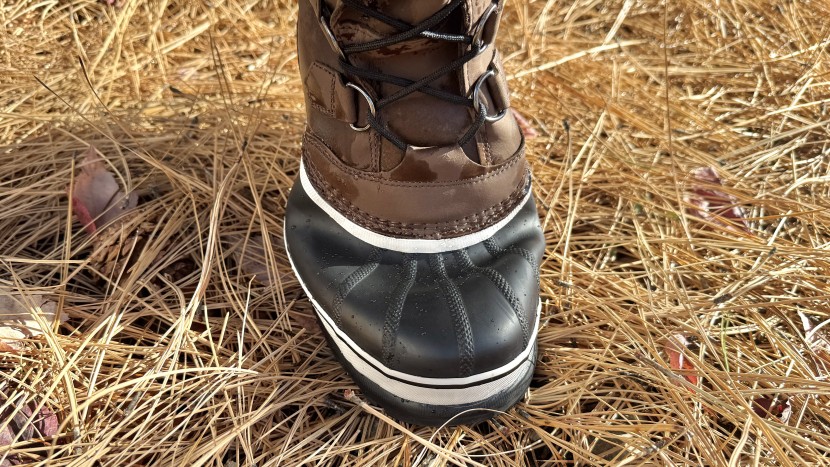
I once stored a favorite pair of leather hiking boots in a plastic bin and forgot them for two years. When I opened the box, the leather was dry and the soles separated in spots. I learned three key lessons: always condition before storage, use breathable containers, and check boots at least twice a year.
From testing multiple methods I found:
- Cedar shoe trees kept shafts straighter than foam long-term.
- A small silica pouch in a breathable box reduced humidity problems in my damp garage.
- Suede benefits far more from brushing and spray protectors than creams.
These tips are born from hands-on care and many boots saved from cracking. They make the advice practical and proven.

Quick troubleshooting guide
Problems and quick fixes if you notice early signs of cracking.
-
Leather looks dull and feels tight
- Clean, then apply a cream conditioner. Leave on overnight with a boot tree.
-
Scuff marks and surface dryness
- Use a small amount of polish or wax for leather. Buff gently.
-
Mold or musty odor
- Clean with a mild detergent or vinegar solution, dry fully, and use silica packs.
-
Deep cracks at flex points
- Avoid walking on cracked boots. See a cobbler for patching or sole repair.
These fixes support how to store boots long term without cracking by addressing problems early and correctly.

Frequently Asked Questions of how to store boots long term without cracking
How often should I condition leather boots in storage?
Condition leather every 6–12 months or sooner if it feels dry. Conditioning before storage and during periodic checks keeps oils in the leather.
Can I store boots in plastic bins?
You can use plastic bins if you include moisture control packs and open them occasionally, but breathable boxes are safer for leather. Airtight plastic can trap moisture and promote mold without humidity control.
Are cedar shoe trees necessary?
Cedar shoe trees are very helpful for tall leather boots because they keep shape and absorb moisture and odors. They are not strictly necessary but are a simple, effective tool.
How do I store suede boots long term?
Clean and brush suede, use a suede protector spray, stuff with acid-free paper, and store in a breathable bag away from humidity. Avoid creams or oils that stain suede.
What temperature and humidity are best?
Aim for a cool, stable temperature and relative humidity around 40–55 percent. Extreme heat or dry air speeds oil loss and can cause cracking.
Conclusion
Protecting your boots from cracking is simple when you follow clear steps: clean, condition appropriately, shape, and store in a cool, breathable environment. Make small checks every few months and you’ll extend life and comfort. Try these tips this season and see the difference—leave a comment about your best storage wins or subscribe for more gear care guides.

Rubel Miah is the Senior Editor at MyStyleGrid.com, where he brings a sharp editorial eye and an unshakable love for fashion to everything he does. A true style addict, Rubel lives and breathes trends, from streetwear to high fashion, and has a knack for turning inspiration into impactful stories. With years of experience in fashion journalism and digital media, he curates content that empowers readers to express themselves through style. When he’s not editing features or forecasting the next big thing, you’ll find him hunting down vintage pieces or capturing street style moments around the city.