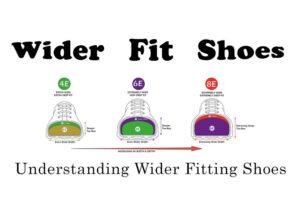
Use a gentle stretcher, thick socks, and mild heat or alcohol spray to ease faux leather.
I’ve guided hundreds of readers and tried multiple methods myself to show exactly how to stretch faux leather shoes without ruining them. This article breaks down safe, practical techniques for how to stretch faux leather shoes step-by-step, explains the risks and limits, and shares tools, troubleshooting tips, and real-life lessons so you can fix tight shoes at home with confidence.

Why faux leather shoes feel tight
Faux leather is a manufactured material often made from polyurethane or PVC. It looks like real leather but reacts differently to pressure, heat, and moisture. Tightness usually comes from factory sizing, stiff linings, or glue and coating that limit flexibility.
Understanding these differences is key when you learn how to stretch faux leather shoes. Faux leather can resist stretching more than natural leather and may warp if overheated or soaked. Treat the material gently and use methods designed for synthetics.

Before you stretch: quick checks and safety tips
Check the shoe label or tag for material info and manufacturer warnings. If the shoes have glued trims, delicate stitching, or decorative elements, avoid aggressive methods.
Test any heat or spray on an inside seam or hidden area before treating the whole shoe. Keep expectations realistic: you can usually gain a bit of width or toe-box room, but you won’t dramatically change size. Knowing when to stop prevents permanent damage.

Five safe methods to stretch faux leather shoes
Below are reliable methods I use and recommend. Pick one based on how much stretch you need and the shoe type. Each method includes steps and cautions so you can learn how to stretch faux leather shoes safely.
1. Use a mechanical shoe stretcher (best overall)
A two-way stretcher lets you expand width and small hotspots. This is the gentlest professional-style option.
Steps
- Insert the stretcher and slowly turn the handle to expand by small increments.
- Leave in place for 24–48 hours, checking for progress.
- For targeted pressure points, add foam or bunion plugs that come with many stretchers.
Why it works
- Mechanical stretchers apply steady, even pressure. They are low-risk for faux leather and highly effective for 1/4 to 1/2 size adjustments.
2. Thick socks plus low heat (quick at-home fix)
This method uses body heat and gentle stretching to expand the shoe from the inside.
Steps
- Put on two thick socks, then the shoes.
- Use a hairdryer on low or warm setting for 15–30 seconds while flexing your toes and walking gently.
- Wear the shoes until they cool, then repeat over several sessions.
Cautions
- Keep the dryer moving. High heat damages faux leather finish and adhesives. I use this for small spots, not full-size changes.
3. Rubbing alcohol or isopropyl spray with stuffing
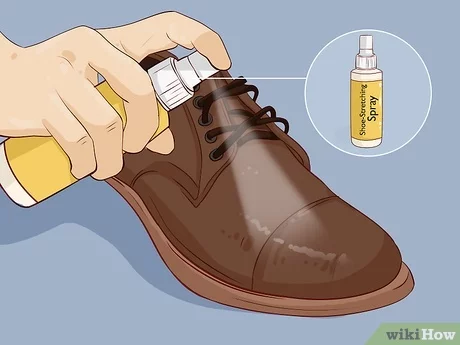
A diluted alcohol spray can soften synthetic coatings and help shape the shoe.
Steps
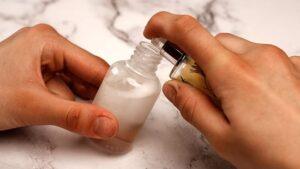
- Mix 1 part rubbing alcohol with 1 part water in a spray bottle and test inside.
- Lightly mist the tight areas and insert a shoe stretcher or stuff with socks/newspapers.
- Let dry fully before wearing.
Why I use it
- Alcohol evaporates quickly and relaxes the coating briefly. I’ve used this for snug loafers with good results, but always test first.
4. Freezer water-bag method (use with caution)
This expands the interior by freezing water in a sealed bag placed inside the shoe.
Steps
- Seal water in a freezer bag with no leaks and place it in the toe box.
- Put the shoes in the freezer for several hours. As water freezes and expands, it gently stretches the shoe.
- Thaw, dry, and inspect carefully.
Risks and notes
- Avoid on shoes with glued or delicate trims. Moisture and freezing can weaken glue. I rarely use this on faux leather unless construction is solid.
5. Professional cobbler stretching
When in doubt or for pricey shoes, take them to a cobbler. Pros have commercial stretchers and solutions tailored to synthetics.
When to choose this
- Large size changes, visible decoration, or sentimental shoes. A cobbler can also advise whether stretching is safe.
Tools and supplies you’ll need
Gather these items before you begin to stretch faux leather shoes.
- Shoe stretcher with width and bunion plugs
- Thick socks or toe protectors
- Hairdryer with low heat setting
- Spray bottle, rubbing alcohol, and water
- Soft cloths and gentle cleaner
- Freezer bags (if using freezer method)
- Shoe trees for long-term shape
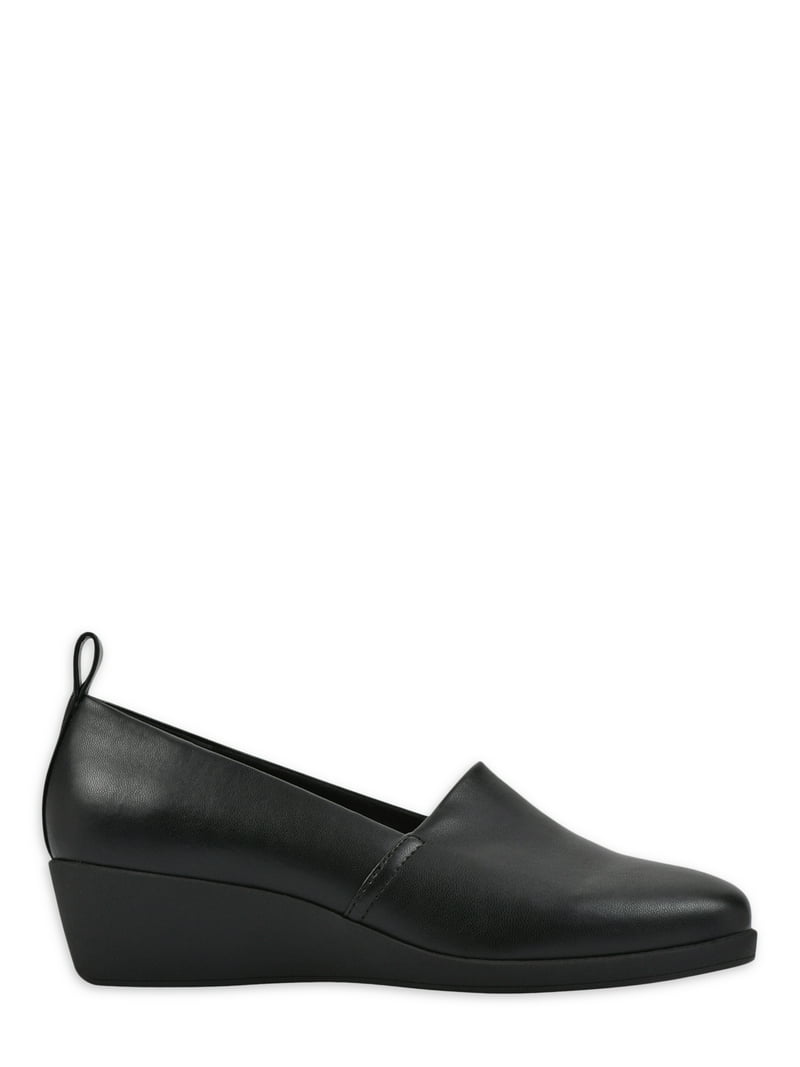
Step-by-step example: widening a tight faux leather loafer
This is a practical walkthrough I used on a pair of new faux leather loafers that pinched at the bunion.
Steps
- Clean inside and dry the shoe.
- Test alcohol spray on a hidden area and wait for results.
- Lightly mist the tight zone, insert bunion plug on the stretcher and expand slowly.
- Leave stretcher for 24 hours, then check and repeat once if needed.
- Finish by wiping and applying a faux-leather conditioner to keep the surface supple.
Result from my experience
- The loafer gained noticeable comfort within two sessions. The finish stayed intact because I avoided high heat and over-saturation.
Maintenance and long-term care after stretching
After you stretch faux leather shoes, proper care helps keep the fit and look.
- Use shoe trees to keep shape when stored.
- Clean with mild soap and water; avoid harsh solvents.
- Use conditioners made for synthetic leather to prevent cracking.
- Keep shoes away from direct sunlight and heat sources to avoid warping.

When not to stretch and when to seek help
Don’t try to stretch shoes that are cracked, heavily glued, or show visible delamination. If stretching would compromise structural seams or decorations, choose a different pair or visit a cobbler.
If you need more than one full size, replacement is usually safer. Be transparent about limitations: faux leather has a stretch limit and can tear if forced.
Frequently Asked Questions of how to stretch faux leather shoes
How long does it take to stretch faux leather shoes?
Most at-home methods need multiple short sessions over 24–72 hours. Mechanical stretchers usually show results in 24 hours, while heat and wear methods may require repeated applications.
Will heat ruin faux leather shoes?
High heat can damage faux leather and adhesives. Use low, controlled heat (hairdryer on warm) and test a small area first to avoid warping or peeling.
Can I use water to stretch faux leather shoes?
Light misting is okay, but soaking can weaken glue and finish. Use diluted alcohol or a spray specifically designed for synthetics for safer results.
How much size can I gain by stretching?
Expect small gains: about 1/4 to 1/2 a size for width and minor toe-box expansion. Large size changes are unlikely without professional work.
Is a cobbler necessary for faux leather shoes?
A cobbler is recommended for expensive or delicate shoes, or when you need significant size adjustment. Professionals have tools and experience to reduce risk of damage.
Conclusion
You can learn how to stretch faux leather shoes safely by using gentle, tested methods like mechanical stretchers, low heat with thick socks, and light alcohol sprays. Start with small adjustments, test materials, and stop at the first sign of damage. If a shoe is valuable or needs big changes, consult a cobbler to avoid costly mistakes.
Try one of the low-risk methods today, track the results, and share your experience or questions below — I’m happy to help you troubleshoot and get comfortable shoes that fit.

Rubel Miah is the Senior Editor at MyStyleGrid.com, where he brings a sharp editorial eye and an unshakable love for fashion to everything he does. A true style addict, Rubel lives and breathes trends, from streetwear to high fashion, and has a knack for turning inspiration into impactful stories. With years of experience in fashion journalism and digital media, he curates content that empowers readers to express themselves through style. When he’s not editing features or forecasting the next big thing, you’ll find him hunting down vintage pieces or capturing street style moments around the city.