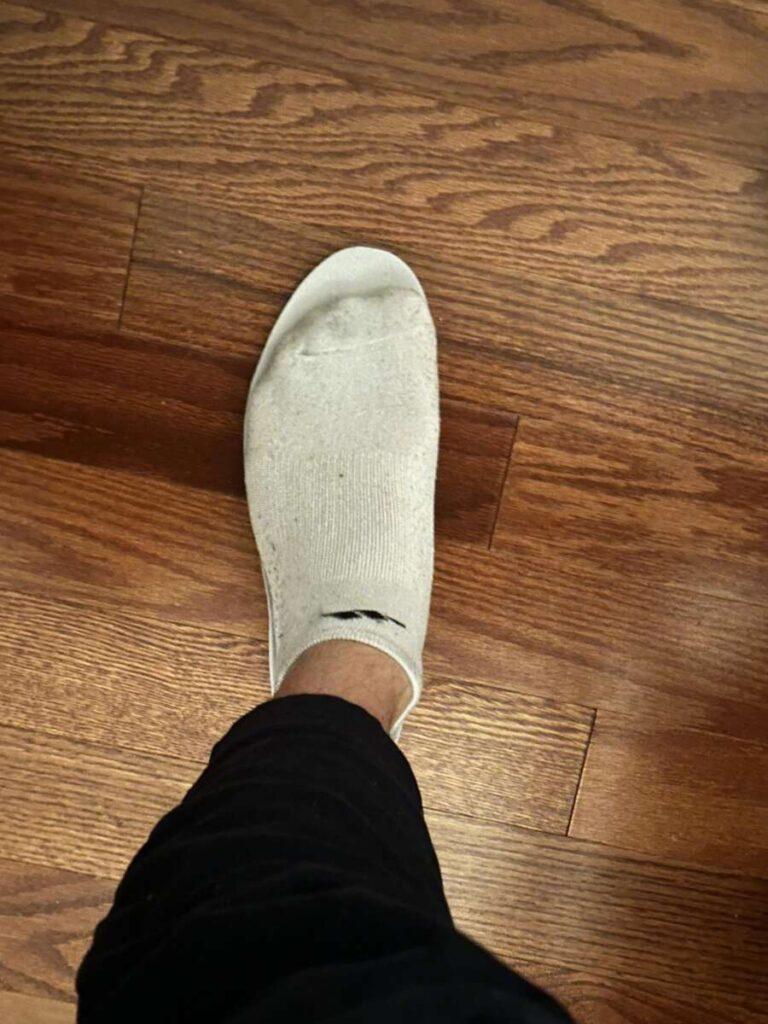
You can tell if running shoes are too big by heel slip, extra toe space, and unstable strides.
I’ve spent years testing shoes with runners and podiatrists, so I know how to tell if running shoes are too big. This guide breaks down clear signs, simple at-home tests, fixes you can try, and buying tips so you stop guessing and start running with confidence. Read on for step-by-step advice that’s simple, proven, and friendly.
Signs your running shoes are too big
If you want to know how to tell if running shoes are too big, watch how your foot moves inside the shoe. Shoes that are too big let your foot slide forward or side to side. That creates telltale signs you can spot in minutes.
- Heel slip when walking or running. If your heel lifts or the back rubs, the shoe is likely too big.
- Extra space in the toe box. More than a thumb’s width from longest toe to the toe cap means too much room.
- Instability on turns. Overlarge shoes make quick cuts feel loose or wobbly.
- Blisters on toes or heels. Repeated friction shows your foot is moving inside the shoe.
- Excessive creasing in the upper. Big shoes crease where your foot should fill the space.
Try a quick walk test. Lace up, stand, then walk a few steps. If your heel lifts or toes hit the front, you’ve learned how to tell if running shoes are too big and need a change.

Why shoes feel too big
Understanding why shoes feel big helps you fix the problem. The cause is rarely just "wrong size." Fit is a mix of length, width, volume, and sock choice.
- Wrong length leaves space at toes.
- Excess width lets the foot shift.
- High volume means more space inside the shoe shell.
- Thin socks or loose lacing add to the feel of largeness.
I once bought shoes half a size up for comfort, only to find they moved too much on hills. That taught me to check volume and width, not only length, when considering how to tell if running shoes are too big.
Risks and performance impact
Knowing how to tell if running shoes are too big matters. Oversized shoes reduce control. They harm performance and can cause injuries.
- Higher risk of blisters and hot spots from friction.
- Toe stubbing from excess front space.
- Longer ground contact time, reducing efficiency.
- Ankle rolling risk when the foot shifts inside the shoe.
- Poor race times due to energy loss from instability.
If you plan to run long or fast, fit matters as much as cushioning. Shoes that are too big can undo the benefit of a good midsole or traction pattern.
How to test fit at home: quick, reliable checks
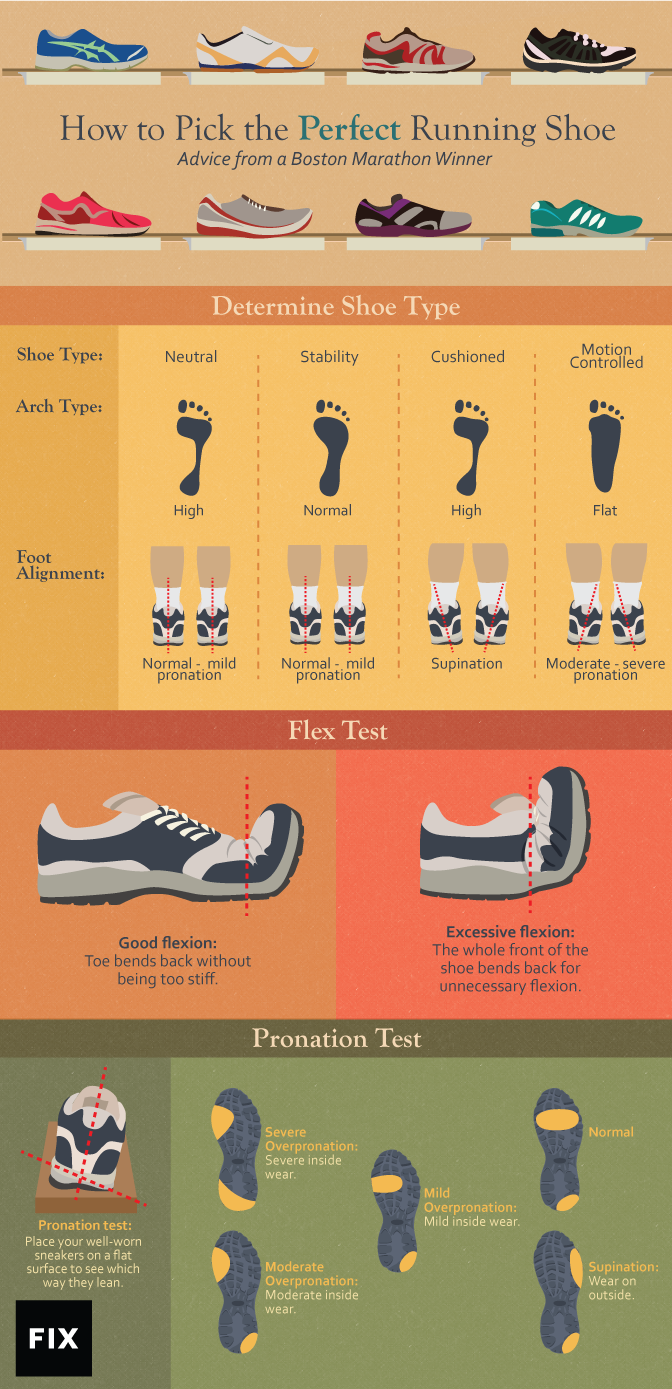
Here are simple tests to confirm how to tell if running shoes are too big. Each takes a minute.
- Thumb test for toe room. Stand with shoes on and press your thumb behind the heel. Or measure a thumb’s width from longest toe to shoe end. More than a thumb of space is usually too much.
- Heel lock test. Lace your shoes normally. Walk briskly. If your heel lifts repeatedly, the shoe is too large or needs different lacing.
- Paper test for length. Place a sheet of paper under your heel. Slide your foot forward to touch the toe cap. If the paper slides easily, the shoe is too big.
- On-the-run test. Jog 50–100 yards. If toes hit the front when running downhill, the shoes are too long.
- Sock and insole trial. Try thicker running socks or a half insole to see if added volume control helps.
These tests show you how to tell if running shoes are too big without specialist tools. If a shoe fails two or more tests, it likely needs replacing or modifying.

How to fix shoes that are too big
If you discover how to tell if running shoes are too big, you have options. Some fixes are quick and cheap. Others may mean replacing the shoe.
- Replace insoles with thicker or custom insoles. This reduces inside volume.
- Use thicker or double socks for a snugger fit.
- Try different lacing patterns to lock the heel and reduce movement.
- Add heel grips or tongue pads to stop slipping.
- Consider a size down or a different width from the same brand.
I once fixed a pair by adding a supportive insole and switching to a midweight sock. The heel slip stopped and the shoe felt secure. These are practical steps you can try before buying a new pair.

Buying tips to avoid oversized running shoes
Avoiding the problem is easier than fixing it later. Use these tips when buying shoes so you don’t have to wonder how to tell if running shoes are too big after the fact.
- Measure feet late in the day. Feet swell with activity and heat.
- Test shoes with the socks you will run in.
- Try the brand’s different widths. Width matters as much as length.
- Walk and jog in-store. Make sure heels don’t slip and toes don’t hit.
- Read reviews about fit. Many shoes run narrow or wide.
- Allow a thumb’s width of toe room but not more than that.
- If buying online, buy from retailers with easy returns and try them on at home.
These simple steps cut the chance of ending up with shoes that are too big.
Short, common questions (PAA-style)
Can running shoes be too big for short runs?
Yes. Even for short runs, too-big shoes can cause blisters and poor form. Fixing fit helps every run.
How much space should be in front of my toes?
About one thumb’s width is ideal for most runners. More space often means the shoes are too big.
Will thicker socks fix shoes that are too big?
Thicker socks can help short term. They reduce volume but may not solve heel slip or width issues.

Frequently Asked Questions of how to tell if running shoes are too big
What is the easiest sign a running shoe is too big?
Heel slip is the easiest sign. If your heel lifts while walking or running, the shoe is likely too large.
How do I check toe room correctly?
Stand with shoes on. Press your thumb behind your longest toe. If there’s more than a thumb’s width, the shoe is probably too big.
Can oversized running shoes cause injuries?
Yes. Oversized shoes increase blister risk, ankle rolls, and inefficient running that can lead to pain.
Are running shoes that feel loose repairable?
Often yes. Insoles, heel grips, and lacing tricks can help. If the width is wrong, replacement is best.
Should I size up for comfort?
Avoid sizing up unless you have a specific reason like wide feet or swollen toes. Most runners do better with correct fit and the right width.
How long should I test a new shoe to know it fits?
Run at least a mile if possible. Short walks may miss issues that appear under the stress of a run.
Does foot volume affect fit as much as length?
Yes. High-volume feet need different solutions than low-volume feet, even in the same length.
Conclusion
You can stop guessing and learn how to tell if running shoes are too big by checking heel slip, toe room, and stability. Use the quick tests, try small fixes, and buy with fit in mind. If problems persist, try a different size or width and test on a short run before committing. Take action today: test your shoes, tweak the fit, and share your results or questions below to help other runners.

Rubel Miah is the Senior Editor at MyStyleGrid.com, where he brings a sharp editorial eye and an unshakable love for fashion to everything he does. A true style addict, Rubel lives and breathes trends, from streetwear to high fashion, and has a knack for turning inspiration into impactful stories. With years of experience in fashion journalism and digital media, he curates content that empowers readers to express themselves through style. When he’s not editing features or forecasting the next big thing, you’ll find him hunting down vintage pieces or capturing street style moments around the city.