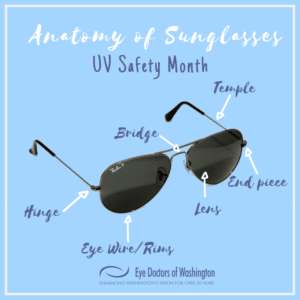
Look for UV400 or 100% UV on the label, then verify with a UV test.
If you’ve ever wondered how to tell if sunglasses have uv protection, you’re not alone. I’ve tested hundreds of pairs in optical shops and out in the field. In this guide, I’ll show you exactly how to tell if sunglasses have uv protection, which signs to trust, which myths to ignore, and the quick checks that work in real life. Read on to protect your eyes with confidence.

What UV protection really means
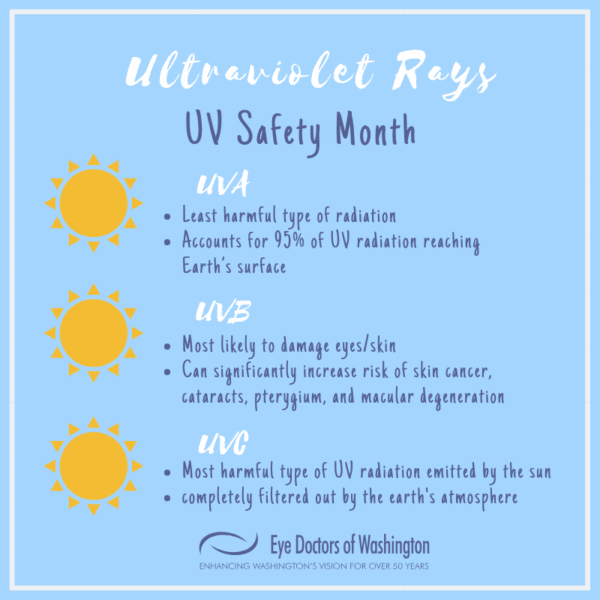
To understand how to tell if sunglasses have uv protection, start with what UV actually is. The sun gives off UVA and UVB. UVC is blocked by the ozone. UV400 means the lenses block all UV up to 400 nanometers, which covers both UVA and UVB.
Dark lenses do not mean safe lenses. Polarized lenses do not guarantee UV safety either. Polarized lenses cut glare from water, snow, and roads, but they do not block UV unless the lens also has UV protection. Mirror coatings and lens color are about glare and style, not UV.
Lens material matters. Polycarbonate and Trivex lenses block 99 to 100% of UV by design. Standard plastic (CR‑39) and most glass lenses need a UV coating to be safe. Modern photochromic lenses usually block 100% UV even when clear.
Simple in‑store checks that work
When you want a fast way to learn how to tell if sunglasses have uv protection in a store, use these steps.
- Check the label for the right words. Look for UV400 or 100% UV or blocks 99–100% of UVA and UVB. If it only says UV absorbing or UV filter with no numbers, be careful.
- Look for standards and marks. ISO 12312‑1, ANSI Z80.3, CE, or AS/NZS 1067 are solid signs. Note that CE is often self‑declared, so use it with other checks.
- Ask the seller for a UV reading. Many optical shops can test lenses in seconds. Some stores even keep a UV meter at the counter.
- Note the lens material. Polycarbonate or Trivex usually means full UV protection. Glass and basic plastic need a UV coating unless the maker states UV400.
- Inspect fit and coverage. Wraparound styles reduce side glare and stray UV. Gaps near your brow and temples let UV sneak in.
- Trust the retailer. Buy from an optical store, a brand’s official site, or a known seller. Counterfeits may copy the sticker but not the protection.
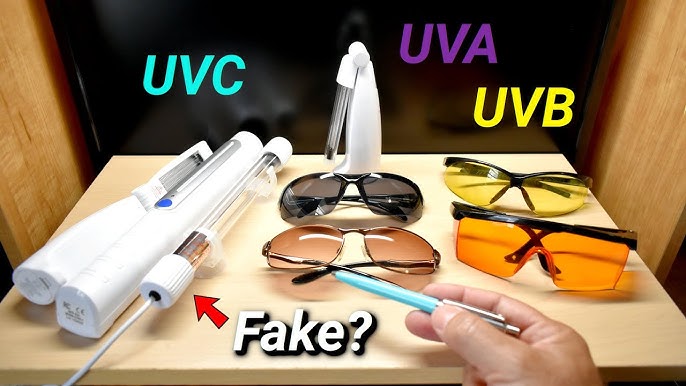
I often carry a small UV flashlight and a UV test card. If the store allows, I shine the light through the lens onto the card. A big drop in glow hints at UV blocking. It is not lab proof, but it is a useful quick screen.

Reliable at‑home tests (and myths to avoid)
If you need to know how to tell if sunglasses have uv protection at home, you still have options.
- Use a UV flashlight and a UV‑reactive item. A cheap 365–395 nm UV light and a UV test card, UV beads, some driver’s licenses, or currency security features will glow under UV. Shine the UV light onto the item, with and without the lens in the path. If the glow drops a lot with the lens in place, that lens likely blocks near‑UV.
- Visit a local optician. Many will check UV protection for free or a small fee and give you a reading.
- Re‑check older pairs. Coatings can wear, and cheap lenses can degrade in heat. If your sunglasses are a few years old, get them tested.
Myths to skip:
- Darker is safer. False. Darkness is about visible light, not UV.
- Polarized means UV safe. False. Polarization reduces glare only.
- The phone camera trick proves UV blocking. False. Phones do not measure UV. The remote control test checks IR, not UV.
- A mirror finish guarantees UV protection. False. Mirrors reflect visible light. UV safety needs a UV‑blocking lens or coating.
Professional testing and standards to look for
If you want a bulletproof way for how to tell if sunglasses have uv protection, ask for a meter test. Opticians use a UV meter or a spectrophotometer to measure how much UV passes through a lens. Good lenses will show 99–100% UV block or a pass for UV400.
Standards that inspire trust:
- ISO 12312‑1 Sunglasses and related eyewear. Newer versions tighten UV limits toward 400 nm.
- ANSI Z80.3 in the US, which sets optical and UV requirements for non‑prescription sunglasses.
- AS/NZS 1067 in Australia and New Zealand, with categories for visible light and strict UV rules.
- CE mark in the EU indicating compliance with PPE rules. It is helpful, but combine it with other proof.
For prescription wearers, ask your optician for UV‑blocking materials like polycarbonate or Trivex, or add a UV coating to CR‑39 or glass lenses. Note that anti‑reflective coatings reduce glare but do not add UV protection by themselves.
Buying guide: picking safe UV sunglasses
Here is a simple plan for how to tell if sunglasses have uv protection and buy the right pair.
- Start with the must‑have. UV400 or 100% UV on the label or data sheet.
- Check for credible standards. ISO 12312‑1, ANSI Z80.3, or AS/NZS 1067 on tags or packaging.
- Choose the right material. Polycarbonate or Trivex are safe bets for UV and impact resistance.
- Match lens tint to your activity. Gray for true color, brown or copper for contrast, and amber for low light. Remember, tint does not equal UV protection.
- Pick the right frame. Wraparound or larger lenses reduce side UV. A snug fit helps keep light out.
- Verify the seller. Buy from optical shops, brand sites, or trusted stores. Keep the receipt and packaging.
- Read the return policy. If tests later show poor UV, you can return them.
Red flags:
- Vague labels like UV filter without numbers.
- Only a flimsy sticker with no box, no standard, and no brand info.
- The deal is too good to be true, or the brand markings look off.
- The seller cannot answer basic questions about UV or standards.
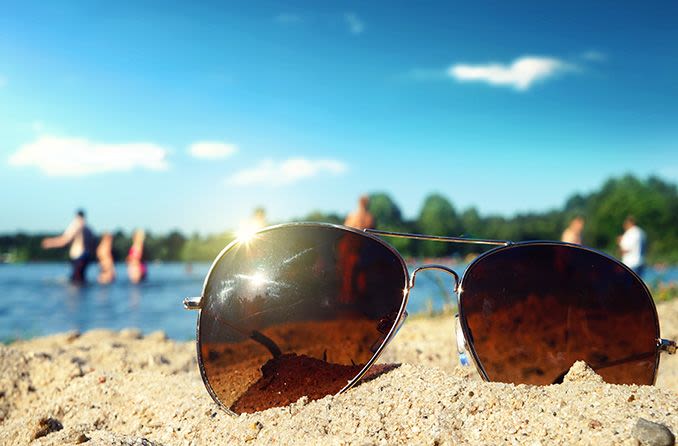
Care, lifespan, and when to replace
Knowing how to tell if sunglasses have uv protection also means knowing how to keep that protection working.
- Clean with mild soap and water. Dry with a soft cloth. Avoid harsh cleaners and paper towels.
- Do not leave sunglasses on a car dash. Heat can warp lenses and damage coatings.
- Store them in a case. Scratches and coating peel can reduce clarity and coverage.
- Re‑test or replace every couple of years, sooner if you see peeling, clouding, or deep scratches.
- Check kids’ sunglasses often. Children get more sun time, so their lenses need to be in top shape.

Personal field notes: what I’ve seen go wrong
From years of testing, here is how to tell if sunglasses have uv protection the honest way. I once tested a nice‑looking fashion pair that cost a lot. The UV meter showed poor blocking, even though the lenses were very dark. The buyer thought dark meant safe. It did not.
On the flip side, a simple drugstore pair with clear polycarbonate lenses tested at 100% UV block. I have also seen lenses left in hot cars lose coatings over time. That is why I always check with a UV meter, and I keep a small UV flashlight and test card in my bag for quick screens. These small habits save eyes.
Frequently Asked Questions of how to tell if sunglasses have uv protection
Is UV400 the same as 100% UV protection?
Yes, UV400 means the lenses block all UV up to 400 nm, which covers UVA and UVB. Many brands also write 100% UV to make it easy to read.
Do polarized sunglasses protect from UV?
Not by default. Polarization cuts glare, but the lens needs UV blocking to protect your eyes.
Can clear lenses have UV protection?
Yes. Polycarbonate and Trivex clear lenses block UV. Many clear prescription and photochromic lenses also block 100% UV.
Does price guarantee UV protection?
No. Some pricey fashion pairs fail UV tests, while some budget polycarbonate lenses pass. Always check labels and ask for a UV reading.
How often should I replace sunglasses for UV safety?
If they are well‑made and cared for, you can keep them for years. Re‑test every couple of years, or replace sooner if coatings peel or lenses are badly scratched.
Do children need UV sunglasses?
Yes, even more than adults. Kids get higher UV exposure, so pick UV400 lenses with good coverage and a secure fit.
Can I trust the CE mark on its own?
It helps, but it is often self‑declared. Pair it with UV400 labeling and, if possible, a quick UV meter test.
Conclusion
You now know how to tell if sunglasses have uv protection with confidence. Look for UV400 or 100% UV on labels, verify with a trusted standard, and, when you can, get a quick UV meter reading. Dark or polarized lenses are not enough on their own.
Make your next pair count. Check the tag, ask the seller, and test when possible. Your eyes only get one lifetime. If this helped, share it with a friend who is shopping for shades, and subscribe for more clear, real‑world eye care tips.
Related Posts

Rubel Miah is the Senior Editor at MyStyleGrid.com, where he brings a sharp editorial eye and an unshakable love for fashion to everything he does. A true style addict, Rubel lives and breathes trends, from streetwear to high fashion, and has a knack for turning inspiration into impactful stories. With years of experience in fashion journalism and digital media, he curates content that empowers readers to express themselves through style. When he’s not editing features or forecasting the next big thing, you’ll find him hunting down vintage pieces or capturing street style moments around the city.