Ankle high boots are usually called ankle boots or booties, depending on their height and design.
The name can change by region, retailer, and boot shape. In the United States, “ankle boots” is the broad term, while “booties” often describes shorter styles that sit at or just below the ankle. This guide explains what are ankle high boots called, how the names differ, and how to choose the right pair.

What Are Ankle High Boots Called?
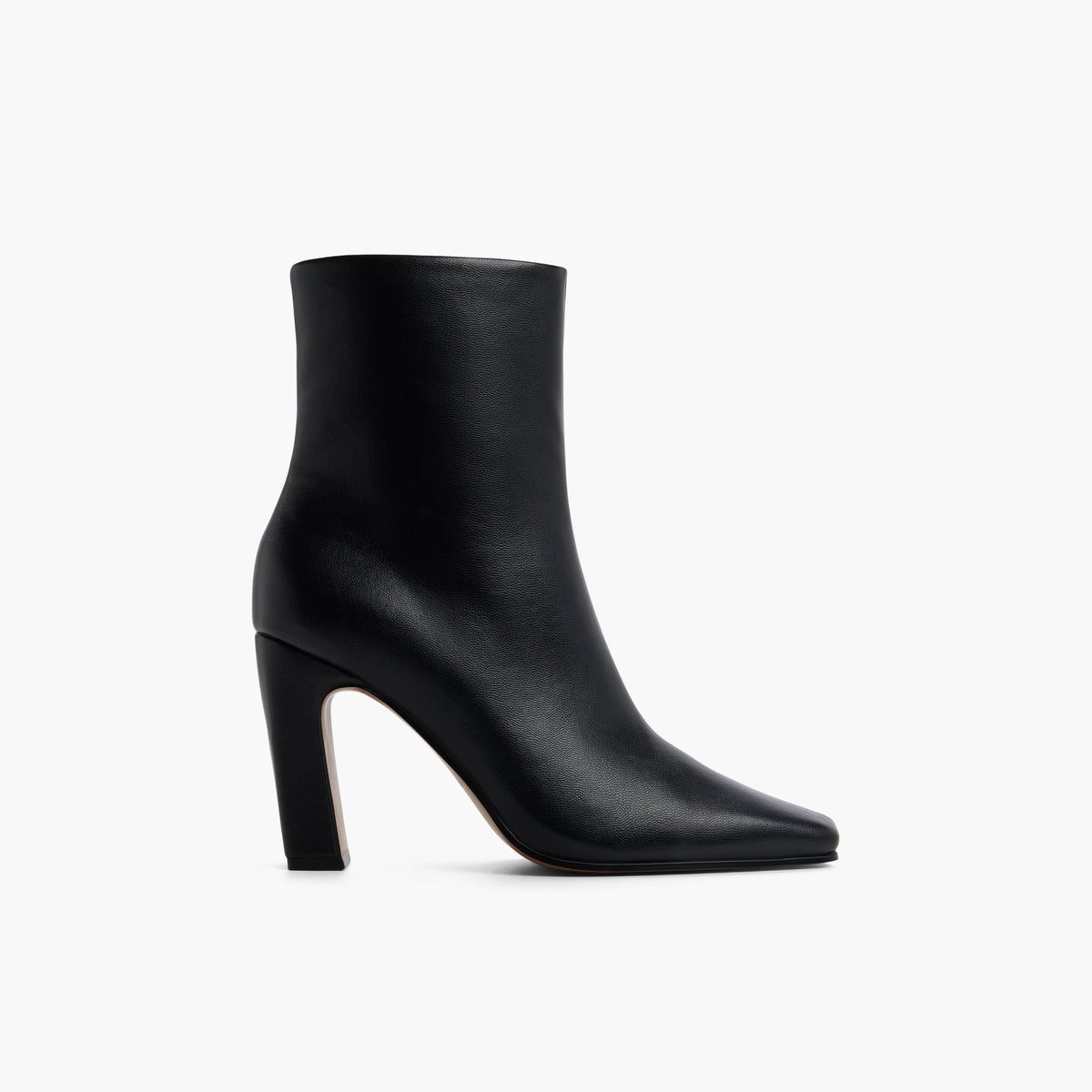
The most common name is ankle boots. These boots cover the foot and rise to the ankle or slightly above it. They may have a heel, flat sole, pointed toe, round toe, zipper, laces, or pull-on design.
Many American shoppers and stores also use the word booties. Booties often have a shorter shaft and a lighter, more fashion-focused shape. However, the two terms overlap, so the same pair may appear under both names.
When people ask what are ankle high boots called, they usually mean one of these terms:
• Ankle boots: The standard, general name for boots that reach the ankle.
• Booties: A common fashion term for short boots that cover the foot and end near the ankle.
• Ankle booties: A more specific retail term that combines both names.
• Low boots: A less common term for boots with a short shaft.
• Short boots: A broad description used by some stores and brands.
The exact name does not always tell you everything about the boot. Details such as shaft height, heel type, toe shape, and closure often matter more when you are shopping.
Ankle Boots vs. Booties: Is There a Difference?
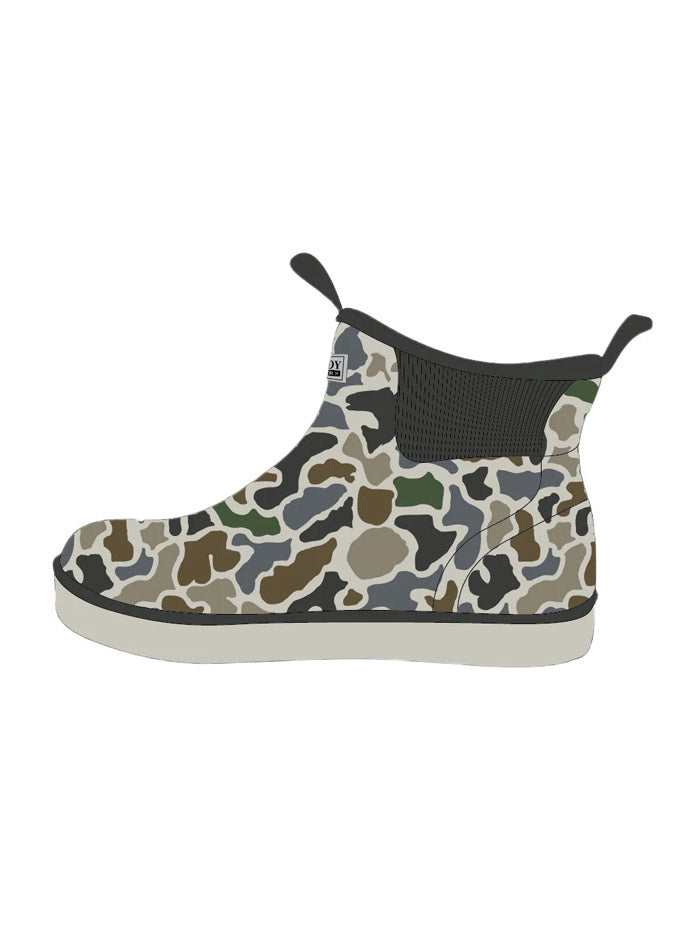
Ankle boots and booties are closely related, but there can be a small difference in height and style. Ankle boots usually reach the ankle bone or extend slightly above it. Booties may stop below the ankle bone, sit directly at the ankle, or have a compact shape that looks more like a shoe.
The difference is not fixed. Shoe brands use these labels in different ways. One brand may call a pair “ankle boots,” while another lists a nearly identical pair as “booties.”
A simple guide is:
• Ankle boots usually have a taller shaft.
• Booties often have a shorter shaft and a more streamlined look.
• Both styles can be flat, heeled, lace-up, or slip-on.
• Both styles can be made from leather, suede, synthetic material, or fabric.
• Both styles work with jeans, trousers, skirts, and dresses.
In my experience helping people compare footwear styles, the shaft height causes the most confusion. A boot that ends just below the ankle can make the leg look different from one that rises two inches higher, even when both are sold as ankle boots.
Popular Types of Ankle High Boots
Now that you know what are ankle high boots called, it helps to learn the names of the main styles. Each style has a distinct shape, fit, and use.
Chelsea Boots
Chelsea boots have elastic side panels and a pull tab. They do not use laces. Their clean shape makes them easy to wear with jeans, chinos, office clothes, and casual dresses.
A Chelsea boot usually has a low to medium shaft. It is one of the easiest ankle boot styles to recognize.
Chukka Boots
Chukka boots are low lace-up boots with two or three pairs of eyelets. They often have suede or leather uppers and a simple, rounded shape.
Chukkas are usually casual or smart casual. They pair well with denim, cords, chinos, and lightweight jackets.
Desert Boots
Desert boots are a type of chukka boot. They often use soft suede and a crepe-style rubber sole. Their flexible feel makes them comfortable for everyday wear.
They may not look as dressy as leather ankle boots, but they are useful for casual outfits and mild weather.
Sock Boots
Sock boots have a close, stretchy shaft that hugs the ankle and lower leg. The upper may use knit fabric, elastic textile, or another flexible material.
This style creates a smooth line under pants and looks modern with skirts or dresses. The snug fit may not suit people who prefer extra room around the ankle.
Western Ankle Boots
Western ankle boots borrow details from cowboy boots. They may include a pointed toe, slanted heel, decorative stitching, or pull tabs.
These boots can add character to a simple outfit. They work well with straight-leg jeans, denim skirts, casual dresses, and western-inspired clothing.
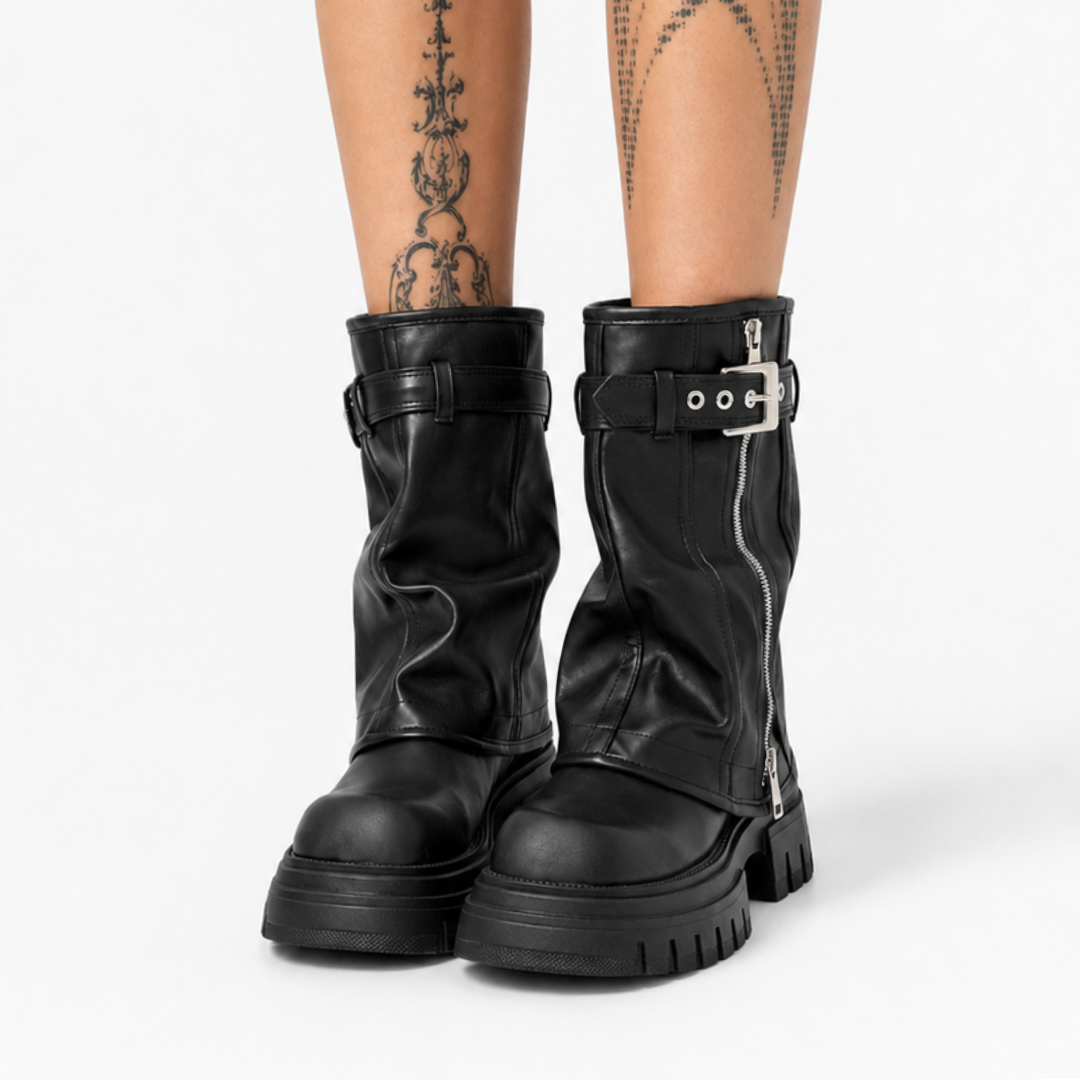
Combat and Lug-Sole Boots
Combat boots often have laces, a sturdy sole, and a stronger outdoor look. Lug-sole ankle boots use deep grooves in the outsole for traction and visual weight.
They can feel more stable on wet sidewalks and uneven ground. Their thick sole may also make them heavier than dress ankle boots.
Heeled Ankle Boots
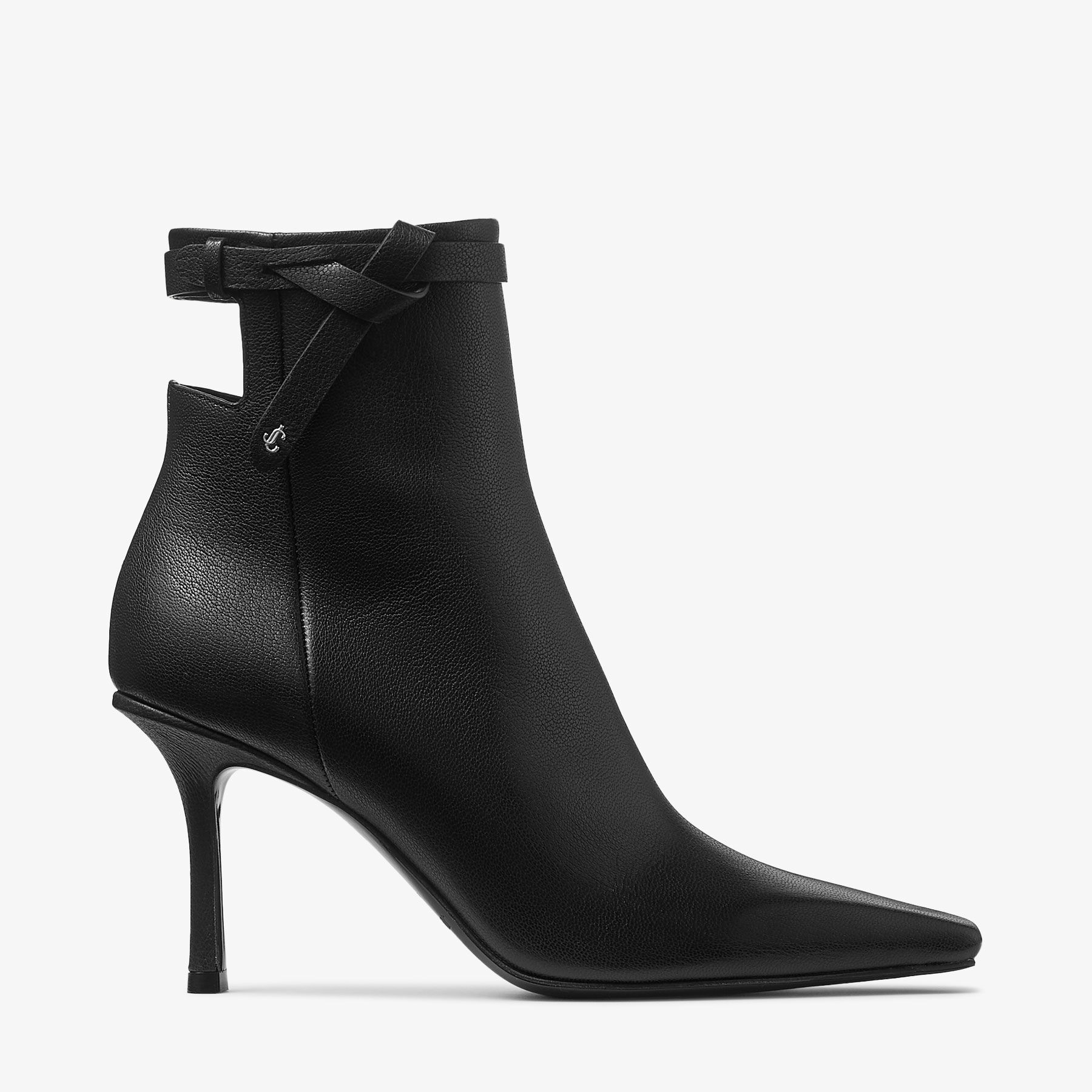
Heeled ankle boots may have block heels, stilettos, wedges, or stacked heels. They can make an outfit look polished while providing more coverage than pumps.
A block heel is often easier to walk in than a narrow heel. For daily use, heel height and sole grip matter more than appearance alone.
Shooties
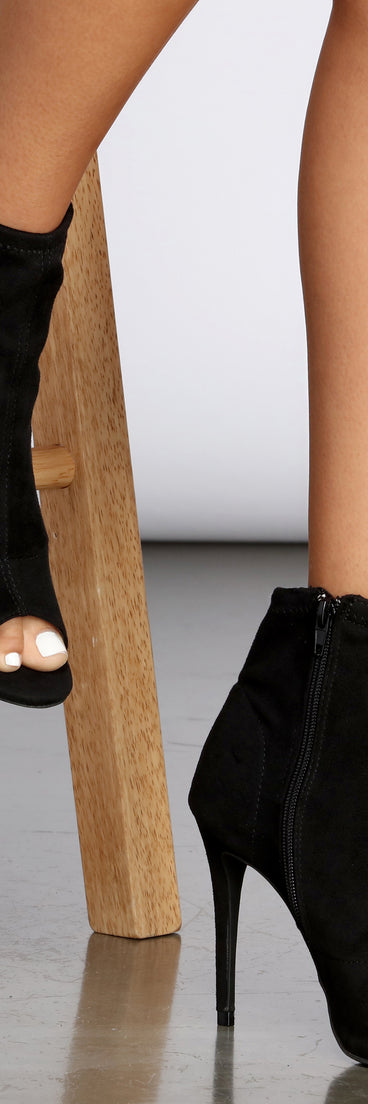
Shooties combine the shape of a shoe with the coverage of a short boot. They often show more of the top of the foot and may have open sides or a lower shaft.
The name is less common than ankle boots, but it can appear in fashion catalogs and online stores.
How Ankle Boots Differ From Other Boots
Understanding the height of the shaft makes footwear terms easier to follow. The shaft is the part of the boot that rises above the foot.
• Ankle boots end at or near the ankle.
• Mid-calf boots rise several inches above the ankle.
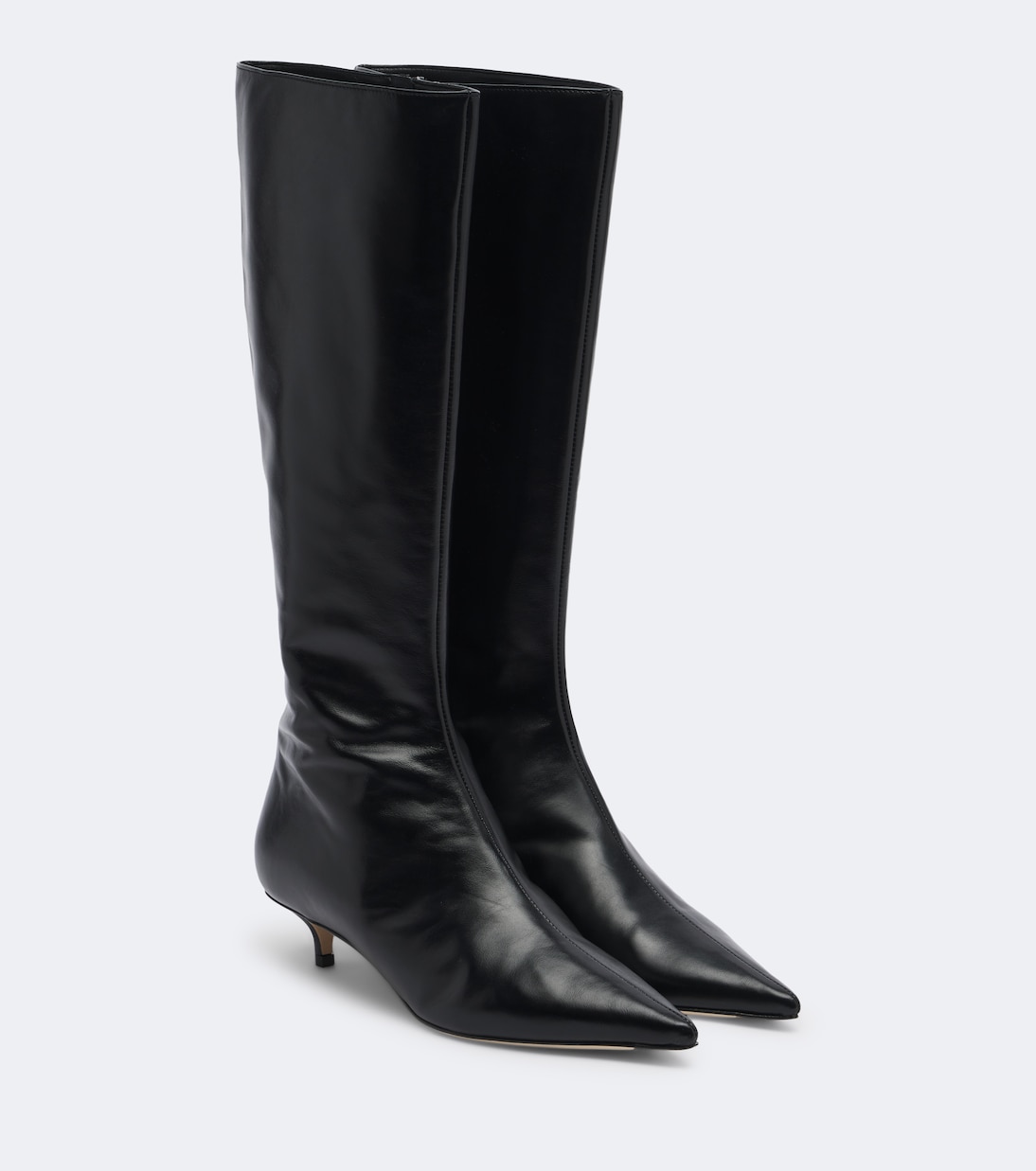
• Knee-high boots reach toward the knee.
• Over-the-knee boots extend above the knee.
• Booties usually have a shorter shaft than many traditional ankle boots.
Ankle high boots are also different from shoes. Shoes generally stop below the ankle bone, while ankle boots provide fabric or leather coverage around the ankle.
The boundary is not always exact. A high-cut shoe may look like a bootie, and a very low ankle boot may resemble a shoe. Retail labels are useful, but measurements give a more reliable answer.

Why Do People Wear Ankle High Boots?
Ankle boots are popular because they sit between shoes and taller boots. They offer more coverage than sneakers or loafers without the bulk of knee-high footwear.
Common benefits include:
• Versatility: Ankle boots work with casual, work, and dressy outfits.
• Seasonal use: They suit fall, winter, and spring in many climates.
• Easy styling: They pair with jeans, trousers, dresses, skirts, and leggings.
• Foot coverage: They protect more of the foot and ankle than standard shoes.
• Variety: Shoppers can choose from flat, heeled, waterproof, insulated, and lightweight designs.
• Visual balance: A well-shaped boot can anchor an outfit without covering the whole leg.
There are limits, too. Some ankle boots rub the ankle bone, trap heat, or make pants bunch up at the hem. A stiff shaft can feel uncomfortable until the material softens.
How to Choose the Right Ankle Boots
The best pair depends on your foot shape, daily use, weather, and clothing. Do not choose only by color or trend.
Check the Fit
Your heel should stay mostly in place when you walk. A small amount of movement is normal in new leather boots, but excessive slipping can cause blisters.
Your toes should have room to move. They should not press against the front or feel squeezed from the sides.
Check these points:
• Try boots on with the socks you plan to wear.
• Walk on a hard surface for several minutes.
• Check whether the shaft presses on your ankle bone.
• Make sure the instep does not feel tight.
• Leave enough room for natural foot swelling later in the day.
Consider the Heel
A low heel or flat sole usually suits walking and daily errands. A block heel offers height with more support than a thin heel.
High heels can look elegant, but they may cause more pressure on the ball of the foot. For long workdays, choose cushioning, a stable heel, and a sole with good grip.
Choose the Right Material
Leather can mold to the foot over time and often lasts for years with proper care. Suede feels soft but needs protection from water and stains.
Synthetic materials can cost less and may offer easy cleaning. Their breathability and durability vary, so check the product details instead of assuming all synthetic boots perform the same way.
Match the Boot to the Weather
For rain or snow, look for sealed seams, water-resistant materials, warm lining, and a slip-resistant outsole. Fashion ankle boots may not provide enough protection for severe weather.
A smooth leather sole can slide on wet pavement. Deep tread is often a better choice for rain, leaves, or light snow.
How to Style Ankle High Boots
Ankle boots can change the mood of an outfit with small details. A pointed toe and narrow heel look refined, while a lug sole feels casual and bold.
Try these outfit ideas:
• Wear black ankle boots with dark jeans and a simple sweater.
• Pair brown leather boots with blue denim and a casual button-down shirt.
• Match Chelsea boots with cropped trousers for a clean office look.
• Wear heeled booties with a midi dress for a balanced silhouette.
• Style Western ankle boots with straight-leg jeans or a denim skirt.
• Use lug-sole boots with leggings, an oversized sweater, and a long coat.
Pant length matters. Straight or cropped pants may show the boot clearly. Skinny jeans can tuck into the boot, while wide-leg pants often fall over the shaft.
One mistake I often see is choosing a boot with a shaft that fights the pant hem. If fabric bunches at the ankle, try a shorter boot, a wider opening, or a different pant cut.

Common Mistakes to Avoid
Knowing what are ankle high boots called is helpful, but the label alone cannot guarantee comfort or quality. Look beyond the product name.
Avoid these common mistakes:
• Buying a narrow toe box because it looks sleek.
• Wearing new boots all day before breaking them in.
• Ignoring the outsole when you need traction.
• Choosing suede for wet weather without protection.
• Wearing thick socks in boots with no extra space.
• Assuming a higher heel is always more stylish.
• Focusing on brand names instead of construction and fit.
Break in new boots slowly. Wear them at home for short periods first. If you feel sharp pain, numbness, or repeated rubbing, stop wearing them and reassess the fit.
A useful personal lesson is that comfort rarely improves when a boot is already painfully tight. Leather may soften, but it does not usually create a full extra shoe size.
How to Care for Ankle Boots
Good care helps ankle boots keep their shape and appearance. The correct method depends on the material.
Leather Boots
Remove dirt with a soft brush or cloth. Apply a leather conditioner when the surface looks dry, and use a suitable protector if the manufacturer allows it.
Do not dry wet leather directly beside a heater. High heat can make leather stiff, cracked, or misshapen.
Suede Boots
Use a suede brush to lift dirt and restore the nap. Apply a suede protector before regular use, and treat stains with a product made for suede.
Avoid soaking suede. If it becomes wet, let it dry naturally and brush it only after it is fully dry.
Storage
Store boots in a cool, dry place. Use boot trees or clean paper to help preserve the shape, especially in the shaft.
Keep pairs away from direct sunlight and damp closets. Proper storage can prevent odors, creases, and material damage.
Frequently Asked Questions About What Are Ankle High Boots Called
What are ankle high boots called in the United States?
They are most often called ankle boots or booties. “Ankle boots” is the broader and more standard term, while “booties” often describes shorter fashion styles.
Are booties and ankle boots the same thing?
They are often used as synonyms, but booties may have a shorter shaft. The difference is not standardized, so check the boot’s actual height and shape.
What is the difference between ankle boots and short boots?
Ankle boots specifically end near the ankle. “Short boots” is a broader phrase that can include ankle boots, chukkas, booties, and some low mid-calf styles.
Are Chelsea boots ankle boots?
Yes. Chelsea boots are a type of ankle boot with elastic side panels and no laces. Their shaft usually reaches the ankle or sits slightly above it.
Can you wear ankle boots in winter?
You can wear them in winter if they have insulation, water resistance, and a grippy outsole. Fashion boots with smooth soles or thin materials may not protect your feet in cold, wet conditions.
Do ankle boots make legs look shorter?
They can, especially when the boot color strongly contrasts with the skin or pants. Matching the boot and pants color, choosing a lower shaft, or wearing a heel can create a longer visual line.
What should you wear with ankle boots?
Ankle boots work with jeans, trousers, skirts, dresses, and leggings. The best pairing depends on the boot’s shape, color, shaft height, and heel.
Conclusion
Ankle high boots are usually called ankle boots, while booties describe many shorter versions. Other names, such as Chelsea boots, chukkas, sock boots, shooties, and Western ankle boots, describe specific designs within the same general category.
When choosing a pair, focus on fit, shaft height, material, heel stability, weather needs, and sole grip. Use the name as a starting point, then inspect the actual shape and construction. Explore different ankle boot styles, try them with your everyday clothes, and choose the pair that feels as good as it looks.

Rubel Miah is the Senior Editor at MyStyleGrid.com, where he brings a sharp editorial eye and an unshakable love for fashion to everything he does. A true style addict, Rubel lives and breathes trends, from streetwear to high fashion, and has a knack for turning inspiration into impactful stories. With years of experience in fashion journalism and digital media, he curates content that empowers readers to express themselves through style. When he’s not editing features or forecasting the next big thing, you’ll find him hunting down vintage pieces or capturing street style moments around the city.