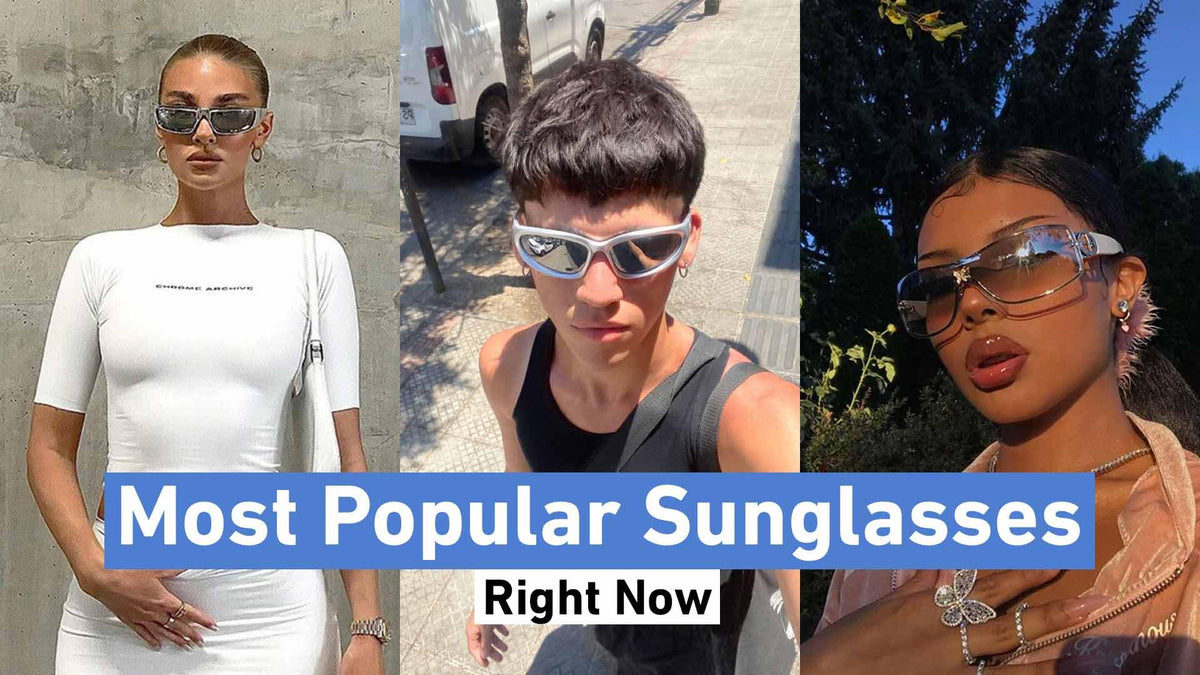
The trendiest sunglasses right now are slim oval frames, bold wraparounds, sporty shields, and modern aviators in fresh colors.
What are the trendiest sunglasses right now? The answer goes beyond one frame shape. Current eyewear blends retro style, sport-inspired design, strong sun protection, and personal comfort. After comparing major runway trends, street style, optical collections, and everyday wear, I found that the best choices balance fashion with fit, lens quality, and face shape. This guide will help you spot the styles worth buying and avoid sunglasses that look good online but feel wrong in real life.
What are the trendiest sunglasses right now?
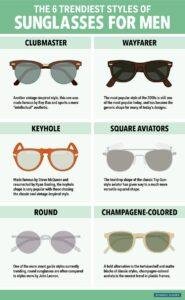
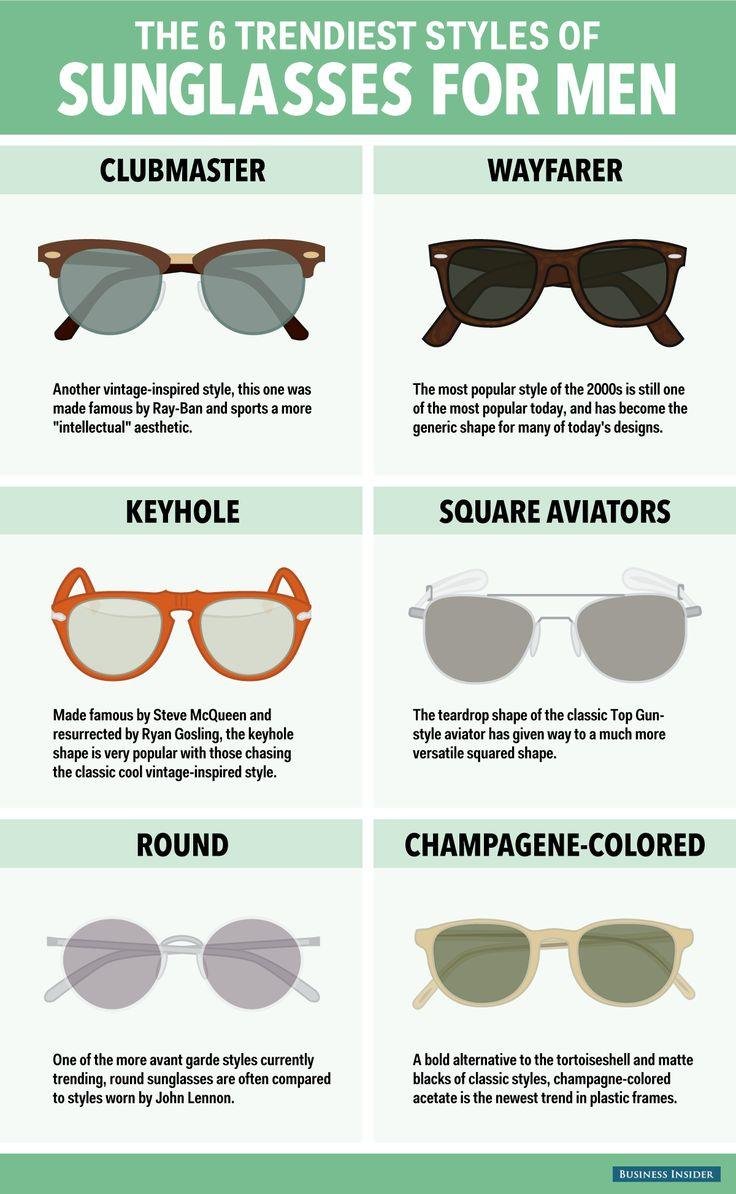
The trendiest sunglasses right now mix old-school shapes with a clean, modern finish. Designers are bringing back narrow oval frames, oversized sunglasses, aviators, and thick acetate styles. At the same time, sporty wraparound sunglasses and shield lenses remain popular because they feel active and future-focused.
Here are the leading trends:
• Slim oval sunglasses with a 1990s feel
• Oversized square and rounded frames
• Sporty wraparound sunglasses
• Shield sunglasses with one-piece lenses
• Updated aviator sunglasses
• Transparent and soft-color frames
• Bold black acetate frames
• Tinted lenses in brown, gray, yellow, blue, and rose
• Sustainable frames made with recycled or plant-based materials
The trendiest sunglasses right now are not always the most extreme pair in the store. A strong trend should also be easy to wear, comfortable for long periods, and suitable for your daily life.
For example, a narrow black oval frame can look sharp with denim and a blazer. A large brown acetate frame may feel warmer and more relaxed. A sporty shield frame works well for cycling, travel, and outdoor events, but it may feel too bold for a formal office.

The biggest sunglasses trends to know
Slim oval sunglasses
Slim oval sunglasses are one of the clearest fashion trends right now. They have a sleek shape that recalls the late 1990s and early 2000s. Many current versions use dark lenses, thin metal arms, or glossy black acetate.
This style works best if you want a sharp and polished look. It can also make a simple outfit feel more intentional. However, very narrow sunglasses provide less coverage than larger frames, so check that the lenses protect your eyes from the sides.
Slim oval sunglasses are often a good choice for:
• Small and medium-size faces
• Minimalist outfits
• Evening events and city wear
• People who like a narrow, fashion-forward look
Oversized sunglasses
Oversized sunglasses remain a strong choice because they combine glamour with useful coverage. Large square frames look bold and structured, while large rounded frames create a softer effect.
The best oversized sunglasses should not slide down your nose. Their arms should rest near your temples without pressing hard. The lower edge of the frame should also stay above your cheeks when you smile.
One mistake I often see is choosing oversized sunglasses only because the lenses look dramatic. Weight matters. Thick acetate can feel heavy after an hour, so look for lightweight materials, adjustable nose pads, or a frame that sits securely.
Wraparound and shield sunglasses
Sporty sunglasses have moved from the trail to everyday fashion. Wraparound sunglasses curve around the face and may use separate lenses. Shield sunglasses often use one large lens across the front.
These styles offer strong wind and sun coverage. They also suit people who like a bold, technical look. Many include rubber nose pieces and grippy temple tips, which help them stay in place during exercise.
The limitation is versatility. A mirrored shield lens may look excellent at a music festival but feel less natural with business clothing. If you want more flexibility, choose a black, gray, or brown lens with a smaller wrap.
Modern aviator sunglasses
Aviators remain popular because they have an easy, balanced shape. The classic teardrop lens is still available, but newer versions use squared lenses, double bridges, flat tops, and thicker rims.
Gold and silver metal frames create a traditional aviator look. Black metal, tortoiseshell acetate, and colored lenses make the style feel newer. Aviators can suit many face shapes, but the width must match your face.
A good rule is simple: the frame should be about as wide as your cheekbones. If the aviator extends far past your face, it may look loose. If it is too narrow, it can make your features look crowded.
Transparent and colored frames
Clear, gray, champagne, pink, and pale blue frames are growing in popularity. They feel light and modern, especially when paired with brown or gray lenses.
Transparent frames are useful if you want a statement without a heavy black border. They also blend well with casual clothing and work across different seasons.
Color can change the mood of a frame:
• Brown creates a warm, classic look
• Green feels natural and refined
• Blue looks cool and modern
• Pink adds a playful touch
• Amber creates a vintage effect
• Clear acetate gives a clean, minimal look

The trendiest sunglasses right now by face shape
Face shape can help you narrow your options, but it should not control every choice. Personal taste matters more than a strict style rule. Still, certain frame lines can create a pleasing balance.
Round face
Round faces often look balanced with angular sunglasses. Try square, rectangular, geometric, or flat-top frames. These shapes add structure and can make the face appear longer.
Avoid frames that are very round if you want contrast. You can still wear round sunglasses, but choose a larger size or a sharper brow line.
Oval face
Oval faces can wear many frame shapes. Aviators, square frames, cat-eye sunglasses, and rounded styles can all work well.
The main concern is scale. A frame that is too narrow may look small, while one that is too large may hide your features. Start with a frame close to the width of your cheekbones.
Square face
Soft, rounded frames can balance a strong jaw and broad forehead. Try round sunglasses, oval sunglasses, aviators, or curved oversized frames.
If you prefer angular sunglasses, look for smooth corners rather than sharp box shapes. This keeps the look modern without making the face appear too rigid.
Heart-shaped face
Heart-shaped faces are often wider at the forehead and narrower near the chin. Aviators, light-colored frames, and rounded sunglasses can help create visual balance.
Cat-eye sunglasses may also work well, but choose a style with a gentle lift rather than an extremely wide top edge.
Long face
Large sunglasses, deep lenses, and tall frames can add balance to a longer face. Oversized square frames and large aviators are strong options.
Very narrow sunglasses may make the face appear longer. If you like slim frames, choose one with a taller lens or a strong brow line.
How to choose the right lens color
Lens color affects both style and visual comfort. It does not replace proper ultraviolet protection, so always check the label for UV400 or 100 percent UVA and UVB protection.
Gray lenses
Gray lenses reduce brightness without changing colors much. They are a reliable choice for driving, walking, travel, and daily use.
Brown lenses
Brown and amber lenses can improve contrast in some outdoor settings. They also create a warm look that pairs well with tortoiseshell and gold frames.
Green lenses
Green lenses reduce glare while preserving fairly natural color. They have a classic feel and work well in aviators and metal frames.
Rose and pink lenses
Rose lenses offer a fashionable look and may make some environments feel brighter. They are popular in lifestyle sunglasses, but they may not be the best choice for every driving condition.
Blue lenses
Blue lenses are often chosen for their appearance. They can look striking with silver, clear, or black frames. Make sure the glasses come from a trusted brand with tested UV protection.
Mirrored lenses
Mirrored lenses reflect some light away from the eyes. They can be useful in bright outdoor settings, such as snow, water, or open trails.
A mirror coating can scratch more easily than a standard lens surface. Store mirrored sunglasses in a hard case and clean them with a soft microfiber cloth.
Fashion versus function: what really matters
The trendiest sunglasses right now should still protect your eyes. Style is important, but it is only one part of a smart purchase.
The American Academy of Ophthalmology recommends sunglasses that block 99 to 100 percent of UVA and UVB rays. This protection helps reduce exposure linked with eye damage, including cataracts and other long-term problems.
Look for these features:
• A clear UV400 or 100 percent UVA and UVB label
• Lenses that cover the eyes well
• A comfortable bridge that does not pinch
• Arms that do not squeeze the head
• Lenses without major distortion
• A durable case for storage
Polarized lenses can reduce glare from roads, water, and snow. They are especially useful for fishing, boating, hiking, and driving. However, polarization does not automatically mean full UV protection, so check for both features.
There are also limits to polarized lenses. Some digital screens may look darker or harder to read at certain angles. Pilots and people who use instrument displays should ask a professional before choosing polarized eyewear.

The best sunglasses for driving
Driving sunglasses should reduce glare and preserve clear vision. Gray, brown, and green lenses are usually practical choices because they maintain a fairly natural view.
Avoid very dark lenses at night or in low light. Sunglasses designed for bright daylight can reduce visibility when the sun is gone. Also avoid lenses with excessive mirror coatings if they create distracting reflections.
For daily driving, consider:
• Medium-size lenses with good side coverage
• A secure frame that will not slip
• A neutral gray or brown lens
• Polarization for glare, if suitable for your dashboard
• Thin arms that do not block side vision
A pair can look stylish and still be unsafe if it blurs your view. Test sunglasses in a store by looking across the room and checking straight lines. If the image bends, swims, or feels strange, choose another pair.

The best sunglasses for outdoor sports
Outdoor sports need stability, coverage, and impact resistance. The trendiest sunglasses right now include many sport-inspired designs, but not every fashion frame is suitable for intense activity.
For cycling, running, hiking, or beach sports, look for:
• Lightweight frames
• Rubber nose pads
• Grip on the temple tips
• Wraparound coverage
• Impact-resistant lenses
• Ventilation to reduce fog
Polycarbonate lenses are often used in sports eyewear because they are light and impact resistant. Still, no sunglasses should be treated as unbreakable. Follow the maker’s safety instructions and replace lenses that become cracked or badly scratched.
A personal lesson worth sharing is that comfort becomes more important as activity time increases. A frame may feel perfect for a 15-minute walk but become irritating during a three-hour hike. Test the nose bridge and ears before committing to a sport frame.

Are designer sunglasses worth the price?
Designer sunglasses can be worth the price when they offer better materials, stronger hinges, accurate fit, and reliable warranty service. The logo alone does not guarantee better protection or comfort.
Before buying, compare:
• UV protection
• Lens clarity
• Hinge quality
• Frame material
• Warranty coverage
• Repair options
• Return policy
A well-made frame may last for years with careful use. Yet a less expensive pair can also be excellent if it has certified UV protection and a comfortable fit.
Be careful with counterfeit sunglasses. They may look almost identical to authentic products but lack quality control and reliable UV testing. Buy from an authorized seller when possible, especially for prescription sunglasses.

Sustainable sunglasses and better buying habits
Many eyewear brands now offer frames made with recycled plastic, bio-based acetate, recycled metal, or reclaimed materials. These options can reduce the use of new resources, but “sustainable” is not a complete guarantee by itself.
Ask practical questions:
• What material is used?
• Can the frame be repaired?
• Is the packaging recyclable?
• Does the company offer replacement parts?
• Is the sustainability claim specific and measurable?
The most sustainable sunglasses are often the pair you will wear for a long time. A classic frame that survives several seasons may be a better choice than a cheap pair bought and discarded every few months.
Care also extends product life. Keep sunglasses in a case, rinse off sand before wiping, and never clean lenses with a shirt sleeve. Tiny grit can create scratches that no cleaner can remove.
Common mistakes to avoid when buying sunglasses
Shopping for sunglasses can feel simple, but small mistakes can affect comfort and safety.
Choosing style over fit
A beautiful frame is not useful if it pinches, slips, or leaves large gaps. Move your head, smile, and look down before buying. The sunglasses should stay in place without constant adjustment.
Ignoring lens quality
Dark lenses are not the same as protective lenses. A dark lens without UV protection can allow the pupil to open while harmful ultraviolet light still reaches the eye.
Buying the wrong size
Frame measurements often appear on the inside of the temple. They may show lens width, bridge width, and temple length. Compare these numbers with a pair that already fits well.
Forgetting prescription needs
If you need vision correction, ask whether the frame supports prescription lenses. Curved wraparound frames may require special lenses and can cost more.
Wearing scratched lenses
Scratches can scatter light and cause glare. They may also make your eyes feel tired. Replace badly scratched lenses instead of trying to polish them at home.
How to style the trendiest sunglasses right now
The trendiest sunglasses right now work best when they support the rest of your outfit. Think of them as punctuation. They can finish a look, but they should not compete with every other detail.
Try these combinations:
• Black oval sunglasses with a white shirt and straight-leg jeans
• Brown oversized sunglasses with a linen outfit
• Silver aviators with denim and a leather jacket
• Clear frames with soft neutral clothing
• Sporty shields with activewear and a simple cap
• Tortoiseshell frames with knitwear and warm earth tones
For a more polished result, match the frame color with one small detail, such as a belt buckle, watch, bag, or shoe. You do not need to match everything.
If your outfit already has bright colors or bold patterns, choose a simple frame. If your clothing is neutral, sunglasses can add the color or shape that brings the look to life.
How to shop for sunglasses online
Online shopping offers more choice, but it removes the chance to test the fit in person. Use product measurements and virtual try-on tools as guides, not final proof.
Before ordering:
-
Measure a pair of sunglasses that fits you well.
-
Check the lens width, bridge width, and temple length.
-
Read the UV protection details.
-
Review the return policy.
-
Look for photos from several angles.
-
Check whether the bridge suits your nose.
-
Confirm whether the frame supports prescription lenses.
A virtual try-on can show shape and color, but it cannot show weight, pressure, lens distortion, or grip. If you are between sizes, a retailer with free returns is the safer option.
Frequently asked questions about what are the trendiest sunglasses right now
What are the trendiest sunglasses right now for everyday wear?
Slim oval frames, medium-size aviators, oversized square sunglasses, and classic tortoiseshell styles are among the easiest to wear daily. Choose a neutral frame and lenses with full UVA and UVB protection for the most flexibility.
Are oversized sunglasses still in style?
Yes, oversized sunglasses remain stylish and useful because they offer strong coverage and a dramatic look. Choose a lightweight frame that does not slide or press against your cheeks.
What sunglasses make you look younger?
Softly rounded frames, warm tortoiseshell, clear acetate, and gentle brow lines can create a fresh appearance. The best choice depends on your face shape, skin tone, and personal style rather than age alone.
Are polarized sunglasses better?
Polarized sunglasses reduce reflected glare from surfaces such as water, roads, and snow. They are helpful outdoors, but polarization does not replace UV protection, so confirm that both features are listed.
What color sunglasses are most versatile?
Gray, brown, green, black, and tortoiseshell sunglasses are usually the most versatile. Gray offers a neutral view, while brown and tortoiseshell create a warmer style.
How should sunglasses fit your face?
Sunglasses should sit securely without pinching your nose, ears, or temples. The frame should stay close to your face, and your eyes should sit near the center of each lens.
Conclusion
The trendiest sunglasses right now include slim oval frames, oversized shapes, modern aviators, wraparound designs, shield lenses, and transparent or colorful frames. The best pair combines current style with proper UV protection, clear vision, comfort, and a size that suits your face.
Start by choosing the look that fits your daily routine. Then check the lens protection, frame measurements, and return policy before you buy. Explore trusted eyewear collections, test a few shapes, and share which sunglasses style you plan to wear this season.
Madison Clark is a footwear expert and the voice behind MyStyleGrid.com. She specializes in honest shoe reviews, style tips, and practical guides to help readers find the perfect pair for any occasion. With years of experience in blogging and content creation, Madison makes footwear knowledge simple, stylish, and easy to follow.