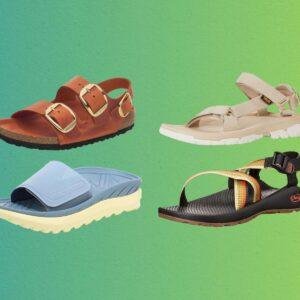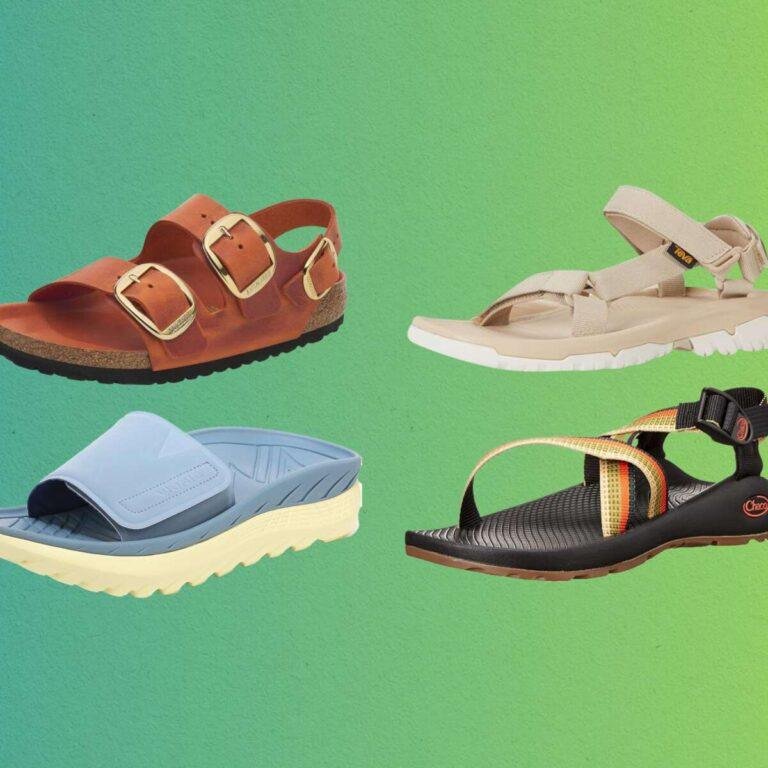
Vionic, Birkenstock, Naot, and Dansko make some of the best sandals for reliable arch support.
Finding what brand of sandals have the best arch support depends on your foot shape, walking habits, and comfort needs. After comparing footbeds, heel stability, cushioning, adjustability, and podiatry guidance, Vionic stands out for many people, while Birkenstock, Naot, Dansko, and OOFOS offer strong alternatives. This guide will help you choose support that feels good in real life, not just on a product page.
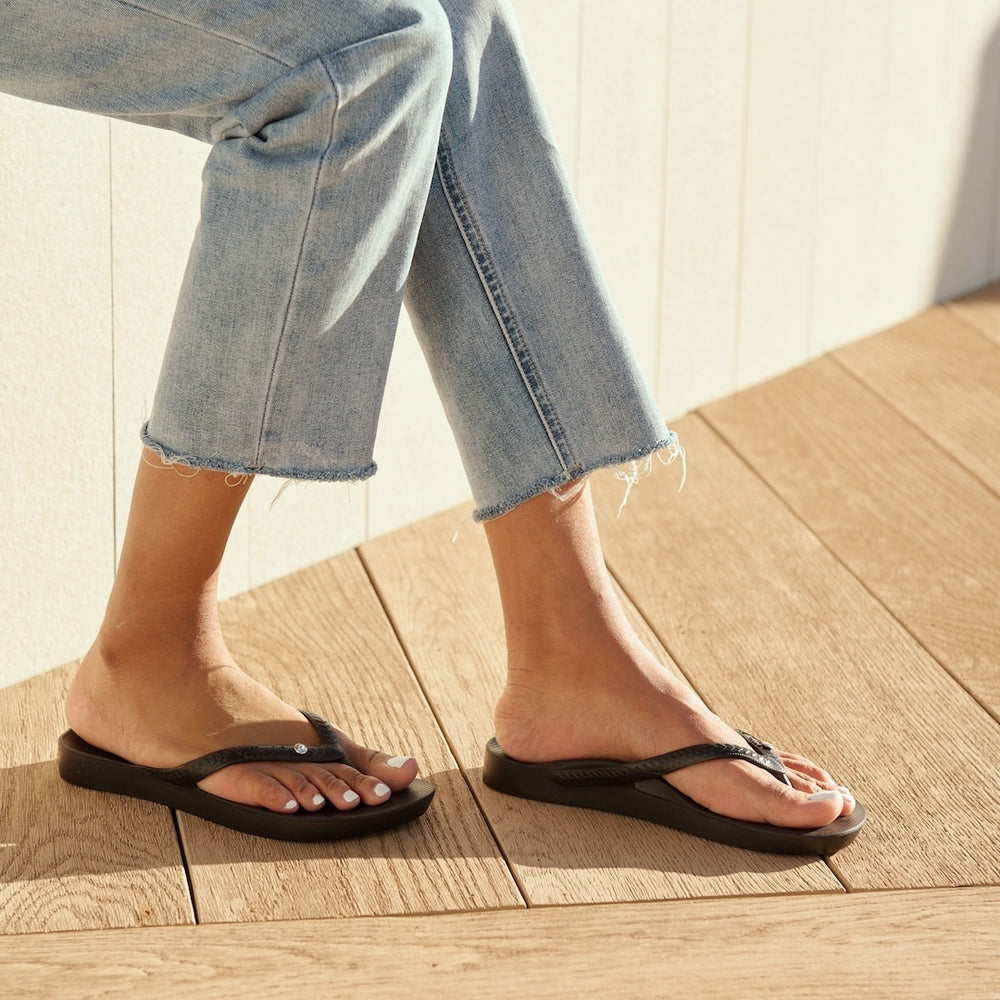
What brand of sandals have the best arch support?
For most shoppers, Vionic is the best overall brand for arch-support sandals. Its sandals use a contoured footbed, built-in arch support, heel cushioning, and a stable sole. Many Vionic styles also carry recognition from professional foot-care organizations, although approval can vary by model and product year.
Birkenstock is another excellent choice. Its cork-latex footbed supports the heel, arch, and ball of the foot. The footbed feels firm at first, but it often becomes more comfortable as it molds to your feet.
Naot and Dansko are strong picks for people who want supportive sandals with a dressier look. OOFOS is better for soft recovery cushioning than for a firm, traditional arch brace.
Here is a simple comparison:
| Brand | Best for | Arch support feel | Cushioning | Main limitation |
|---|---|---|---|---|
| Vionic | Everyday support and plantar comfort | Moderate to firm | Moderate | Some styles feel stiff |
| Birkenstock | Natural footbed support | Firm | Low to moderate | Needs a break-in period |
| Naot | Stylish comfort | Moderate | Moderate | Higher price |
| Dansko | Work and long standing | Firm and stable | Moderate | Can feel bulky |
| OOFOS | Recovery and shock absorption | Soft and molded | High | Less ideal for firm support needs |
| Clarks | Casual, adjustable comfort | Mild to moderate | Moderate | Support differs by style |
The best answer to what brand of sandals have the best arch support is not the same for every foot. A flat foot may need a different shape from a high arch. A wide foot may also need more room than a narrow foot.
Why arch support matters in sandals
Your arch helps spread pressure as you stand and walk. It works with the heel, ankle, toes, and lower leg to help your body move with less strain. A sandal with no structure can allow your foot to roll inward or place too much pressure on the heel.
Good arch support does not mean a sandal must have a tall bump in the middle. The support should meet your arch in the right place. If the bump feels sharp, too far forward, or too far back, the sandal may cause more discomfort than relief.
Supportive sandals can help with:
• Better pressure distribution under the foot
• A more stable step
• Reduced foot fatigue during walking
• Improved comfort while standing
• Less movement inside the sandal
• Better control for people who overpronate
Still, sandals are not a cure for every foot problem. Persistent heel pain, swelling, numbness, or sharp pain deserves an evaluation by a podiatrist or other qualified health professional.
From testing many types of casual footwear, I have learned that comfort is often about balance. A sandal needs support, but it also needs the right width, flexible straps, and enough room for natural toe movement. A strong arch with a poor fit is like a firm chair with the wrong height: it may look supportive but still feel wrong.
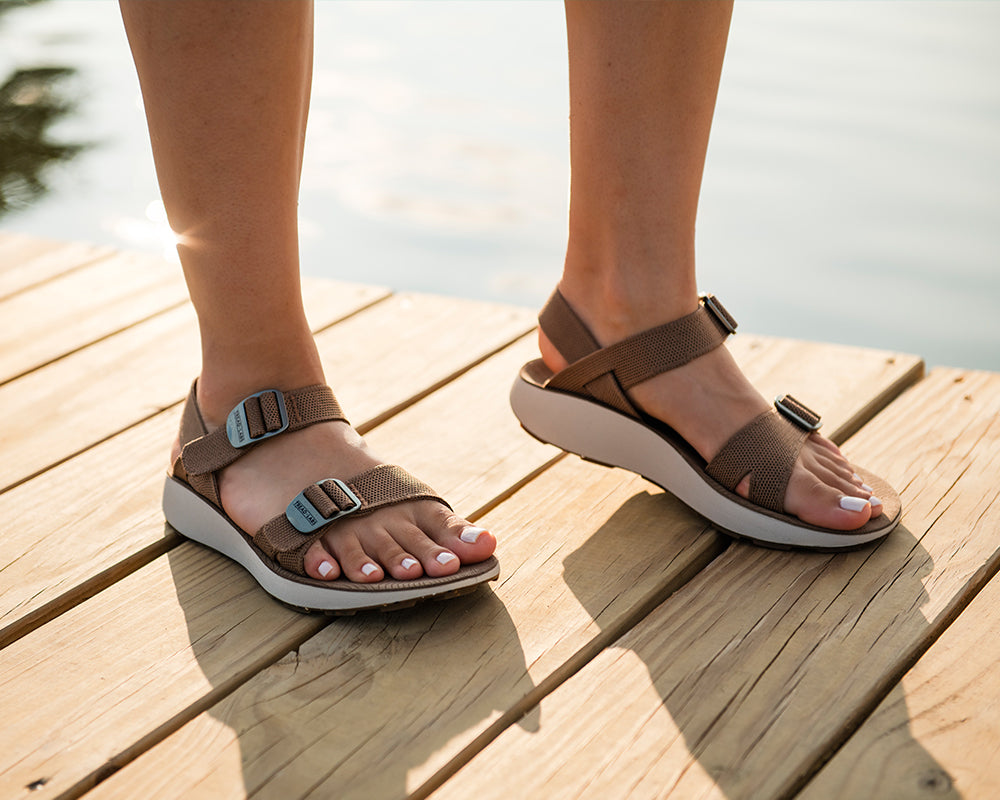
The best arch-support sandal brands
Vionic
Vionic is often the first brand I suggest when someone asks what brand of sandals have the best arch support. The brand focuses on biomechanical comfort and builds support into many of its sandals rather than adding a removable insert.
Vionic sandals usually offer:
• A contoured footbed
• A defined arch area
• Heel cushioning
• Adjustable straps
• A stable outsole
The brand has options for casual wear, walking, travel, and dressier outfits. Its sandals may suit people with mild overpronation, tired feet, or recurring discomfort from flat shoes.
The main drawback is the firm feel. Someone used to soft foam sandals may need several short wears before a Vionic footbed feels natural. Start with 30 to 60 minutes at home instead of wearing a new pair for a full day.
Birkenstock
Birkenstock sandals use a signature footbed made with layers such as cork, latex, suede, and other materials, depending on the model. The shape supports the heel cup, arch, metatarsal area, and toes.
The footbed is firm and structured. That makes Birkenstock a good option for people who prefer a stable base instead of a soft, sinking feel.
Birkenstock sandals are especially useful for:
• Everyday walking
• Casual travel
• People who like a roomy toe area
• Wearers who prefer firm arch support
• Those who want a footbed that changes with wear
The break-in period is the key limitation. New Birkenstocks can feel hard under the arch. They should not cause sharp pain or numbness, though. If they do, the shape may not suit your foot.
Naot
Naot combines contoured footbeds with a more polished design. Many sandals include a removable footbed, which can be helpful if you use custom orthotics or want the option to replace the insole.
Naot sandals often provide:
• Moderate arch support
• Good heel cushioning
• A roomy forefoot
• Adjustable straps
• Dressier leather designs
Naot can be a smart choice for work, dinners, and travel when you want more style than a typical recovery sandal. It also tends to feel less rigid than Birkenstock.
The main concern is cost. Naot sandals often cost more than basic comfort brands, but their construction and replaceable footbeds may improve long-term value.
Dansko
Dansko is known for stable footwear designed for people who spend long hours on their feet. Its sandals often have a firm footbed, a supportive heel area, and a durable outsole.
Dansko may work well for:
• Nurses and other standing professionals
• Teachers and retail workers
• People who want a stable platform
• Wearers who prefer a firm sole
• Those who need a sandal with a secure upper
Dansko sandals can feel heavier than minimalist styles. Some models also have a raised platform or rocker shape, so they may take time to feel natural. Always walk on a level surface before wearing them for a long shift.
OOFOS
OOFOS sandals use a soft foam material designed to absorb impact and provide a molded feel. They are popular for post-workout recovery, casual errands, and days when your feet feel worn out.
OOFOS may be useful when you want:
• Soft underfoot cushioning
• A lightweight sandal
• Shock absorption
• Easy recovery footwear
• A simple slip-on design
The arch support feels softer and less structured than the support in Vionic or Birkenstock. That makes OOFOS comfortable for many people, but not always the best choice for someone who needs firm control.
Clarks
Clarks makes many sandal styles, so support varies from one model to another. Look for designs with an adjustable ankle strap, a contoured footbed, a stable heel, and enough room across the toes.
Clarks is a good choice for shoppers who want:
• A familiar casual style
• Moderate cushioning
• Adjustable straps
• A lower price than some specialty comfort brands
Do not assume every Clarks sandal has strong arch support. Check the specific footbed and return policy. The brand offers both supportive sandals and fashion-first styles with little structure.

How to choose sandals with good arch support
Knowing what brand of sandals have the best arch support is helpful, but the model and fit matter just as much as the brand. Use this checklist before buying.
Check the arch shape
Place the sandal on a flat surface and look at the footbed. A useful arch area should follow the natural curve of your foot. It should not feel like a hard lump pressing into one small spot.
When you try it on, ask:
• Does the arch sit under the middle of your arch?
• Does it support without causing pressure?
• Does your heel stay centered?
• Can you walk without gripping with your toes?
Look for adjustable straps
Adjustable straps help hold your foot in place. They also let you change the fit if your feet swell during heat, travel, or long periods of standing.
A good sandal should hold the foot without squeezing it. Straps that are too loose allow sliding. Straps that are too tight may create hot spots and rubbing.
Test the sole
A supportive sandal should not twist easily from side to side. It should have enough flexibility at the toes, but the middle of the sandal should remain stable.
Try this simple test:
-
Hold the sandal at both ends.
-
Twist it gently.
-
Bend it near the toe area.
-
Check whether the heel and midfoot stay firm.
If the entire sandal folds like a towel, it may not provide enough stability for long walks.
Check the heel cup
A deep or shaped heel cup can help keep your heel centered. This may improve stability and reduce sliding.
The heel cup should feel secure without rubbing the back of your heel. If your heel hangs over the edge, the sandal is too short or too narrow.
Measure both feet
Many people have one foot slightly larger than the other. Measure both feet at the end of the day, when they are usually at their largest.
Choose the size that fits the larger foot. Your longest toe should not press against the front, and your heel should not extend beyond the back edge.
Consider your arch type
A flat arch, medium arch, and high arch may respond to different footbeds. However, arch height alone does not determine the best sandal. Foot width, ankle control, flexibility, and walking pattern matter too.

Firm support versus soft cushioning
A common mistake is to confuse cushioning with support. A soft sandal may feel wonderful for a few minutes but may not keep your foot stable during a long walk.
Firm support acts like a platform. It helps guide the foot and spreads pressure. Soft cushioning acts more like a pillow. It reduces impact and gives immediate comfort.
Neither option is always better. The right choice depends on your needs.
Choose firmer support if:
• Your feet tire in flat sandals
• You want a stable walking base
• You have mild overpronation
• You stand for long periods
• You prefer structured footbeds
Choose softer cushioning if:
• Your feet feel tender after exercise
• You want a recovery sandal
• Hard footbeds feel uncomfortable
• You walk mostly on hard floors
• You want a lightweight slip-on
If you need both, look for a sandal with a shaped footbed, moderate cushioning, and a firm midsole. Vionic and some Naot or Dansko styles offer this middle ground.
In my own footwear comparisons, the biggest mistake was choosing the softest pair because it felt best during a quick store visit. After several hours, the lack of structure became clear. A sandal should pass the “long day” test, not just the five-minute comfort test.

Best arch-support sandals for common needs
Best for plantar heel pain
Vionic and Birkenstock are often strong options for people who want a supportive, structured footbed. Their designs can help spread pressure and reduce the strain caused by completely flat sandals.
However, heel pain can have many causes. A sandal cannot diagnose or treat the problem. If pain continues, worsens, or affects your walking pattern, seek professional advice.
Best for flat feet
People with flat feet may prefer a sandal with a broad, stable arch area and a secure heel cup. Vionic, Dansko, and selected Birkenstock models are worth considering.
Avoid choosing a sandal only because its arch bump looks high. A high bump in the wrong location may feel uncomfortable and encourage you to avoid wearing the sandal.
Best for high arches
High arches often benefit from cushioning and a footbed that supports the full length of the arch. Naot and OOFOS may feel comfortable for some high-arched feet, while Vionic offers more structured models.
Look for a sandal that fills the arch without pushing hard into it. A little cushioning can help spread pressure across the heel and forefoot.
Best for wide feet
Birkenstock often provides a roomy toe area, and Naot offers several styles with generous forefoot space. Some Vionic sandals also include adjustable straps that make fitting easier.
A wide foot needs width, not simply a longer size. Sizing up can leave too much space at the heel while still failing to relieve pressure across the toes.
Best for travel
For travel, choose a sandal with a secure ankle or heel strap, a durable outsole, and a comfortable footbed. Vionic, Naot, and Dansko are practical choices for walking-heavy trips.
Avoid taking brand-new sandals on vacation. Wear them around the house and on short errands first. This reveals rubbing, slipping, or pressure points before you are far from home.
Best for standing all day
Dansko and Vionic are reliable starting points for long periods of standing. Their structured soles can feel more stable than thin fashion sandals.
Still, alternate shoes when possible. Even excellent sandals cannot replace rest, movement breaks, and proper workplace flooring.

Mistakes to avoid when buying supportive sandals
Choosing appearance over structure
A thin, flat sandal may look stylish but provide little support. Fashion sandals are fine for short use, but they may not be suitable for walking all day.
Look for a balanced design with a stable sole, a shaped footbed, and straps that keep your foot secure.
Buying a sandal that is too small
Many shoppers focus on the size number instead of the actual fit. Feet can swell in warm weather, so a tight sandal may become painful by afternoon.
Leave enough space around the toes. Your foot should rest fully on the footbed without spilling over the sides.
Ignoring the break-in period
Firm sandals can need time to feel comfortable. Wear them for short periods at first. Increase wear time slowly.
Do not push through sharp pain, tingling, or numbness. Those signs suggest a poor fit or an unsuitable footbed.
Assuming expensive means best
Price can reflect materials and construction, but it does not guarantee the right support for your foot. A lower-priced sandal with the right shape may work better than a luxury style with a flat footbed.
Compare the actual features rather than the logo.
Wearing old, worn-out sandals
Footbeds and outsoles lose structure over time. If the tread is smooth, the heel is leaning, or the footbed is compressed, the sandal may no longer provide the support it once did.
Replace sandals when wear changes your walking comfort or alignment.

How to break in arch-support sandals safely
A gradual break-in period helps your feet adjust to a new footbed. This is especially important with firm brands such as Birkenstock, Dansko, and some Vionic models.
Follow these steps:
-
Wear the sandals indoors for 30 to 60 minutes.
-
Check your feet for red marks or rubbing.
-
Adjust the straps without making them too tight.
-
Wear the sandals for a short outdoor walk.
-
Increase use by about 30 minutes each day if your feet feel good.
-
Stop and reassess if you feel sharp pain or numbness.
Use moisture-wicking socks during early testing if the sandal design allows it. A small amount of friction can become a blister during a full day outside.
You can also test sandals later in the day, when feet are slightly larger. This gives you a more realistic idea of how the pair will feel during work, travel, or summer activities.

Do podiatrists recommend arch-support sandals?
Podiatrists often recommend footwear that fits well, supports the foot, provides enough room for the toes, and matches the person’s activity. They do not recommend one universal sandal brand for everyone.
A professional may suggest supportive sandals for people with certain foot concerns, but the exact recommendation depends on the diagnosis and gait pattern. Custom orthotics may also require sandals with removable footbeds or enough depth.
When shopping, look for practical features rather than relying only on marketing terms:
• A stable midsole
• A secure heel
• A supportive arch contour
• A wide enough toe box
• Adjustable straps
• A non-slip outsole
Some professional seals or approval programs can add confidence, but they do not replace personal fit. Your foot should feel supported, not forced into a rigid shape.

Frequently Asked Questions
What brand of sandals have the best arch support overall?
Vionic is often the best overall choice because many styles combine a contoured footbed, heel stability, cushioning, and adjustable straps. Birkenstock is another excellent option for people who prefer firm, molded support.
Are Birkenstock sandals good for arch support?
Yes, Birkenstock sandals provide firm support through a shaped footbed with a defined arch area and heel cup. They may require a break-in period, and their firm feel does not suit everyone.
Are Vionic sandals good for plantar fasciitis?
Vionic sandals may feel comfortable for some people with plantar heel pain because they offer structured support and cushioning. However, plantar fasciitis has several possible contributing factors, so ongoing pain should be assessed by a health professional.
What sandals are best for flat feet?
Sandals with a stable sole, secure heel, and broad arch support often work well for flat feet. Vionic, Dansko, and selected Birkenstock styles are common options, but the correct fit matters more than the brand name.
Are soft sandals better for your feet?
Soft sandals are not always better because cushioning does not equal stability. OOFOS can be useful for recovery and shock absorption, while Vionic or Birkenstock may be better when you need firmer arch support.
How should arch-support sandals fit?
Your heel should sit securely in the heel area, your toes should have room to move, and your foot should not spill over the sides. The arch should support the natural curve of your foot without causing sharp pressure.
Can I wear arch-support sandals all day?
You can wear them all day if they fit well and feel comfortable during gradual use. Start with shorter periods, especially when the footbed is firm, and stop wearing them if you develop pain, numbness, or persistent rubbing.
Conclusion
Vionic is the strongest overall answer to what brand of sandals have the best arch support, while Birkenstock offers firm molded support, Naot adds style and comfort, Dansko provides stability for long days, and OOFOS delivers soft recovery cushioning.
The right choice depends on your arch shape, foot width, walking needs, and comfort preference. Focus on a shaped footbed, secure straps, a stable sole, enough toe room, and a proper break-in period.
Measure both feet and test sandals late in the day before committing to a pair. Choose support that feels steady rather than painful, then explore more foot-care resources or share your experience with supportive sandals in the comments.

Madison Clark is a footwear expert and the voice behind MyStyleGrid.com. She specializes in honest shoe reviews, style tips, and practical guides to help readers find the perfect pair for any occasion. With years of experience in blogging and content creation, Madison makes footwear knowledge simple, stylish, and easy to follow.