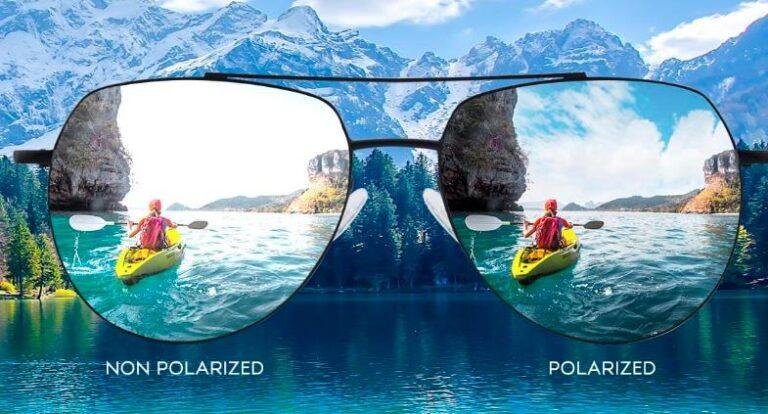
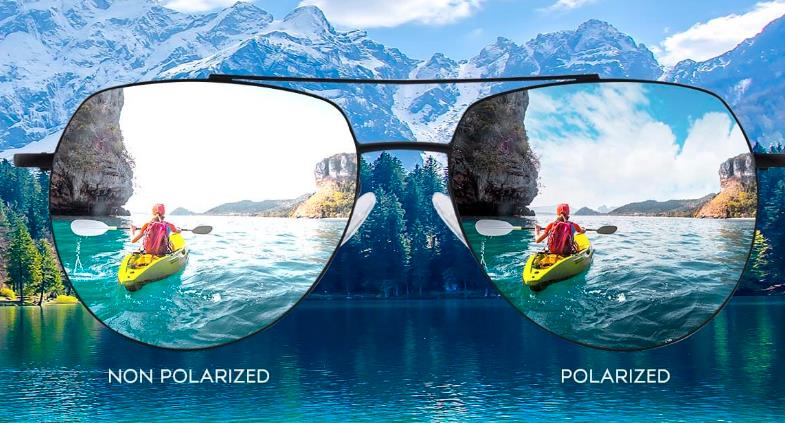
Polarized sunglasses look like regular sunglasses, but their lenses cut glare and often appear darker, richer, or slightly reflective.
If you have ever wondered what do polarized sunglasses look like, the answer is more subtle than many shoppers expect. Polarized lenses come in many colors, shapes, and frame styles, so they may look just like ordinary sunglasses from the outside. The real difference appears in how they handle bright, reflected light. This guide explains the visible clues, simple tests, lens colors, benefits, limits, and buying tips that help you identify them with confidence.
What Do Polarized Sunglasses Look Like?
Polarized sunglasses can look almost identical to standard sunglasses. They may have black, brown, gray, green, blue, or mirrored lenses. The frames may be round, square, sporty, metal, plastic, or rimless.
The key point is this: polarization is a lens feature, not a frame style. You usually cannot confirm polarization by looking at the sunglasses alone.
From the front, polarized sunglasses may show:
• A dark tint that reduces the apparent brightness of the eyes
• A soft gray, brown, green, or amber lens color
• A mirror coating that reflects light
• A small manufacturer mark or “P” symbol on the lens or temple
• Less visible glare when viewed under strong light
However, these signs are not proof. A nonpolarized lens can also be dark, mirrored, or colorful. A clear-looking lens can also be polarized, especially in certain sports and prescription eyewear.
When people ask what do polarized sunglasses look like, they often expect a unique visual design. In reality, polarization works inside the lens. Think of it like a fine screen placed over a window. The window still looks like a window, but it blocks certain light waves.
How Polarized Lenses Differ From Regular Sunglasses
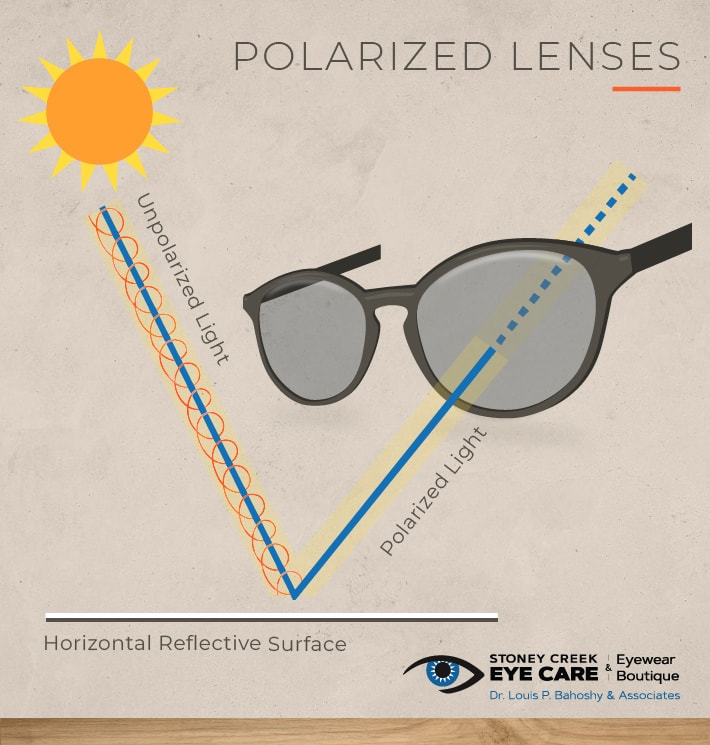
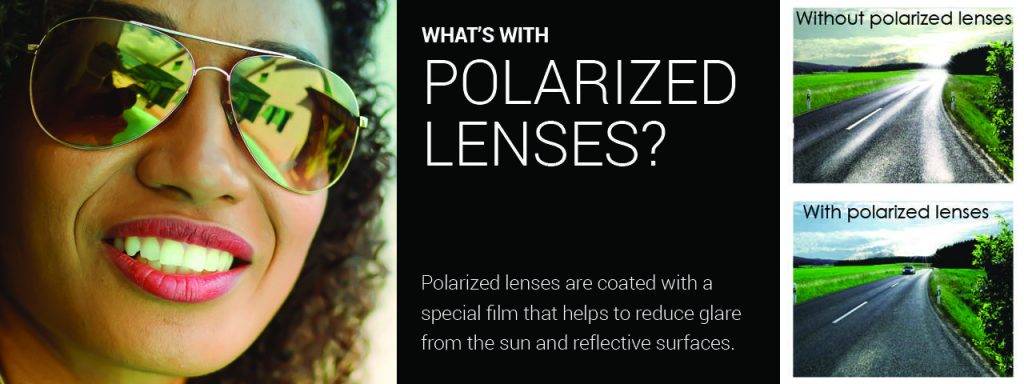
Regular sunglasses mainly reduce the amount of light entering your eyes. They do this with a tinted lens. Polarized sunglasses also reduce light, but they contain a special filter that blocks much of the horizontal glare that bounces off flat surfaces.
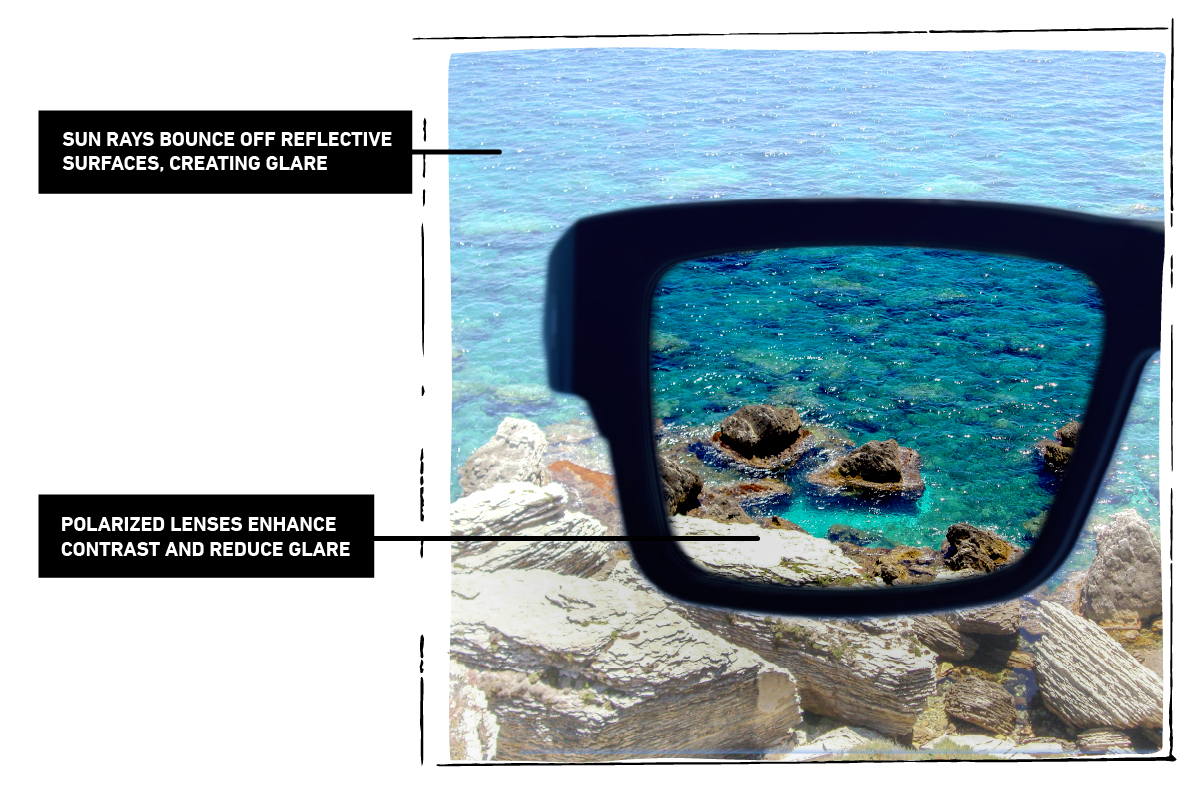
Light from the sun spreads in many directions. After it reflects from roads, water, snow, car hoods, or glass, it often becomes strongly organized in a horizontal direction. This creates harsh glare.
A polarized filter works much like a narrow gate. It allows useful light through while blocking much of that reflected glare. That is why polarized sunglasses can make a lake look calmer or a road look less shiny.
Here is a simple comparison:
| Feature | Regular sunglasses | Polarized sunglasses |
|---|---|---|
| Reduces brightness | Yes | Yes |
| Reduces reflected glare | Not reliably | Yes |
| May protect from ultraviolet rays | Some do | Some do |
| Needs a special filter | No | Yes |
| Always looks visibly different | No | No |
It is important to separate polarization from UV protection. Polarization helps manage glare, while UV protection shields the eyes from ultraviolet radiation. A good pair should offer both, but one does not guarantee the other.


What Do Polarized Sunglasses Look Like in Different Light?
The appearance of polarized sunglasses can change based on the light around them. In bright outdoor settings, the lenses may look darker and more reflective. Indoors, they may look like ordinary tinted glasses.
In direct sunlight
Under direct sun, polarized lenses often look rich and even in color. Gray lenses tend to look neutral. Brown lenses may look warm. Green lenses can increase contrast while keeping colors fairly natural.
A mirror coating can make the lenses appear silver, blue, gold, or red from the outside. The mirror color does not tell you whether the glasses are polarized. It is simply an added coating that reflects some light.
Near water
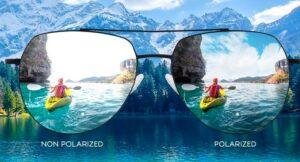
Near a lake, pool, or ocean, polarized sunglasses may look darker than regular sunglasses because they reduce the bright glare coming from the surface. The water may also appear clearer because the shiny veil on top is reduced.
This effect is one of the easiest ways to notice what do polarized sunglasses look like in real life. Instead of seeing a bright patch of reflected sky, you may see more of the water below.
On snow
Snow produces intense reflected light. Polarized lenses can reduce the shimmering glare that makes a sunny winter day feel painful. They may help you see surface details more comfortably.
Still, skiers and climbers should check their sport’s safety needs. Polarization can sometimes reduce the visibility of icy patches or other glare cues. Lens color, fit, UV protection, and impact resistance also matter.
Through car windows
Polarized sunglasses can create dark bands or rainbow-like patterns on some laminated glass displays. They may also make certain screens look dim or black.
This is not a defect. It happens because the sunglasses and the screen both filter light. Drivers should test polarized sunglasses with the car’s dashboard, navigation display, and phone before buying them.

How to Tell if Sunglasses Are Polarized
Looking at the frame is not enough. The most reliable methods use another polarized surface or a clear label from the maker.
Use an LCD screen
Many phones, tablets, laptops, and car displays use liquid crystal screens. Put on the sunglasses and slowly rotate the screen or your head.
If the screen becomes much darker at a certain angle, the sunglasses are likely polarized. This test is useful, but it is not perfect because screen types vary.
Compare two pairs
Place two pairs of sunglasses together with the lenses facing each other. Rotate one pair slowly.
If the view becomes very dark at a certain angle, both lenses may be blocking similar light. This test can be hard to interpret with low-quality lenses, strong mirror coatings, or curved frames.


Check the product details
Look for clear wording such as:
• Polarized
• Polarized lenses
• 100% polarized
• A “P” marking from the manufacturer
• Lens information on the package or product page
A product label is usually more trustworthy than a visual guess. Be cautious when a seller uses words such as “anti-glare” without saying “polarized.” Anti-glare may refer to a surface coating, not a polarization filter.
Ask an optical professional
An optician can use a lens analyzer to check whether a pair is polarized. This is the best choice for prescription glasses, expensive eyewear, or glasses with unusual lens materials.
When testing what do polarized sunglasses look like, avoid relying only on lens darkness. Dark lenses can reduce brightness but still leave strong reflected glare.
Common Lens Colors and What They Look Like
Lens color affects the visual experience, but it does not determine whether sunglasses are polarized. A polarized lens can come in nearly any common tint.
Gray polarized lenses
Gray lenses keep colors close to their natural appearance. They work well for driving, walking, boating, and general outdoor use.
They usually look neutral from the outside. Many people choose gray because it provides balanced brightness control without making the world appear too warm or too cool.
Brown or amber polarized lenses
Brown and amber lenses add warmth and may improve contrast. They are popular for fishing, hiking, driving, and changing light.
From the outside, they often look brown, copper, or tea-colored. They can make green landscapes appear richer, but colors may look less neutral.
Green polarized lenses
Green lenses can reduce glare while preserving a comfortable balance between brightness and color. They often appear green, gray-green, or smoke-green from the outside.
This color is common in lifestyle and classic sunglass designs.
Blue or mirrored polarized lenses
Blue lenses and blue mirror coatings are popular in beach, fashion, and outdoor styles. A blue mirror may cover a gray, brown, or green base tint.
The outside appearance can be bright and reflective, but the inside view may not be blue. Always check the lens description if color accuracy matters.


Yellow or rose polarized lenses
Yellow and rose lenses may improve contrast in low-light or overcast settings. They are sometimes used for cycling, skiing, and other activities.
They are not usually the best choice for strong sunlight unless the product is specifically designed for that use. Check the visible light transmission rating and the intended activity.
What Do Polarized Sunglasses Look Like on Your Face?
On the face, polarized sunglasses look like any other tinted sunglasses. Their appearance depends more on the frame shape, lens color, curvature, and mirror finish than on polarization itself.
The best style for you may depend on face shape, comfort, and the amount of side coverage you need. Wraparound frames can reduce light entering from the sides. Larger lenses may offer more coverage, but they should still sit securely without touching your cheeks.
Pay attention to these details:
• The frame should not pinch your temples
• Your eyelashes should not brush the lenses
• The bridge should sit comfortably on your nose
• The lenses should cover your eyes without leaving large gaps
• The frame should stay level when you move
• The lens center should line up with each pupil
A common mistake is choosing sunglasses based only on how they look in a mirror. I recommend wearing them near a bright window and checking whether the frame shifts when you smile, turn your head, or look down. Comfort and stable fit matter more than a fashionable logo.
For prescription sunglasses, the lens curve and prescription strength can change the final look. Ask the optician whether the frame is suitable for your prescription before ordering a strongly curved style.

Benefits of Polarized Sunglasses
Polarized sunglasses are especially useful when glare is the main problem. They can make outdoor scenes feel calmer and easier to view.
Common benefits include:
• Less glare from roads, water, snow, and glass
• More comfortable vision during bright outdoor activities
• Improved visual comfort while driving
• Better visibility of objects beneath some water surfaces
• Less squinting in reflective environments
• A clearer view of surface details in many conditions
Research and clinical guidance support the use of sunglasses that block 99% to 100% of UVA and UVB radiation. Polarization is helpful, but UV protection remains essential.
For fishing, polarization may reduce surface glare and help you see into shallow water. For driving, it may make wet roads and bright car surfaces more comfortable to view. For everyday use, it can reduce the tiring effect of repeated glare.


Even so, polarized sunglasses are not a medical treatment. They do not correct blurry vision unless prescription lenses are built into them. They also cannot replace hats, shade, or safe behavior in very bright conditions.
Limitations of Polarized Sunglasses
Polarized lenses are useful, but they are not ideal for every situation. Knowing their limits helps you avoid surprises.
Some digital displays may look dim, distorted, or completely dark. This can affect:
• Car dashboards
• Gas pump screens
• ATMs
• Smartphones
• Navigation systems
• Some aircraft displays
Polarized lenses may also reduce certain reflections that help you notice ice, wet surfaces, or road texture. This does not mean they are unsafe for everyone, but it does mean you should test them in the environment where you plan to use them.
Cheap sunglasses may claim to be polarized but have poor optical quality. Look for uneven tint, ripples, bubbles, loose hinges, or blurry areas. A lens that reduces glare but creates distortion is not a good bargain.
Polarization also does not mean impact protection. If you need safety eyewear for work, cycling, or sports, check for the relevant impact rating and lens material.

How to Choose Polarized Sunglasses
Start with the activity, not the fashion label. The best pair for a daily driver may not be the best pair for a skier or open-water angler.
Use this buying checklist:
- Confirm that the lenses are polarized.
- Confirm that they provide 100% UVA and UVB protection.
- Choose a lens color that suits the light conditions.
- Check whether the lenses create problems with your screens.
- Look for a comfortable, stable fit.
- Choose impact-resistant lenses for sports or active work.
- Inspect the lenses for distortion and uneven color.
- Buy from a seller that provides clear product details and return terms.
For driving, gray or brown lenses are common choices. For water activities, choose a secure frame with good side coverage. For snow, consider a lens and frame designed for high brightness, wind, and cold.
The darkest lens is not always the best lens. A very dark pair without proper UV protection can be harmful because your pupils may open wider while the lens still allows ultraviolet light through. Buy based on verified UV protection, not darkness alone.
Caring for Polarized Sunglasses
Good care helps preserve the lens filter and surface coatings. Rinse off dust with clean water before wiping. Dry debris can act like sandpaper.
Use a clean microfiber cloth and, when needed, mild lens cleaner. Avoid paper towels, clothing, household glass cleaner, and rough tissues. Some cleaners contain chemicals that can damage lens coatings.
Store the glasses in a hard case when you are not wearing them. Do not leave them on a hot car dashboard for long periods because heat can damage coatings, loosen frame parts, or affect lens shape.
If the lenses become scratched, replacing them is usually better than trying to polish the marks away. Scratches cannot be safely removed from most optical lenses at home.
Frequently Asked Questions About What Do Polarized Sunglasses Look Like
What do polarized sunglasses look like compared with regular sunglasses?
They often look exactly like regular sunglasses from the outside. The main difference is a glare-blocking filter inside the lens, not a special frame shape or color.
Can you tell if sunglasses are polarized by looking at them?
Not with certainty. A label, LCD screen test, or professional lens analyzer gives a more reliable answer than lens darkness, color, or a mirror finish.
Do polarized sunglasses always have dark lenses?
No. Polarized sunglasses can have light, medium, or dark tints. Some clear or lightly tinted sports and prescription lenses may also use polarization.
What do polarized sunglasses look like when viewed from the side?
From the side, they may show a normal tinted edge or a reflective coating. Some lenses have a small marking, but many pairs show no visible sign that they are polarized.
Are mirrored sunglasses always polarized?
No. A mirror coating only reflects some light from the lens surface. Sunglasses can be mirrored without polarization, or they can have both features.
Do polarized sunglasses make water look clearer?
They can reduce bright reflections from the water’s surface, which may make underwater details easier to see in suitable conditions. The result depends on water clarity, sun angle, lens quality, and the amount of surface glare.
Are polarized sunglasses better for driving?
They may make reflected glare from roads and cars more comfortable to view. However, test them with your vehicle’s digital displays because some screens may look dim or uneven through polarized lenses.
Conclusion
Polarized sunglasses usually look like ordinary sunglasses, but their lenses contain a filter that cuts reflected glare. They may be gray, brown, green, blue, mirrored, light, or dark, so appearance alone cannot confirm polarization.
The most reliable approach is to check the product details, test the lenses with an LCD screen, and confirm UV protection. Choose a comfortable frame that suits your activity, and remember that polarization is different from UV protection and impact safety.
Now that you know what do polarized sunglasses look like, compare a few verified pairs in natural light and choose the one that offers clear vision, strong protection, and a comfortable fit. Share your experience or explore more eyewear guides before making your next purchase.

Rubel Miah is the Senior Editor at MyStyleGrid.com, where he brings a sharp editorial eye and an unshakable love for fashion to everything he does. A true style addict, Rubel lives and breathes trends, from streetwear to high fashion, and has a knack for turning inspiration into impactful stories. With years of experience in fashion journalism and digital media, he curates content that empowers readers to express themselves through style. When he’s not editing features or forecasting the next big thing, you’ll find him hunting down vintage pieces or capturing street style moments around the city.