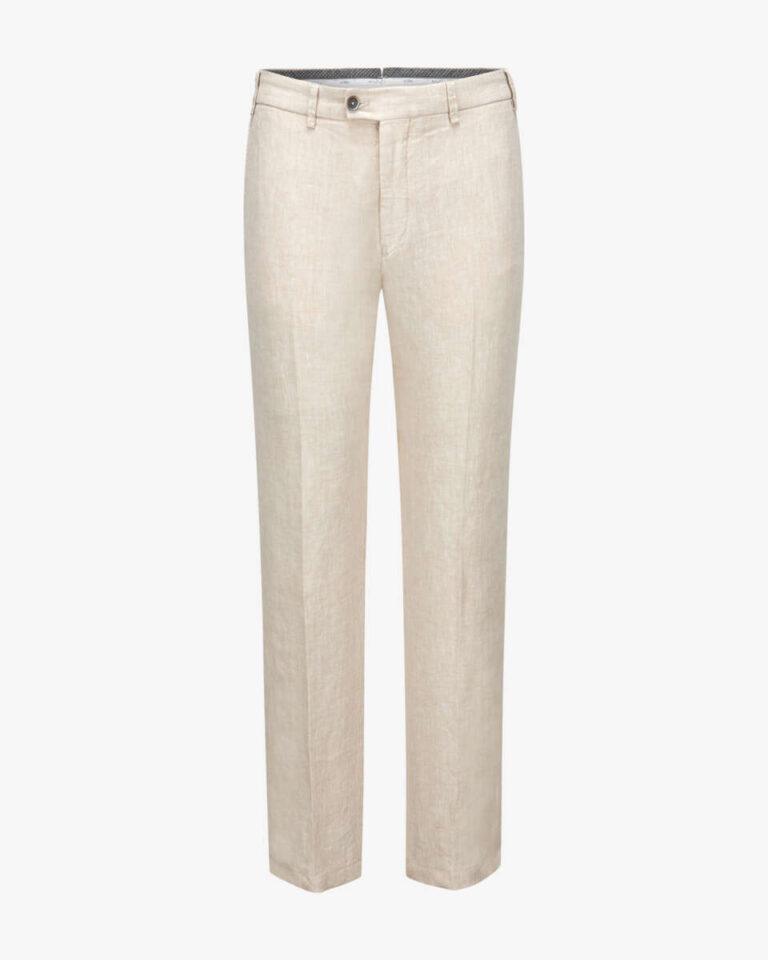
Contemporary fit trousers offer a modern, gently tapered shape that sits between slim and classic cuts.
Understanding what is contemporary fit trousers can make shopping much easier. This cut gives you a neat, current look without the tight feel of skinny pants or the extra room of relaxed trousers. In this guide, you will learn how contemporary fit trousers fit, how they compare with other cuts, and how to choose the right pair for work, travel, and everyday wear.

What are contemporary fit trousers?
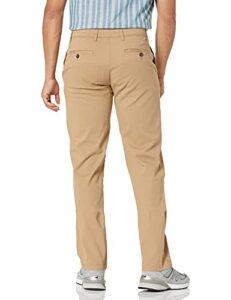
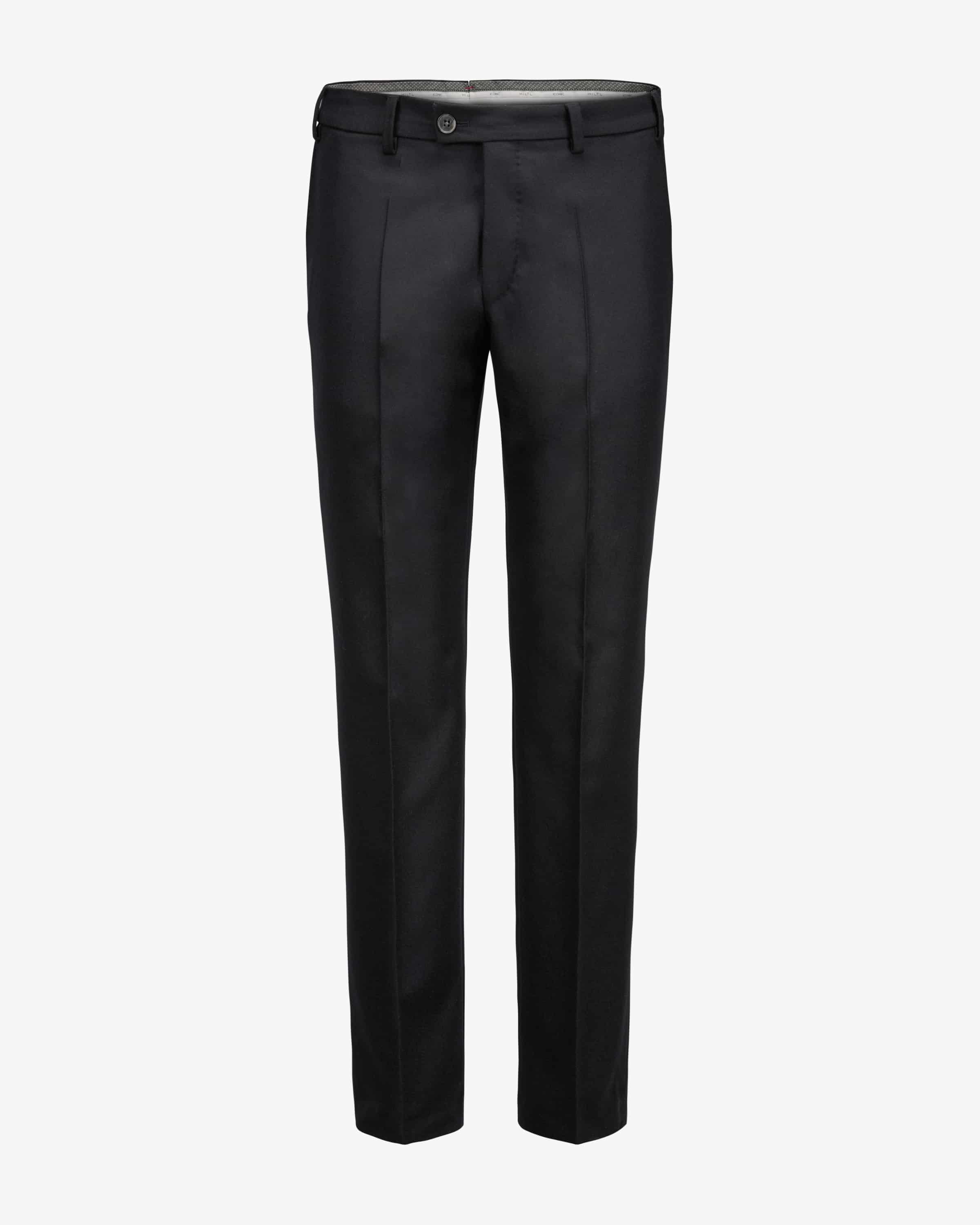
Contemporary fit trousers are pants designed with a modern shape and balanced comfort. They usually sit close to the body through the seat and thighs, then taper slightly toward the ankle. The result is a clean outline that still allows natural movement.
The word “contemporary” describes the style rather than one strict measurement. Each clothing brand may use a different pattern. One brand’s contemporary fit may feel close to a slim fit, while another may feel closer to a tailored regular fit.
Most contemporary fit trousers have these features:
• A medium rise that sits near the natural waist or just below it
• A closer fit through the hips and thighs
• A gentle taper from the knee to the hem
• More room than slim or skinny trousers
• Less fabric than classic or relaxed trousers
• A polished shape that works with both dress shoes and sneakers
Think of the cut as a middle lane. It gives you the sharp look of modern tailoring without making your legs feel trapped.
How do contemporary fit trousers fit?
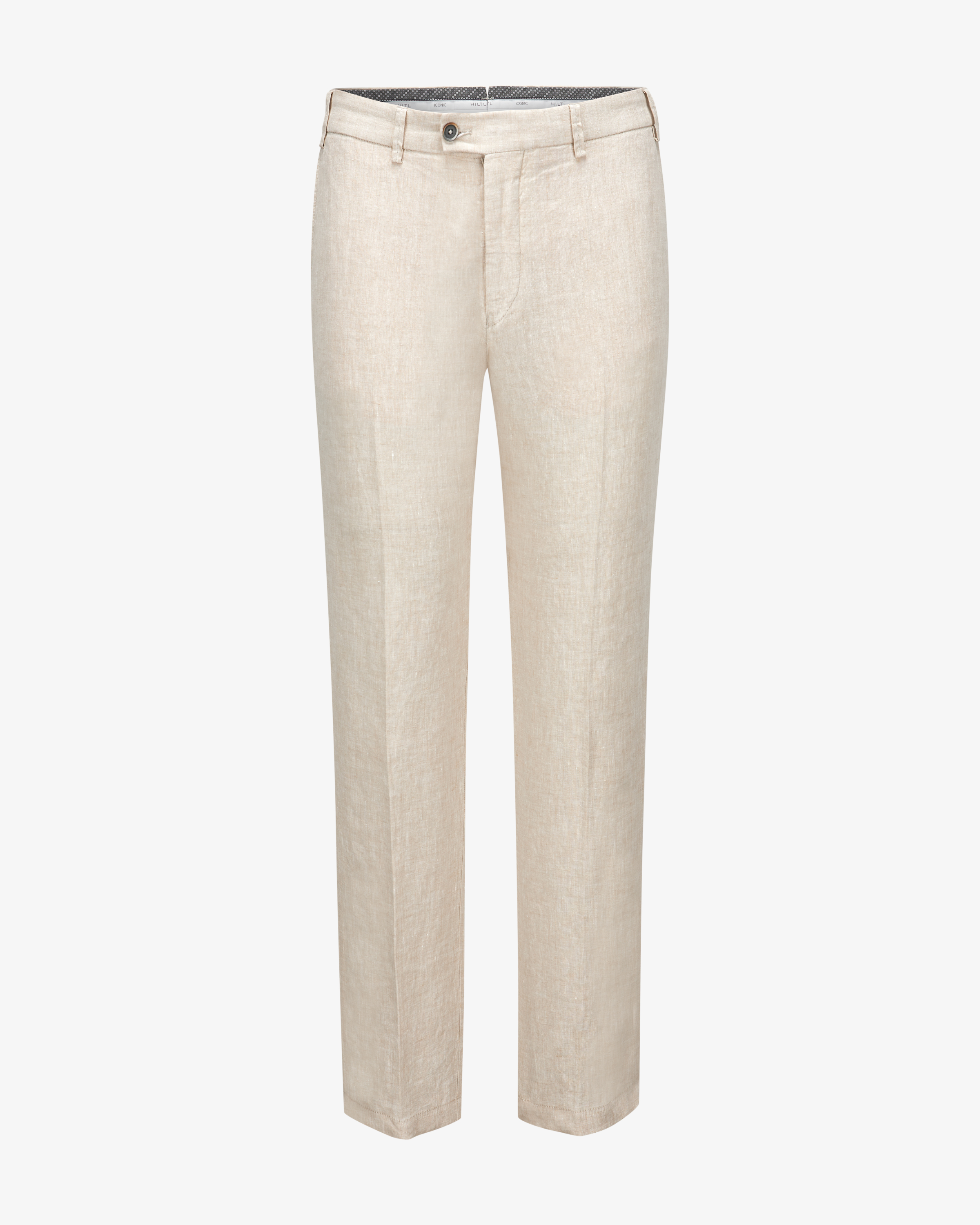
Contemporary fit trousers should follow your body without pulling across it. The waistband should rest comfortably, and the fabric should fall in a smooth line from the hip to the ankle.
A good pair should pass this simple fit test:
-
You should be able to place one or two fingers inside the waistband.
-
The pockets should lie flat when you stand and sit.
-
The front closure should not pull or create an “X” shape.
-
The seat should cover your body without sagging.
-
The thighs should feel comfortable when you walk or sit.
-
The lower leg should taper gently without clinging.
-
The hem should create a small break over your shoes.
The exact break depends on your taste. A slight break looks traditional and works well for office clothing. A shorter, cleaner break looks more modern, especially with loafers or minimalist sneakers.
Fabric also changes the way contemporary fit trousers feel. Wool blends may drape well and resist wrinkles. Cotton twill feels casual and durable. Stretch fibers can improve comfort, but too much stretch may make the trousers lose their shape over time.

Contemporary fit vs. slim, regular, and relaxed fit
Knowing the difference between trouser cuts helps you avoid ordering the wrong size. The label alone does not tell the whole story, so compare the shape of the leg, thigh, rise, and hem.
Contemporary fit vs. slim fit
Slim trousers usually have a closer cut from the waist through the leg. They may have narrow thighs, knees, and leg openings. Contemporary fit trousers offer a little more room, which makes them easier to wear for long workdays or active commutes.
If slim pants pull across your thighs or feel tight when you sit, contemporary fit trousers may give you a better balance.
Contemporary fit vs. regular fit
Regular fit trousers usually provide more space through the seat and thigh. Their legs may fall straighter rather than tapering sharply. Contemporary fit trousers look more shaped and current, but they should not feel restrictive.
Regular fit can be a good choice if you prefer traditional tailoring or need extra room in the upper leg.
Contemporary fit vs. relaxed fit
Relaxed trousers have generous room through the seat, hips, thighs, and legs. They prioritize comfort and ease. Contemporary fit trousers create a neater silhouette and usually look more formal.
Relaxed trousers suit casual outfits, outdoor use, and people who dislike close-fitting clothing. Contemporary fit trousers are more versatile for offices, dinners, events, and smart-casual outfits.
A simple comparison
• Slim fit: Closest and most tapered
• Contemporary fit: Modern, balanced, and gently tapered
• Regular fit: Traditional with a straighter shape
• Relaxed fit: Roomy and comfort focused
These terms are not universal industry standards. Always check the brand’s size chart, garment measurements, and return policy before buying.
Why choose contemporary fit trousers?
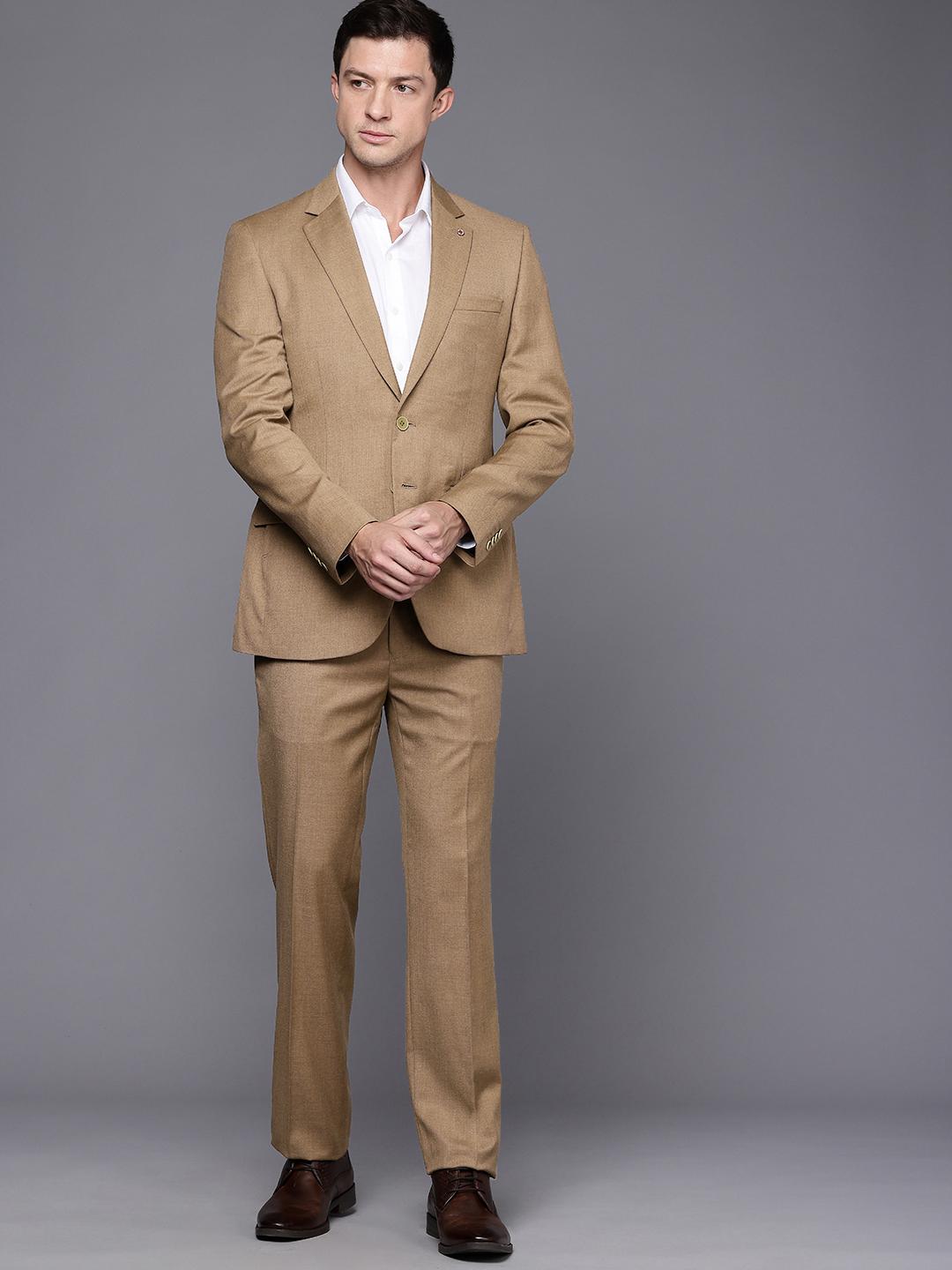
The main advantage of contemporary fit trousers is versatility. They can look professional with a blazer and dress shirt, yet still feel natural with a polo shirt and sneakers.
Other benefits include:
• A modern shape that does not look overly tight
• Better comfort than many slim cuts
• A polished appearance for business-casual settings
• Easy styling with dress shoes, boots, loafers, or sneakers
• A flattering shape for many body types
• Enough room for normal sitting and walking
They also photograph well because the leg line looks clean. This can matter at weddings, work events, and other occasions where clothing needs to look sharp from every angle.
Still, contemporary fit trousers are not perfect for everyone. People with very muscular thighs may need an athletic cut. People who prefer maximum airflow may like relaxed trousers better. The best fit depends on your body, comfort needs, and daily routine.

How to choose the right size
Start with your actual waist and inseam measurements. Do not rely only on the size you usually wear because sizing can vary between brands and countries.
Measure your waist where the waistband will sit. Keep the tape level, and do not pull it too tight. Then measure your inseam from the top of your inner leg to the point where you want the trousers to end.
When shopping online, review:
• Waist measurement
• Front rise
• Thigh measurement
• Knee measurement
• Leg opening
• Inseam length
• Fabric content
• Stretch level
• Return and exchange rules
A common mistake is choosing a larger waist to gain more room in the thighs. This often creates a loose waistband and excess fabric around the hips. If the waist fits but the thighs do not, look for an athletic cut or have a tailor adjust the garment.
Another practical lesson is to test trousers while sitting. A pair may feel perfect while standing but pull at the waist or thighs when you sit. Try walking, bending, and sitting before removing the tags.
Best fabrics for contemporary fit trousers
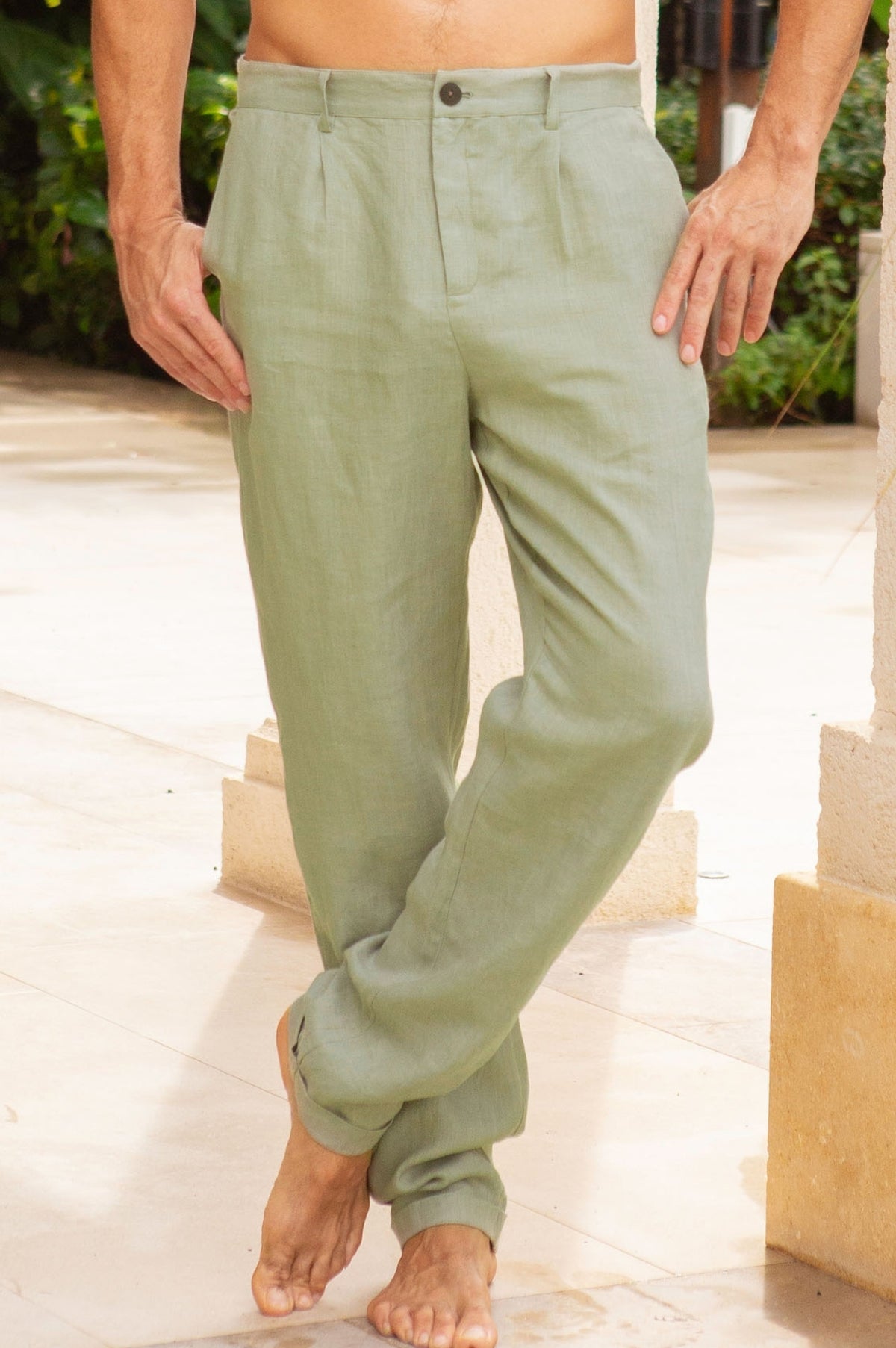
Fabric affects comfort, appearance, durability, and care. The same cut can feel formal in wool and casual in cotton.
Wool and wool blends
Wool trousers drape smoothly and hold a sharp crease. They are common in business and formal clothing. A wool blend may add strength, lower the cost, or improve wrinkle resistance.
Cotton
Cotton trousers feel soft and breathable. Chinos are a popular example. They work well for casual offices, weekends, travel, and warm weather.
Polyester blends
Polyester can improve durability and reduce wrinkles. It is common in workwear and travel trousers. However, some polyester fabrics may feel warmer or less breathable than natural fibers.
Stretch fabrics
A small amount of elastane or spandex can make contemporary fit trousers more comfortable. Around 1% to 3% stretch is often enough for easier movement. Too much stretch may change the drape and cause the knees to bag.
Check the care label before buying. Proper washing and drying can help trousers keep their shape and color.
How to style contemporary fit trousers
Contemporary fit trousers work because they sit between formal and casual. You can change the entire mood with your shirt, shoes, and outer layer.
For a business-casual outfit, try:
• Navy contemporary fit trousers