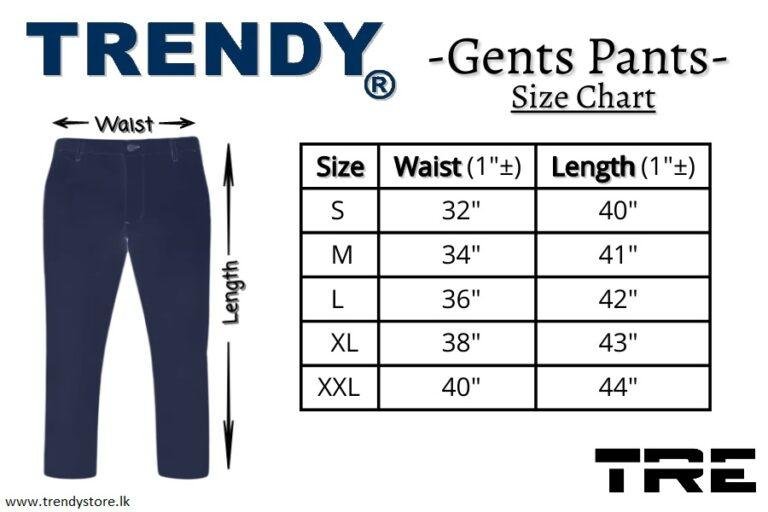
A 6'3" man will often start with a 34- or 36-inch inseam in the United States. A 34-inch inseam is a common first try. A 36-inch inseam may fit better if he has long legs or wants more coverage.
Height alone cannot determine the right pants length. Two men who are both 6'3" can need different inseams because leg length, rise, shoe height, and personal style all affect the fit.
For most US pants, the size appears as:
Waist × Inseam
Example: 34 × 34
The first number is the waist size. The second number is the inside leg length in inches.

Quick answer: 34 or 36 inches?
A 6'3" man should usually try these sizes first:
| Body type or preference | Likely starting inseam |
|---|---|
| Average proportions | 34 inches |
| Long legs or a short torso | 36 inches |
| Slim, cropped, or ankle-length style | 32 inches |
| Full break over dress shoes | 36 inches, then tailor if needed |
| Boots or high-top shoes | 34 or 36 inches, depending on the cut |
These are starting points, not fixed rules. A 6'3" man with a long torso may wear a 32-inch inseam. A man with a short torso and long legs may need a 36-inch inseam.
The best answer comes from measuring a pair of pants that already fits well.
What does inseam mean?
The inseam is the length from the crotch seam to the bottom of the pant leg. It determines how far the pants reach down your leg.
Inseam is different from:
- Waist: The measurement around your waist.
- Outseam: The outside length from the waistband to the hem.
- Rise: The distance from the crotch seam to the top of the waistband.
- Leg opening: The width at the bottom of the pant leg.
Most US jeans, chinos, and casual trousers list the inseam. Dress pants may list only the waist size because the pants are sold with extra fabric for tailoring.
A higher rise can make pants feel longer on the body. A lower rise can make the same inseam look shorter. This is one reason two pairs marked “34-inch inseam” may not look identical.

How to measure the right pants length
The most reliable method is to measure pants that fit you well. This avoids guessing from height.


Method 1: Measure a favorite pair of pants
- Lay the pants flat on a table or clean floor.
- Smooth out the legs without stretching the fabric.
- Fold one leg over the other.
- Measure from the crotch seam to the bottom of the inside leg.
- Record the result in inches.
- Compare it with the size chart for the brand you plan to buy.
Do not measure from the waistband to the hem when checking inseam. That measurement is the outseam, and it changes with the rise.
Method 2: Measure your body
To measure your body inseam:
- Stand straight with your feet about shoulder-width apart.
- Wear thin clothing or close-fitting underwear.
- Place a book between your legs.
- Pull the book up until it rests firmly against your crotch.
- Measure from the top of the book to the floor.
- Keep the tape straight and ask someone to help if possible.
The body measurement is a useful guide. It is not always the exact pants size because brands add room for movement and use different cuts.
Method 3: Measure a pair while wearing shoes
Shoes change the way pants sit at the hem. If you normally wear boots, measure or test pants with boots. If you wear low-profile sneakers, use those instead.
For dress pants, check the length while standing naturally. The hem should meet the shoe in a controlled way rather than bunching heavily above it.

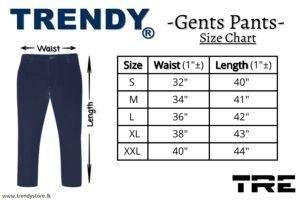
A useful pants-length chart for a 6'3" man
The chart below gives practical starting points. It is based on common US sizing patterns, not a universal rule.
| Inseam | How it may fit a 6'3" man | Best use |
|---|---|---|
| 30 inches | Clearly cropped on most men | Cropped fashion styles |
| 32 inches | Slightly short for many men | Casual cropped fit or long torso |
| 34 inches | Common starting point | Jeans, chinos, work pants |
| 36 inches | Longer fit | Long legs, boots, full-length trousers |
| 38 inches | Uncommon | Very long legs or specialty tall sizes |
If you are unsure, order or try 34 inches and 36 inches when the seller allows easy returns. Compare the fit while wearing your usual shoes.
A 34-inch inseam often works well for jeans and casual pants. A 36-inch inseam gives more room for a full break or later alterations. It is usually easier to shorten pants than to lengthen pants.
How the right length should look
The correct length depends on the type of pants and the look you want.
Jeans and casual pants
Straight-leg and relaxed jeans often look best with a small break. A break is the fold or crease where the fabric meets the shoe.
Common options include:
- No break: The hem barely touches the shoe. This creates a clean, modern look.
- Slight break: The fabric makes one small fold. This works well for everyday jeans and chinos.
- Full break: The fabric folds more deeply over the shoe. This gives a traditional look but can appear bulky.
Slim pants often need less length because extra fabric shows more clearly. Wider pants can carry a little more length without looking as messy.
Dress pants
Dress trousers usually look best with a clean hem and limited stacking. The front of the pants should touch the shoe without forming several deep folds.
For a traditional US business look, start with a slight break. For a sharper, shorter look, choose little or no break. A tailor can adjust the final length after you choose the waist and seat fit.


Work pants and cargo pants
Work pants may need extra length if you kneel, climb, or wear boots. Movement can pull the hem upward. A 36-inch inseam may be more practical than a 34-inch inseam in this case.
Do not choose excessive length if it causes the hem to drag. Wet ground, stairs, and machinery can make loose fabric a safety concern.

What changes the right inseam?
Several factors can change the best pants length even when height stays the same.
Leg-to-torso ratio
Height measures your whole body, not your legs. A man with a longer torso may need a shorter inseam. A man with a shorter torso may need a longer inseam.
This is why height charts can only provide an estimate.
Pants rise
Rise affects where the waistband sits and how much fabric reaches the shoe. High-rise pants sit higher on the body. Low-rise pants sit lower.
If two pairs have the same inseam but different rises, they may appear to have different overall lengths.
Shoe style
Thick-soled boots can support a longer hem. Low-profile sneakers may make long pants bunch more.
For dress shoes, a slight break is often easier to control. For boots, extra length may help prevent the pants from appearing short when the leg moves.
Fabric and shrinkage
Cotton pants can shrink if washed with hot water or dried at high heat. Check the care label before washing.
Pre-shrunk fabric may still change slightly. If the pants fit perfectly before the first wash, avoid assuming they will remain exactly the same.
Brand and cut
A “34-inch inseam” is not always identical across brands. Some companies measure after washing. Others use a tolerance around the listed size. Stretch fabric can also change how the pants sit.
Always check the brand’s own size chart. Compare the chart with a pair you already own instead of relying on the label alone.


How to choose between a 34- and 36-inch inseam
Use this simple decision process:
-
Measure a pair that fits well.
If it measures close to 34 inches, start with 34. If it measures close to 36 inches, start with 36. -
Check your leg shape.
Choose 36 if you have long legs or often find pants too short. Choose 34 if standard pants usually bunch at the ankle. -
Consider the shoes.
Boots often work with a little more length. Low sneakers may work better with a shorter hem. -
Check the pant style.
Slim pants may look better with less break. Traditional dress pants may need more length. -
Review the return policy.
If the size is uncertain, buy from a retailer that allows returns or exchanges. -
Tailor the final fit.
A tailor can shorten pants, but adding length may not be possible if the hem has little extra fabric.
When choosing between two lengths, the longer option is often safer for new dress pants. Extra fabric can usually be removed. However, pants that are much too long can create heavy bunching and may not be worth altering.
Can a 6'3" man wear 32-inch inseam pants?
Yes, but 32 inches will usually look short on a 6'3" man unless he has a long torso, shorter legs, or wants a cropped style.
A 32-inch inseam may work for:
- Cropped trousers
- Fashion-forward ankle pants
- Slim pants worn above the shoe
- Men with shorter legs relative to their height
- Warm-weather styles
For standard full-length jeans, 32 inches may expose the ankle or sock. Check the fit while standing and sitting. Pants that look acceptable while standing may rise too far when seated.
Do tall men need special “tall” pants?
Not always. A 6'3" man may fit regular pants in a 34- or 36-inch inseam. Tall-size clothing becomes more useful when the brand offers longer sleeves, a longer rise, a larger thigh area, or a better torso proportion.
Look for tall sizes if:
- Regular shirts have short sleeves.
- Regular pants feel tight through the rise.
- The waistband fits, but the crotch feels too low.
- Pants are short even in a 36-inch inseam.
- The pockets sit too high or feel poorly placed.
Tall sizing changes more than the inseam. It may adjust the rise, pocket position, knee placement, and overall proportions.
Common pants-length mistakes
Choosing pants by height alone
Height is a helpful starting point, but it does not replace an inseam measurement. Leg proportions vary too much for one height-to-length rule to fit everyone.


Measuring the outside of the leg
The outseam includes the waistband and rise. It cannot be compared directly with an inseam listed on a US size label.
Ignoring shoes
A hem that works with boots may look too long with sneakers. Try pants with the shoes you wear most often.
Buying a larger waist to get more length
A larger waist does not always provide a longer inseam. It may only make the waistband loose and require more tailoring.
Choose the waist and inseam separately when the retailer offers that option.
Using the same length for every style
Jeans, suit trousers, joggers, and work pants have different fit goals. A 34-inch inseam may work for jeans but look too long on slim dress trousers.
Washing before checking the fit
Wash and dry pants according to the care label. Heat can change the length. If the fit is already short, shrinkage may make the problem worse.
When should pants be tailored?
Tailoring is useful when the waist, seat, and thigh fit well but the hem is wrong. A tailor can usually shorten pants. Some trousers can also be lengthened if they have enough fabric inside the hem.
Have dress pants tailored while wearing the shoes you plan to use. Tell the tailor whether you want no break, a slight break, or a full break.
Do not tailor pants that are tight in the seat or too short in the rise. Altering the hem will not fix those problems. Start with the correct cut and overall size.
For jeans, original-hem alterations may preserve the factory edge. Ask the tailor what method will be used if the original hem matters to you.
How US pants sizes work
US pants often use waist and inseam measurements in inches. A label such as 36 × 34 generally means:
- 36-inch labeled waist
- 34-inch labeled inseam
The actual garment may measure slightly differently. Fabric stretch, measuring method, and brand standards can affect the final fit.
Some pants use letter sizes such as S, M, L, or XL. These labels are less precise. Use the brand’s chart and measure the garment when possible.
For suit trousers, the waist may be listed alone. The store or tailor then finishes the hem. This is common because the correct dress-pant length depends on the wearer’s shoes and preferred break.
Sources and measurement guidance
US clothing brands do not use one universal pants-sizing standard. For that reason, the most dependable method is to compare your body or a well-fitting garment with the brand’s own chart.
Useful measurement references include:
These guides support the basic distinction between waist, inseam, rise, and garment measurements. They do not prove that one inseam fits every 6'3" man. Brand charts remain the final reference for a specific item.
FAQs
Is a 34-inch inseam long enough for a 6'3" man?
It is often long enough for a 6'3" man with average leg proportions. It may look short on someone with long legs, especially when worn with boots or when a full break is preferred.
Is a 36-inch inseam too long?
Not necessarily. A 36-inch inseam can fit well if you have long legs or want extra length for boots and dress shoes. If it is too long, a tailor can usually shorten it.
What pants size should a 6'3" man wear?
Height does not determine waist size. Measure around the waist where the pants will sit, then choose the inseam separately. A size such as 34 × 34 refers to waist and inseam, not height.
Should pants touch the floor without shoes?
No. Judge the length with the shoes you plan to wear. Pants that touch the floor barefoot may have a suitable break with shoes, while pants that stop above the ankle without shoes may be too short.
Can a tailor make pants longer?
Sometimes. The answer depends on how much extra fabric is inside the hem. A tailor can usually shorten pants, but lengthening them may leave a visible crease or may not be possible.
Conclusion
For a 6'3" man in the US, 34 inches is a sensible first inseam to try, while 36 inches may suit longer legs, boots, or a fuller break. The correct choice depends on your leg-to-torso ratio, rise, shoes, fabric, and preferred style.
Measure a pair that fits well, check the brand’s size chart, and judge the hem with your usual shoes. If the waist and seat fit properly but the length is off, tailoring can finish the job.

Rubel Miah is the Senior Editor at MyStyleGrid.com, where he brings a sharp editorial eye and an unshakable love for fashion to everything he does. A true style addict, Rubel lives and breathes trends, from streetwear to high fashion, and has a knack for turning inspiration into impactful stories. With years of experience in fashion journalism and digital media, he curates content that empowers readers to express themselves through style. When he’s not editing features or forecasting the next big thing, you’ll find him hunting down vintage pieces or capturing street style moments around the city.