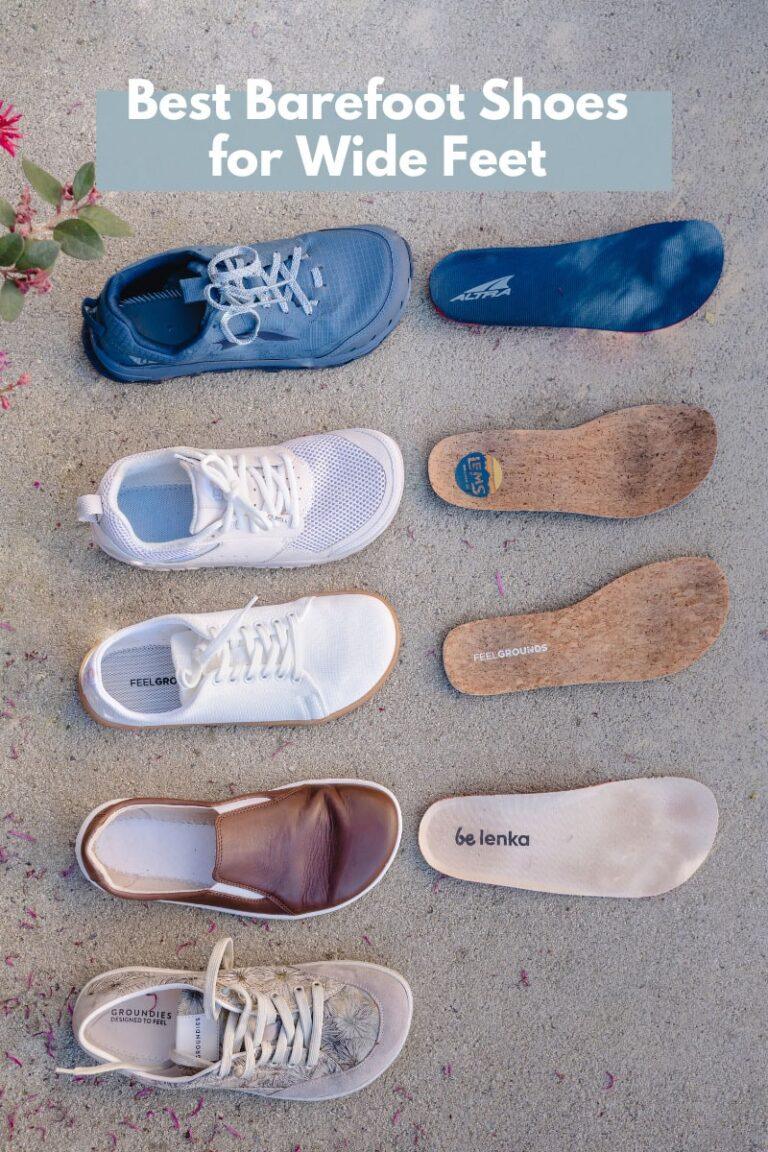
Shoes with a wide toe box, flexible uppers, and the right width rating work best for wide feet.
Finding comfortable footwear can feel like a daily battle when your toes press against the sides of your shoes. The best shoes for wide feet should give your foot room to spread, hold your heel securely, and support your natural stride without painful pressure. This guide explains how to choose that fit, which shoe types work well, and which common mistakes to avoid.

What makes a shoe good for wide feet?
A good shoe for wide feet does more than come in a larger size. It should match the shape of your foot from heel to toe. Many people have a wide forefoot but a more average heel, so simply sizing up can create a loose and unstable fit.
The best shoes for wide feet usually include these features:
• A wide or extra-wide width option, such as 2E, 4E, or 6E in men’s sizes and D, 2E, or 4E in many women’s sizes
• A wide toe box that lets your toes spread naturally
• A soft, flexible upper that does not pinch the sides of your foot
• A firm heel counter that helps prevent slipping
• A supportive midsole that cushions each step
• A smooth interior with few seams or rough edges
Your toes should not feel squeezed together. They should also have enough space to move slightly as you walk. Think of your shoe as a small room: your foot needs enough floor space, but the walls should still keep you steady.

The best types of shoes for wide feet
Different activities need different types of support. A walking shoe may be ideal for daily errands, while a running shoe needs better shock control and a secure heel fit.
Walking shoes
Walking shoes are often among the best shoes for wide feet because they focus on comfort, balance, and steady movement. Look for a broad sole, flexible forefoot, and cushioning under the heel and ball of the foot.
A walking shoe should bend near the toes, not in the middle. It should also feel stable when you walk on hard floors, sidewalks, or pavement.
Running shoes
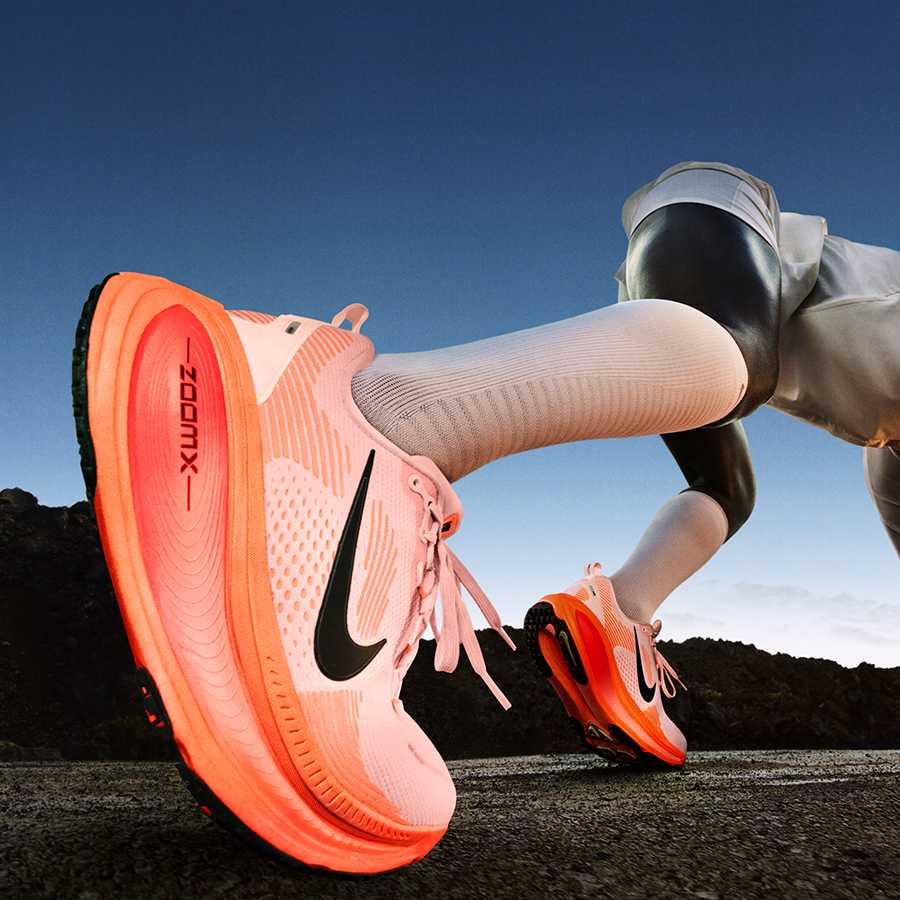
Many running shoes come in several width options. This makes them a strong choice for people with wide feet, especially if they need extra cushioning.
Choose a running shoe with:
• A roomy toe box
• A breathable mesh upper
• A secure midfoot fit
• Enough heel cushioning for your stride
• A width option that matches your actual foot
Do not assume a longer running shoe will solve a width problem. Extra length can make your foot slide forward and may cause blisters or black toenails.
Athletic and training shoes
Training shoes work well for gym workouts, strength training, and light classes. They often have a stable base and firm side support.
For wide feet, avoid shoes with stiff overlays that cross the widest part of your foot. A flexible mesh upper is often more comfortable. If you lift weights, choose a shoe that feels stable rather than overly soft.
Walking sandals
Wide walking sandals can be useful in warm weather. Look for adjustable straps across the forefoot and a footbed that supports your arch.
Avoid sandals that force your toes to grip the sole. That habit can cause fatigue and may worsen discomfort in the toes.
Casual sneakers
Casual sneakers can be comfortable if they offer true width choices and a flexible upper. Canvas and stretch-knit materials may adapt well, but they should not be so loose that your heel lifts.
A removable insole is helpful. It gives you space for an orthotic or a thicker comfort insert if needed.
Work boots and hiking boots
Work boots and hiking boots for wide feet need room for thick socks and natural swelling during long days. Choose a wide toe box, strong heel hold, and enough cushioning for hard ground.
Try boots later in the day. Feet often swell after hours of standing or walking. A boot that feels perfect in the morning may feel too tight by late afternoon.
How to choose the right width
Shoe width can be confusing because sizing systems vary by brand. A “wide” label is not identical across all companies. One brand’s wide shoe may feel like another brand’s regular shoe.
Start by measuring both feet. Your feet may not be the same size, and the larger foot should guide your purchase.
Measure your feet at home
Follow these steps:
-
Place a sheet of paper on the floor.
-
Stand on it while wearing the socks you plan to use.
-
Trace around each foot, or ask someone to help.
-
Measure the longest point from heel to toe.
-
Measure the widest part across the ball of the foot.
-
Compare both measurements with the brand’s size chart.
Measure your feet near the end of the day. This gives a more realistic result because feet often become slightly longer and wider with normal activity.
Understand width labels
Width labels differ by brand and gender sizing. In general, common labels include:
• B for standard women’s width
• D for wide women’s width in some brands
• D for standard men’s width
• 2E for wide men’s width
• 4E for extra-wide men’s width
These labels are useful, but they are not perfect. Always check the brand’s own chart and read recent customer reviews for comments about fit.
Check the toe box
Stand up in the shoes. Your longest toe should have roughly a thumb’s width of space in front of it. The sides of your forefoot should not bulge over the sole or feel trapped by the upper.
A wide toe box is not the same as a loose shoe. The heel and midfoot should still feel secure.
How shoes for wide feet should fit
The right fit should feel comfortable from the first try. Shoes may soften with use, but they should not need a painful break-in period.
Use this quick fit check:
• Walk for several minutes
• Bend your toes
• Check for pressure on the little toe
• Make sure your heel does not slide up and down
• Confirm that the widest part of your foot rests over the widest part of the shoe
• Test the shoes with your usual socks
Try both shoes while standing. Your feet expand under your body weight, so a seated fitting can make shoes seem larger than they really are.
A common mistake is choosing shoes based only on length. If a shoe is too narrow, adding extra length will not fix the problem. It can change your stride and create new pressure points.

Signs your shoes are too narrow
Your feet often tell you when a shoe does not fit. Pay attention to early warning signs instead of waiting for pain to become severe.
Shoes may be too narrow if you notice:
• Red marks along the sides of your feet
• Numbness or tingling in your toes
• Blisters near the little toe
• Burning under the ball of the foot
• Corns or thick skin
• Toes overlapping or rubbing together
• Your foot spilling over the edge of the outsole
• Pain that improves after removing your shoes
These signs may come from other foot conditions too. Persistent pain deserves an evaluation by a podiatrist or another qualified health professional.
People with bunions, hammertoes, diabetes, arthritis, or swelling may need a more careful fit. A roomy toe box can reduce pressure, but it cannot treat an underlying medical problem.
Materials and features that improve comfort
The material of a shoe can matter as much as its listed width. A rigid upper may press against your foot even when the shoe is labeled wide.
Look for:
Stretch mesh
Stretch mesh can adapt to a broad forefoot and helps release pressure during movement. It also allows airflow, which may reduce heat and moisture.
Soft leather
Soft leather can mold to the foot over time. It should feel flexible from the start, though. Thick, stiff leather may cause pressure before it breaks in.
Adjustable laces
Laces let you control pressure across different parts of your foot. You can loosen the forefoot and keep the midfoot snug.
Hook-and-loop straps
Straps are useful if your feet swell or if you need to adjust the fit during the day. They also work well for people who find laces difficult to manage.
Removable insoles
A removable insole gives you more room and makes it easier to use custom orthotics. Check that the replacement insole does not make the shoe too tight.
Avoid relying on thin, stretchy uppers alone. A shoe still needs a stable base and secure heel. Comfort comes from balance, not just softness.
Common mistakes when buying shoes for wide feet
Even experienced shoppers can make poor choices when they focus on size alone. These mistakes are easy to avoid.
Buying a longer size
A longer shoe may offer a little more width, but it can cause your foot to slide. This may lead to heel blisters, toe impact, and poor control.
Choose a wider size whenever possible. Keep the length close to your measured foot length.
Trusting the word “wide” without checking the shape
Some wide shoes add room only at the toe. Others add width through the entire shoe. If you have a wide forefoot and narrow heel, a full-width shoe may feel loose in back.
Read the product details and look at the outsole shape. Customer reviews can also reveal whether the shoe runs narrow or roomy.
Ignoring swelling
Feet often swell during heat, travel, pregnancy, long work shifts, or extended walking. Shoes that fit only in the morning may become painful later.
Shop in the afternoon or evening. If you wear compression socks or thick athletic socks, bring them to the fitting.
Choosing soft shoes with no support
A soft shoe can feel pleasant at first but may lack the structure needed for long walks. If your feet feel tired quickly, look for a stable midsole and supportive heel.
Keeping painful shoes
Shoes do not need to hurt while they “break in.” Minor stiffness may improve, but sharp pressure, numbness, or rubbing is a clear sign to stop wearing them.
How to make wide shoes more comfortable
Even the best shoes for wide feet may need small adjustments. These simple changes can improve comfort without changing the shoe.
• Use a lacing pattern that reduces pressure over the forefoot
• Try thinner socks if the shoe feels tight
• Use moisture-wicking socks to reduce friction
• Add heel-lock lacing if your heel slips
• Replace a bulky insole with a thinner one
• Rotate between two pairs to let each pair dry
• Trim toenails straight across to reduce toe pressure
Do not force a shoe to fit with aggressive stretching if it causes pain. Professional shoe stretching may help with certain leather styles, but it cannot create unlimited space or fix a badly shaped shoe.
From years of studying footwear fit and hearing real-world complaints, one lesson stands out: people often notice comfort too late. The small red mark they ignore on Monday can become a blister or painful callus by Friday. Check your feet after wearing new shoes, especially if you have reduced sensation.
Best shoes for wide feet by activity
Your ideal shoe depends on how you use it. A shoe designed for a short commute may not work for an eight-hour shift.
For standing all day
Choose a cushioned walking shoe with a stable sole, breathable upper, and wide width option. Healthcare workers, teachers, retail staff, and restaurant workers often benefit from slip-resistant outsoles as well.
For travel
Travel shoes should be lightweight, supportive, and easy to adjust. Look for breathable materials and enough room for swelling during long flights or road trips.
For flat feet
Look for a stable shoe with moderate arch support and a firm heel counter. Avoid extreme arch shapes that feel like a lump under your foot.
For high arches
A cushioned shoe with a flexible upper may help reduce pressure. You may also need a supportive insole, but comfort should guide the choice.
For bunions
Select shoes with a wide, soft toe box. Avoid pointed toes and stiff side panels that press against the bunion.
For hiking
Choose hiking shoes or boots with a wide forefoot, firm heel hold, and enough room for hiking socks. Walk on an incline before a long trip to check whether your toes slide forward.
When to see a foot specialist
Good shoes can reduce pressure, but they cannot solve every foot issue. Seek professional advice if foot pain continues after changing footwear.
A podiatrist may help if you have:
• Ongoing pain or swelling
• Numbness or burning
• A painful bunion or hammertoe
• Repeated blisters or ulcers
• Diabetes or poor circulation
• A noticeable change in foot shape
• Trouble walking normally
People with diabetes should take foot comfort seriously because nerve changes may hide injuries. Check your feet each day and ask a medical professional about proper footwear if you have reduced sensation or circulation concerns.
Professional guidance is also useful when you need custom orthotics. An orthotic should fit inside the shoe without crowding your toes or lifting your heel too much.
Frequently Asked Questions About What Shoes Are Good for Wide Feet
What shoes are good for wide feet and daily walking?
Walking shoes with a wide toe box, flexible upper, cushioned midsole, and secure heel are usually a strong choice. Select a true wide or extra-wide option instead of buying a longer shoe.
Are running shoes good for wide feet?
Yes, many running shoes offer several width options and roomy toe boxes. Look for a snug midfoot, stable heel, and enough space for your toes to move without rubbing.
How do I know if I need wide shoes?
You may need wide shoes if your toes feel squeezed, your foot spills over the sole, or you develop side blisters and red pressure marks. Measuring both feet and comparing them with the brand’s width chart is the most reliable starting point.
Is a wide toe box the same as a wide shoe?
No. A wide toe box gives extra room near the toes, while a wide shoe may add space across the heel, midfoot, and forefoot. Choose the shape that matches your foot rather than relying on the label alone.
Should I buy a bigger shoe if my feet are wide?
Usually, no. A longer shoe may cause your heel to slip and your foot to move forward. Choose the correct length with a wider width whenever that option is available.
Can wide shoes help bunion pain?
Wide shoes with soft uppers can reduce pressure around a bunion. They cannot remove the bunion or cure its cause, so lasting pain should be assessed by a foot specialist.
Do wide feet need arch support?
Not always. Arch support depends on your foot shape, activity, and comfort, not width alone. A stable shoe with a comfortable insole is often a better starting point than a very rigid arch design.
Conclusion
The best shoes for wide feet provide room where your foot needs it while keeping your heel and midfoot secure. Focus on the correct length, a broad toe box, flexible materials, useful width options, and support suited to your activity.
Measure both feet, shop later in the day, and walk in each pair before buying. Do not accept pain as part of the process. Use these tips to find a better fit, explore trusted footwear options, and share your own experience in the comments.
Madison Clark is a footwear expert and the voice behind MyStyleGrid.com. She specializes in honest shoe reviews, style tips, and practical guides to help readers find the perfect pair for any occasion. With years of experience in blogging and content creation, Madison makes footwear knowledge simple, stylish, and easy to follow.