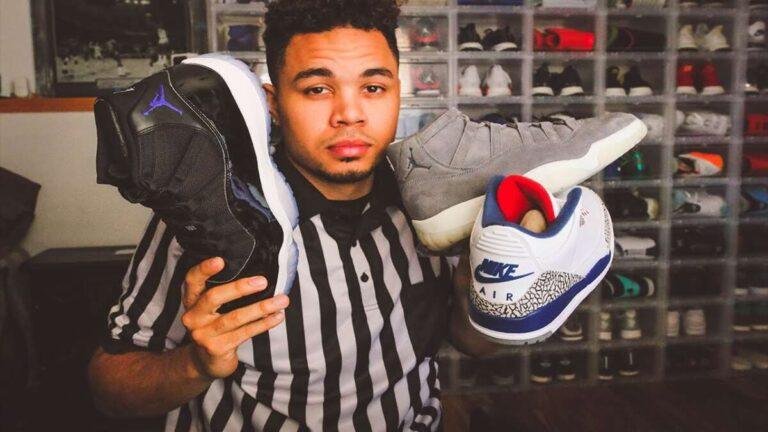
Jordan shoes cost more because of brand power, athlete legacy, premium design, demand, and limited release strategies.
If you have ever wondered why are Jordan shoes so expensive, the answer is more complex than material cost alone. Nike’s Jordan Brand combines Michael Jordan’s cultural impact, advanced design, global marketing, controlled supply, and strong resale demand. This guide breaks down each factor so you can decide when a pair is worth the price—and when you are mainly paying for the logo and hype.

The short answer: why are Jordan shoes so expensive?
Jordan shoes are expensive because they sell more than basic footwear. They sell history, status, performance, and a link to one of the most famous athletes in sports.
The first Air Jordan launched in 1985. It changed how people viewed basketball shoes. A sneaker was no longer just gear for the court. It became part of fashion, music, sport, and street culture.
Today, Jordan Brand benefits from that long history. When you buy a pair, you may be paying for:
• Brand recognition built over decades
• Michael Jordan’s name and legacy
• Research and development
• Premium materials and construction
• Advertising and athlete partnerships
• Limited supply and high demand
• Retail, shipping, and business costs
Still, not every Jordan shoe offers the same value. Some models use high-quality leather and strong cushioning. Others cost more because of demand, color, or history rather than major technical upgrades.


Michael Jordan’s legacy adds real value
Michael Jordan is one of the most influential athletes in modern history. His six NBA championships, six Finals MVP awards, five regular-season MVP awards, and global popularity helped make Air Jordan a powerful brand.
The shoes are tied to major moments in basketball. The Air Jordan 1 connects with Jordan’s early career. The Air Jordan 3 is linked to the 1988 Slam Dunk Contest and the famous “Jumpman” logo. Later models introduced visible Air cushioning, carbon fiber plates, and other performance features.
That history gives Jordan shoes emotional value. A fan may not see a pair as simple sneakers. They may see a piece of basketball history.
This is similar to buying a classic watch or a team jersey. The basic function is easy to copy, but the story is not. That story is a major reason why are Jordan shoes so expensive.

Brand prestige and status influence the price
Jordan Brand has strong prestige. Its shoes are recognized around the world, even by people who do not follow basketball.
Brand prestige affects price in several ways:
• Customers expect a higher price from a famous label.
• A recognizable logo can signal taste, success, or cultural knowledge.
• Popular designs stay visible in music, sports, and social media.
• Retailers know that many buyers will pay more for the brand name.
This does not mean every Jordan shoe is better than every less expensive sneaker. It means buyers place extra value on the Jordan identity.
In my experience reviewing and comparing sneakers, people often notice comfort first. Yet they remember the feeling of owning a classic Jordan model for much longer. That emotional link can make the price feel easier to accept, even when another shoe has similar technical features.
Research, design, and technology raise production costs
Some Jordan shoes include real performance technology. Depending on the model, this may include:


• Air or Zoom Air cushioning
• Foam midsoles
• Rubber traction patterns
• Supportive heel structures
• Carbon fiber or composite plates
• Breathable mesh or engineered fabric
• Reinforced toe and heel areas
Designing a shoe takes more than choosing colors and adding a logo. Product teams must test fit, durability, grip, comfort, and movement. Basketball shoes also need to handle sharp stops, jumps, and repeated impact.
However, technology is only one part of the price. A high retail price does not prove that a shoe costs the same amount to manufacture. Retail prices also cover design work, staff, transport, marketing, retail space, taxes, and profit.
This is an important point when asking why are Jordan shoes so expensive. Their production cost matters, but it is not the whole story.

Materials and construction can affect Jordan shoe prices
Materials vary across Jordan models. Some pairs use full-grain or premium leather. Others use synthetic leather, mesh, suede, textile, or a mix of materials.
Premium materials may improve:
• Feel and appearance
• Flexibility


• Support
• Resistance to wear
• Long-term appeal to collectors
Construction also matters. Stitching, panel design, padding, lining, and sole bonding can affect comfort and durability. Retro models may copy the look of an older release while using updated materials and modern production methods.
That said, “premium” does not always mean perfect. Leather can crease. Glue can show. Some retro releases may have small flaws. Before buying, inspect the pair if possible, especially when shopping through a resale platform.
Limited supply creates urgency
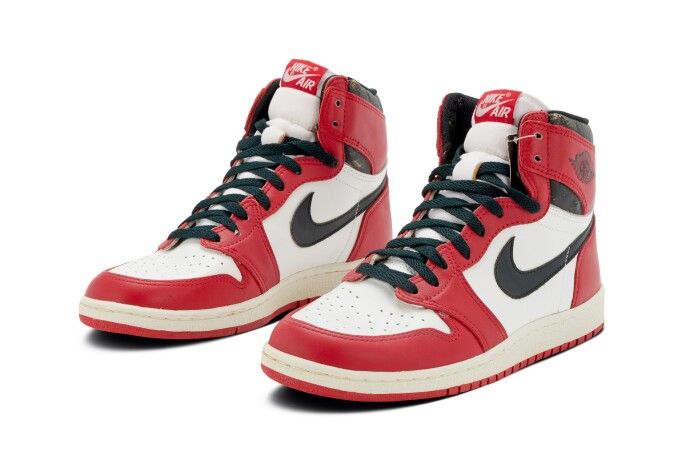
One of the clearest reasons why are Jordan shoes so expensive is limited supply. When a shoe is hard to find, more people compete for the available pairs.
Jordan releases often use launch dates, small stock numbers, regional limits, or special collaborations. This can create a rush. Buyers may line up online, enter raffles, or pay more on the resale market.
Scarcity works because it changes the buyer’s fear. Instead of thinking, “I can buy this later,” people think, “I may never get another chance.”
Not every limited release stays valuable. Some pairs lose demand after the excitement fades. A limited shoe can still become less desirable if the color is unpopular or too many pairs appear on the market.

Marketing and celebrity influence are part of the price
Jordan Brand spends heavily on marketing. Campaigns may include athletes, entertainers, influencers, fashion designers, events, social media, and major sports partnerships.
Marketing helps a shoe become familiar before it reaches stores. It also creates a larger story around each release. A special color may refer to a team, city, player, event, or earlier version.
Celebrity influence can raise demand quickly. When a musician or athlete wears a certain Jordan model, fans may search for it within hours. This does not change the shoe’s comfort, but it can change its market value.
Advertising is not free. These costs are built into the wider business model, just as they are with luxury clothing, watches, and cars.


Resale prices can make Jordan shoes seem even more expensive
Retail price and resale price are different.
A new Jordan release may have a suggested retail price of around $120 to more than $200, depending on the model. Special editions and collaborations can cost more. On resale platforms, popular pairs may sell for far above retail.
Resale prices are shaped by:
• Supply and demand
• Size availability
• Condition
• Original box and accessories
• Release history
• Collaboration status
• Colorway popularity
• Current fashion trends
A shoe that sells for $180 at retail might reach $300 or more on the secondary market. Rare older pairs can sell for much more, although prices change often and are not guaranteed.
My practical advice is simple: do not confuse a high resale price with high shoe quality. You may be paying for scarcity, not better cushioning or stronger materials.
Collectors pay for history, rarity, and condition
Some people buy Jordan shoes to wear. Others buy them as collectibles.
Collectors may value:
• Original release dates
• Player editions
• First-generation designs
• Collaborations
• Unusual colorways
• Deadstock condition
• Original packaging
• Cultural importance
A deadstock pair is usually new and unworn. Its condition can strongly affect value. Yellowing, cracked midsoles, missing boxes, and damaged leather may reduce a shoe’s price.
Older sneakers also have limits. Some vintage pairs may not be comfortable or safe to wear because rubber and foam can break down over time. A collector may display them instead of using them on court.
Are Jordan shoes actually worth the money?
Whether Jordan shoes are worth the money depends on your goal.
They may be worth it if:
• You value the history and design.
• The shoe fits well and feels comfortable.
• You plan to wear it often.
• You enjoy collecting sneakers.
• You want a specific performance feature.
They may not be worth it if:
• You only want basic walking shoes.
• You are buying solely because of online hype.
• The shoe fits poorly.
• You are paying a large resale premium.
• You expect every Jordan model to last for decades.
A useful method is to calculate the cost per wear. A $180 pair worn 60 times costs $3 per use before considering care and resale value. A $90 pair worn twice costs $45 per use. The cheaper shoe is not always the better deal.
How Jordan prices compare with other sneaker brands
Jordan shoes sit in a competitive market. Nike, Adidas, New Balance, ASICS, Puma, and luxury sneaker brands all sell shoes at different price levels.
Performance basketball shoes from major brands often have similar retail prices. Some may offer better traction, lighter weight, or more modern cushioning than a Jordan retro model.
Luxury sneakers can cost far more than Jordans. Their price may rely more on designer identity, rare materials, and fashion status. In that market, Jordan shoes can seem expensive compared with general sneakers but affordable compared with luxury footwear.
The best comparison is not only brand against brand. Compare:
• Materials
• Cushioning
• Fit
• Durability
• Warranty or return policy
• Intended use
• Cost per wear
This approach helps answer why are Jordan shoes so expensive without assuming every expensive shoe is automatically better.
Retail costs, shipping, and business expenses matter
The price on a store shelf covers many costs beyond the shoe itself. A brand must pay for factories, quality checks, packaging, transport, warehouses, technology, employees, and retail operations.
Retailers also need a margin to pay rent, staff, insurance, payment fees, and other expenses. Online sellers face warehouse and delivery costs. Import duties and local taxes can raise prices in some countries.
These costs do not explain every dollar of a Jordan’s price. Brand value and profit are still important. However, they show why the retail price cannot be judged by the materials alone.
Common mistakes buyers make
Many shoppers overpay because they focus on hype instead of value. I have seen buyers rush into a release, then regret the purchase after noticing poor fit or a color they rarely wear.
Avoid these mistakes:
-
Buying without checking the fit. Jordan sizing can differ between models. Read the product details and check the return policy.
-
Paying resale prices before comparing listings. Prices can vary widely across platforms.
-
Ignoring total costs. Add shipping, taxes, authentication fees, and cleaning supplies.
-
Assuming every retro is identical to the original. Materials and shape may change between releases.
-
Wearing valuable pairs without proper care. Moisture, heat, and rough storage can damage sneakers.
-
Buying fakes to save money. Counterfeit pairs may use poor materials and can be difficult to return.
A trusted retailer, clear photos, proof of purchase, and a strong return policy can reduce risk.
Ways to buy Jordan shoes for less
You do not always need to pay full price. Try these practical options:
• Shop during end-of-season sales.
• Look for less popular colorways.
• Compare men’s, women’s, and grade-school releases when sizing allows.
• Buy older models after the launch excitement ends.
• Use reputable outlet stores.
• Consider lightly worn pairs from trusted sellers.
• Set a firm budget before release day.
• Avoid paying resale prices for a pair you only mildly like.
You can also choose a Jordan model with a lower retail price. Not every pair needs to be an iconic retro. Team models and lifestyle shoes may offer useful comfort at a lower cost.
How to care for expensive Jordan shoes
Good care protects both appearance and value.
• Keep shoes away from direct heat and sunlight.
• Use a soft brush to remove dry dirt.
• Clean stains soon instead of letting them set.
• Do not soak leather or suede.
• Use shoe trees or clean paper to help maintain shape.
• Store pairs in a cool, dry place.
• Rotate your shoes so one pair does not take all the wear.
• Keep the box and tags if resale value matters.
Never use harsh chemicals without checking the material. Suede, mesh, leather, and synthetic panels need different cleaning methods.
What the price does not guarantee
A high price does not guarantee perfect comfort, long life, or investment value. Jordan shoes can have quality differences between releases. Manufacturing defects can happen in any large product line.
Resale value is also uncertain. Trends change. A shoe that sells quickly today may lose attention later. Storage conditions, market supply, and consumer taste all affect future prices.
Jordan shoes can be excellent products, but buyers should judge each model on its own. Look at reviews, materials, fit, purpose, and current price rather than relying only on the Jumpman logo.
Frequently Asked Questions About Why Are Jordan Shoes So Expensive
Why are Jordan shoes so expensive compared with regular sneakers?
Jordan shoes include brand value, athlete history, design costs, marketing, and strong demand. Some models also use advanced cushioning or premium materials, but the logo and cultural status are major parts of the price.
Are expensive Jordan shoes made with better materials?
Some expensive Jordan models use better leather, suede, cushioning, or construction. However, price alone does not prove superior quality, so check the exact model and product details before buying.
Why do some Jordan shoes cost more after release?
Popular or limited pairs may become scarce after selling out. Resellers then charge more based on demand, size, condition, and colorway popularity.
Are Jordan shoes a good investment?
Most Jordan shoes should be viewed as footwear first, not guaranteed investments. A few rare pairs may rise in value, but trends, condition, supply, and market demand can change quickly.
Do Jordan shoes last a long time?
They can last for years with regular care and moderate use. Heavy court play, poor storage, moisture, and old foam can shorten their life.
Is it cheaper to buy Jordan shoes at retail?
Usually, yes. Retail purchases avoid resale markups, although launch-day demand can make popular pairs difficult to secure. Waiting for sales may also lower the final cost.
Why are Jordan retro shoes so popular?
Retro shoes connect current buyers with famous designs and moments from Michael Jordan’s career. Their familiar shape, colors, and history give them value beyond basic performance.
Conclusion
Jordan shoes are expensive because they combine performance features with powerful storytelling, brand prestige, marketing, limited supply, and resale demand. The materials and technology matter, but the history behind the Jumpman often matters just as much.
The smartest choice is to buy based on fit, comfort, purpose, and budget. If you love the design and will wear the shoes often, the price may feel reasonable. If hype is the only reason you want them, waiting for a sale or choosing another model may be wiser.
Compare prices, check authenticity, and think about cost per wear before you buy. Explore trusted sneaker guides, share your experience, and choose the pair that gives you real value—not just the loudest name.

Madison Clark is a footwear expert and the voice behind MyStyleGrid.com. She specializes in honest shoe reviews, style tips, and practical guides to help readers find the perfect pair for any occasion. With years of experience in blogging and content creation, Madison makes footwear knowledge simple, stylish, and easy to follow.