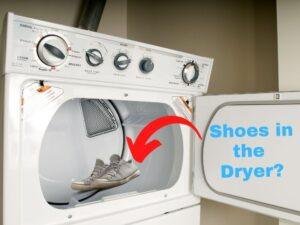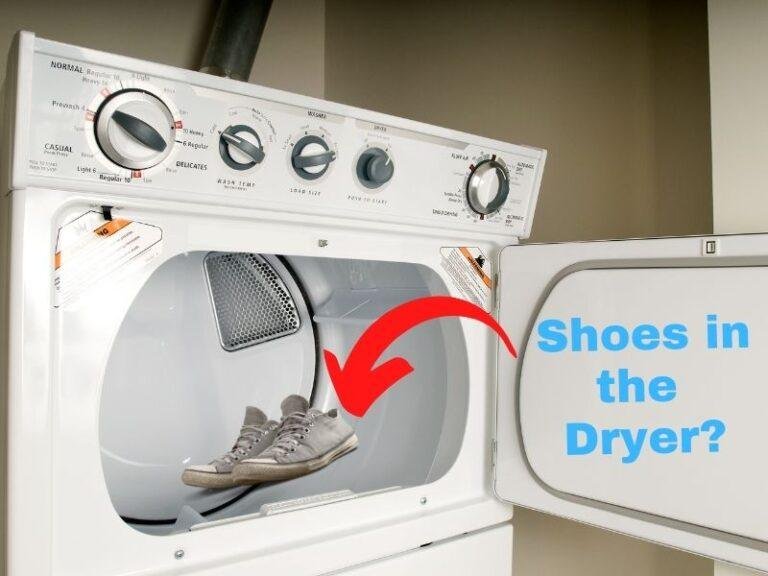
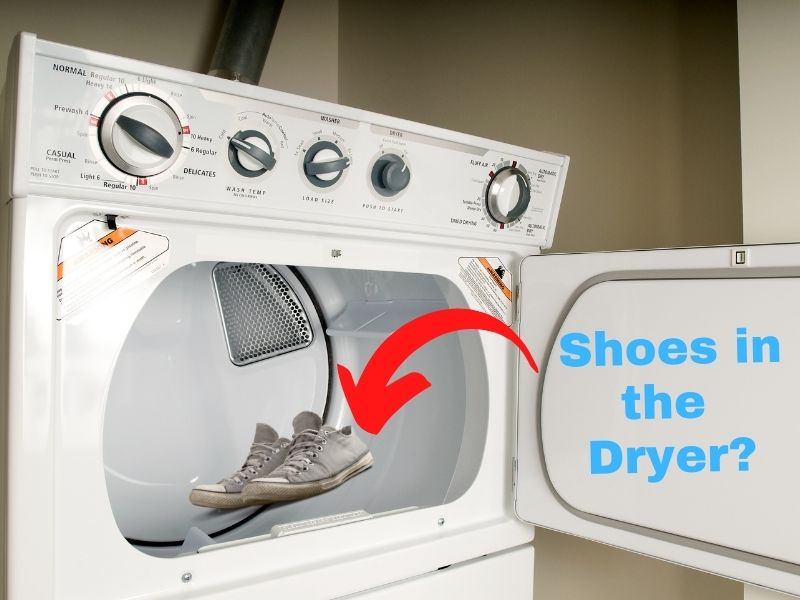
Putting shoes in the dryer usually will not break it, but heavy shoes can damage parts or create costly problems.
Whether putting shoes in the dryer is safe depends on the shoe material, dryer design, heat setting, and drying time. A light pair of canvas sneakers may survive a short, low-heat cycle, while boots, cleats, leather shoes, or shoes with thick rubber soles can cause trouble.
The dryer may also suffer from loud banging, an unbalanced drum, trapped laces, or heat buildup. This guide explains the real risks, which shoes are safer, how to dry them properly, and when air-drying is the better choice.
Can putting shoes in the dryer break it?
Putting shoes in the dryer will not usually destroy the appliance after one use. However, putting shoes in the dryer can strain the drum, rollers, belt, and motor, especially when the shoes are heavy or soaked with water.
Wet shoes are much heavier than dry shoes. When they tumble, their weight repeatedly hits the inside of the drum. This can create strong vibration and loud thumps. Over time, that stress may contribute to worn drum rollers, a loose belt, or damaged drum supports.
The main risks include:
• Drum damage: Hard soles can strike the drum and leave dents or scratches.
• Excessive vibration: Uneven shoes can make the dryer shake or move across the floor.
• Worn rollers: Repeated heavy impacts can place extra stress on the rollers under the drum.
• Belt strain: A heavy, unbalanced load may make the drum belt work harder.
• Motor stress: The motor may struggle if the shoes are heavy and the drum cannot turn smoothly.
• Noise damage: Loud banging does not always mean instant failure, but it is a warning sign.
Putting shoes in the dryer can also damage the shoes themselves. Heat may soften glue, shrink fabric, warp foam, crack leather, or weaken rubber. In many cases, the shoes fail before the dryer does.
What happens when shoes tumble in a dryer?
A clothes dryer is built for soft, flexible items that spread across the drum. Shoes are different. They are dense, stiff, and often uneven in shape.
When putting shoes in the dryer, the soles act like small weights. As the drum turns, the shoes fall from the top and hit the bottom. That repeated impact is similar to dropping a small rubber block inside the appliance for 30 to 60 minutes.
The dryer may respond in several ways:
• The drum becomes unbalanced.
• The appliance makes a deep banging sound.
• The dryer walks forward or rocks on the floor.
• The shoes strike the door or rear wall.
• The drum takes longer to turn.
• The machine stops if its safety system detects a problem.
A little noise is common, but sharp scraping, grinding, or a burning smell is not. Stop the dryer at once if you notice any of these signs. Unplug it only if you can do so safely, then inspect the drum and contact a qualified appliance technician if the noise continues.
Putting shoes in the dryer is especially risky when both shoes sit together on one side of the drum. This creates a heavy spot, much like an unbalanced washing machine. A dryer rack, if your model includes one, can reduce this movement because the shoes remain still while warm air passes around them.

Which shoes are safe to put in the dryer?
Some shoes tolerate low heat better than others. Even then, the care label and manufacturer instructions should come first. If the label says “do not tumble dry,” avoid putting shoes in the dryer.
Shoes that may handle low heat
These shoes are often safer for a short, gentle cycle:
• Canvas sneakers
• Basic cotton shoes
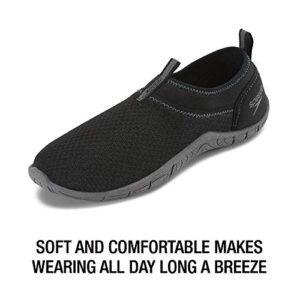
• Lightweight mesh athletic shoes
• Fabric slippers without rubber foam
• Some washable synthetic shoes
“Safer” does not mean risk-free. Check the shoes for glued parts, foam padding, plastic details, and reflective strips. These parts can change shape or separate under heat.
Shoes that should not go in the dryer
Avoid putting shoes in the dryer if they contain:
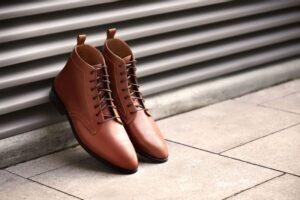
• Leather or suede
• Waterproof membranes
• Thick rubber soles
• Gel inserts
• Memory foam
• Plastic support pieces
• Metal decorations
• Delicate stitching
• Strong adhesives
• Waxed or treated fabric
Leather can dry out and crack. Suede may become stiff or develop uneven texture. Foam can shrink or crumble. Glue may soften, causing the sole to separate from the upper.
Never put shoes with flammable chemicals, oil, paint, or fuel residue in a dryer. Heat can create a serious fire hazard.
How to dry shoes without damaging the dryer
Air-drying is the safest choice for both shoes and the appliance. It takes longer, but it avoids impact, heat damage, and unnecessary wear.
Use this method:
-
Remove the insoles and laces.
-
Rinse away mud or dirt if the care instructions allow it.
-
Press the shoes gently with a clean towel.
-
Stuff the shoes with white paper towels or plain newspaper.
-
Place them in a cool, dry area with good airflow.
-
Replace the paper when it becomes damp.
-
Use a fan nearby to improve air movement.
Do not place wet shoes directly on a radiator, furnace vent, or space heater. High heat can warp the sole and may create a fire risk. Sunlight can help with odor, but intense sunlight may fade colored fabric or damage rubber.
A shoe dryer can be useful if you often wash sneakers, hiking boots, or work shoes. Choose a model with low heat and follow its safety instructions. Good airflow matters more than extreme heat.
If you must use a clothes dryer, take these precautions:
• Check the shoe label first.
• Use the lowest heat setting or an air-only cycle.
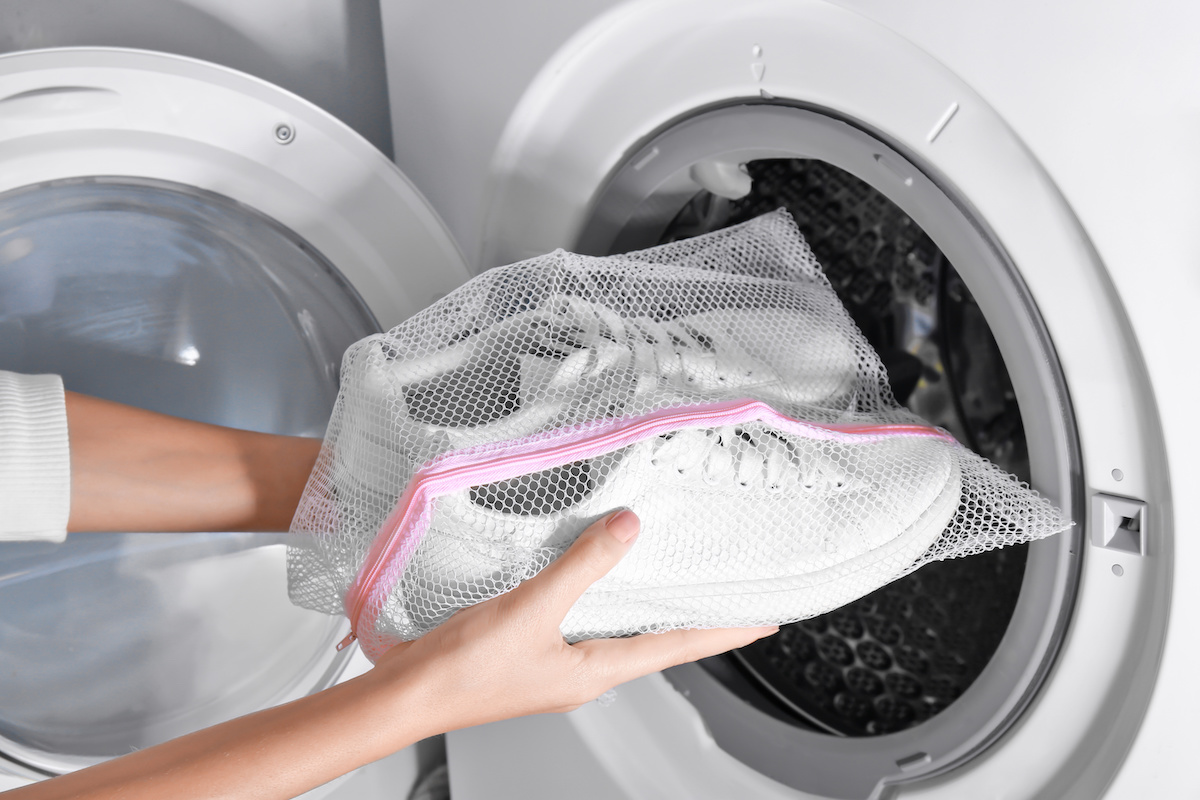
• Put the shoes in a mesh laundry bag.
• Add two or three dry towels to soften the impact.
• Use a dryer rack if your appliance has one.
• Stop the cycle after 10 to 15 minutes and check the shoes.
• Remove the shoes while they are slightly damp.
• Never leave the dryer running while you are away.
Putting shoes in the dryer for a short, low-heat cycle is less risky than using high heat for a full cycle. Still, air-drying remains the better long-term habit.

Can a dryer rack prevent damage?
A dryer rack can greatly reduce the risk caused by putting shoes in the dryer. The rack holds the shoes above the rotating drum, so they stay still while warm air moves around them.
Not every dryer supports a rack. Use only the rack made for your model or one approved by the manufacturer. Do not place a random shelf or metal object inside the dryer, as it may block airflow or damage the drum.
A rack works best for:
• Lightweight fabric sneakers
• Clean athletic shoes
• Slippers approved for low heat
• Small washable footwear
It may not work well for very wet or heavy boots. The rack still exposes shoes to heat, so it will not prevent leather, glue, foam, or rubber damage.
Before putting shoes in the dryer on a rack, remove loose dirt and open the tongue of each shoe. This lets air reach the inside. Keep the dryer on a low or air-only setting and check the shoes often.

Signs the dryer may have been damaged
Putting shoes in the dryer once does not guarantee damage. Look for warning signs after the cycle and during the next few loads.
Possible signs include:
• A new scraping or grinding sound
• Repeated banging during normal loads
• A drum that feels loose
• Clothes taking much longer to dry
• A burning rubber smell
• The dryer becoming unusually hot
• The drum failing to turn smoothly
• The appliance moving across the floor
• A belt squeal or rhythmic thumping
Some sounds come from the shoes rather than the machine. Remove the shoes and run the dryer empty for a few minutes. If the noise disappears, the shoes likely caused the vibration. If the noise remains, stop using the dryer until it is inspected.
Do not remove the dryer cabinet to investigate unless you are trained to work on appliances. Dryers contain electrical parts and can retain dangerous heat. A qualified technician can check the belt, rollers, idler pulley, drum, and motor safely.
From practical shoe-care experience, the biggest mistake is ignoring the first loud bang. People often assume the dryer is simply noisy because shoes are inside. That sound is useful feedback. Stop the cycle, rebalance the load, and switch to air-drying if the problem returns.

How to protect shoes and the dryer
A few simple habits can prevent most problems. First, read the care label. If there is no label, treat the shoes as heat-sensitive unless they are clearly made from washable fabric.
Next, remove anything that can catch or melt. Take out metal ornaments, loose inserts, and removable accessories. Tie the laces loosely or place the shoes in a closed mesh bag.
Keep the drying cycle short. A full high-heat cycle is rarely needed for shoes. The goal is to remove some moisture, not bake the footwear completely dry.
Use these safety rules:
• Never dry shoes with gasoline, oil, or chemical residue.
• Do not overload the drum.
• Avoid drying heavy boots with delicate clothing.
• Do not use high heat on glued or foam-based shoes.
• Stop the cycle if the dryer shakes or walks.
• Clean the lint screen before and after drying.
• Check the shoes for loose soles or melted parts.
• Let the dryer cool if it becomes unusually hot.
Putting shoes in the dryer may be acceptable in limited cases, but it should not become the default method. A towel, fan, and good airflow usually protect the shoe better and cost nothing.

Frequently Asked Questions About Putting Shoes in the Dryer
Will putting shoes in the dryer break the dryer?
Putting shoes in the dryer usually will not break it immediately. Heavy, wet, or hard-soled shoes can cause repeated impact and vibration that may wear the drum, belt, rollers, or motor.
Can I put sneakers in the dryer?
Some fabric and canvas sneakers can handle a short, low-heat or air-only cycle. Check the care label first, and avoid the dryer if the sneakers contain leather, memory foam, thick rubber, or delicate glue.
Is it better to dry shoes on low heat?
Yes. Low heat reduces the chance of shrinking fabric, melting glue, warping rubber, or damaging foam. An air-only cycle or dryer rack is safer than high heat.
How long should shoes stay in the dryer?
If the manufacturer allows machine drying, start with 10 to 15 minutes on low heat. Check the shoes often and remove them while they are still slightly damp.
Can shoes damage the dryer drum?
Yes, hard soles can scratch or dent the drum, especially when the shoes are heavy and tumble freely. A dryer rack or mesh bag can reduce movement, but air-drying is safer.
Why does my dryer shake when I dry shoes?
Shoes are dense and uneven, so they can collect on one side of the drum. This creates an unbalanced load and causes thumping or movement.
Can I dry leather shoes in a clothes dryer?
No. Heat can dry, shrink, crack, or warp leather and may weaken the adhesive. Let leather shoes air-dry at room temperature with paper inside to help maintain their shape.
Conclusion
Putting shoes in the dryer does not usually cause instant failure, but it can create vibration, impact, heat damage, and long-term wear. Lightweight fabric shoes may tolerate a short low-heat cycle, while leather, suede, boots, foam, and thick rubber footwear should stay out of the dryer.
Air-drying with paper, a fan, or a proper shoe dryer is the safest choice. If you use a clothes dryer, follow the care label, choose low heat, use a rack when approved, and stop at the first sign of unusual noise. Choose the gentler method today, and share your own shoe-drying experience or explore more appliance-care tips.

Rubel Miah is the Senior Editor at MyStyleGrid.com, where he brings a sharp editorial eye and an unshakable love for fashion to everything he does. A true style addict, Rubel lives and breathes trends, from streetwear to high fashion, and has a knack for turning inspiration into impactful stories. With years of experience in fashion journalism and digital media, he curates content that empowers readers to express themselves through style. When he’s not editing features or forecasting the next big thing, you’ll find him hunting down vintage pieces or capturing street style moments around the city.